Dec 23, 2025
Content
Home textiles play a crucial role in the comfort and health of living spaces, particularly for individuals prone to allergies. Dust mites, pollen, and other allergens can accumulate in fabrics such as bedding, curtains, and upholstery, triggering allergic reactions. Selecting the right home textile products can significantly reduce allergen exposure and improve indoor air quality.
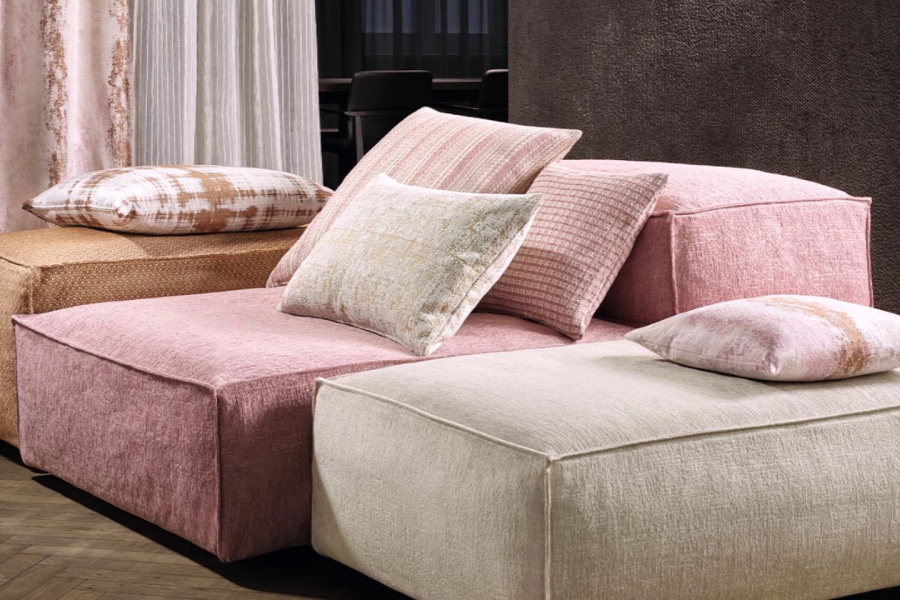
Allergens are microscopic particles that can accumulate in home textiles over time. Common sources include dust mites, pet dander, mold spores, and pollen. These particles can settle into fibers and create a persistent source of irritation, particularly in bedrooms and living rooms where textiles are frequently in contact with skin.
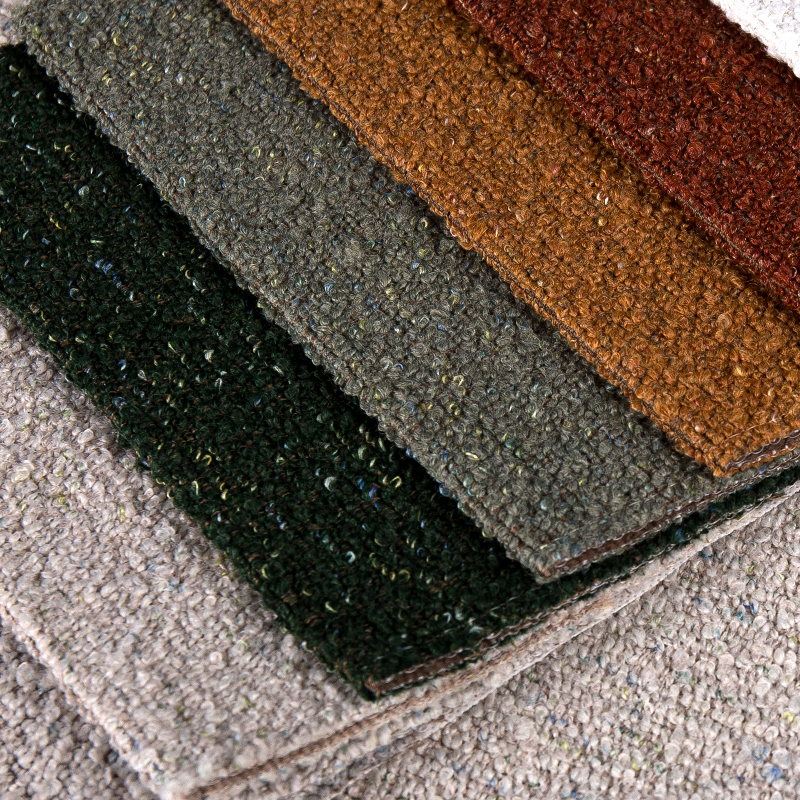
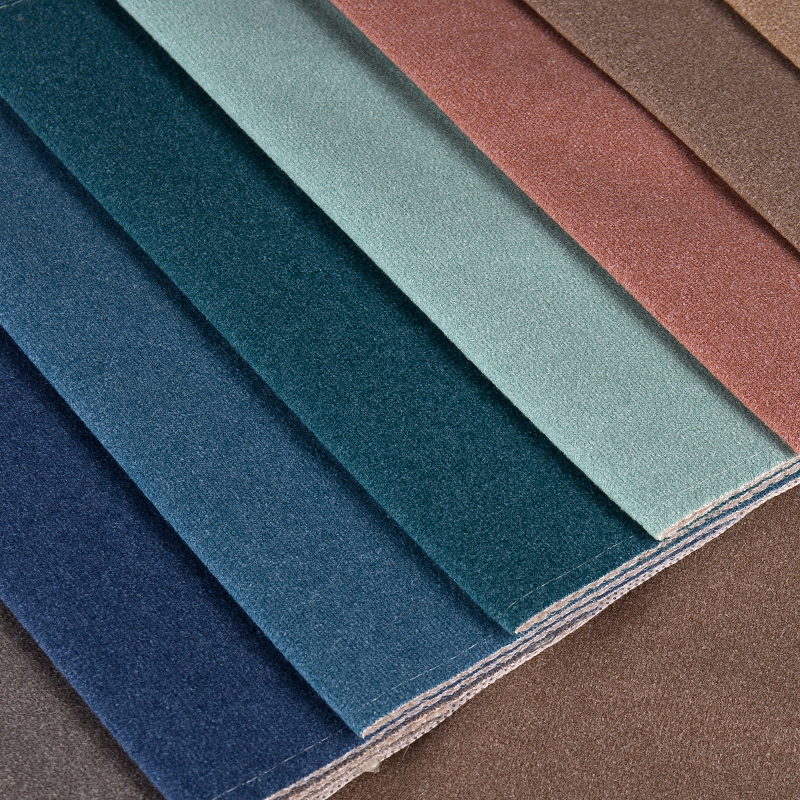
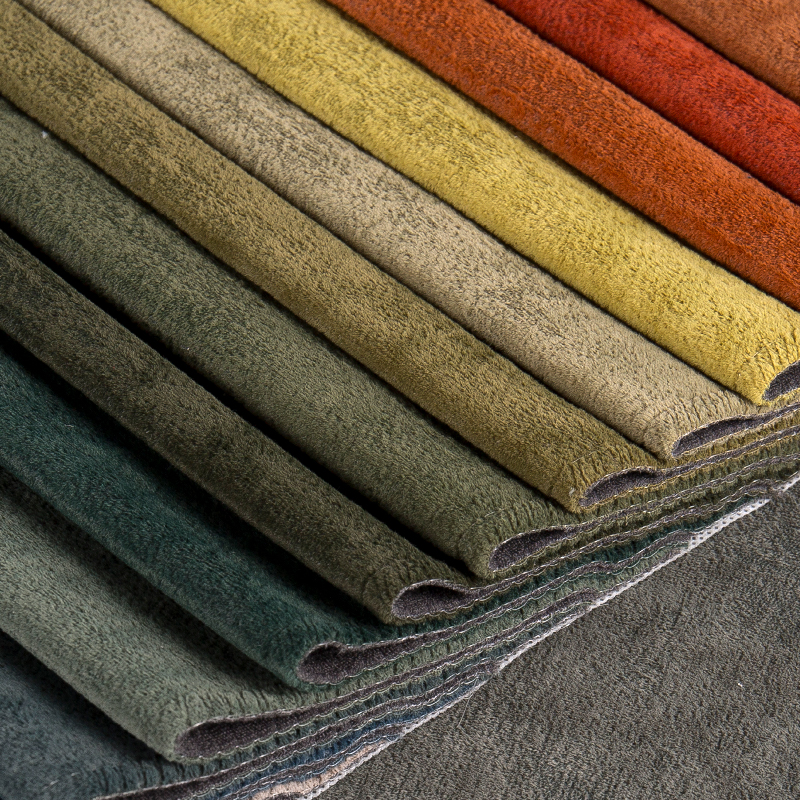
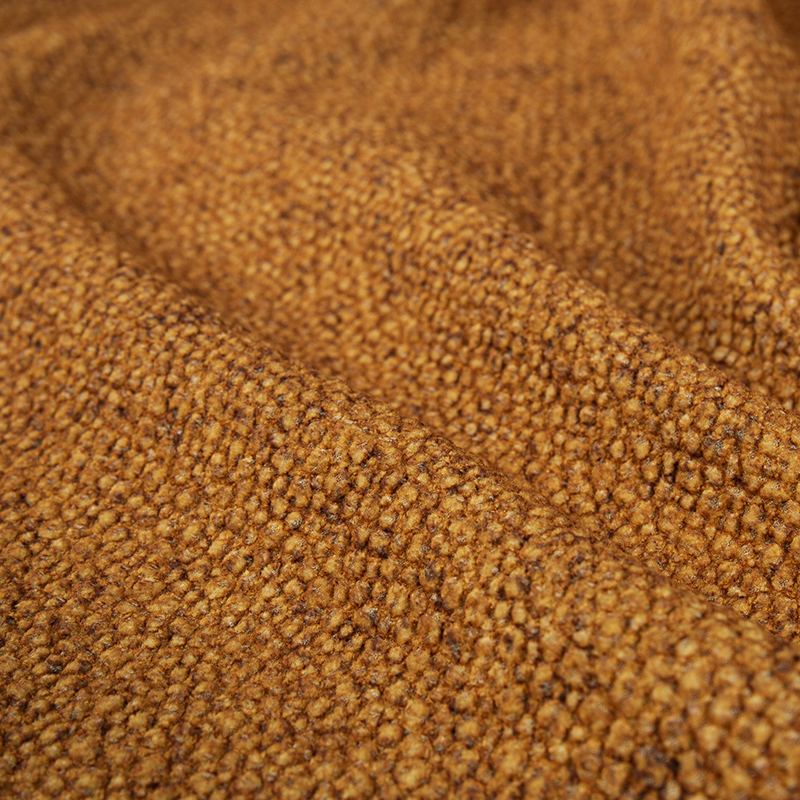
Choosing fabrics that are resistant to allergens is a critical step in creating an allergy-friendly home. Certain materials prevent dust mites from embedding deeply into fibers and can be cleaned more effectively.
Even the most hypoallergenic fabrics require proper care to maintain an allergen-free environment. Regular cleaning routines reduce the accumulation of dust, pet dander, and other irritants.
| Textile Type | Allergen Resistance | Cleaning Recommendations |
| Cotton Bedding | High | Machine wash weekly at 60°C |
| Microfiber Upholstery | High | Vacuum regularly, spot clean as needed |
| Silk Curtains | Very High | Dry clean periodically |
| Linen Covers | Moderate to High | Machine wash cold, air dry |
Creating an allergy-friendly home requires careful selection of home textile products and consistent maintenance practices. By choosing hypoallergenic materials, adhering to effective cleaning routines, and understanding the areas where allergens accumulate, homeowners can significantly reduce allergen exposure and enjoy a healthier, more comfortable living environment.
Related Products

Contact us
Address
Hangfu Road 106#, Chongfu Town, Tongxiang City, Zhejiang, China
Phone
+86-15067379939
linachen@climbingtex.com / zac@climbingtex.com
lianniu@climbingtex.com
Fax/Tel
+86-573-88385698
products
QR CODE
 Home Textile Manufacturers
Sofa Fabric Factory
Home Textile Manufacturers
Sofa Fabric Factory
 English
 Español
 عربى
عربى