Jan 06, 2026
Content
Recycled upholstery fabric has become an increasingly practical choice for both residential and commercial interiors. By transforming post-consumer or post-industrial waste into usable textile materials, recycled fabrics help reduce resource consumption while meeting functional and aesthetic requirements. For homeowners, designers, and project managers, understanding how recycled upholstery fabric performs in real-use environments is essential for making informed material selections.
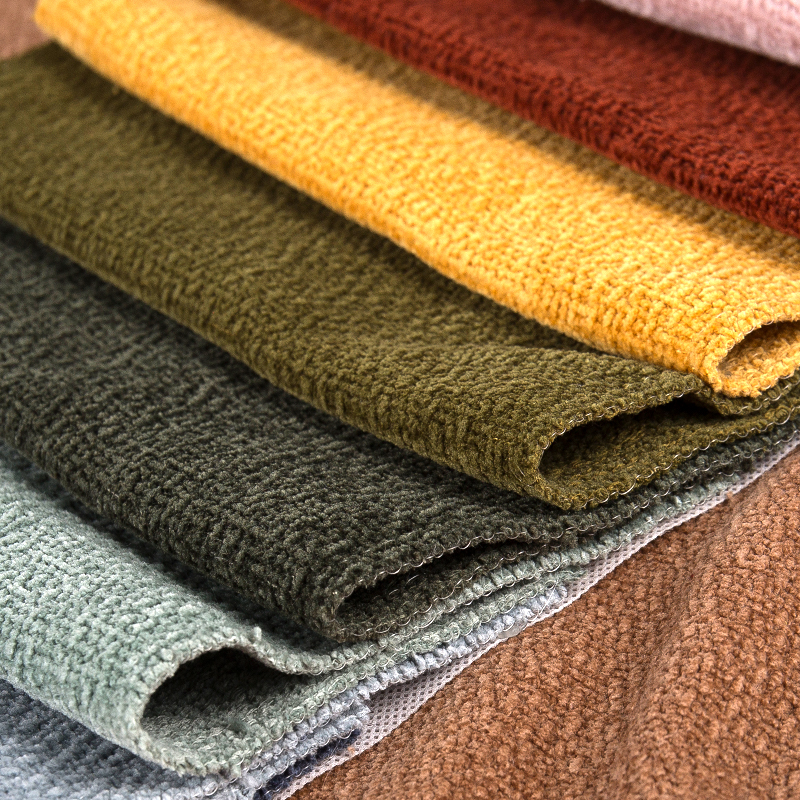
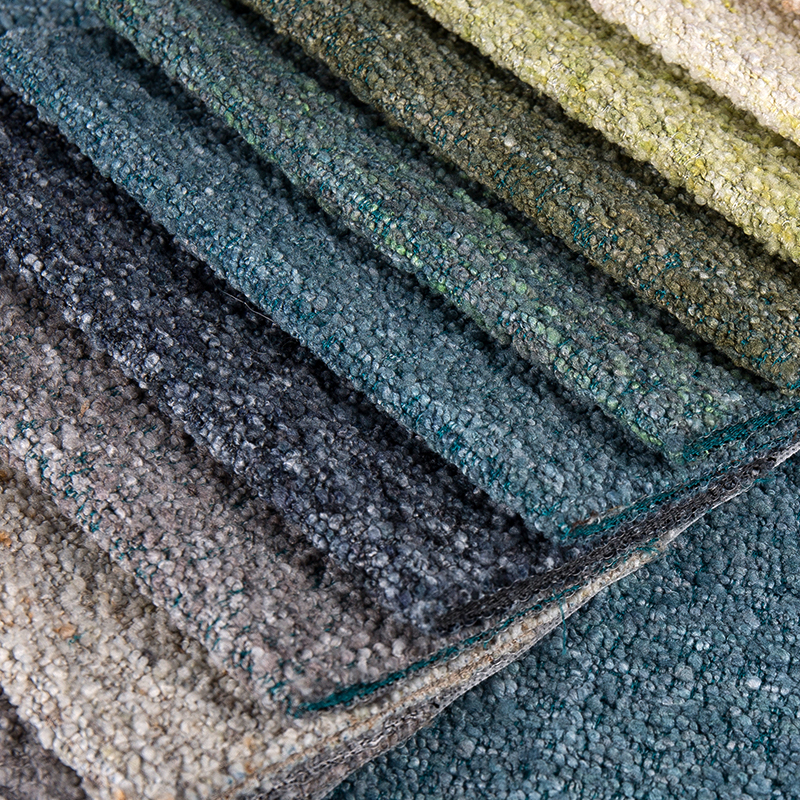
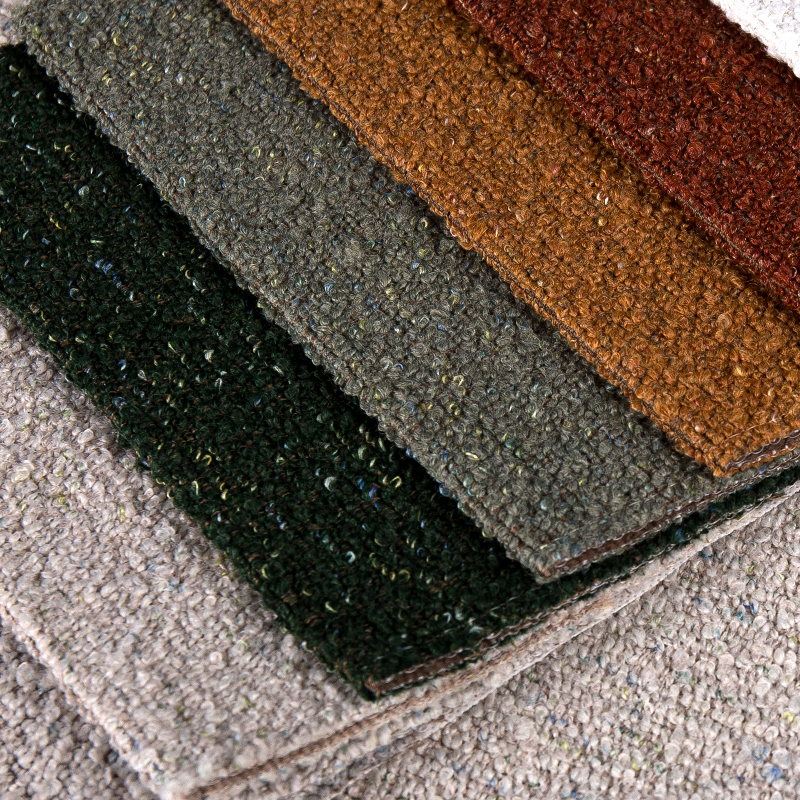
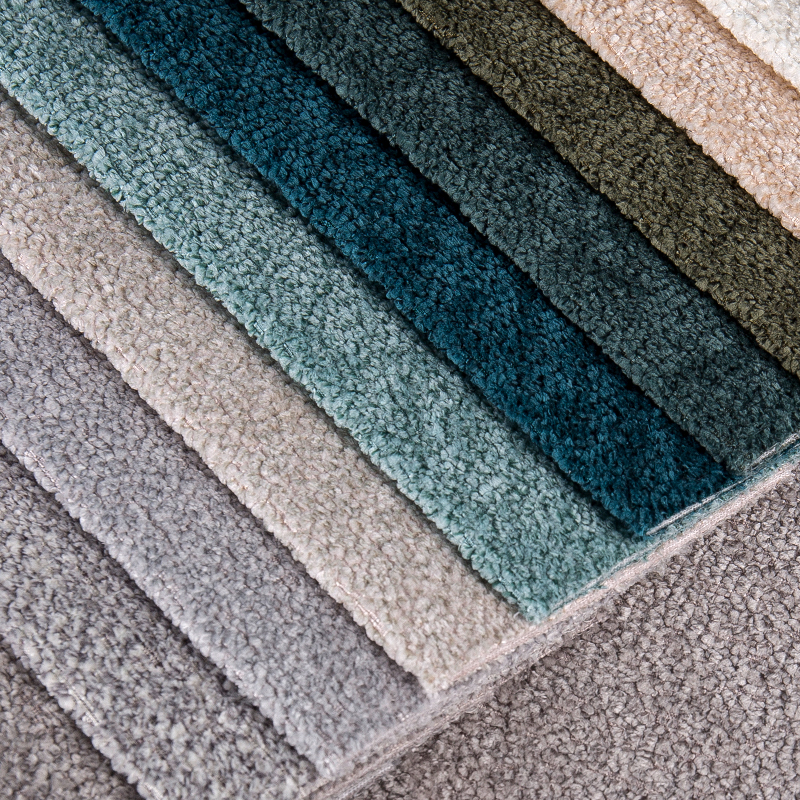
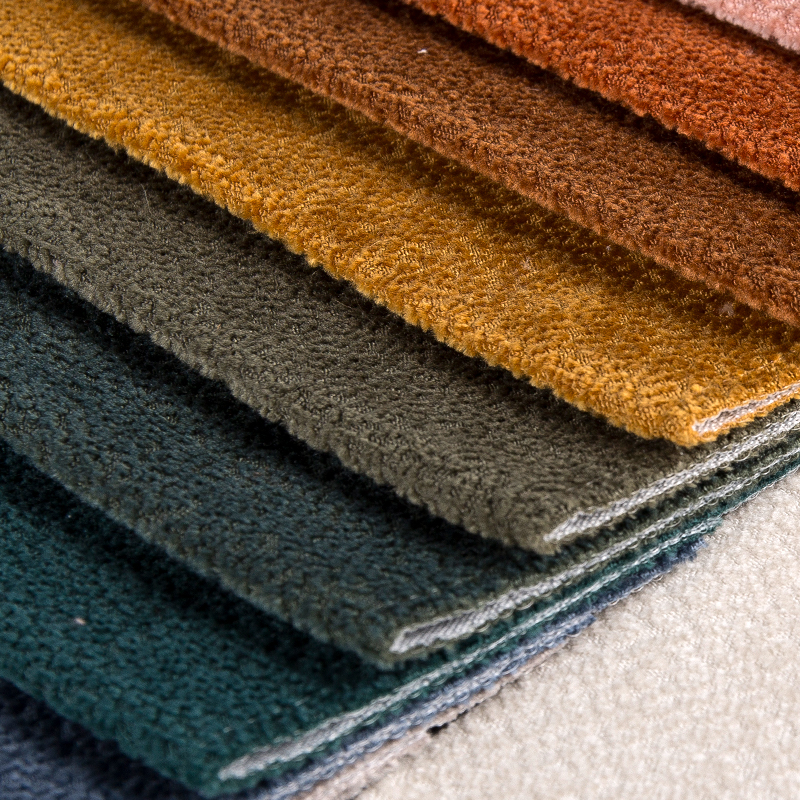
Recycled upholstery fabrics are commonly produced from materials such as recycled polyester derived from plastic bottles, reclaimed textile fibers, or industrial fabric waste. These materials are processed through sorting, cleaning, melting, or re-spinning to create yarns suitable for upholstery applications. The resulting fabrics are designed to meet strength, consistency, and appearance requirements comparable to conventional textiles.
Advances in recycling technology allow manufacturers to control fiber quality, color uniformity, and fabric texture. This makes recycled upholstery fabric suitable for large-scale projects where consistency across furniture pieces or interior zones is required.
In residential settings, upholstery fabrics must balance comfort, appearance, and durability. Recycled upholstery fabric is commonly used on sofas, chairs, headboards, and soft furnishings where frequent contact occurs. Key performance considerations include abrasion resistance, softness, and color retention under everyday use.
Commercial spaces such as offices, hotels, restaurants, and public seating areas place higher demands on upholstery materials. Recycled upholstery fabric used in these environments must withstand frequent use, cleaning, and exposure to varying conditions while maintaining its appearance.
Commercial-grade recycled fabrics are often engineered with reinforced yarn structures or protective finishes. These features support higher abrasion resistance and ease of maintenance, which are essential for high-traffic environments.
| Application | Primary Focus | Fabric Characteristics |
| Residential | Comfort and appearance | Soft hand feel, balanced durability |
| Commercial | Durability and maintenance | High abrasion resistance, easy care |
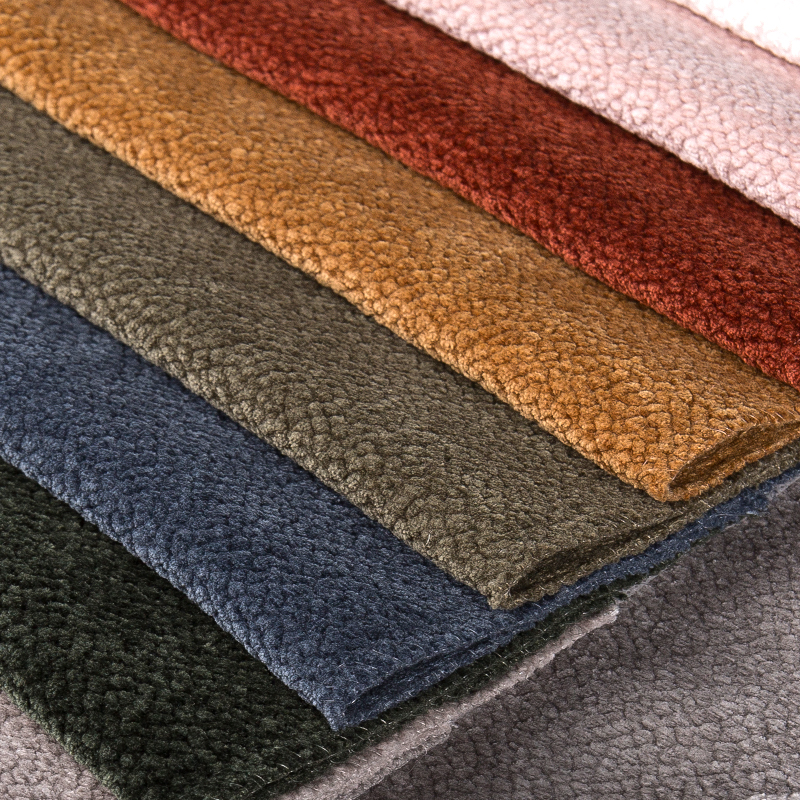
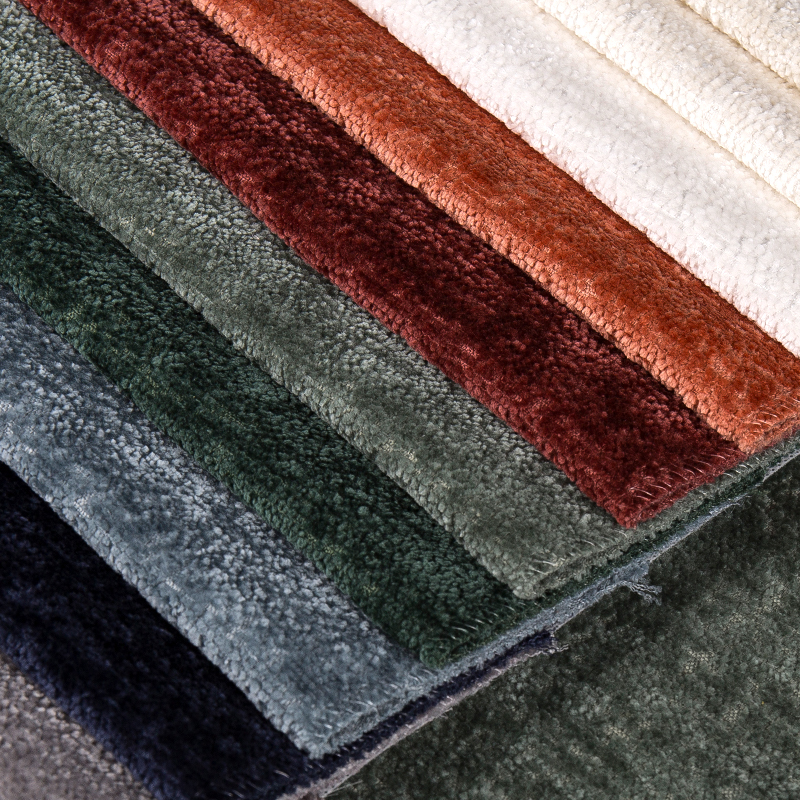
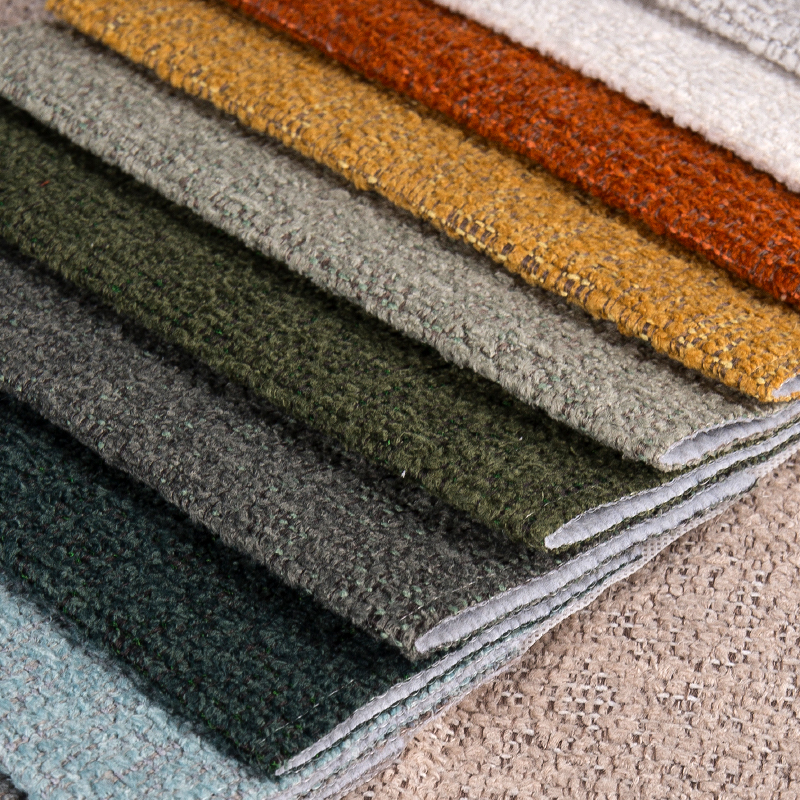
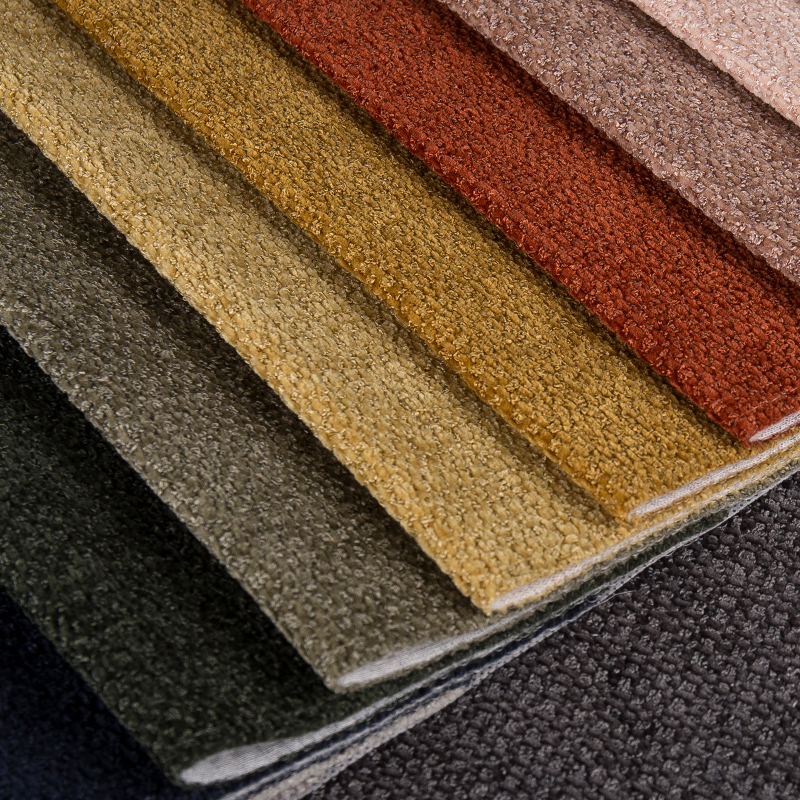
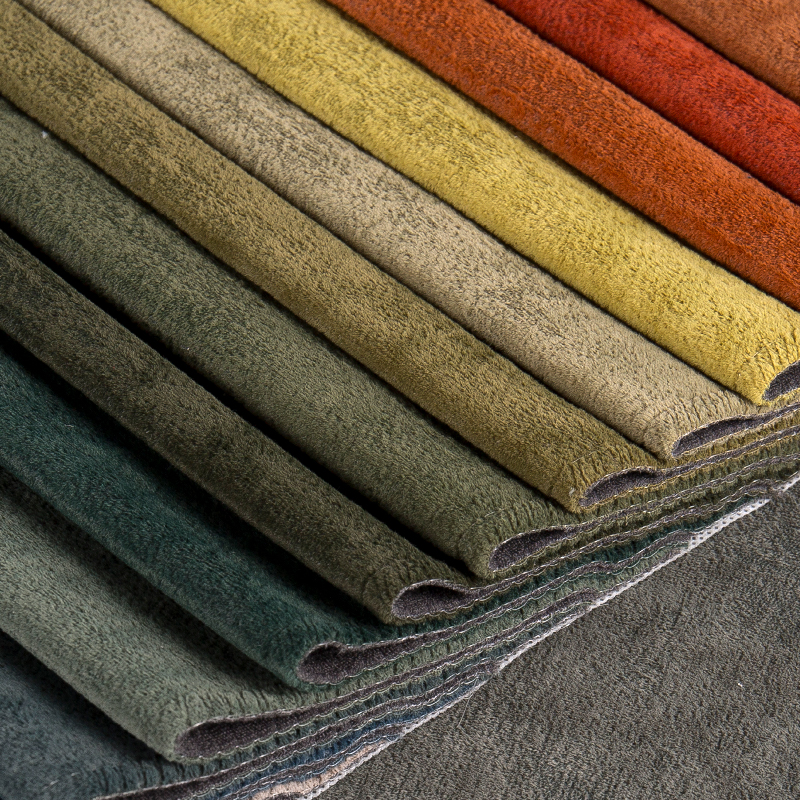
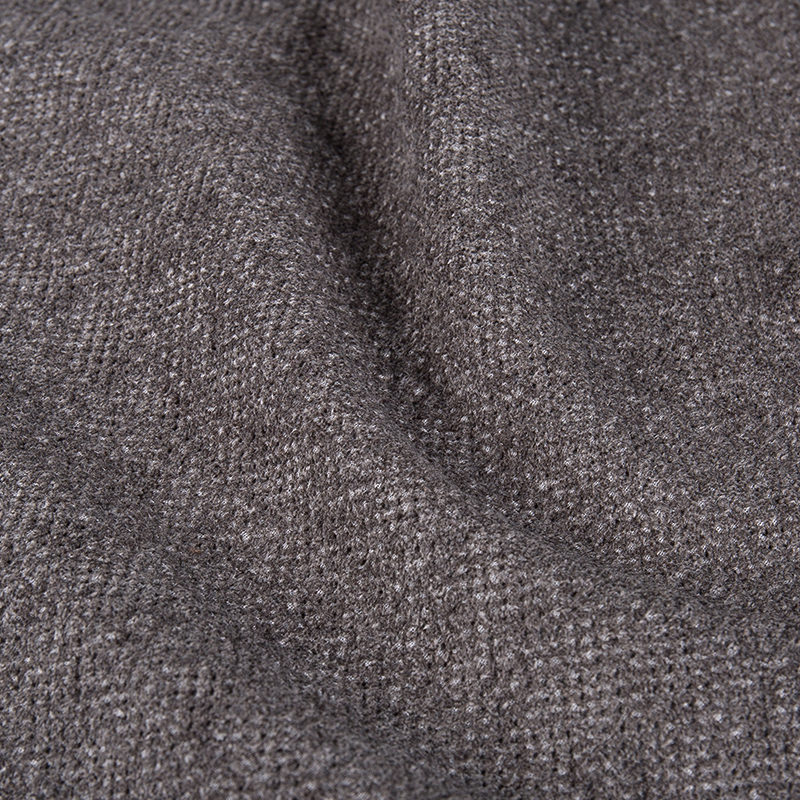
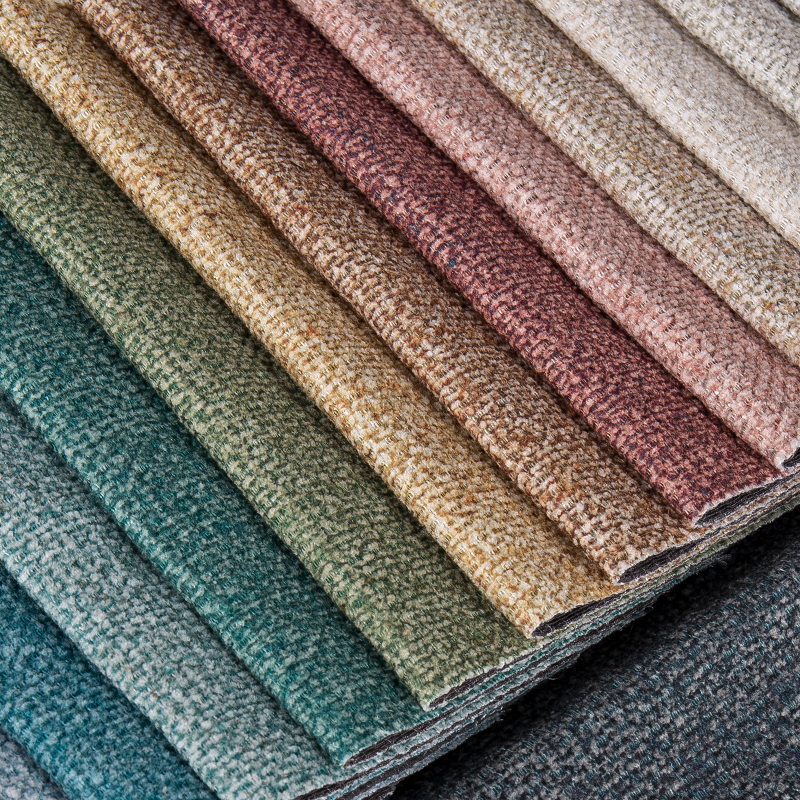
Recycled upholstery fabric is available in a wide range of colors, textures, and weave structures. This flexibility allows designers to integrate sustainable materials into various interior styles, from contemporary residential spaces to professional commercial environments. Recycled fabrics can be tailored to match specific color palettes and design concepts without compromising material performance.
Selecting recycled upholstery fabric supports reduced material waste and resource use across the supply chain. For residential projects, this aligns with sustainable living goals, while commercial projects often integrate recycled materials to meet environmental targets or project specifications. Evaluating certifications, material transparency, and supplier consistency helps ensure that sustainability claims align with project requirements.
Choosing recycled upholstery fabric for residential or commercial use requires a clear understanding of performance needs, usage intensity, and design objectives. By evaluating material source, durability characteristics, maintenance expectations, and visual qualities, recycled upholstery fabrics can be effectively applied across a wide range of interior environments while supporting long-term functional and environmental goals.
Related Products

Contact us
Address
Hangfu Road 106#, Chongfu Town, Tongxiang City, Zhejiang, China
Phone
+86-15067379939
linachen@climbingtex.com / zac@climbingtex.com
lianniu@climbingtex.com
Fax/Tel
+86-573-88385698
products
QR CODE
 Home Textile Manufacturers
Sofa Fabric Factory
Home Textile Manufacturers
Sofa Fabric Factory
 English
 Español
 عربى
عربى