Dec 05, 2025
Content
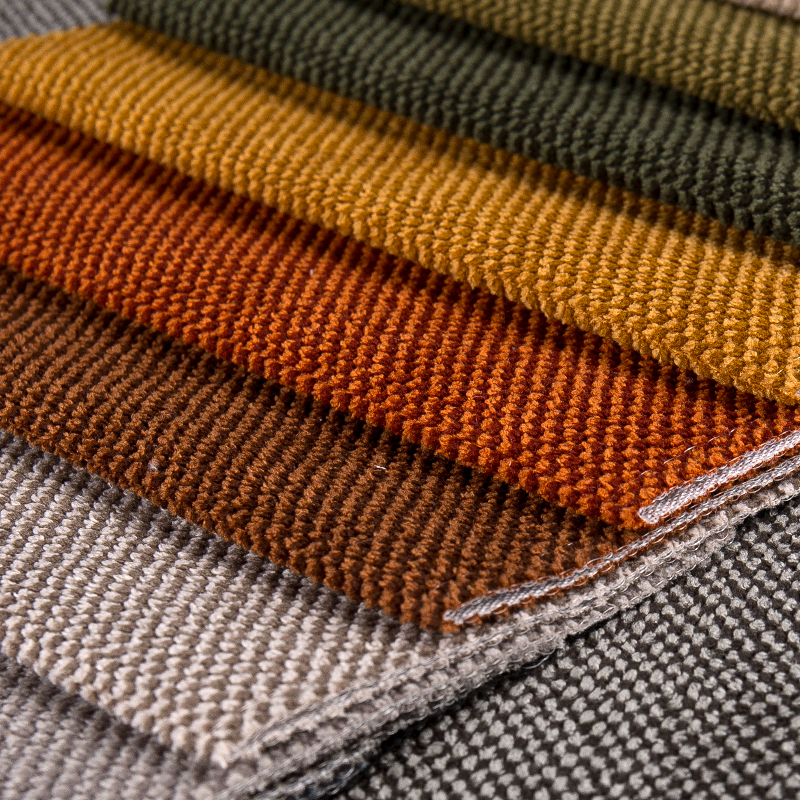
When selecting furniture, one of the most important considerations is the choice of upholstery material. Fabric and leather are the two dominant options, each offering distinct advantages and limitations. Understanding the differences in durability, comfort, maintenance, and aesthetic appeal can help homeowners and designers make informed decisions.
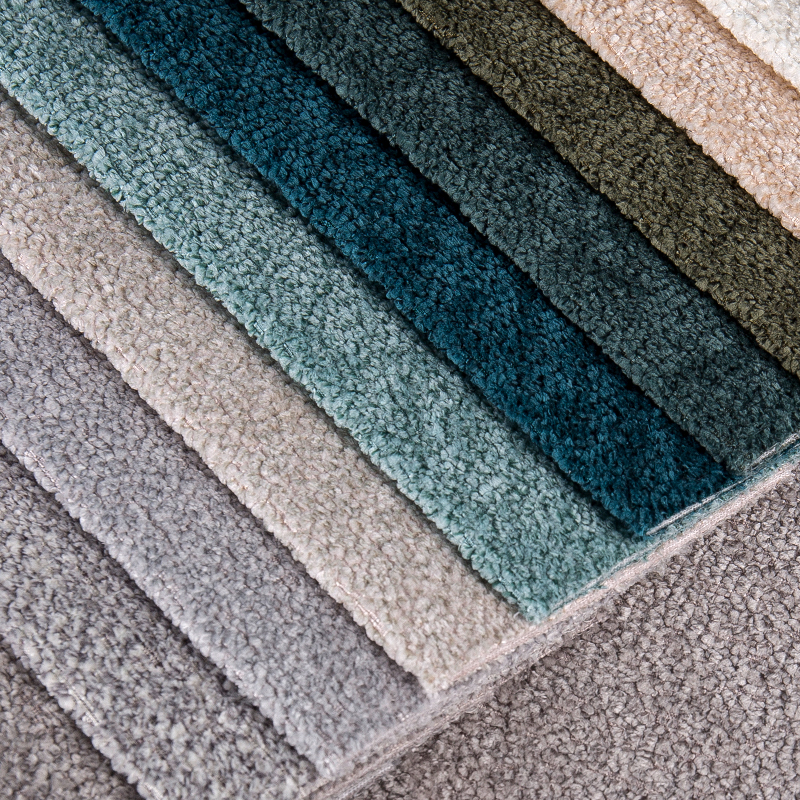
Durability is a key factor when comparing fabric and leather. Leather is renowned for its long-lasting properties. High-quality leather can withstand years of regular use, resist tearing, and even develop a desirable patina over time. Fabric, on the other hand, varies widely in durability depending on fiber type, weave, and treatment.
Synthetic fabrics like polyester or microfiber tend to be more resistant to abrasion and stains, while natural fibers such as cotton or linen may wear more quickly and require additional care. For households with pets or children, choosing a fabric with high rub count or a leather grade designed for heavy use can extend furniture life significantly.
Comfort is influenced by texture, temperature sensitivity, and flexibility. Fabric upholstery generally offers a soft, warm feel, making it comfortable for long periods of sitting. Leather, while smooth and luxurious, can feel cold in winter and may become sticky in hot, humid climates.
Fabric allows for more flexibility in cushioning and can be layered with padding to enhance softness. Leather conforms to body shape over time but requires higher-quality padding underneath to achieve equivalent comfort. Personal preference and climate should be considered when choosing between the two.
Maintenance requirements differ significantly between fabric and leather. Leather is relatively easy to wipe clean with a damp cloth and can be treated with conditioners to maintain suppleness. However, it is susceptible to scratches, stains from oily substances, and fading under prolonged sun exposure.
Fabric, depending on its fiber and finish, may require vacuuming, spot cleaning, or professional cleaning. Some fabrics come with stain-resistant treatments, which are beneficial for high-traffic areas. Understanding the maintenance demands helps prevent premature wear and preserves the appearance of the furniture.
Aesthetic appeal is a major factor in upholstery selection. Leather offers a classic, luxurious look and works well in both traditional and modern interiors. Its natural texture and ability to age gracefully add character to furniture pieces.
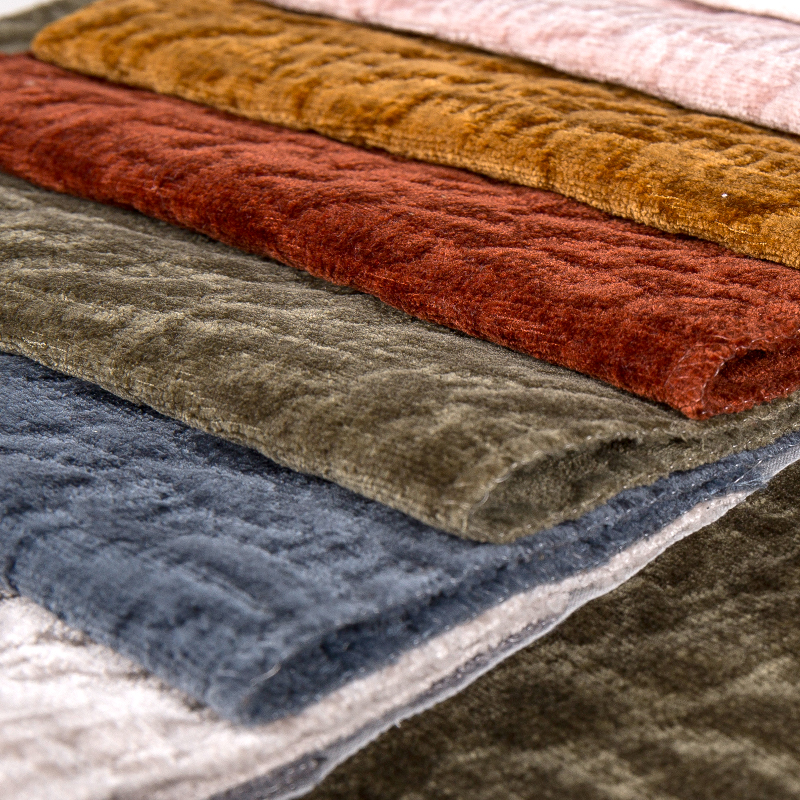
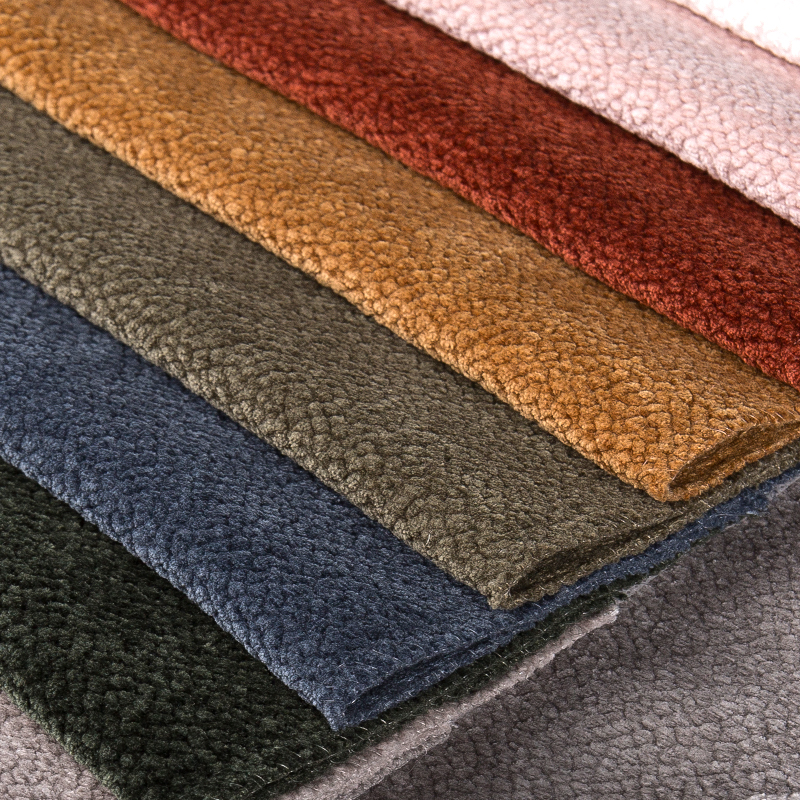
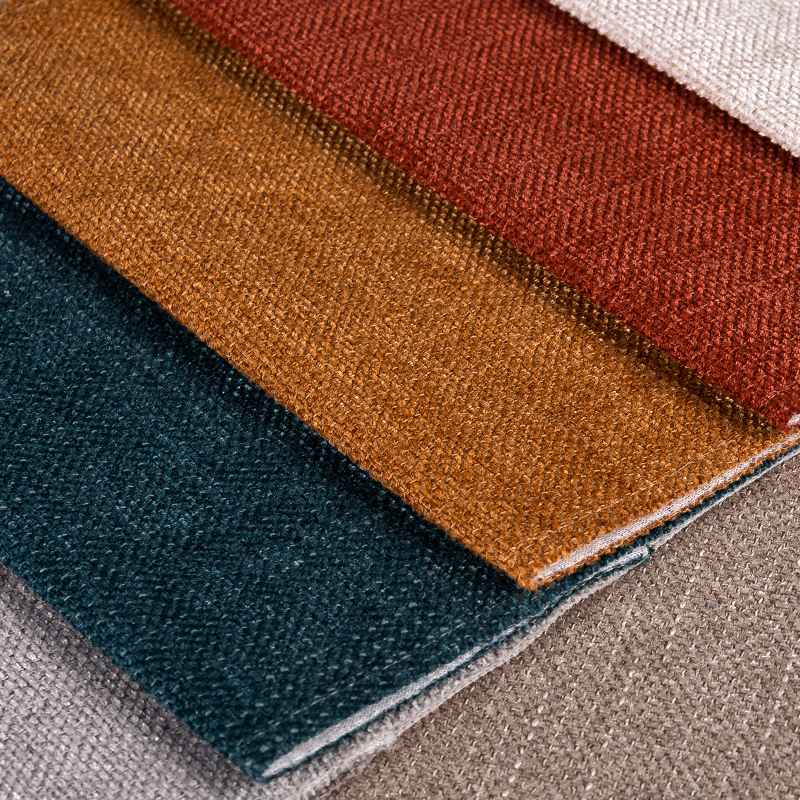
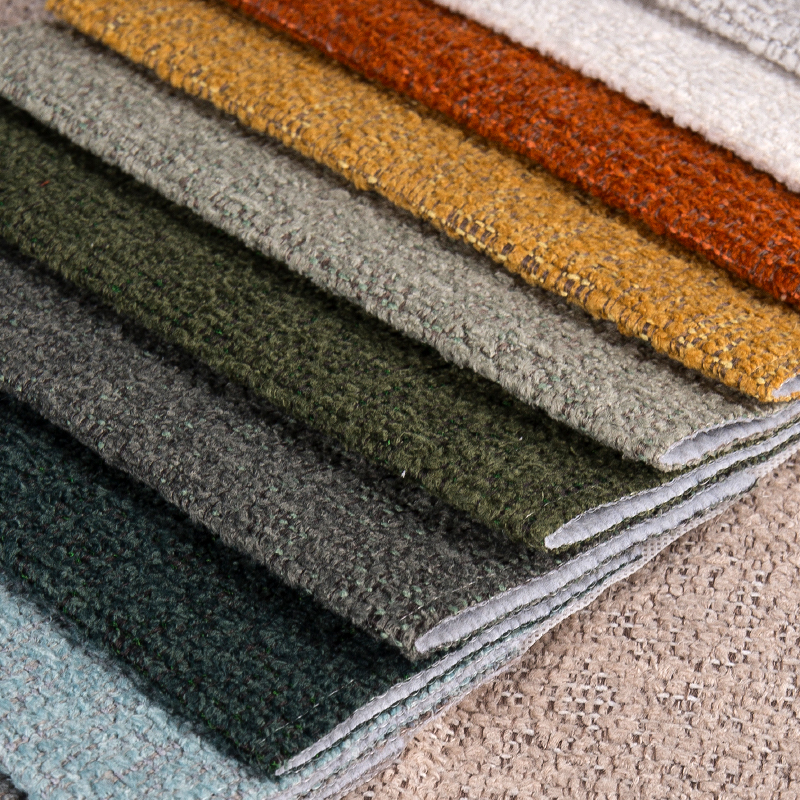
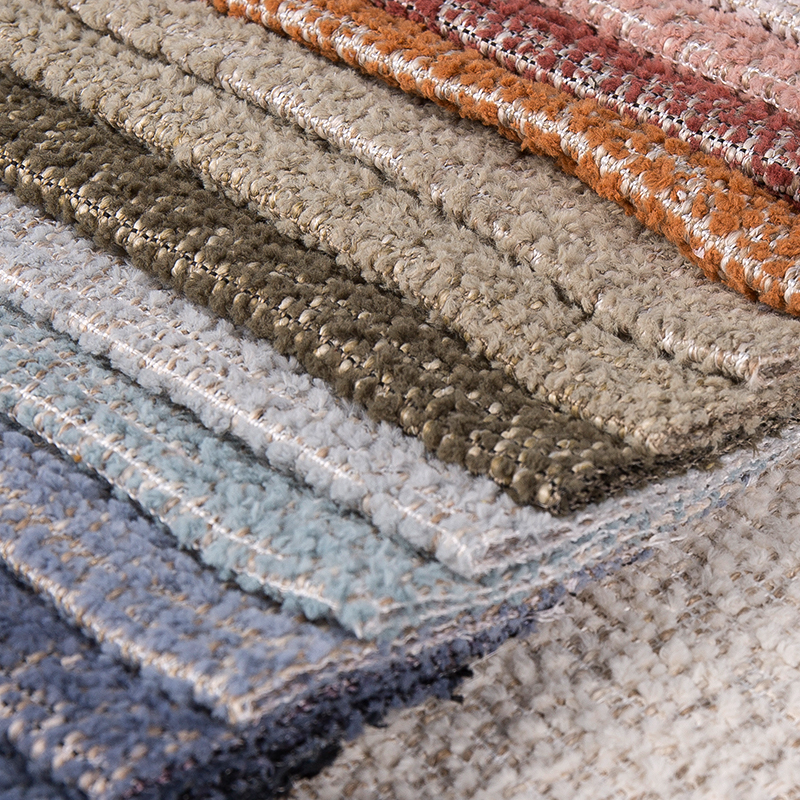
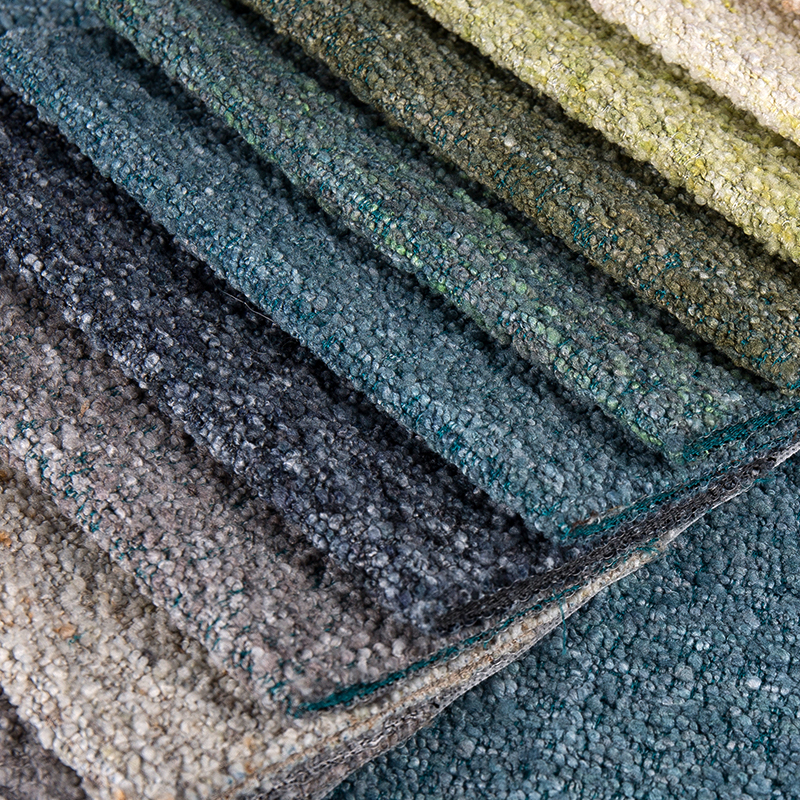
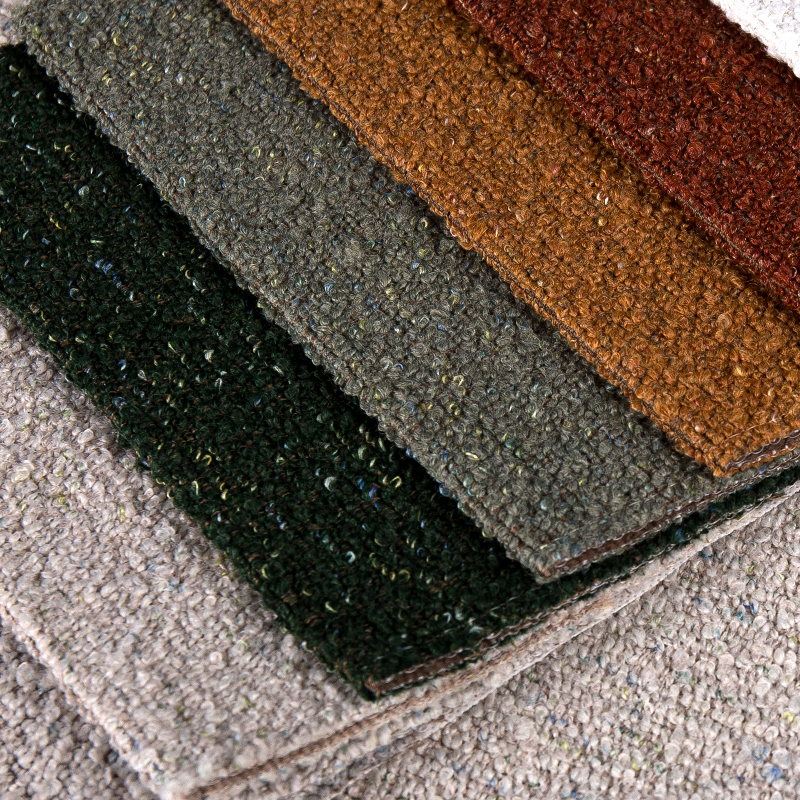
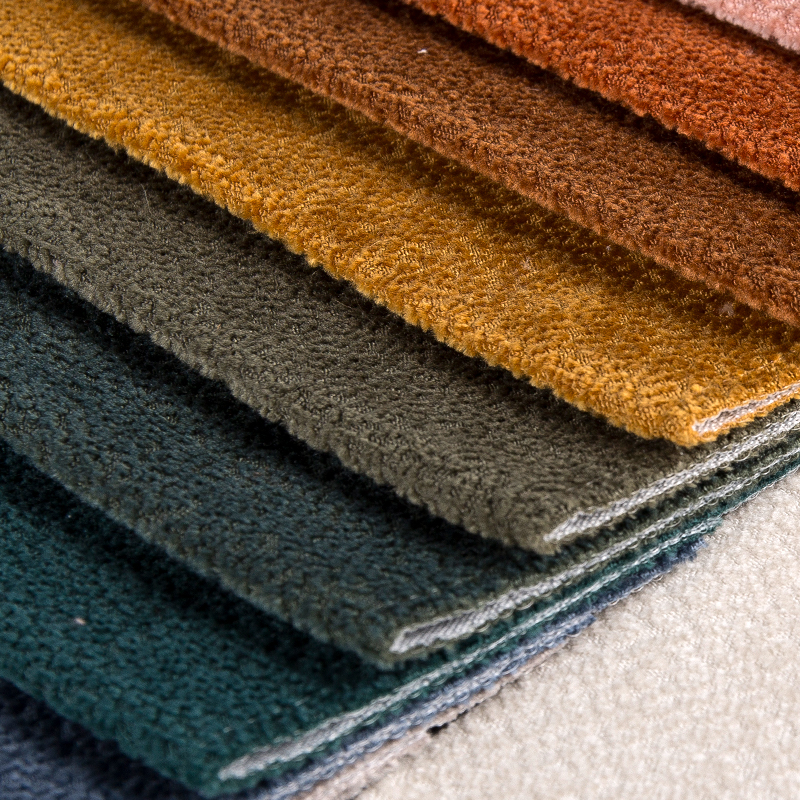
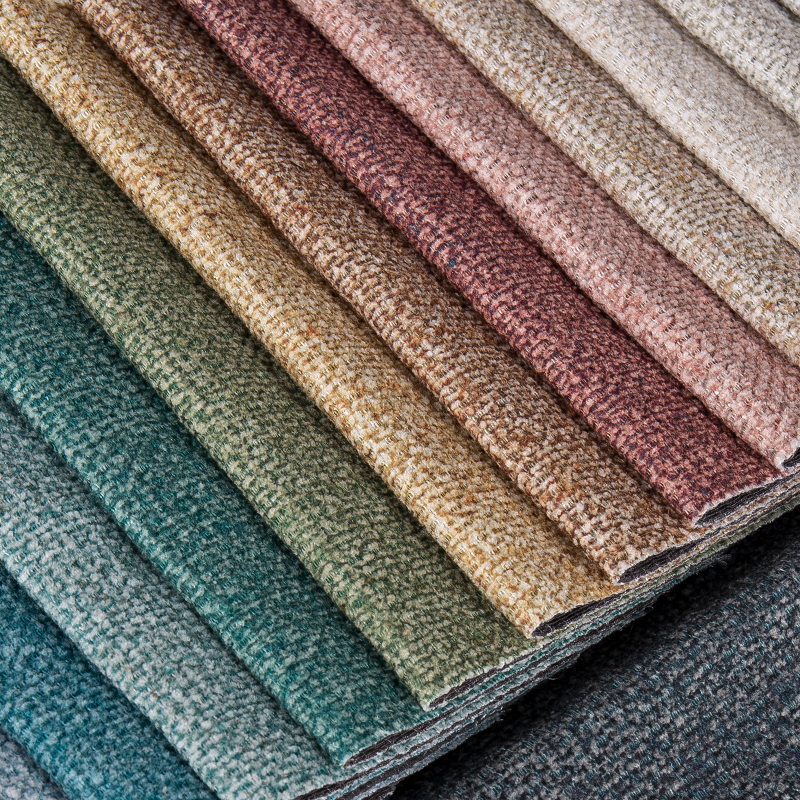
Fabric provides greater versatility in colors, patterns, and textures, allowing more personalized designs. It can be matched to existing décor, layered with cushions, or used to create bold visual statements. Ultimately, the choice between fabric and leather often depends on the desired style and interior theme.
Cost is another important consideration. High-quality leather tends to be more expensive due to material costs and processing requirements. Fabric options cover a wider price range, making them accessible for different budgets. While synthetic fabrics are affordable, premium woven fabrics or designer textiles can rival leather in price.
When evaluating cost, it is important to consider the long-term value. Leather may have a higher upfront cost but often lasts longer, potentially offsetting initial investment. Fabric may require replacement sooner, especially in high-traffic areas.
Environmental and health factors are increasingly influencing upholstery choices. Leather production has a higher environmental footprint due to livestock farming and tanning processes, although sustainably sourced leather and vegetable-tanned options are available.
Fabric choices, especially natural fibers or recycled textiles, can reduce environmental impact. Additionally, some fabrics are hypoallergenic, breathable, and less prone to trapping dust, making them suitable for households with allergy concerns.
The following table provides a concise comparison of fabric and leather across key criteria to help readers make informed decisions:
| Feature | Fabric | Leather |
| Durability | Varies by fiber; high-quality fabrics are durable but may wear faster than leather | Highly durable, ages well with proper care |
| Comfort | Soft and warm; adaptable with cushioning | Smooth and firm; temperature-sensitive |
| Maintenance | Vacuuming, spot cleaning, professional treatment for some fibers | Wipe clean; conditioning recommended; avoid scratches and sun damage |
| Aesthetic Options | Wide variety of colors, patterns, textures | Classic, luxurious look; develops patina over time |
| Cost | Wide range; generally more affordable | Higher upfront cost; long-term value due to durability |
| Environmental Impact | Natural or recycled fabrics can be eco-friendly; some synthetics less sustainable | Higher footprint; sustainable options available |
Choosing between fabric and leather depends on lifestyle, budget, aesthetics, and maintenance preferences. Fabric offers comfort, variety, and customization, while leather provides durability, a luxurious feel, and timeless appeal. By considering factors such as usage frequency, household composition, and environmental conditions, buyers can select the upholstery material that best fits their needs and ensures long-lasting satisfaction.
Related Products

Contact us
Address
Hangfu Road 106#, Chongfu Town, Tongxiang City, Zhejiang, China
Phone
+86-15067379939
linachen@climbingtex.com / zac@climbingtex.com
lianniu@climbingtex.com
Fax/Tel
+86-573-88385698
products
QR CODE
 Home Textile Manufacturers
Sofa Fabric Factory
Home Textile Manufacturers
Sofa Fabric Factory
 English
 Español
 عربى
عربى