Jul 08, 2026
Content
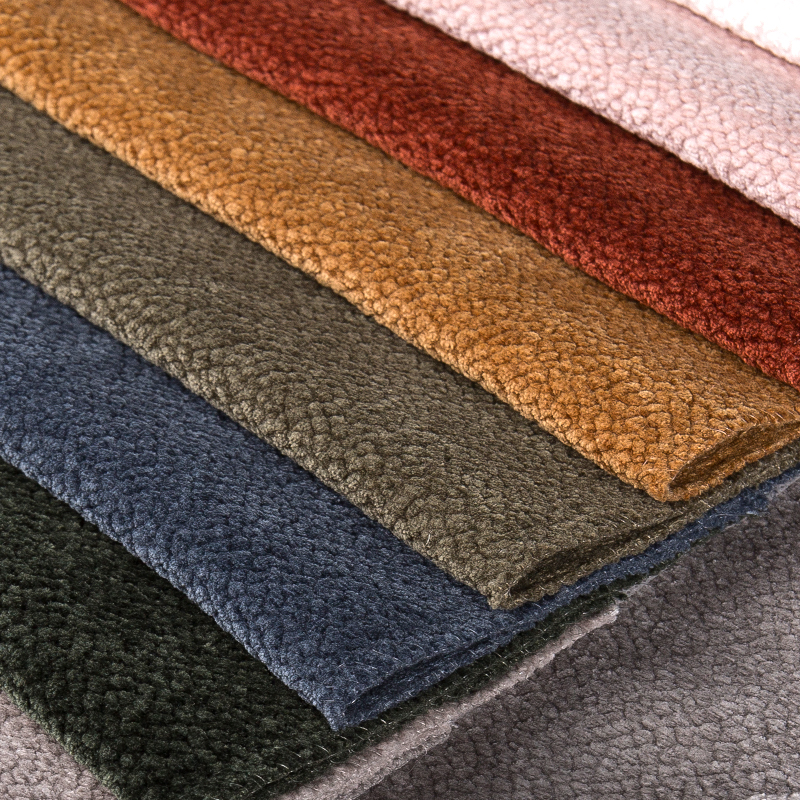
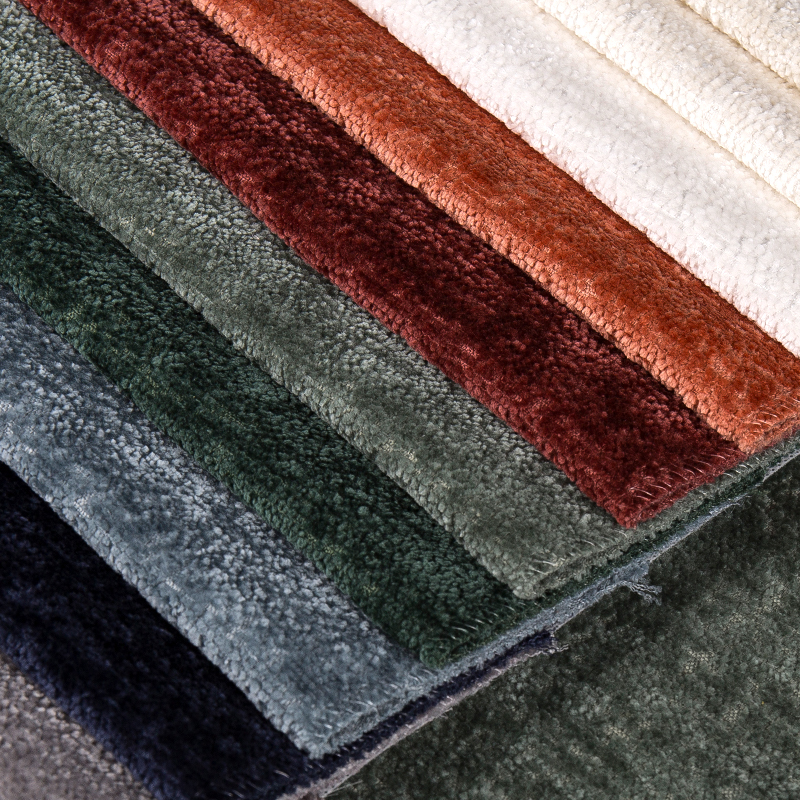
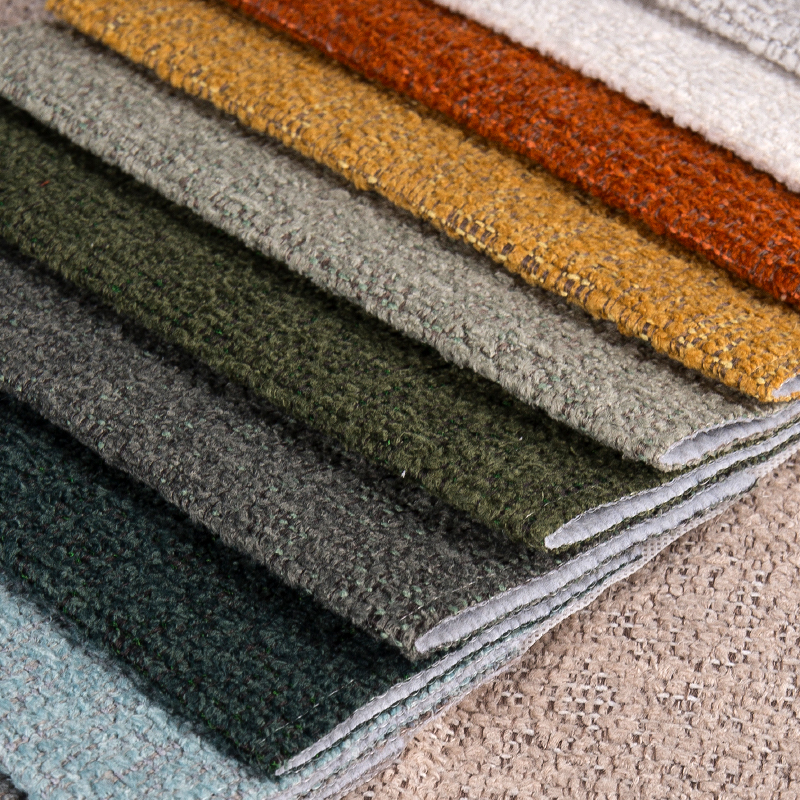
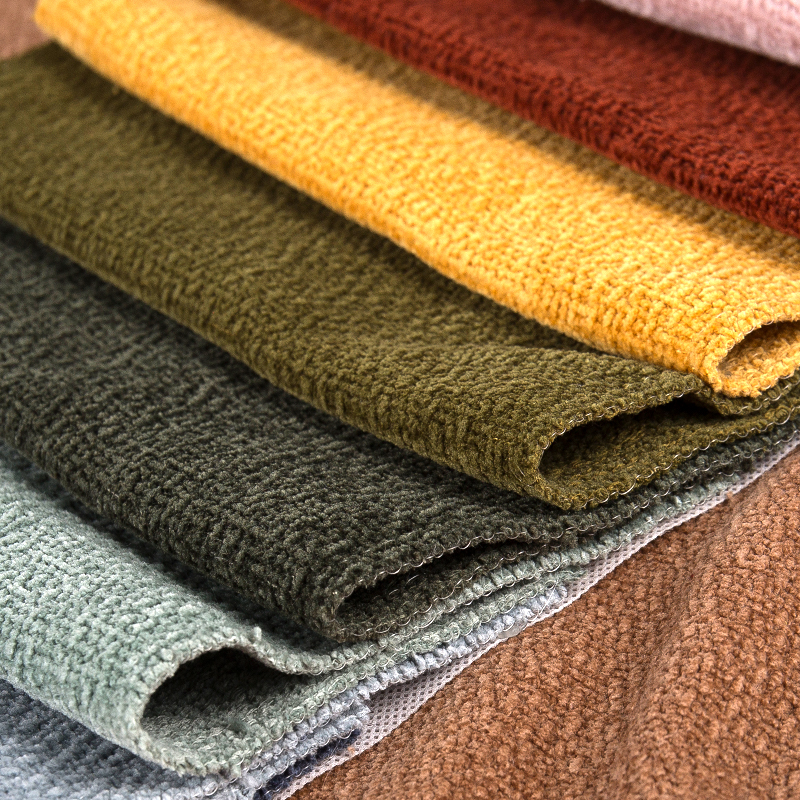
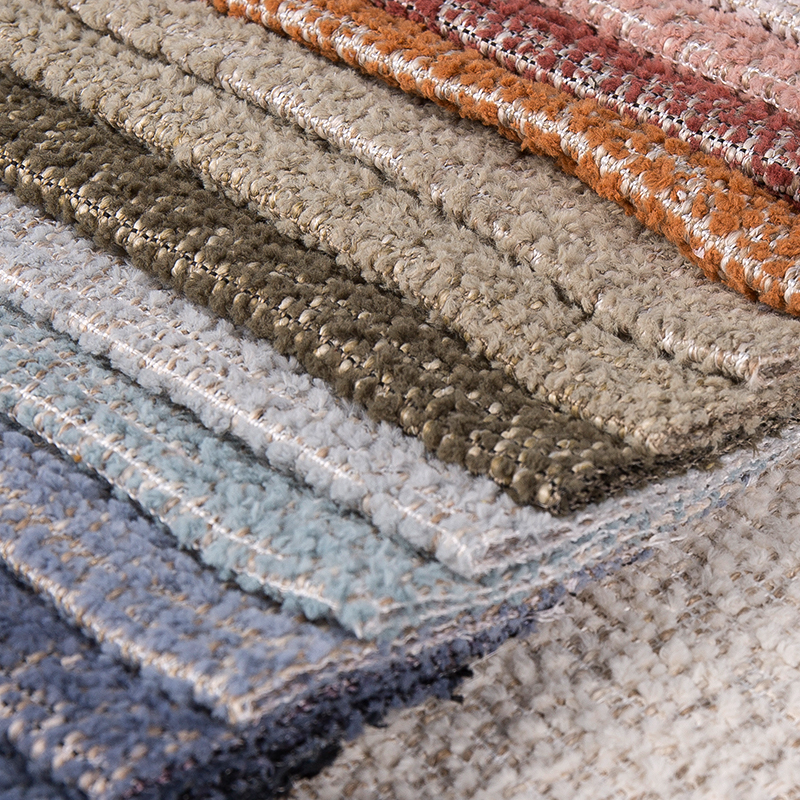
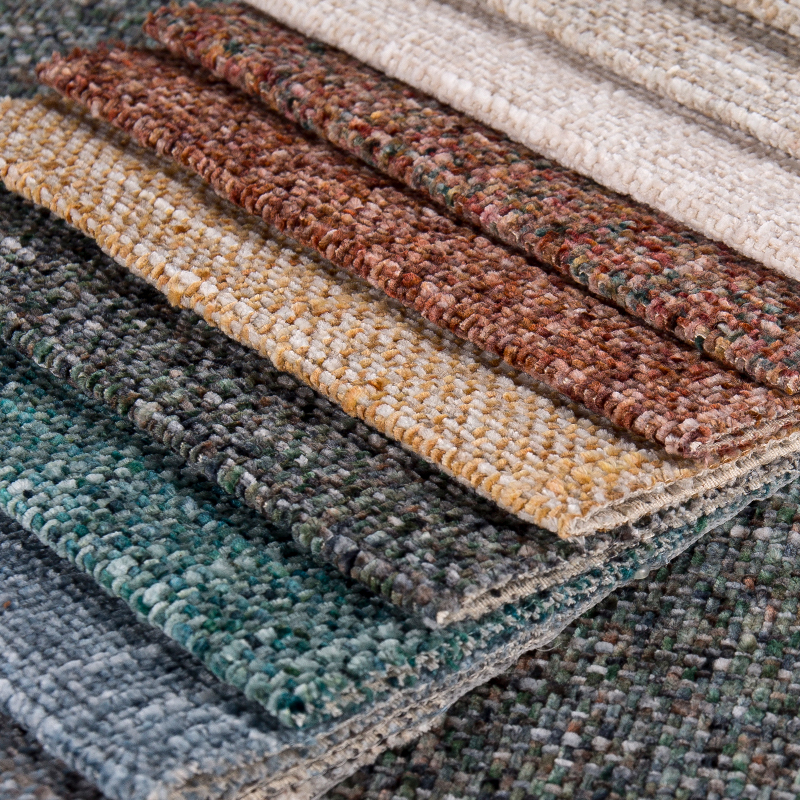
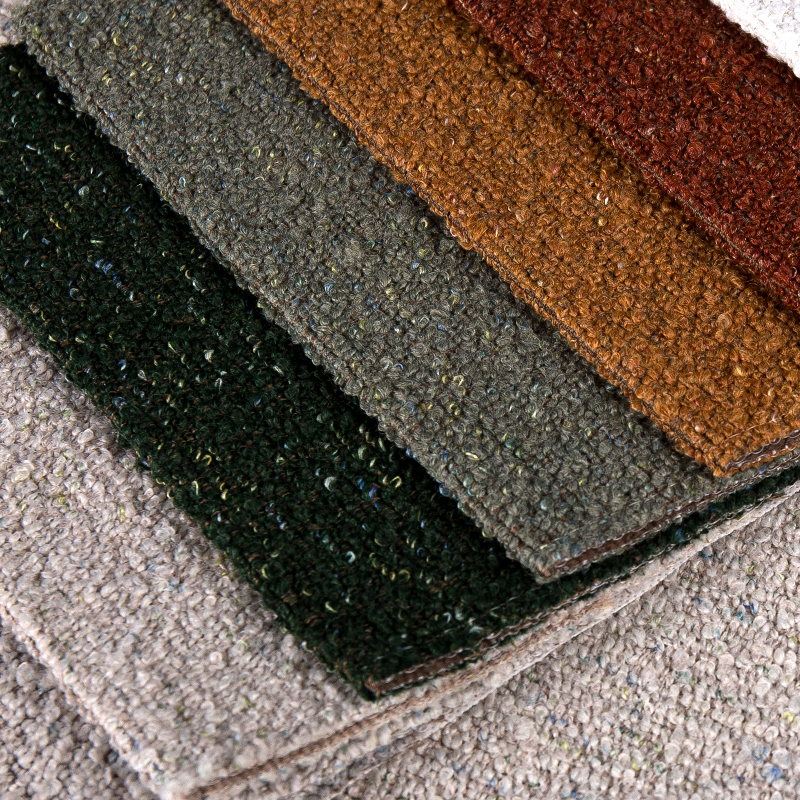
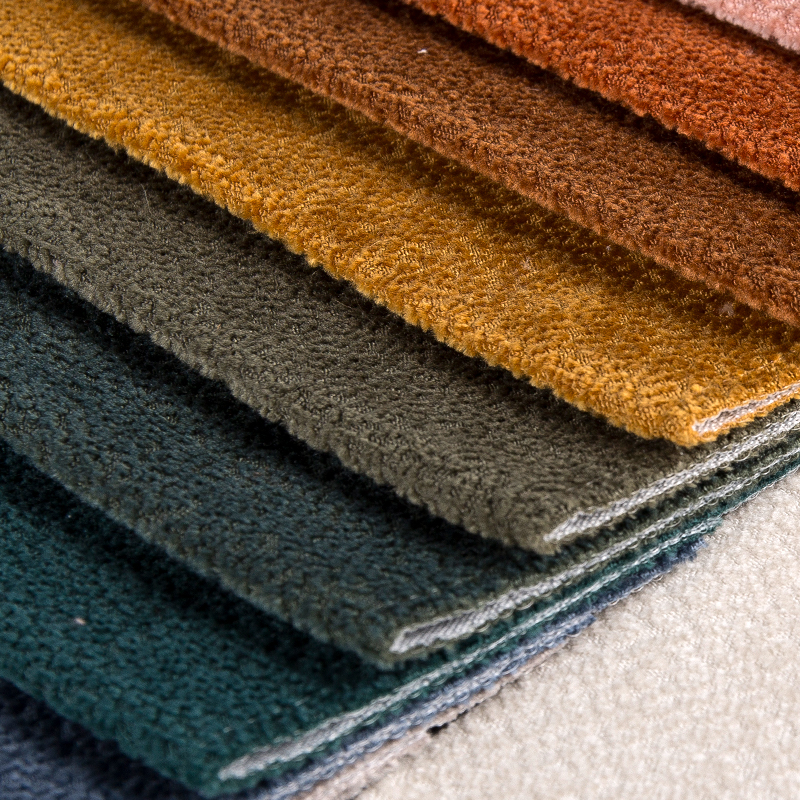
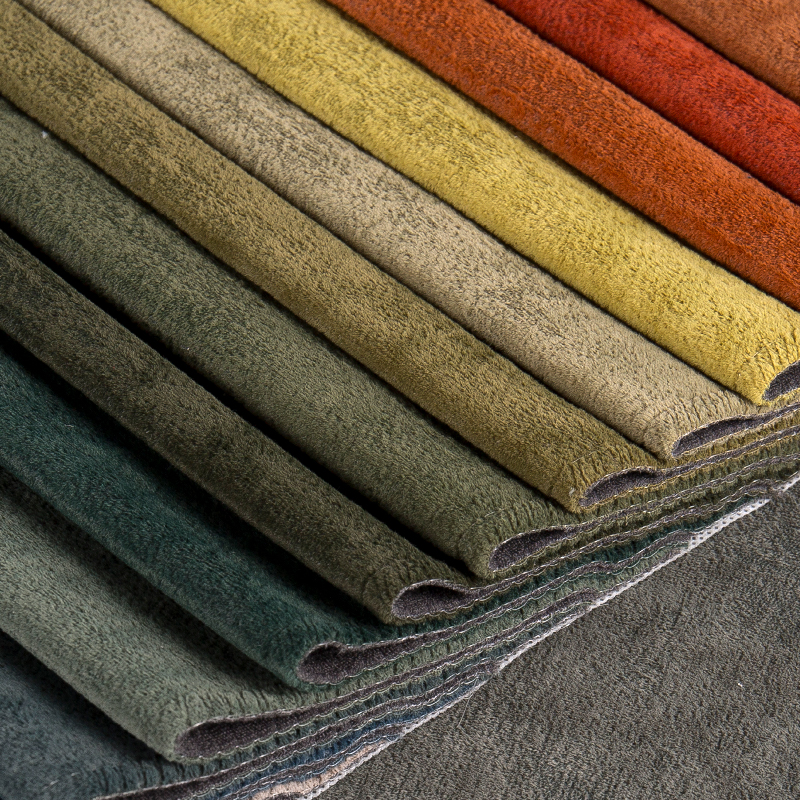
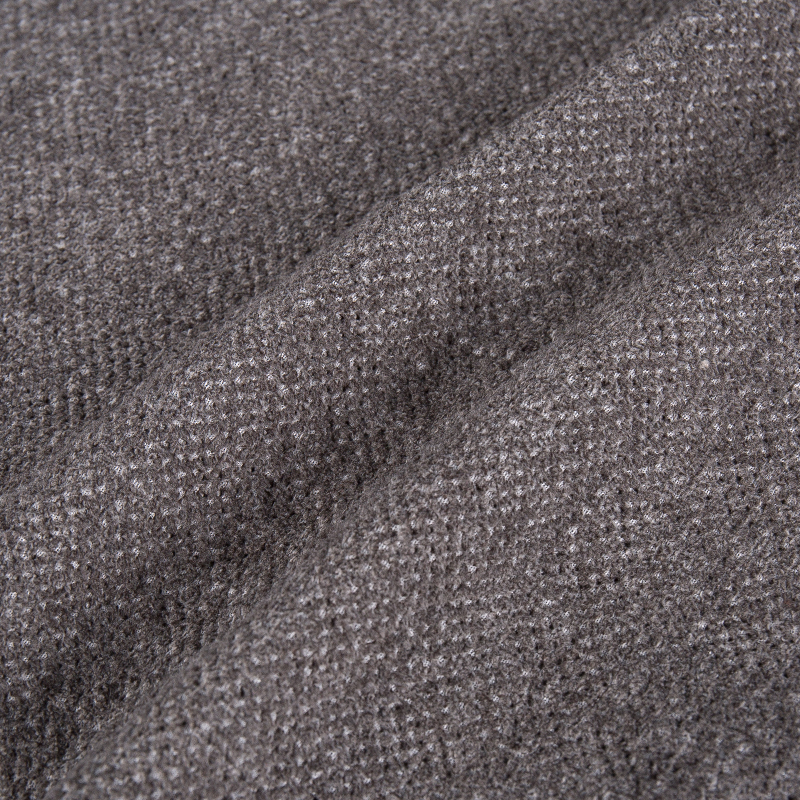
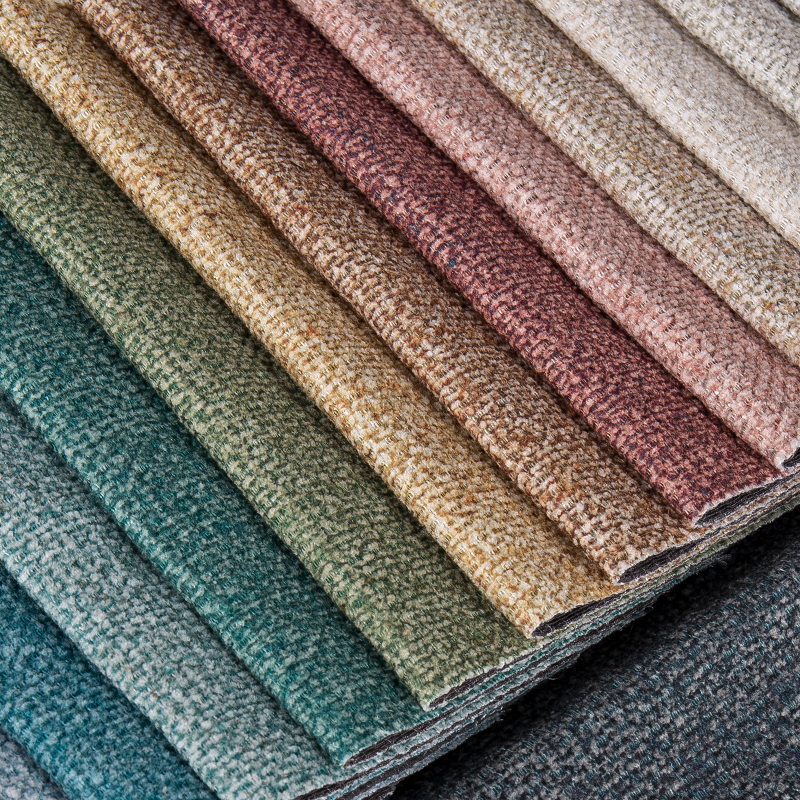
Solid color grain embossing sofa fabric represents the optimal balance between aesthetic minimalism and functional durability for modern living spaces. This material combines the visual calm of uniform hues with the tactile resilience of textured surfaces, making it ideal for high-traffic households. Unlike flat weaves that show every fingerprint or complex patterns that clash with changing decor, grain-embossed solids offer a timeless foundation that withstands daily wear while maintaining a sophisticated appearance.
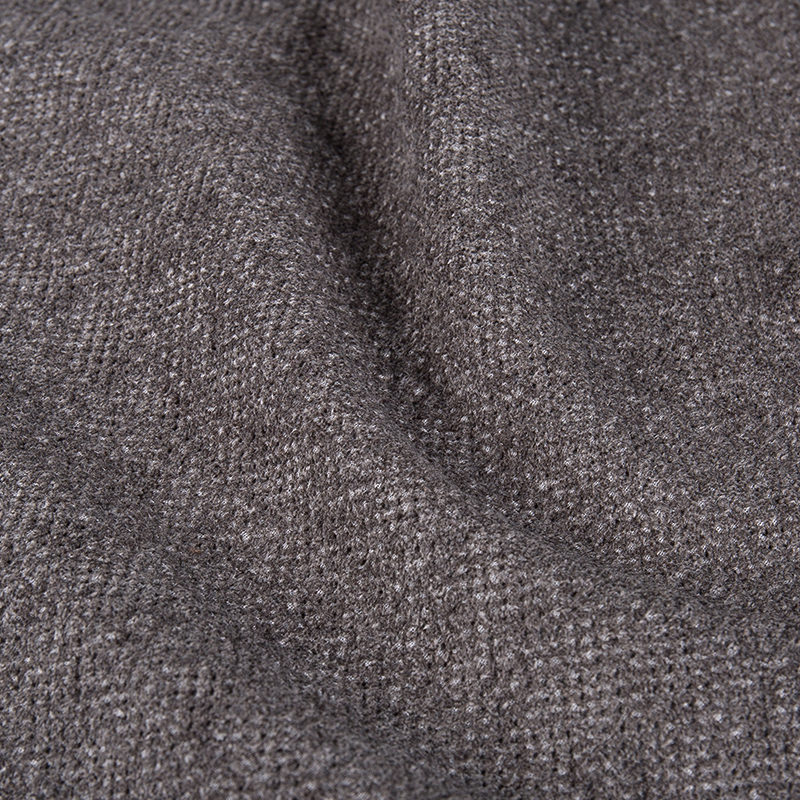
The embossing process involves pressing a heated metal roller with a specific grain pattern onto the fabric surface, creating a permanent three-dimensional texture. This technique is most commonly applied to synthetic blends, particularly polyester and microfiber, resulting in a material that resists staining, fading, and abrasion far better than natural fibers. For homeowners seeking a low-maintenance yet stylish seating solution, this fabric type provides a compelling alternative to traditional leather or delicate linens.
To appreciate the performance of grain-embossed fabrics, it is essential to understand how they are manufactured. The process transforms standard woven or knitted bases into premium-looking upholstery through heat and pressure.
The foundation of any embossed fabric is its base material. Polyester microfiber is the industry standard for grain embossing due to its thermoplastic properties, which allow it to hold impressed patterns permanently. Other common bases include:
During manufacturing, the base fabric passes through calendering machines where engraved rollers apply heat (typically between 300°F and 400°F) and pressure. This process melts the surface fibers slightly, forcing them into the mold’s grain pattern. Common patterns include:
| Material | Pattern Retention | Softness | Stain Resistance |
|---|---|---|---|
| Polyester Microfiber | Excellent | High | Very High |
| Poly-Cotton Blend | Good | Medium | Moderate |
| Vinyl/PU Coated | Superior | Low | Maximum |
When evaluating solid color grain embossing sofa fabric, objective performance data is crucial. This material class consistently outperforms many natural fabrics in standardized testing protocols used by furniture manufacturers.
The Wyzenbeek test measures how many times a fabric can be rubbed before showing signs of wear. High-quality grain-embossed polyester fabrics typically achieve ratings between 50,000 and 100,000 double rubs, classifying them as "heavy-duty" or "commercial grade." In contrast, standard cotton canvases often rate between 15,000 and 25,000 double rubs. This disparity means embossed fabrics can last three to four times longer in active family rooms.
Pilling occurs when loose fibers tangle into small balls on the fabric surface. The embossing process bonds surface fibers tightly, significantly reducing pilling potential. Most grain-embossed fabrics receive a Class 4 or 5 rating on the Martindale scale, indicating little to no pilling after extensive use.
Regarding colorfastness, synthetic bases used in embossing are solution-dyed, meaning pigment is added to the polymer before extrusion. This results in UV resistance ratings of 40+ hours without significant fading, making these fabrics suitable for sunrooms or spaces with large windows, unlike natural fibers that bleach quickly under direct sunlight.
| Metric | Grain Embossed Polyester | Cotton Canvas | Linen |
|---|---|---|---|
| Abrasion (Double Rubs) | 50,000 - 100,000+ | 15,000 - 25,000 | 10,000 - 20,000 |
| Pilling Resistance | Class 4-5 (Excellent) | Class 3 (Fair) | Class 2-3 (Poor-Fair) |
| UV Stability | High (Solution Dyed) | Low (Requires Treatment) | Very Low |
| Water Repellency | Inherent | None (Absorbs) | None (Absorbs) |
One of the primary advantages of solid color grain embossing sofa fabric is its ease of care. The textured surface helps hide minor dirt and debris, while the synthetic composition allows for aggressive cleaning methods that would damage natural fibers.
Weekly maintenance should involve vacuuming with a brush attachment to remove dust and pet hair from the grain crevices. Unlike velvet or chenille, grain-embossed fabrics do not require directional vacuuming, as the texture is uniform and non-directional. This saves time and reduces the risk of visible vacuum tracks.
For spills, immediate action is key, but the margin for error is wider than with other fabrics:
Most grain-embossed fabrics are safe for steam cleaning, but it is essential to check the manufacturer’s tag for codes. Code 'W' indicates water-based cleaning is safe, while 'S' requires solvent-only cleaning. Many modern embossed microfibers are code 'W-S', meaning they can handle both. However, avoid saturating the fabric excessively during deep cleaning, as trapped moisture beneath the dense synthetic layer can lead to mildew growth in the cushion core.
Solid color grain embossing sofa fabric offers unique design flexibility. The absence of printed patterns allows it to serve as a neutral anchor in complex interior schemes, while the texture adds visual interest that flat solids lack.
Because the fabric is solid-colored, the choice of hue significantly impacts the room’s atmosphere. The embossed texture interacts with light differently than flat fabrics, creating subtle shadows that deepen the perceived color.
Solid color grain embossing sofa fabric represents the optimal balance between aesthetic minimalism and functional durability for modern living spaces. This material combines the visual calm of uniform hues with the tactile resilience of textured surfaces, making it ideal for high-traffic households. Unlike flat weaves that show every fingerprint or complex patterns that clash with changing decor, grain-embossed solids offer a timeless foundation that withstands daily wear while maintaining a sophisticated appearance.
The embossing process involves pressing a heated metal roller with a specific grain pattern onto the fabric surface, creating a permanent three-dimensional texture. This technique is most commonly applied to synthetic blends, particularly polyester and microfiber, resulting in a material that resists staining, fading, and abrasion far better than natural fibers. For homeowners seeking a low-maintenance yet stylish seating solution, this fabric type provides a compelling alternative to traditional leather or delicate linens.
To appreciate the performance of grain-embossed fabrics, it is essential to understand how they are manufactured. The process transforms standard woven or knitted bases into premium-looking upholstery through heat and pressure.
The foundation of any embossed fabric is its base material. Polyester microfiber is the industry standard for grain embossing due to its thermoplastic properties, which allow it to hold impressed patterns permanently. Other common bases include:
During manufacturing, the base fabric passes through calendering machines where engraved rollers apply heat (typically between 300°F and 400°F) and pressure. This process melts the surface fibers slightly, forcing them into the mold’s grain pattern. Common patterns include:
| Material | Pattern Retention | Softness | Stain Resistance |
|---|---|---|---|
| Polyester Microfiber | Excellent | High | Very High |
| Poly-Cotton Blend | Good | Medium | Moderate |
| Vinyl/PU Coated | Superior | Low | Maximum |
When evaluating solid color grain embossing sofa fabric, objective performance data is crucial. This material class consistently outperforms many natural fabrics in standardized testing protocols used by furniture manufacturers.
The Wyzenbeek test measures how many times a fabric can be rubbed before showing signs of wear. High-quality grain-embossed polyester fabrics typically achieve ratings between 50,000 and 100,000 double rubs, classifying them as "heavy-duty" or "commercial grade." In contrast, standard cotton canvases often rate between 15,000 and 25,000 double rubs. This disparity means embossed fabrics can last three to four times longer in active family rooms.
Pilling occurs when loose fibers tangle into small balls on the fabric surface. The embossing process bonds surface fibers tightly, significantly reducing pilling potential. Most grain-embossed fabrics receive a Class 4 or 5 rating on the Martindale scale, indicating little to no pilling after extensive use.
Regarding colorfastness, synthetic bases used in embossing are solution-dyed, meaning pigment is added to the polymer before extrusion. This results in UV resistance ratings of 40+ hours without significant fading, making these fabrics suitable for sunrooms or spaces with large windows, unlike natural fibers that bleach quickly under direct sunlight.
| Metric | Grain Embossed Polyester | Cotton Canvas | Linen |
|---|---|---|---|
| Abrasion (Double Rubs) | 50,000 - 100,000+ | 15,000 - 25,000 | 10,000 - 20,000 |
| Pilling Resistance | Class 4-5 (Excellent) | Class 3 (Fair) | Class 2-3 (Poor-Fair) |
| UV Stability | High (Solution Dyed) | Low (Requires Treatment) | Very Low |
| Water Repellency | Inherent | None (Absorbs) | None (Absorbs) |
One of the primary advantages of solid color grain embossing sofa fabric is its ease of care. The textured surface helps hide minor dirt and debris, while the synthetic composition allows for aggressive cleaning methods that would damage natural fibers.
Weekly maintenance should involve vacuuming with a brush attachment to remove dust and pet hair from the grain crevices. Unlike velvet or chenille, grain-embossed fabrics do not require directional vacuuming, as the texture is uniform and non-directional. This saves time and reduces the risk of visible vacuum tracks.
For spills, immediate action is key, but the margin for error is wider than with other fabrics:
Most grain-embossed fabrics are safe for steam cleaning, but it is essential to check the manufacturer’s tag for codes. Code 'W' indicates water-based cleaning is safe, while 'S' requires solvent-only cleaning. Many modern embossed microfibers are code 'W-S', meaning they can handle both. However, avoid saturating the fabric excessively during deep cleaning, as trapped moisture beneath the dense synthetic layer can lead to mildew growth in the cushion core.
Solid color grain embossing sofa fabric offers unique design flexibility. The absence of printed patterns allows it to serve as a neutral anchor in complex interior schemes, while the texture adds visual interest that flat solids lack.
Because the fabric is solid-colored, the choice of hue significantly impacts the room’s atmosphere. The embossed texture interacts with light differently than flat fabrics, creating subtle shadows that deepen the perceived color.
To avoid a monotonous look, pair grain-embossed sofas with contrasting textures. The uniform pebbled or lined surface of the sofa complements:
| Room Style | Recommended Color | Complementary Texture | Accent Material |
|---|---|---|---|
| Modern Minimalist | Charcoal or White | Smooth Leather | Chrome/Glass |
| Farmhouse Rustic | Beige or Light Gray | Linen/Cotton | Reclaimed Wood |
| Industrial Loft | Brown or Black | Metal/Mesh | Iron/Concrete |
Investing in solid color grain embossing sofa fabric involves weighing initial costs against long-term durability and maintenance savings. While not the cheapest option available, it offers superior value over time compared to both low-end naturals and high-end leathers.
Grain-embossed fabrics typically fall in the mid-price range for upholstery materials. Wholesale costs range from $8 to $15 per yard, depending on weight and complexity of the embossing. This is significantly lower than genuine leather ($20-$40 per yard) but higher than basic cotton prints ($5-$8 per yard). For a standard three-seater sofa requiring approximately 15-18 yards, the fabric cost difference between embossed polyester and leather can exceed $300, making the former an attractive budget-friendly alternative.
The true economic advantage lies in longevity and upkeep:
For families with children and pets, the cost-benefit ratio skews heavily in favor of grain-embossed fabrics. The ability to withstand scratches, spills, and heavy use without visible degradation means fewer repairs and replacements. When calculated over a 10-year period, the total cost of ownership for an embossed fabric sofa is approximately 40% lower than that of a comparable leather sofa, factoring in maintenance and potential repair costs.
Related Products

Contact us
Address
Hangfu Road 106#, Chongfu Town, Tongxiang City, Zhejiang, China
Phone
+86-15067379939
linachen@climbingtex.com / zac@climbingtex.com
lianniu@climbingtex.com
Fax/Tel
+86-573-88385698
products
QR CODE
 Home Textile Manufacturers
Sofa Fabric Factory
Home Textile Manufacturers
Sofa Fabric Factory
 English
 Español
 عربى
عربى