May 11, 2026
Content
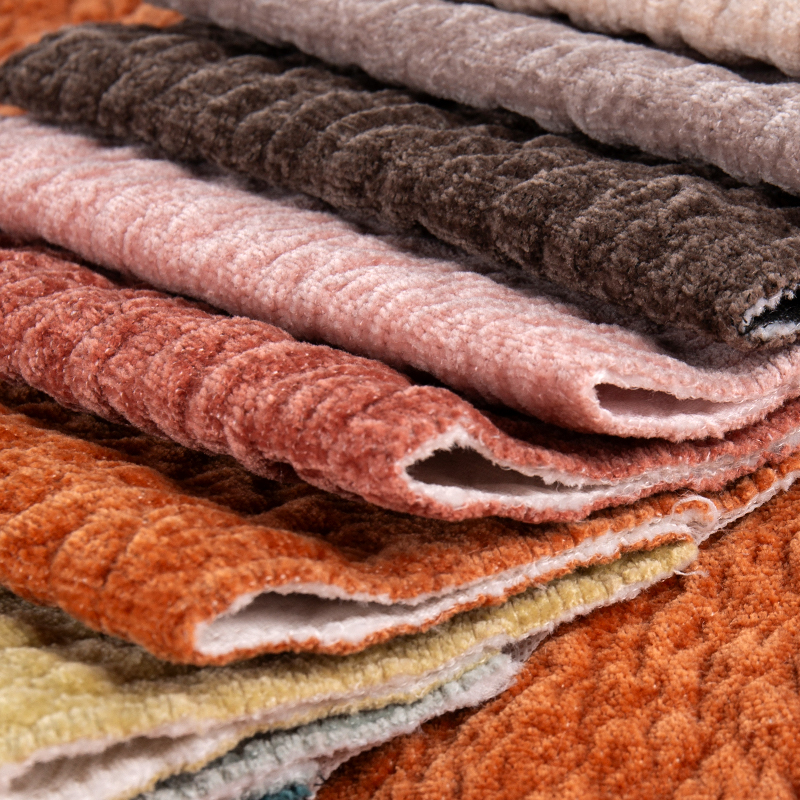
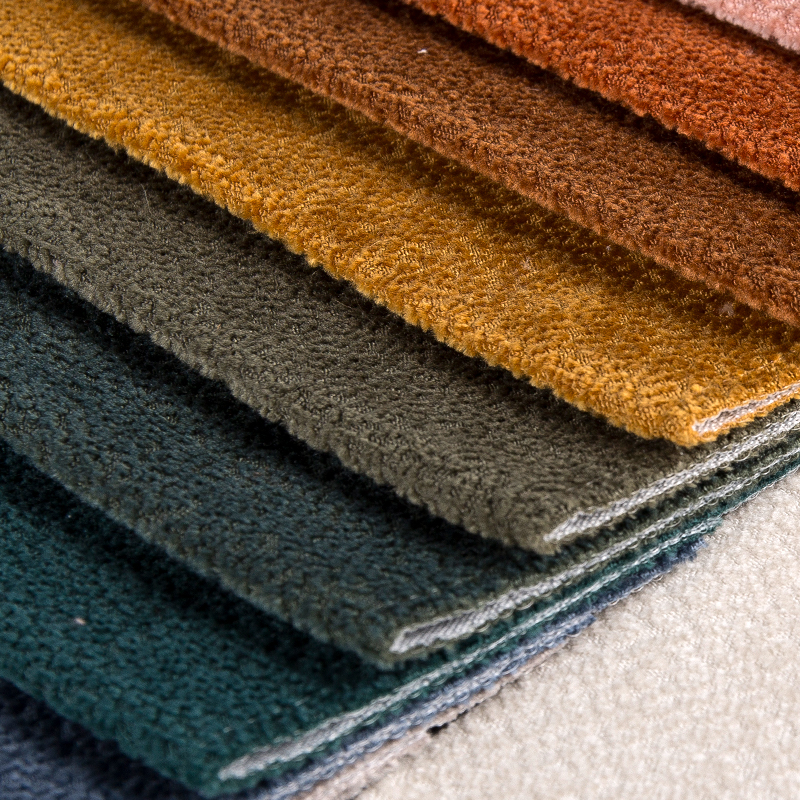
Embossed fabric occupies a distinct position in the home textile market because it delivers visual complexity and tactile interest through a manufacturing process rather than through printed surface decoration. Where a printed fabric creates the illusion of texture, an embossed fabric creates actual texture — raised and recessed surface areas that interact differently with light, touch, and wear over time. This distinction matters enormously for applications such as sofa upholstery, where a fabric must maintain its visual appeal and structural integrity through years of daily contact, cleaning, and mechanical stress. The embossing pattern is not applied to the surface; it is pressed into the fiber structure itself, making it a permanent characteristic of the fabric rather than a surface treatment that can fade, crack, or peel.
Within the broad category of embossed home textile fabrics, three technical approaches define the performance tier of the product: plain embossing, special texture embossing, and embossing of fabrics containing cationic yarn. Each approach produces a different combination of visual effect, surface feel, and application suitability. Understanding the differences between these approaches is essential for buyers, designers, and procurement professionals selecting fabric for sofas, cushions, curtains, or decorative textiles where both aesthetics and durability are non-negotiable.
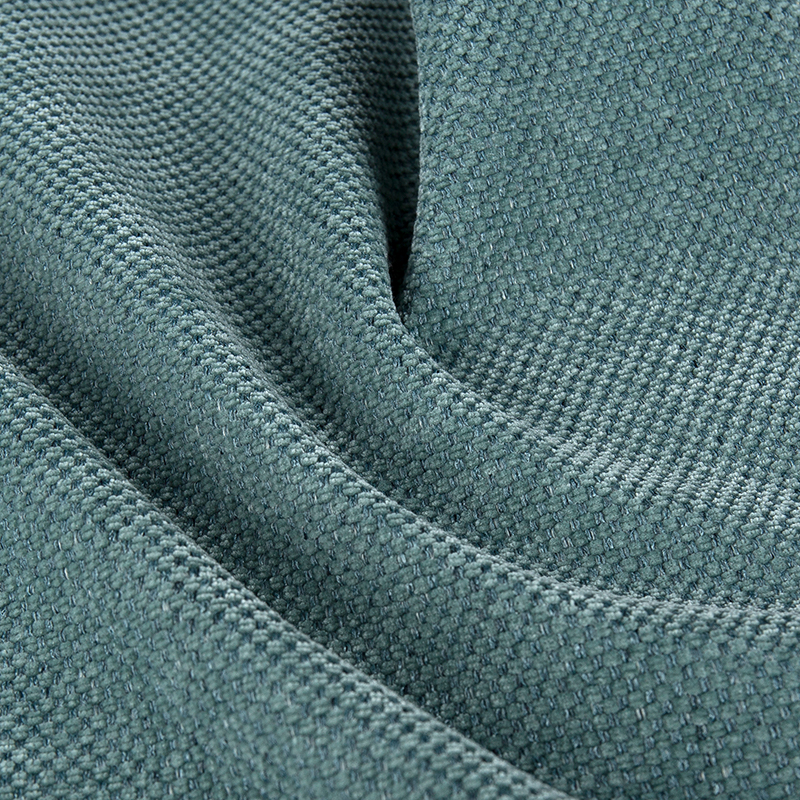
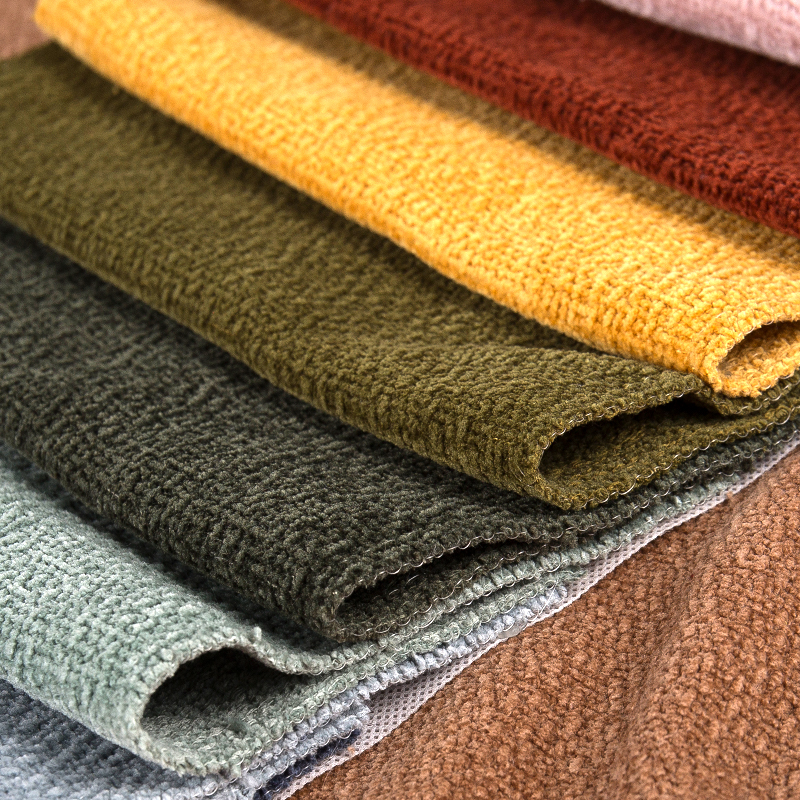
Plain embossed products represent the baseline of the embossed fabric category and remain one of the most consistently specified fabric types across home textile applications. The plain embossing process uses a heated engraved roller pressed against the fabric under controlled temperature and pressure to permanently deform the fiber surface into the pattern engraved on the roller. The result is a fabric with a clean, uniform pattern — geometric repeats, simple floral motifs, or linear textures — that sits flat against the fabric base and presents a consistent visual impression across the entire fabric width.
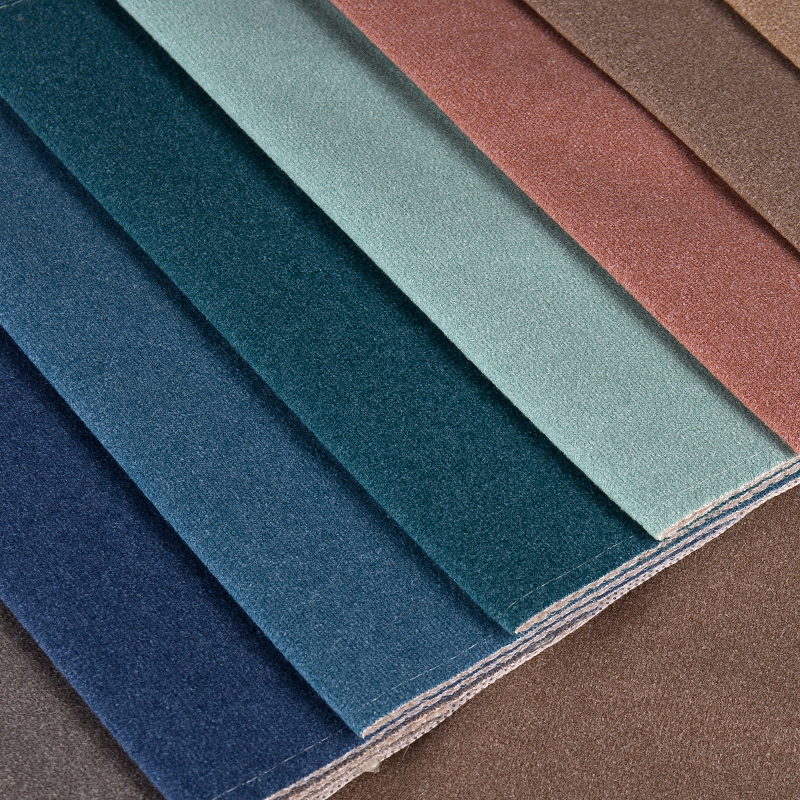
The appeal of plain embossed products lies in their versatility. Because the surface pattern is derived from the embossing process rather than from yarn structure, plain embossed fabrics can be produced across a wide range of base constructions — woven, knitted, velvet, or suede-touch substrates — and in any colorway that the base fabric can be dyed to. This makes plain embossed fabric one of the most customizable products in the home textile range, with the pattern variable being controlled independently of the color and material decisions. For sofa fabric applications in particular, plain embossed designs offer a premium alternative to plain woven or plain dyed fabrics, adding a surface dimension that elevates the visual quality of the upholstered piece without introducing the pattern-matching complexity of jacquard or printed designs.
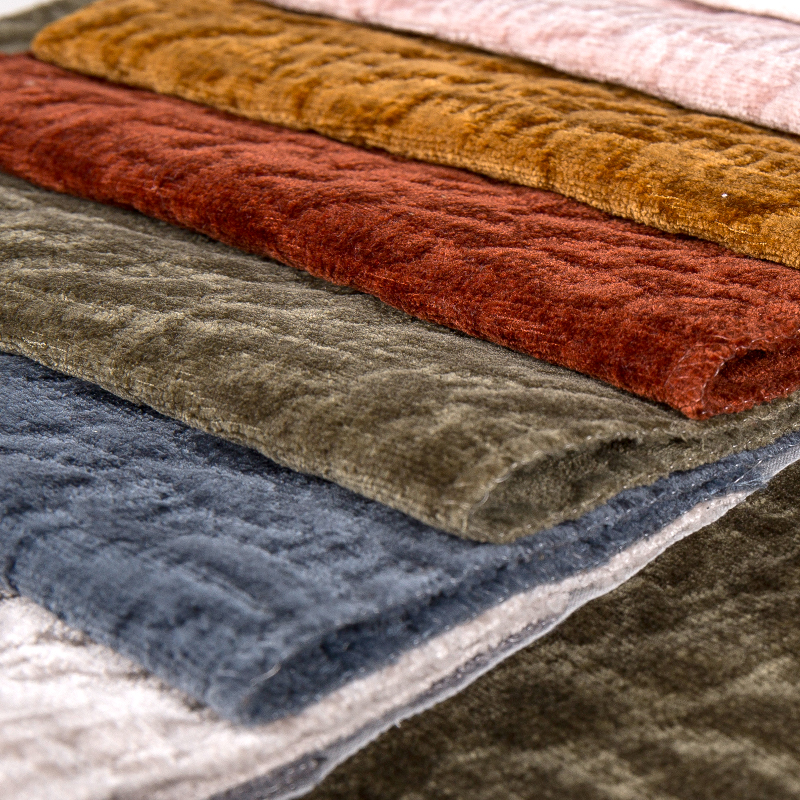
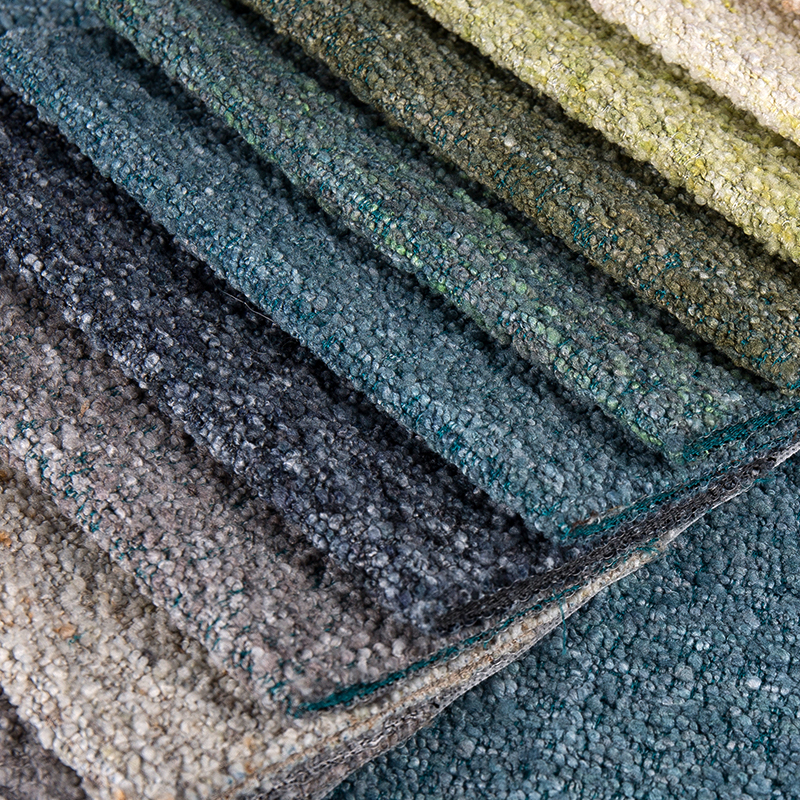
Special texture embossed fabric — produced through a particle embossing process — represents a significant technical advance over conventional flat embossing. Where standard embossing creates a two-dimensional pattern of raised lines or geometric shapes, the particle embossing process creates a three-dimensional surface topography of individual raised points, granular textures, or scattered relief elements that give the fabric a markedly different tactile character. The surface does not simply look textured; it feels textured in a way that engages the fingertips with a specific, identifiable grain — similar in concept to the texture of fine leather or natural stone, but achieved entirely through the controlled application of heat, pressure, and specialized roller geometry to the textile substrate.
The engineering challenge in particle embossing is maintaining this distinctive surface feel without compromising the comfort properties of the underlying fabric. An overly aggressive embossing process can stiffen the fabric, reduce its drape, or create surface irregularities that feel harsh against the skin — particularly problematic for sofa upholstery, where occupants are in sustained direct contact with the fabric surface. A well-executed particle embossing process achieves the unique feel that differentiates the product without losing the softness, flexibility, and drape of the base material. This balance between textural interest and tactile comfort is the defining quality standard for premium special texture embossed fabric and the characteristic that separates technically accomplished product from inferior alternatives.
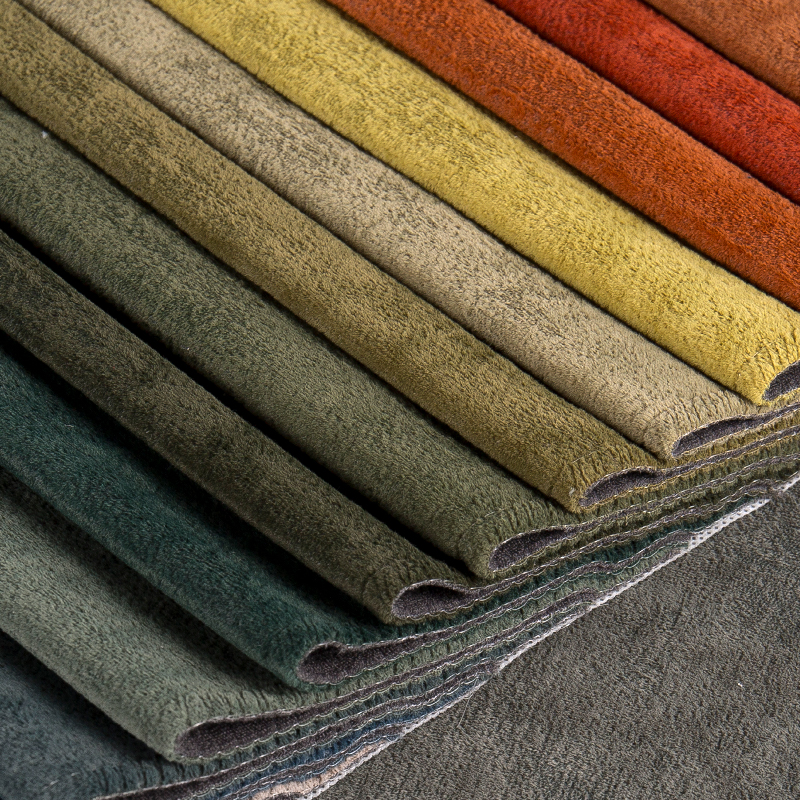
For solid color grain embossing sofa fabric, the particle embossing approach delivers a combination of properties that are particularly well-suited to upholstery end-use. The raised grain pattern creates micro-shadows across the fabric surface that add visual depth and a perception of material quality that flat-dyed or plain-woven fabrics cannot achieve in a single solid colorway. A solid color fabric with grain embossing does not need pattern variation to look sophisticated — the surface relief provides all the visual interest required, making it an ideal choice for contemporary interior design schemes where clean color palettes and textural complexity coexist.
The practical advantages of grain embossing for sofa fabric also include improved resistance to visible wear patterns. On a plain smooth fabric, seating pressure over time creates a localized flattening and sheen change that makes wear patterns immediately visible. On a grain-embossed surface, the existing texture variation distributes and partially conceals the visual effect of wear, extending the fabric's period of pristine appearance and reducing the frequency at which reupholstering is perceived as necessary.
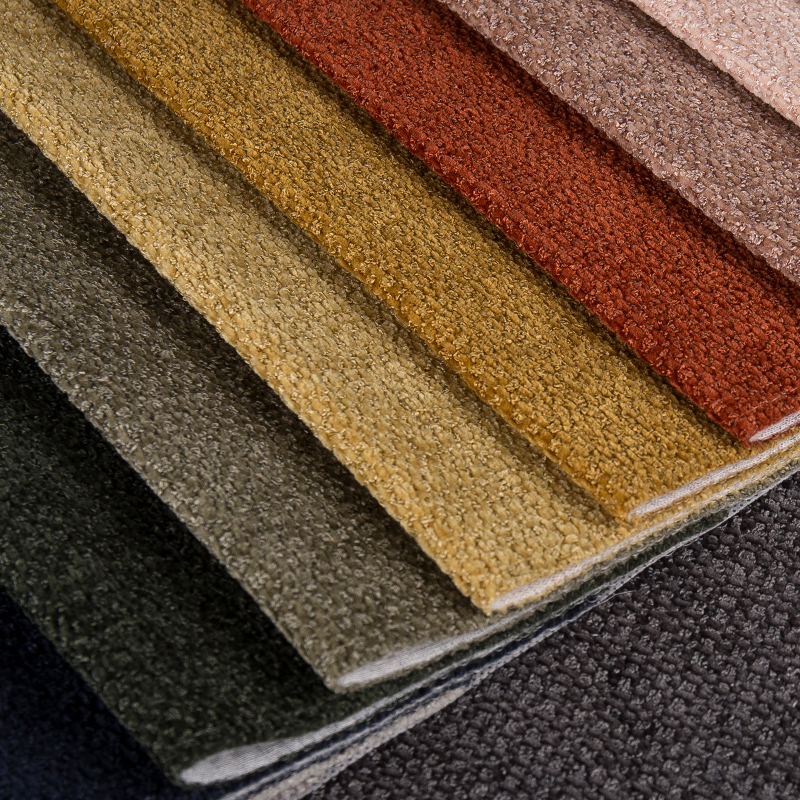
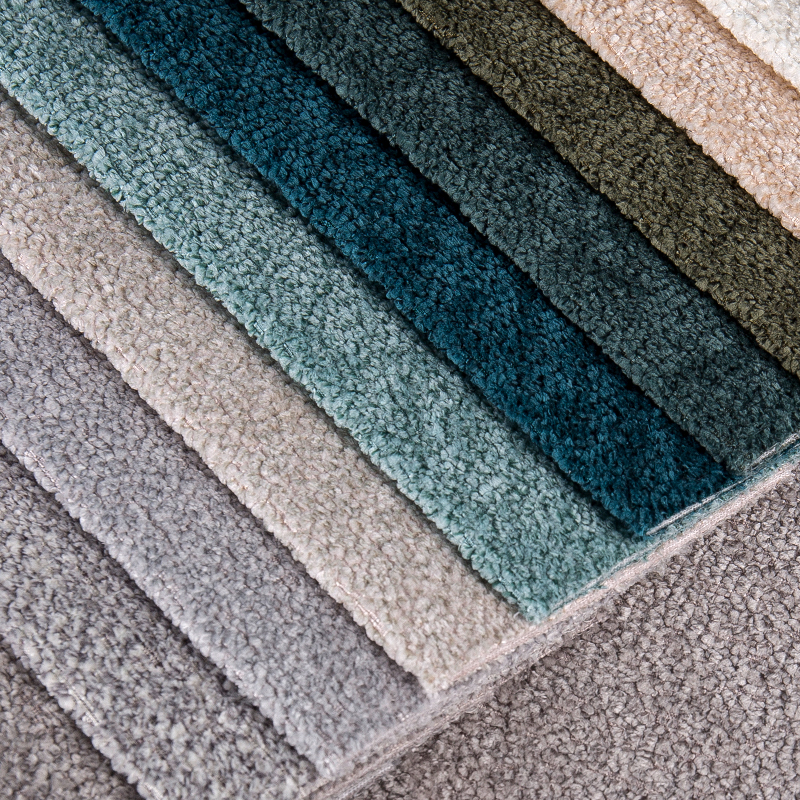
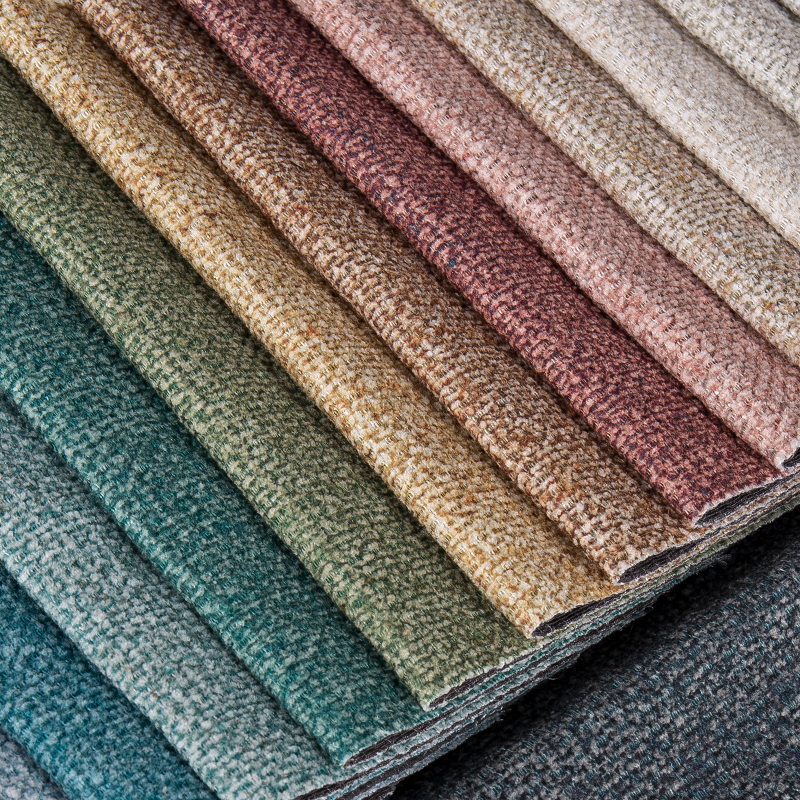
Cationic yarn embossed fabric introduces a dimension of color complexity that standard embossed fabrics cannot achieve. Cationic yarn — a modified polyester fiber produced through a chemical modification of the polymer chain that gives the fiber a positive (cationic) charge — has fundamentally different dye affinity compared to standard polyester yarn. When a fabric is woven or knitted using a combination of cationic and standard polyester yarns, and then dyed in a single dyebath using a combination of cationic-affinity and standard disperse dyes, the two yarn types absorb different dyes at different intensities — producing two distinct colors from a single dyeing process.
The result is the two-color effect that characterizes cationic yarn fabric: a fabric that presents as a subtle but clearly visible dual-tone, where the interplay between the two yarn types creates a depth and richness of color that a single-yarn, single-dye fabric cannot replicate. When this dual-tone base fabric is then subjected to the embossing process, the combination of color variation and surface relief creates a product with exceptional visual complexity. The embossed areas catch and reflect light differently than the non-embossed areas, and this light variation interacts with the two-tone color effect to produce a surface that appears to shift and change character with viewing angle and lighting conditions.
For procurement professionals and interior designers specifying embossed fabric for home textile applications, understanding the performance differences between plain embossed, special texture embossed, and cationic yarn embossed products is essential for matching product to end-use requirement. The table below provides a structured comparison across the key evaluation criteria:
| Criteria | Plain Embossed Fabric | Special Texture Embossed Fabric | Cationic Yarn Embossed Fabric |
| Surface Effect | Clean, uniform pattern relief | 3D grain or particle texture | Embossed pattern + two-tone color depth |
| Tactile Character | Smooth with subtle relief | Distinctive grain feel, soft comfort retained | Soft with textural and color interest |
| Color Complexity | Single color | Single color with light variation | Two-color effect from single dyebath |
| Best Application | Versatile — bedding, curtains, cushions | Sofa upholstery, premium home textiles | Sofa fabric, decorative upholstery, cushions |
| Wear Concealment | Moderate | High — grain texture distributes wear appearance | High — tonal variation masks wear patterns |
| Design Flexibility | High — wide pattern and color range | Medium — specialist process, defined aesthetics | Medium-High — broad colorway range with tonal effect |
The practical selection decision between plain embossed, particle texture embossed, and cationic yarn embossed fabric comes down to three variables: the visual effect required, the tactile priority of the end-use, and the color sophistication the design demands. For sofa applications where a solid color palette is specified and maximum surface richness is required, solid color grain embossing sofa fabric produced through the particle embossing process with a cationic yarn base delivers the most complete package — a unique tactile character, a visually complex surface, and a two-tone color depth that elevates the finished product well above what a plain or printed alternative can offer at comparable production cost.
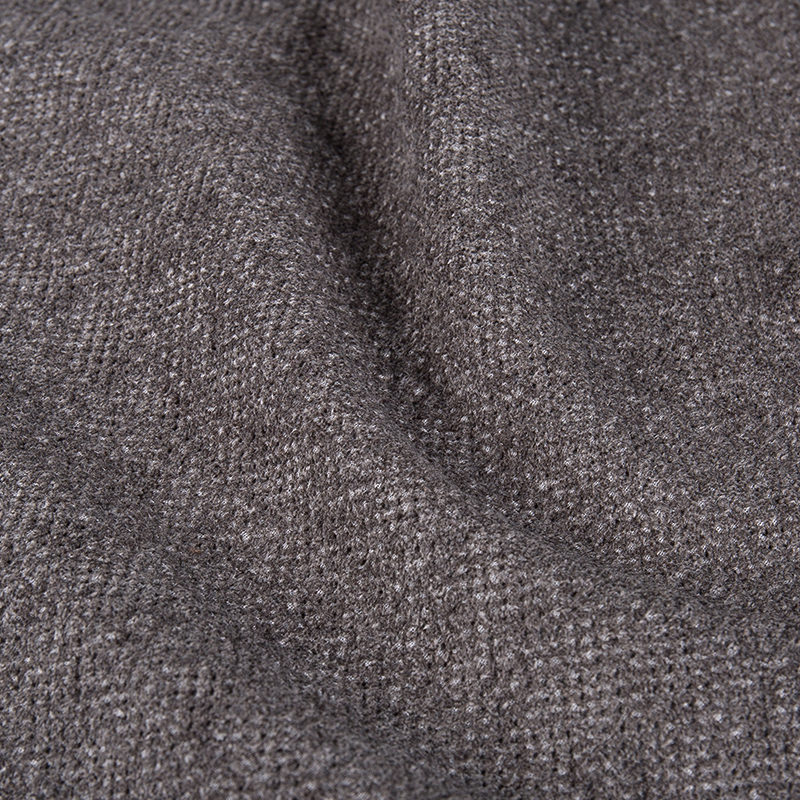
For buyers evaluating cationic yarn embossed fabric for the first time, requesting swatch samples that can be evaluated in the intended lighting environment is strongly recommended. The two-color effect and the grain texture both change significantly in appearance between natural daylight, warm incandescent light, and cool LED illumination — and selecting based on photography or monitor display alone risks an outcome that differs from the intended design specification. Physical evaluation of texture, drape, and color shift under variable light conditions gives buyers the complete picture needed to make a confident specification decision.
Related Products

Contact us
Address
Hangfu Road 106#, Chongfu Town, Tongxiang City, Zhejiang, China
Phone
+86-15067379939
linachen@climbingtex.com / zac@climbingtex.com
lianniu@climbingtex.com
Fax/Tel
+86-573-88385698
products
QR CODE
 Home Textile Manufacturers
Sofa Fabric Factory
Home Textile Manufacturers
Sofa Fabric Factory
 English
 Español
 عربى
عربى