May 08, 2026
Content
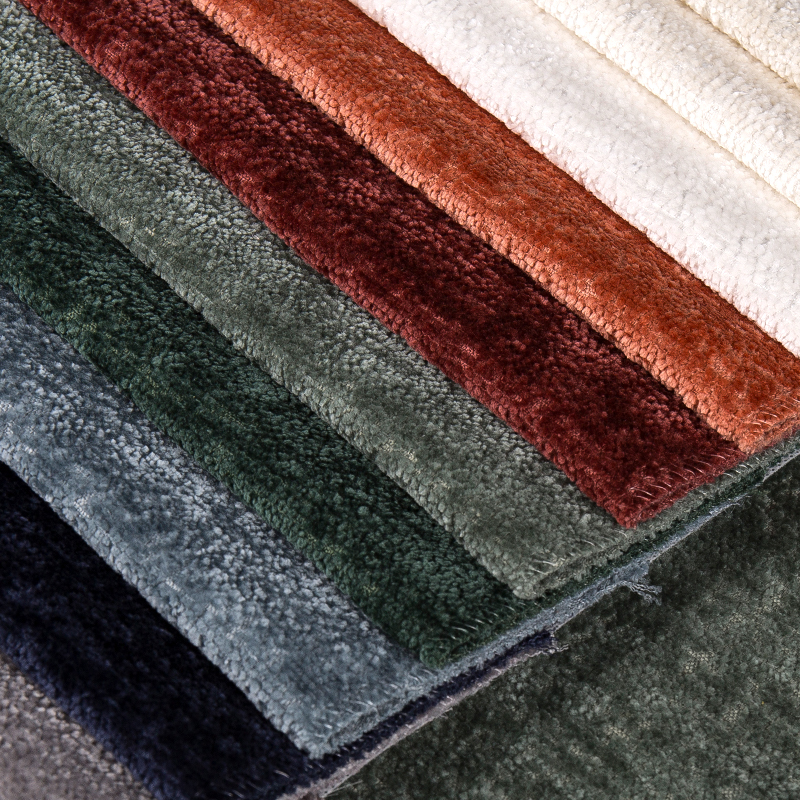
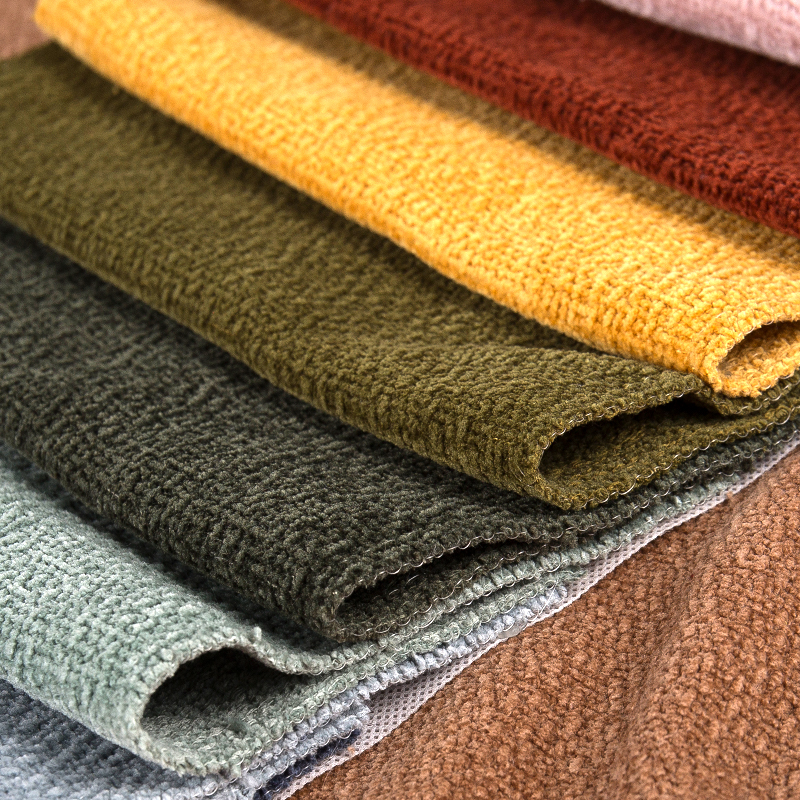
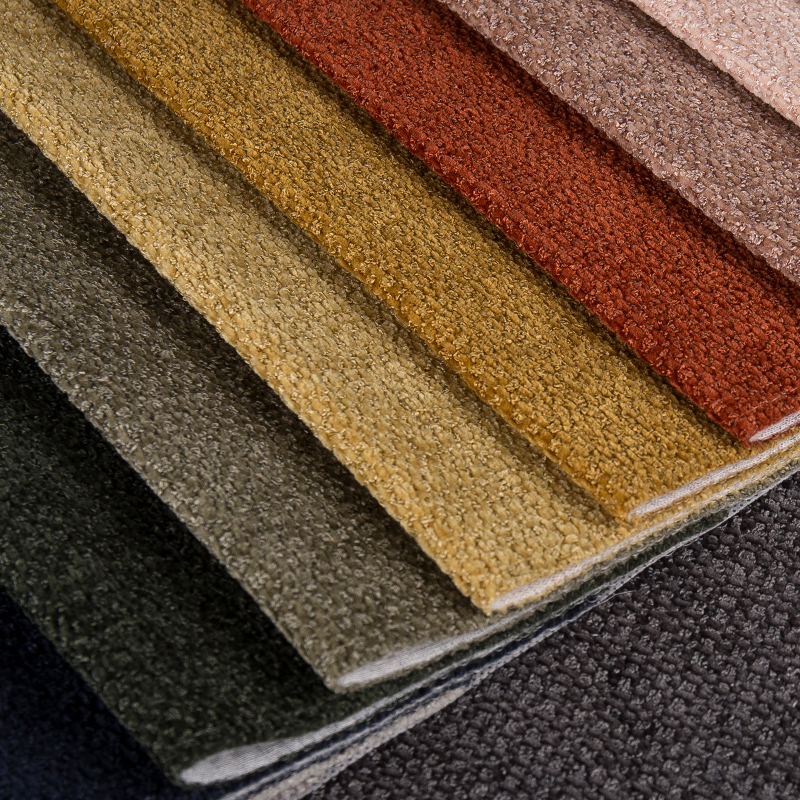
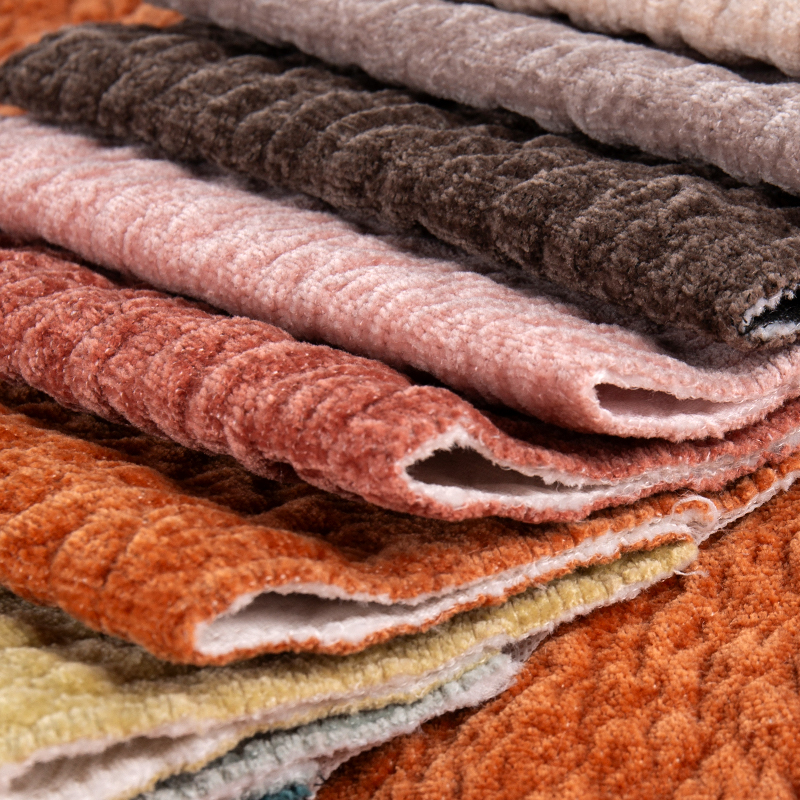
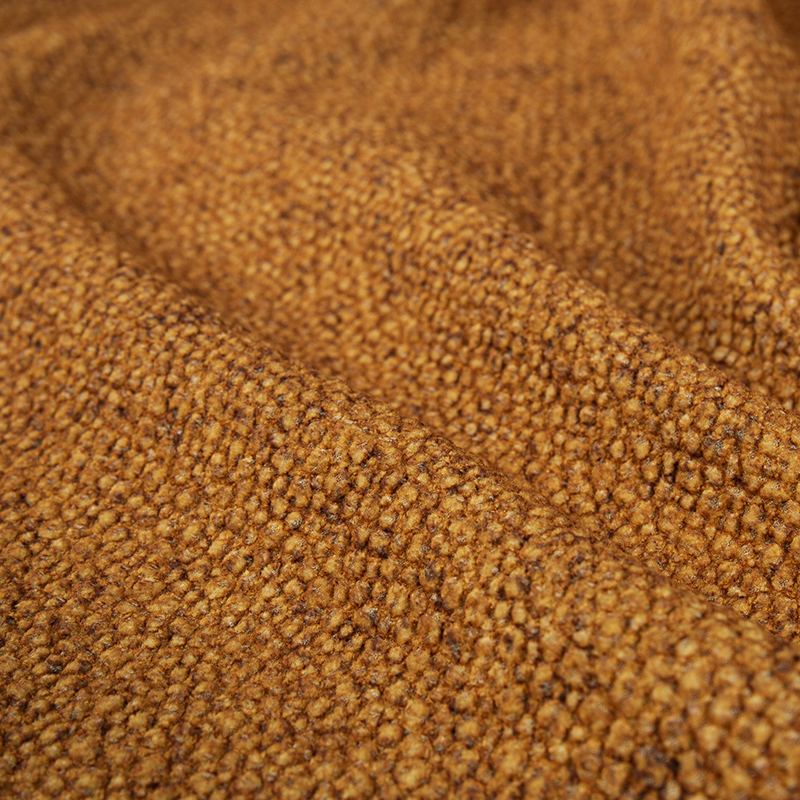
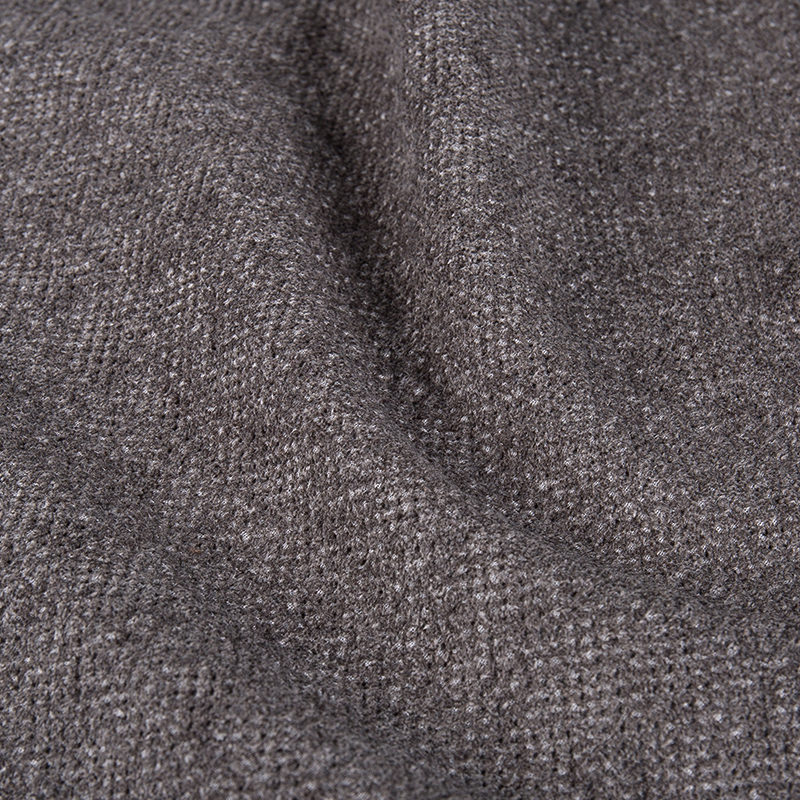
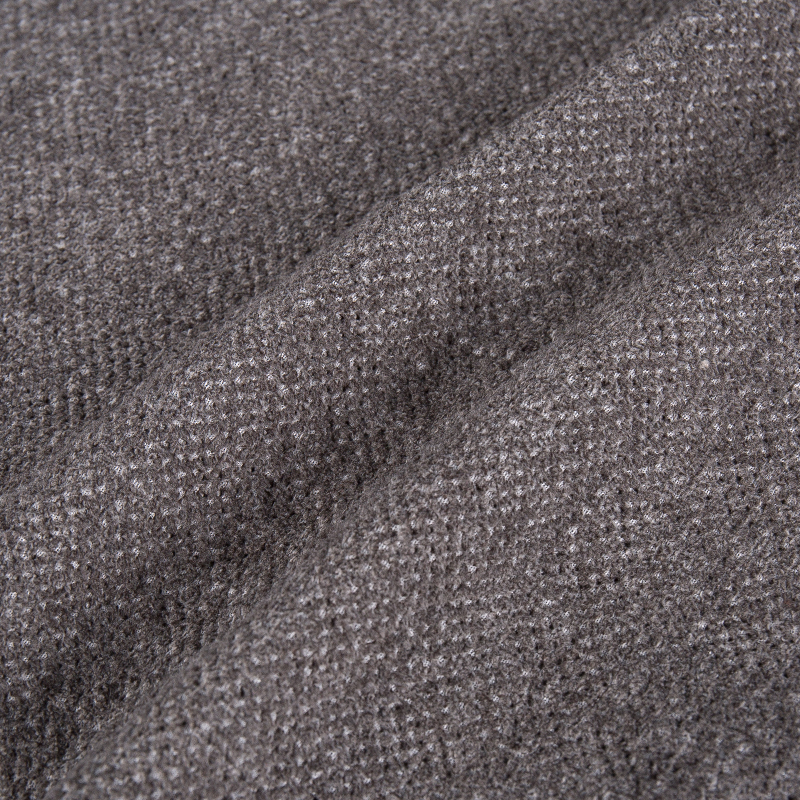
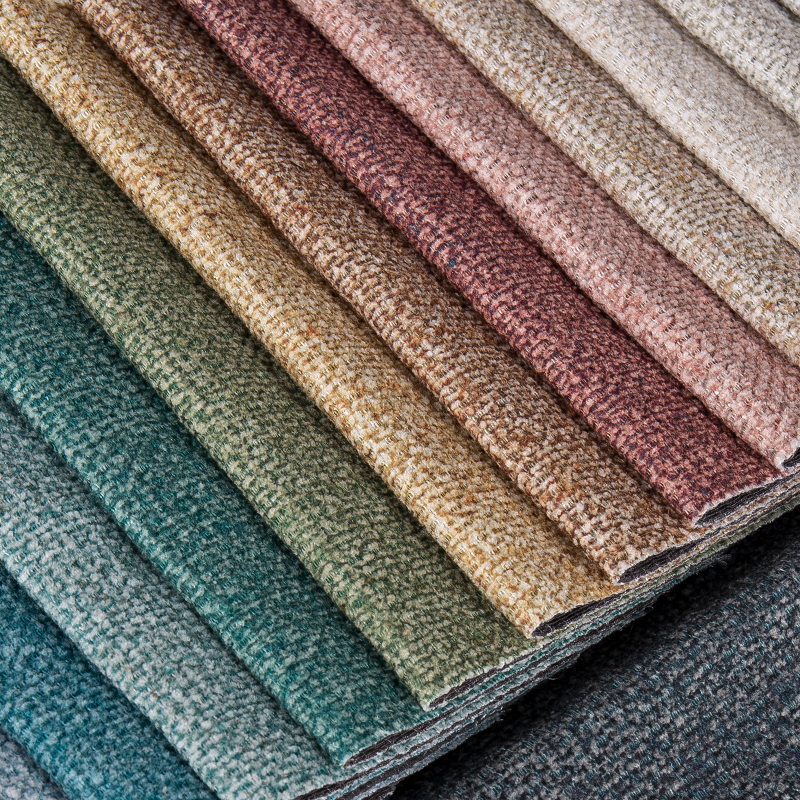
The global upholstery fabric market has shifted significantly toward synthetic knit constructions over the past two decades, and polyester knit sofa fabrics now account for a major share of production in furniture manufacturing worldwide. The reasons are practical and measurable: polyester's fiber properties — high tensile strength, chemical resistance, and consistent colorfastness — translate directly into performance advantages that natural fiber wovens and cheaper nonwoven alternatives cannot match in a sofa application. Sofas are subjected to daily mechanical stress from sitting, rubbing, and cleaning. A fabric that maintains its appearance and structural form over years of use is not simply a preference; it is a core purchasing criterion for furniture brands, upholsterers, and end consumers alike.
Beyond raw fiber quality, the knit construction method amplifies these advantages. Unlike woven upholstery fabrics, which rely on the interlacing of warp and weft threads at right angles, knitted upholstery fabric is built from interlocking loop structures that distribute mechanical stress across the fabric rather than concentrating it at individual thread crossing points. This structural difference is what gives polyester knit sofa fabrics their characteristic combination of surface resilience, body conformity, and long-term form retention — qualities that are difficult to engineer into woven alternatives at comparable cost.
Polyester knit sofa fabrics are typically produced from one or more synthetic fiber filaments, with the most common options being polyester (PET), polyamide (nylon), and polypropylene (PP). Each fiber brings distinct properties to the fabric structure, and understanding these differences is essential for making informed sourcing decisions.
Polyester filament is the dominant fiber choice for sofa knit fabrics due to its outstanding balance of cost, durability, and processing versatility. It accepts dye readily, resists UV-induced fading, and maintains its mechanical properties across a wide range of humidity and temperature conditions — an important consideration for furniture placed near windows or in climates with significant seasonal variation. Polyester's hydrophobic nature also means it does not absorb moisture from spills, making surface cleaning straightforward and preventing mold or mildew growth within the fiber structure.
Polyamide (nylon) filament is often incorporated into premium knitted upholstery fabric constructions as a secondary component, typically in blends of 80–95% polyester and 5–20% polyamide. Nylon contributes abrasion resistance and elasticity recovery — properties that improve the fabric's resilience under repeated localized stress, such as seam areas at armrests and seat cushion edges where wear concentrates. Polypropylene filament, while less common in premium upholstery, is used in cost-sensitive applications where chemical resistance and low moisture absorption are priorities, particularly in commercial seating environments that require regular disinfection cleaning.
The construction method used to knit the fabric is as important as the fiber type in determining the final properties of a polyester knit sofa fabric. Upholstery-grade knits are almost exclusively produced on warp knitting machines rather than weft knitting machines, because warp knit structures offer superior dimensional stability and surface smoothness — requirements that weft knit fabrics, with their greater inherent stretch and loop irregularity, cannot reliably meet for flat upholstery panels and seating surfaces. The main warp knit structures used in sofa fabric production include the following:
Chain weave is the simplest warp knit structure, in which each needle forms a single closed loop column without any lateral yarn overlap between adjacent columns. This produces a narrow, high-strength vertical structure that is typically used as a foundation element combined with other guide bar movements rather than as a standalone fabric. In sofa fabric constructions, chain weave columns anchor the fabric structure and resist longitudinal deformation under tension.
Warp flat weave, commonly known as tricot, is the most widely used warp knit base structure in knitted upholstery fabric. Guide bars move in alternating directions between adjacent wales, creating a flat, stable fabric face with a characteristic diagonal loop surface. Tricot-based sofa fabrics have a smooth, consistent surface texture, good width stability, and minimal tendency to curl at cut edges — all properties that simplify cutting and sewing in upholstery production.
Warp satin and warp twill structures involve longer yarn floats across multiple wales before the yarn is anchored back into the loop structure. Satin warp knits produce a smooth, lustrous face surface with excellent drape — a property valued in decorative sofa fabric applications where visual sheen is part of the design brief. Warp twill structures create a diagonal surface texture that provides visual depth and a slightly firmer hand, making them well-suited for formal or contemporary furniture styles. Both constructions are more complex than tricot, requiring more precise machine settings and yarn tension control during production.
Of all the performance properties required in polyester knit sofa fabrics, dimensional stability is arguably the most important. Upholstery fabric must maintain its width and length dimensions precisely through cutting, sewing, upholstering, and years of in-service use. Fabric that grows, shrinks, or distorts after upholstering creates visible surface defects — puckering at seams, sagging across panels, misaligned patterns — that are difficult or impossible to correct without reupholstering. The dimensional stability of a warp knit fabric is primarily determined by its loop structure geometry, the yarn tension applied during knitting, and any heat-setting or finishing treatments applied after fabric production.
The following table compares dimensional stability and related performance properties across the main knit fabric categories relevant to sofa upholstery:
| Fabric Type | Dimensional Stability | Curling Tendency | Shedding Risk | Air Permeability |
| Warp Knit (Tricot) | Excellent | Very Low | Very Low | Good |
| Fancy Warp Knit | Excellent | None | Low | Very Good |
| Weft Knit (Jersey) | Moderate | High | Moderate | Good |
| Woven Upholstery | Very High | None | Very Low | Low to Moderate |
| Nonwoven Backing | High | None | Very Low | Variable |
Fancy warp knits represent the highest-performing category within the polyester knit sofa fabrics range. These are multi-guide-bar constructions in which additional yarn sets create surface patterning — loops, piles, or textured effects — while the base structure maintains the dimensional stability and edge stability characteristics of standard tricot. The fancy element adds decorative value without compromising the structural performance that upholstery production demands.
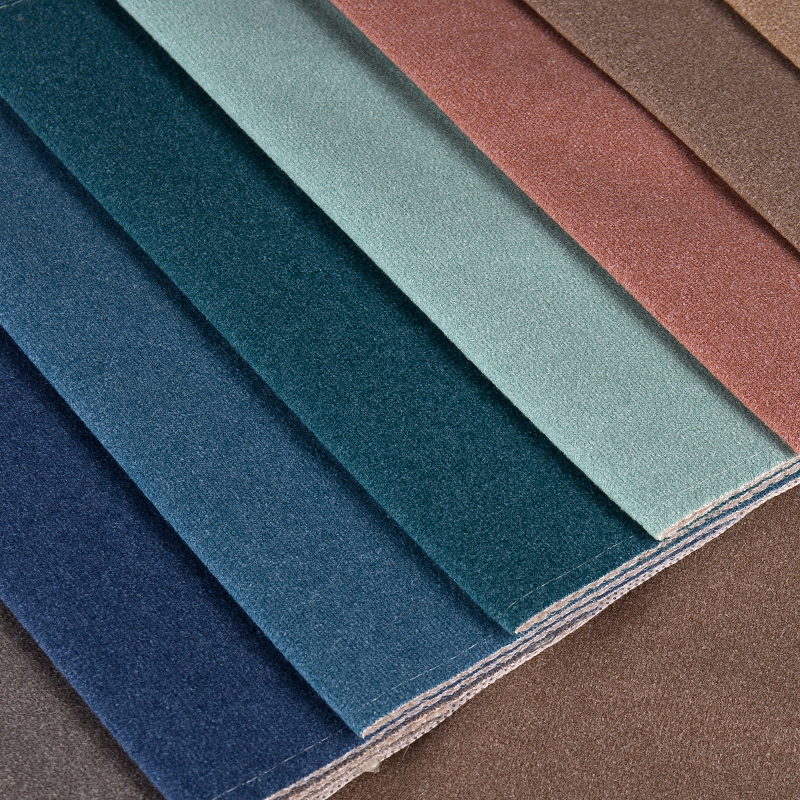
Fancy warp knit structures are the most widely specified category of polyester knit sofa fabrics in furniture manufacturing, and their commercial prevalence reflects a consistent set of practical performance advantages that designers, upholsterers, and procurement teams have validated across extensive real-world use. These advantages include:
Sourcing the correct knitted upholstery fabric for a specific furniture application requires systematic evaluation of both technical specifications and end-use requirements. The following criteria should guide the selection process:
By understanding the structural logic behind polyester knit sofa fabrics — from the fiber composition and warp knit construction type through to the specific performance advantages of dimensional stability, low shedding, and no curling — buyers and manufacturers can make confident, informed decisions that translate into furniture products that consistently meet quality expectations across their full commercial service life.
Related Products

Contact us
Address
Hangfu Road 106#, Chongfu Town, Tongxiang City, Zhejiang, China
Phone
+86-15067379939
linachen@climbingtex.com / zac@climbingtex.com
lianniu@climbingtex.com
Fax/Tel
+86-573-88385698
products
QR CODE
 Home Textile Manufacturers
Sofa Fabric Factory
Home Textile Manufacturers
Sofa Fabric Factory
 English
 Español
 عربى
عربى