Apr 27, 2026
Content
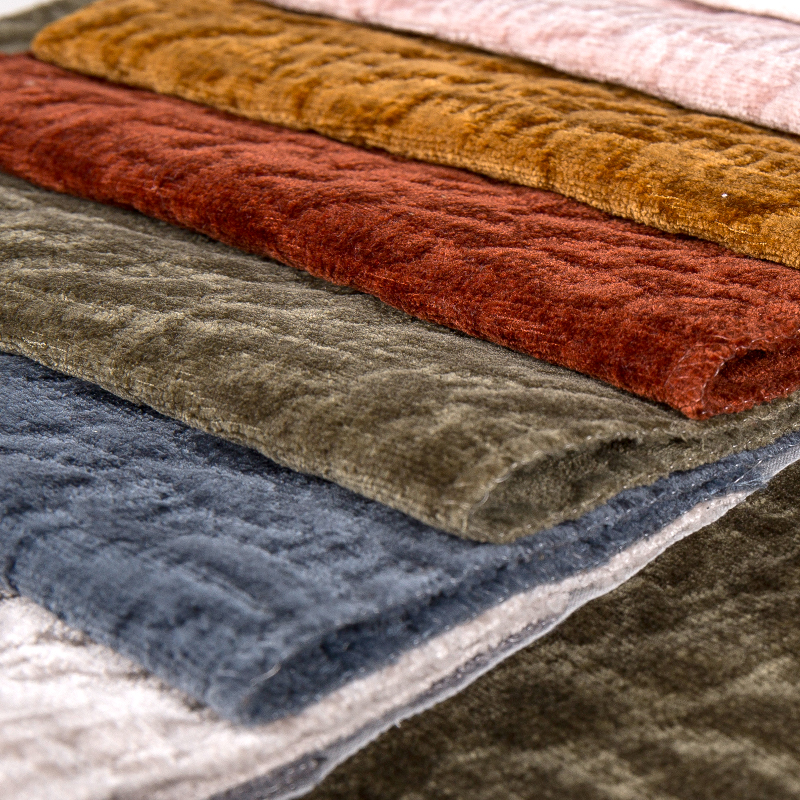
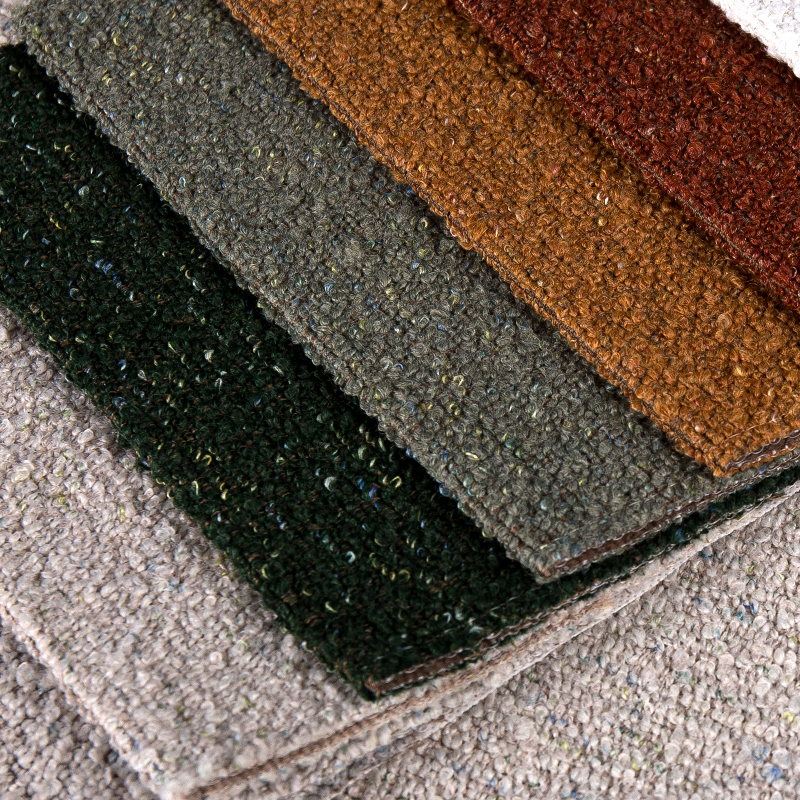
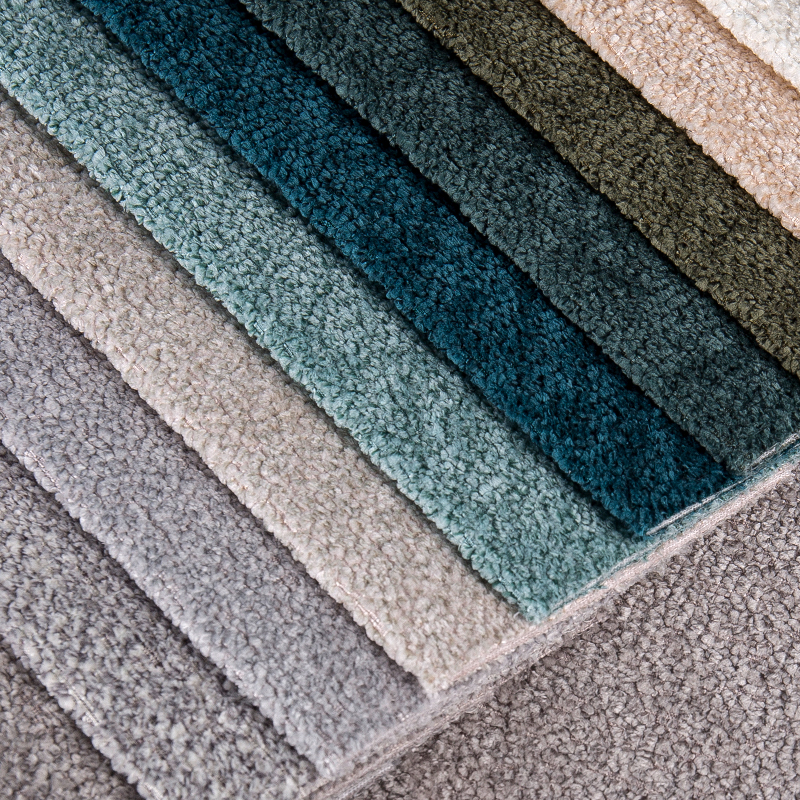
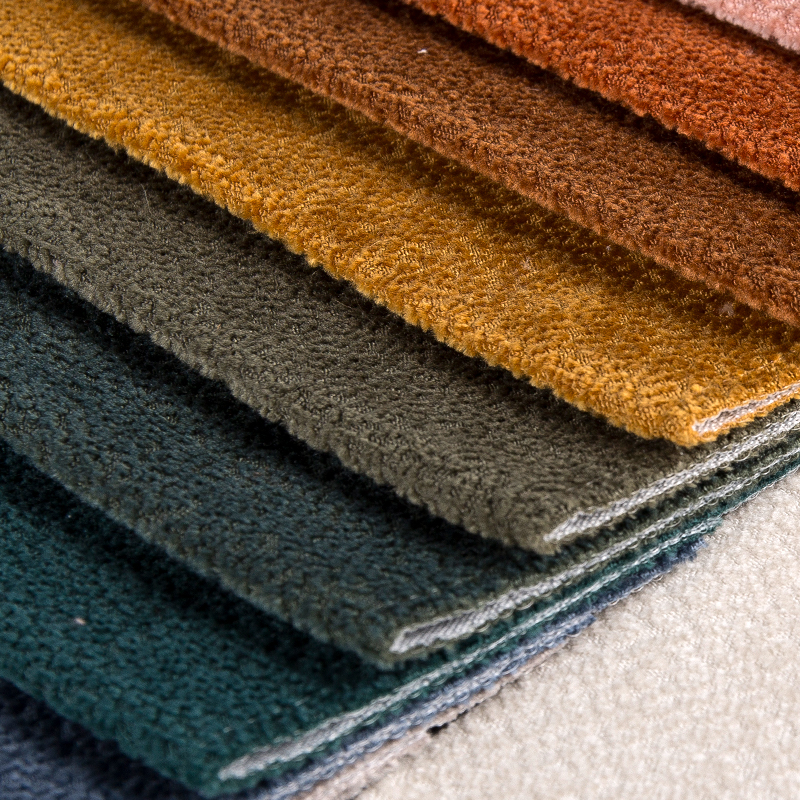
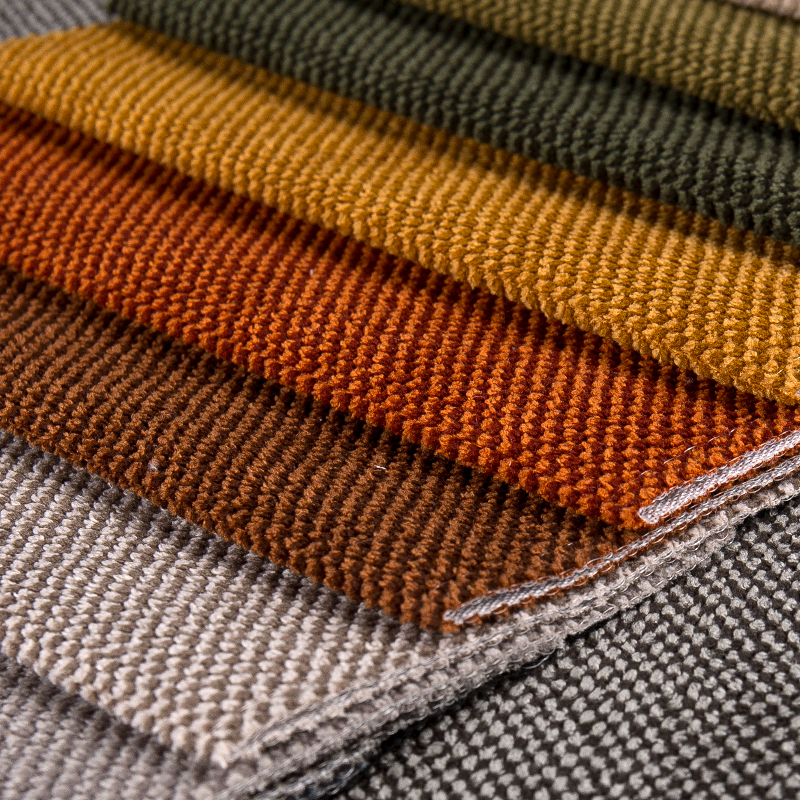
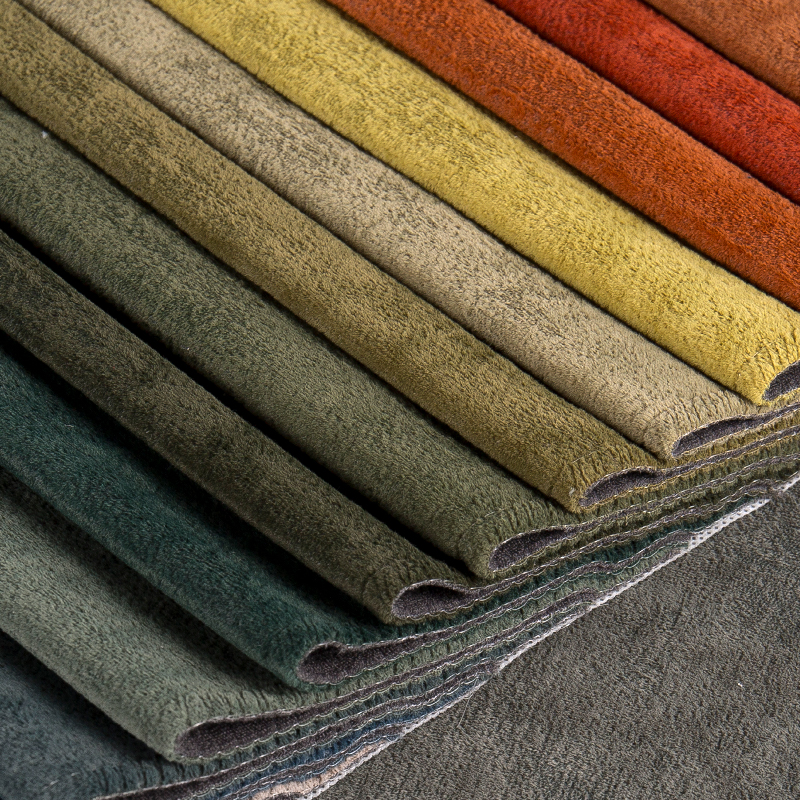
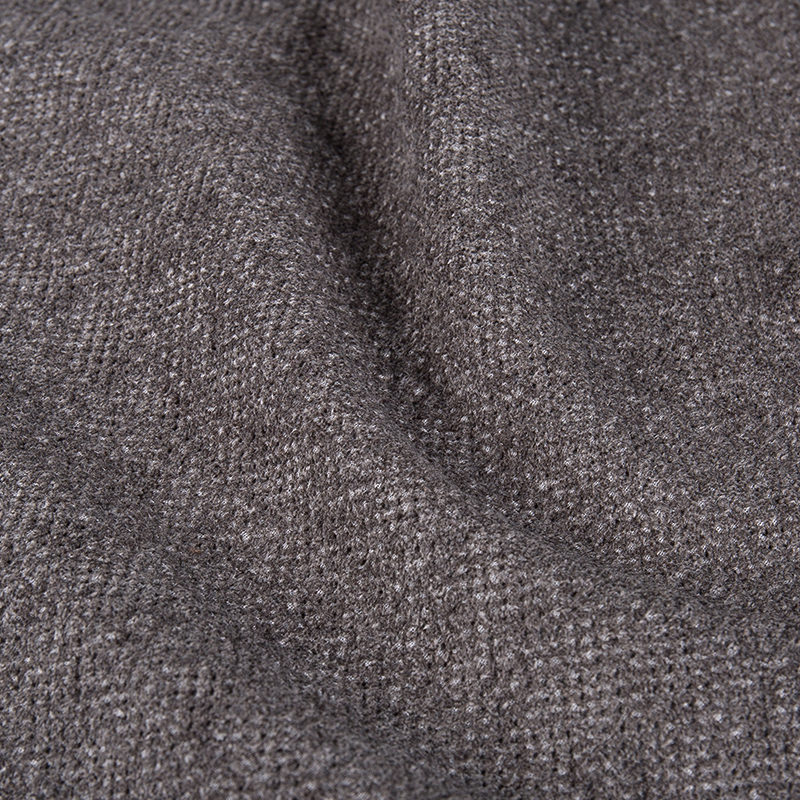
Polyester embossed sofa upholstery fabric is a category of decorative and functional textile defined by the three-dimensional patterned surface created through heat and pressure embossing or suction-based absorbing processes applied to woven or knitted polyester base fabrics. Unlike printed fabrics — where color and pattern exist only on the surface as an ink layer that can crack, fade, or peel — embossed upholstery fabric carries its pattern in the physical structure of the textile itself. The pattern is formed by permanently deforming the fiber arrangement under controlled temperature and mechanical force, creating raised and recessed areas that produce a unique touch and visual depth that flat-surface fabrics cannot replicate.
The choice of polyester as the base fiber for this category of upholstery fabric is not incidental. Polyester's thermoplastic nature — the property that allows it to soften under heat and permanently retain a new shape when cooled — is precisely what makes deep, durable embossing possible. Natural fibers such as cotton and linen lack this thermoplastic memory, which means any pattern pressed into them under heat will gradually relax back toward the original flat state during use and washing. Polyester embossed patterns, by contrast, are effectively permanent under normal upholstery service conditions, maintaining their textured definition through years of use without requiring special care to preserve the surface character that gives the fabric its design identity.
For furniture manufacturers, interior designers, and consumers selecting sofa upholstery materials, understanding how polyester embossed fabric is produced, what pattern options are available through different process technologies, and how the fabric performs in long-term residential and commercial seating applications provides the practical foundation for confident material selection decisions.
The surface texture and special texture character of polyester embossed sofa upholstery fabric originates in the manufacturing process used to create the pattern. Two primary process technologies — mechanical heat embossing and suction absorbing — produce distinctly different surface aesthetics and tactile qualities, and understanding their operating principles clarifies why finished fabrics from these processes feel and look the way they do.
In mechanical heat embossing, the polyester base fabric passes between a pair of rollers — one engraved with the negative of the desired pattern in relief, the other a smooth or compliant backing roll — under precisely controlled temperature and nip pressure. The engraved roller, typically heated to between 160°C and 220°C depending on the polyester fiber type and the desired emboss depth, contacts the fabric surface and simultaneously softens the thermoplastic polyester fibers in the contact zones and mechanically deforms them into the engraved pattern geometry. As the fabric exits the nip and cools within seconds, the deformed fibers set permanently in their new configuration, reproducing the engraved roller pattern as a durable textured surface on the fabric face.
The depth, sharpness, and three-dimensionality of the resulting embossed texture depend on roller engraving depth, processing temperature, fabric weight, and the pile height of the base fabric if a velvet or plush substrate is being embossed. Deep-engraved rollers at higher temperatures produce bold, high-relief textures with strong shadow definition — geometric patterns, large botanical motifs, and architectural repeat designs that create a dramatic visual impact on a finished sofa. Shallower engravings at more moderate temperatures produce subtle all-over textures that add tactile interest and light-scattering surface complexity without dominating the visual character of the upholstered piece.
The suction absorbing process — sometimes called vacuum embossing or suction printing — uses a different physical mechanism to create textured patterns on polyester upholstery fabric. In this process, the fabric is placed over a perforated template or screen bearing the desired pattern, and suction is applied from below while the fabric is simultaneously exposed to heat or a chemical treatment that sets the fiber deformation. The suction draws portions of the fabric downward through the template apertures, creating a pattern of recessed areas defined by the template geometry while the non-suctioned areas remain at the original fabric level.
The suction absorbing process produces a characteristically softer, more organic textured quality than mechanical roller embossing. The edges of pattern elements are less sharply defined — the transition from raised to recessed areas is gradual rather than crisp — creating a texture that reads as natural and tactile rather than mechanically precise. This aesthetic makes suction-absorbed polyester embossed sofa upholstery fabric particularly appropriate for casual, organic, and natural-inspired interior styles where the special texture of the fabric should feel artisanal rather than industrial.
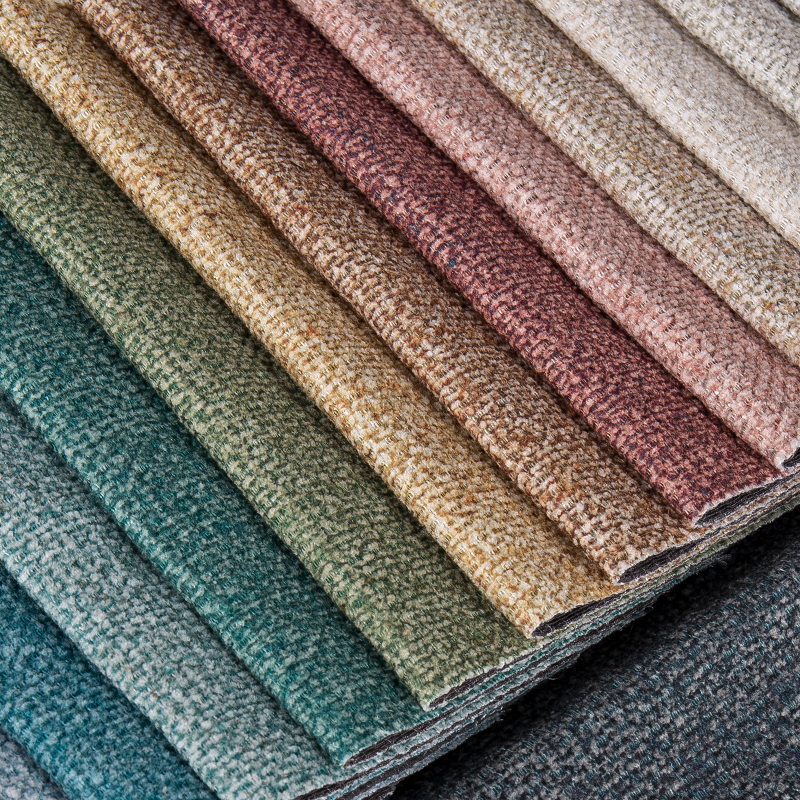
The design range achievable in polyester embossed sofa upholstery fabric is exceptionally broad, encompassing pattern families that span from abstract geometric structures to naturalistic organic forms. The pattern selection for a given sofa application should align with the furniture's intended style context, the room's existing design vocabulary, and the practical considerations of pattern scale relative to sofa size and viewing distance.
The aesthetic properties of textured, special texture polyester embossed sofa upholstery fabric are well established, but the material's practical performance characteristics are equally important in determining whether it delivers long-term value in residential or commercial seating applications. Polyester's inherent fiber properties, combined with the structural reinforcement that embossing provides, create an upholstery fabric with a strong overall performance profile.
Polyester fiber is highly resistant to abrasion — the frictional wear from repeated contact with clothing, skin, and cleaning materials that gradually degrades upholstery fabric surface appearance over time. In Martindale abrasion testing, quality polyester embossed sofa upholstery fabric routinely achieves 25,000 to 50,000 cycles before surface breakdown — a range that comfortably meets the 15,000-cycle minimum typically specified for residential upholstery and approaches the 30,000-cycle threshold for light commercial applications. The embossed surface pattern contributes to this durability by distributing contact stress across a three-dimensional surface rather than concentrating it on a flat plane, reducing the effective contact pressure at any given point during normal use.
Polyester fiber accepts disperse dyes that penetrate the fiber polymer matrix during high-temperature dyeing, producing colorfastness ratings of 4 to 5 on the ISO grey scale for both light exposure and wet/dry rubbing resistance. This means the fabric color remains stable under normal indoor light exposure and resists transfer to adjacent materials during everyday use — important for light-colored embossed upholstery fabrics where any color instability would be immediately visible. For living room sofas positioned near windows with significant UV exposure, solution-dyed polyester variants — where colorant is incorporated into the fiber during extrusion rather than applied by dyeing — offer the highest available light stability, maintaining color integrity even under prolonged direct sunlight exposure that would significantly fade conventionally dyed alternatives.
Polyester's hydrophobic fiber surface — water and water-based liquids bead rather than absorbing immediately — gives polyester embossed sofa upholstery fabric an inherent advantage in stain management compared with natural fiber upholstery. Spills that are addressed promptly with blotting and mild detergent solution typically clean without permanent staining. The textured surface of embossed fabric adds a practical benefit here: the raised and recessed pattern areas create micro-drainage channels that slow liquid spread, giving users more time to respond before a spill saturates the fabric backing. Upholstery-grade finishes — soil-release treatments or fluorocarbon-free water-repellent coatings — can be applied over embossed polyester fabrics to further enhance stain resistance without compromising the tactile character of the textured surface.
Understanding how polyester embossed sofa upholstery fabric performs relative to competing materials helps furniture buyers and specifiers allocate budget and aesthetic priorities effectively. The following table provides a direct comparison across the key evaluation dimensions:
| Material | Texture / Surface Character | Abrasion Resistance | Cleanability | Cost Range |
|---|---|---|---|---|
| Polyester Embossed Fabric | Rich 3D textured, special texture variety | 25,000–50,000 Martindale cycles | Excellent — hydrophobic, spot-clean | Low to mid |
| Genuine Leather | Natural grain, luxury tactile quality | High but surface scratches visibly | Good — wipe clean, requires conditioning | High to premium |
| Cotton Upholstery Fabric | Flat woven texture, natural appearance | 10,000–20,000 Martindale cycles | Moderate — absorbs stains quickly | Low to mid |
| Velvet (Polyester) | Soft pile, directional sheen, flat surface | 20,000–35,000 Martindale cycles | Good with care — pile marks show | Mid |
| PU Faux Leather | Embossed grain simulation, uniform surface | Moderate — surface peeling risk over time | Excellent — fully wipeable | Low to mid |
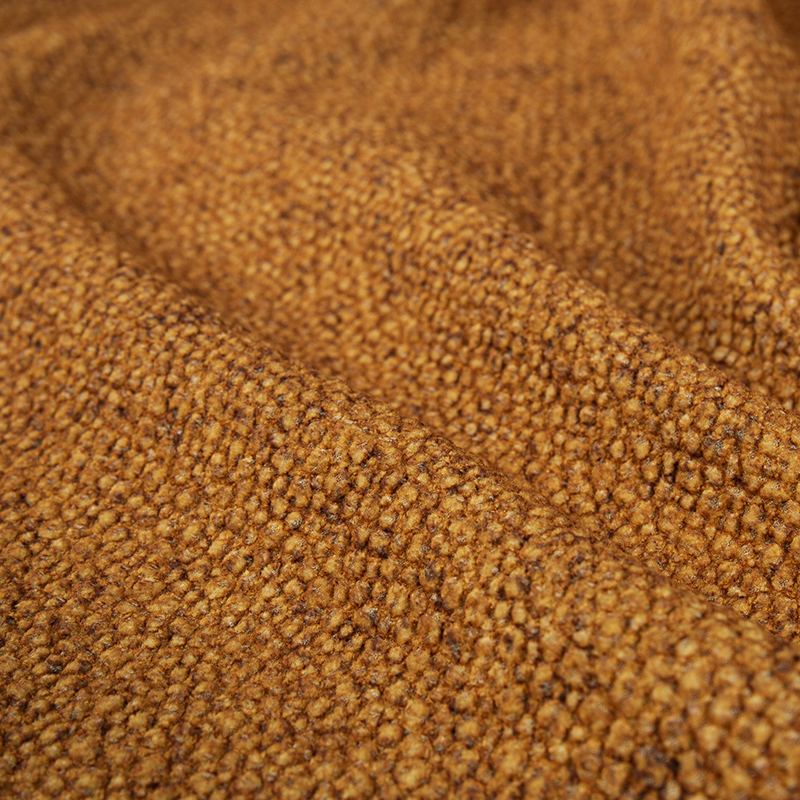
Choosing among the wide variety of polyester embossed sofa upholstery fabrics available requires matching fabric weight, pattern scale, emboss depth, and finish type to the specific demands of the sofa design, the intended use environment, and the aesthetic goals of the interior project. The following practical considerations guide effective fabric selection across these dimensions:
Related Products

Contact us
Address
Hangfu Road 106#, Chongfu Town, Tongxiang City, Zhejiang, China
Phone
+86-15067379939
linachen@climbingtex.com / zac@climbingtex.com
lianniu@climbingtex.com
Fax/Tel
+86-573-88385698
products
QR CODE
 Home Textile Manufacturers
Sofa Fabric Factory
Home Textile Manufacturers
Sofa Fabric Factory
 English
 Español
 عربى
عربى