Apr 22, 2026
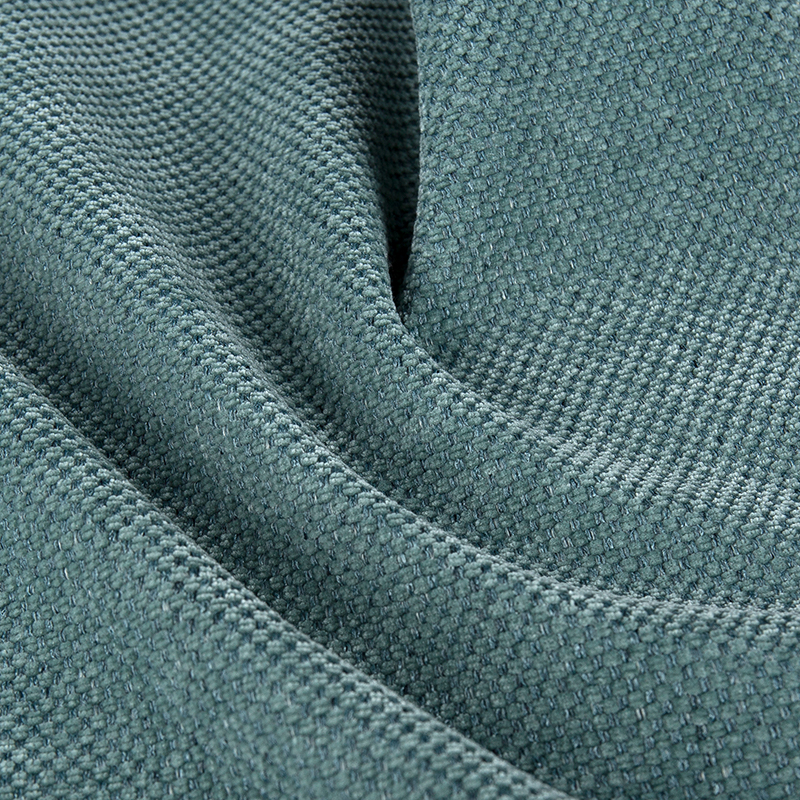
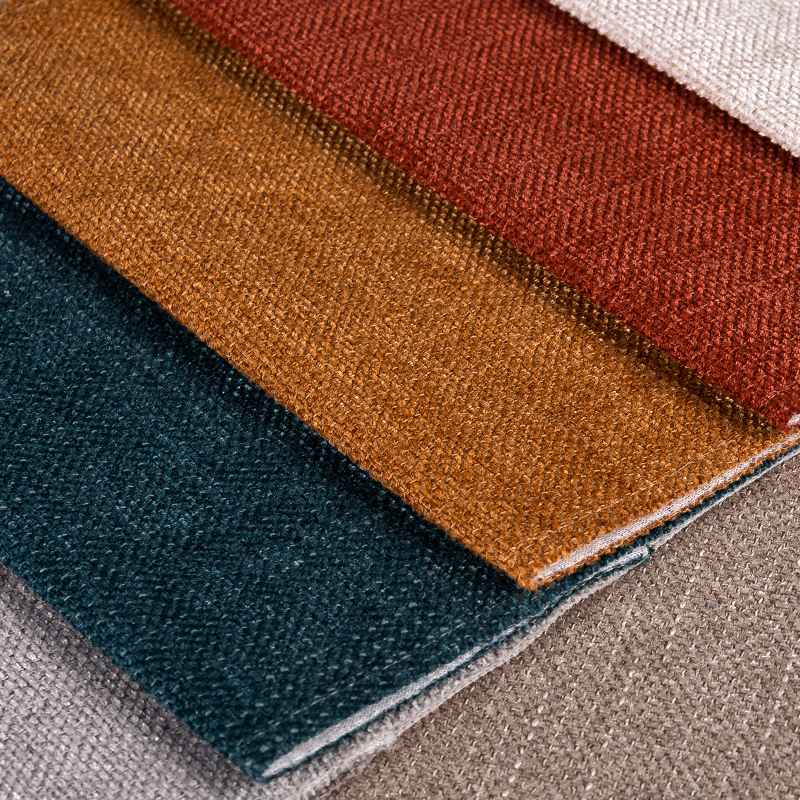
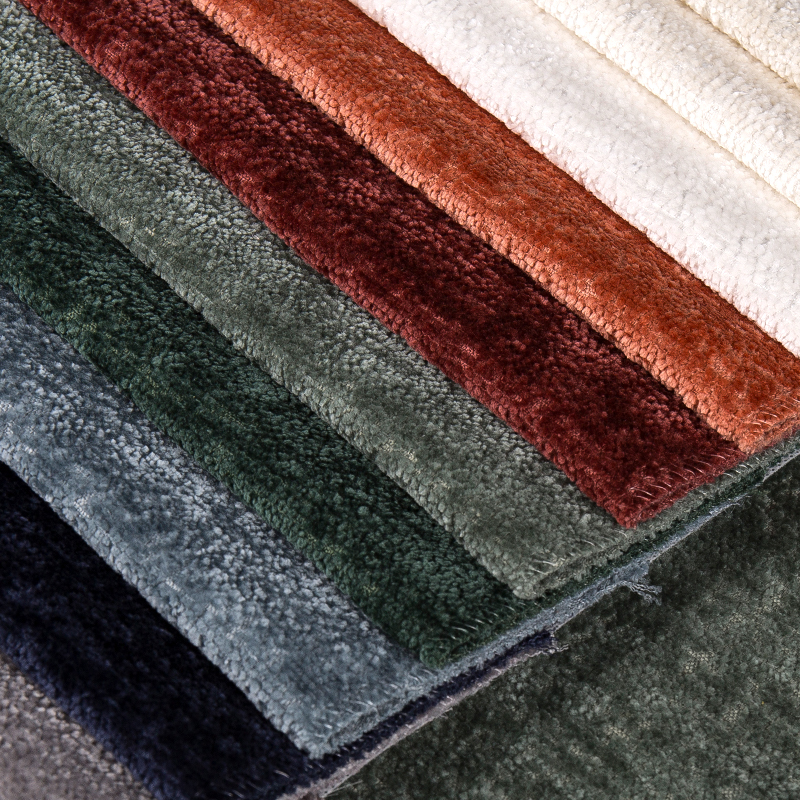
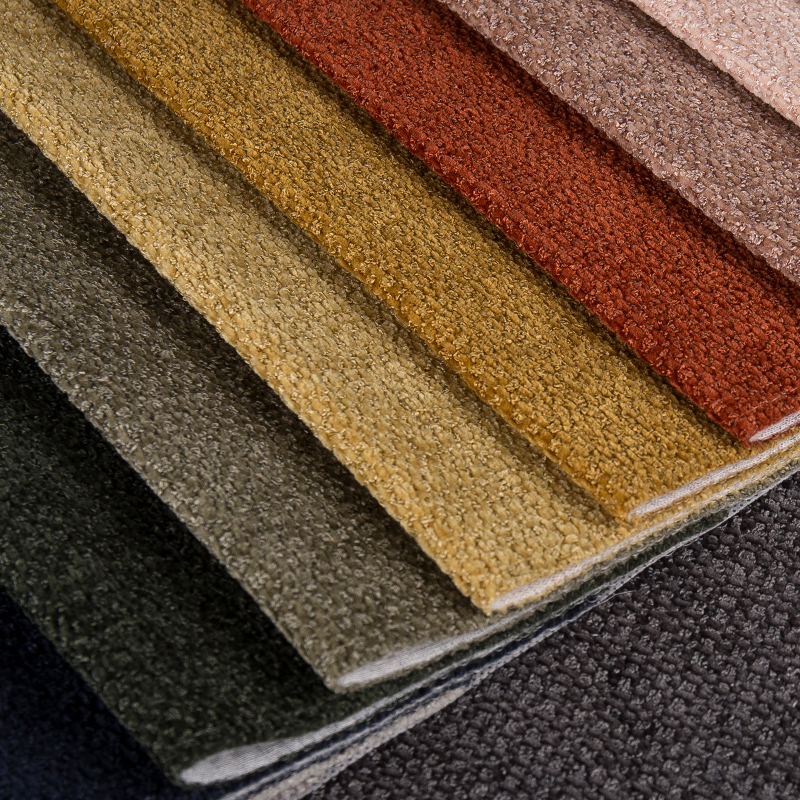
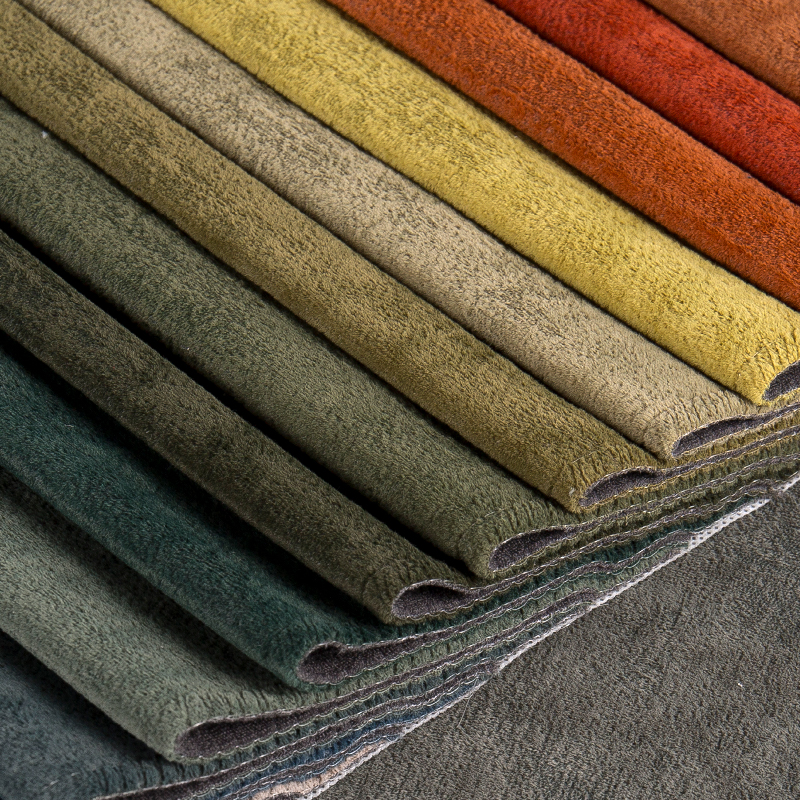
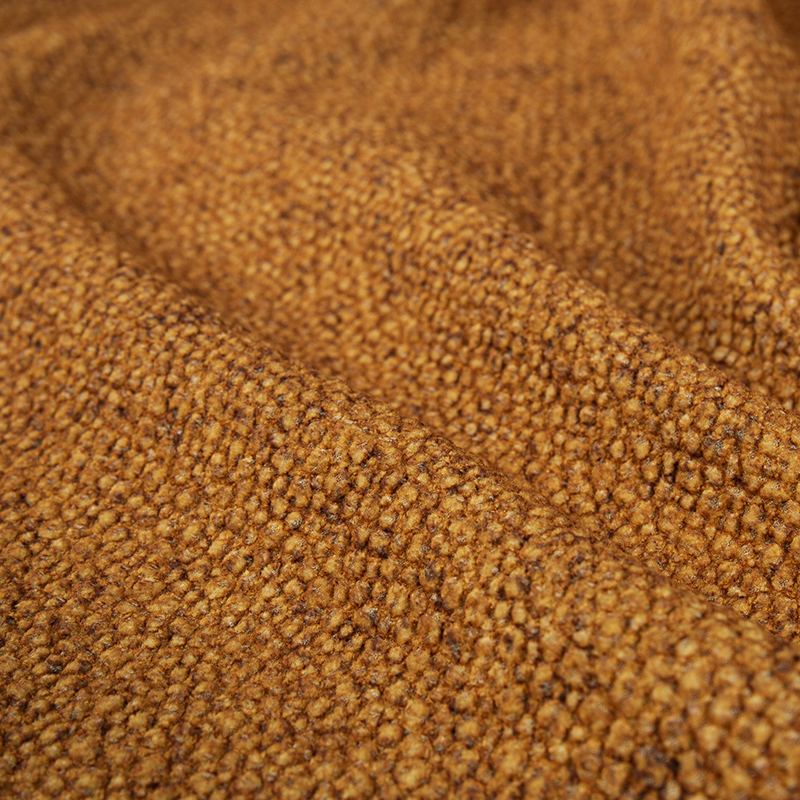
Sourcing the right upholstery textile is one of the most consequential decisions a furniture manufacturer or B2B buyer makes. Among the options available today, warp knit flat sofa fabric stands out for its structural consistency, clean surface, and reliable performance across high-volume production runs. This guide walks through everything procurement teams need to know—from how warp knitting works to what specifications to request when buying wholesale polyester knit for sofa applications.
Content
Warp knit flat sofa fabric is produced through a warp-knitting process in which one or several groups of parallel-arranged yarns are simultaneously looped on all the working needles of a warp-feeding machine. Unlike weft knitting, where a single yarn runs horizontally across the fabric, warp knitting interlocks yarns vertically and diagonally, creating a structure that is fundamentally more stable under stress.
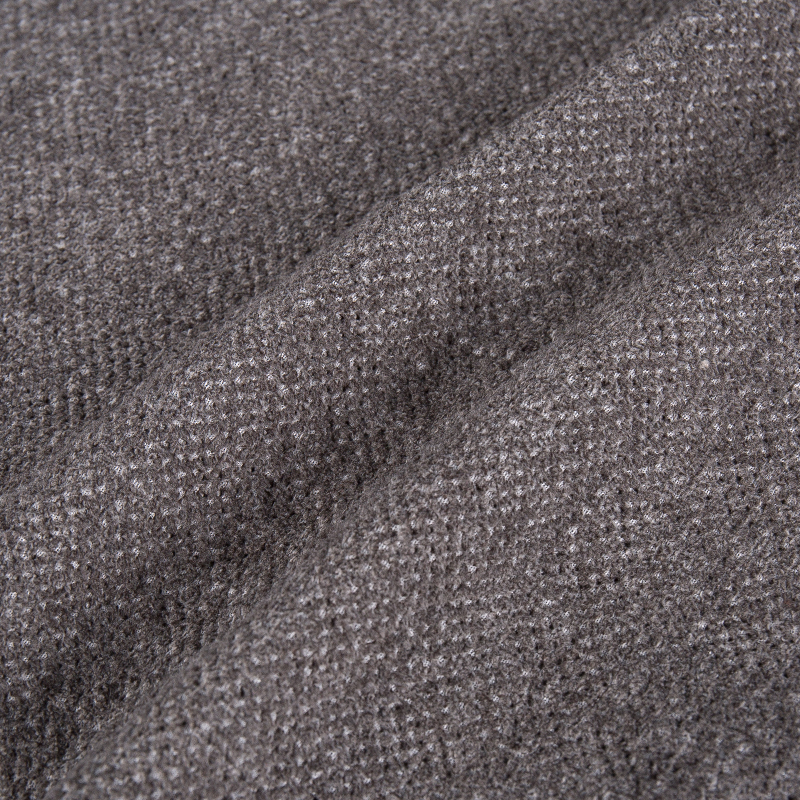
The result is a flat, dense textile with a smooth face and minimal surface texture variation. For sofa applications, this matters enormously: the fabric must maintain its appearance through years of seating pressure, friction, and cleaning cycles. Warp knit construction delivers exactly that, with the added benefit of excellent breathability that keeps seating surfaces comfortable during extended use.
Understanding the technical properties of warp knit flat sofa fabric helps buyers write accurate specifications and avoid costly substitutions. The following characteristics define this fabric category and differentiate it from alternatives such as woven upholstery cloth or weft-knitted velvet.
The vertical yarn orientation in warp knitting provides exceptional resistance to lengthwise stretching. Upholstered furniture frames exert consistent downward tension on cover fabric. A material that elongates over time produces visible sagging, seam stress, and premature wear. Warp knit flat sofa fabric resists this deformation far better than most knitted alternatives, maintaining its original dimensions through repeated load cycles.
The fabric has a noticeably firm, crisp handle compared to circular-knit alternatives. This body makes it easier to cut, position, and sew during upholstery production. Fabric that holds its shape on the cutting table reduces errors and speeds up assembly, which translates directly to lower manufacturing costs per unit.
Two of the most frustrating properties in upholstery knits are edge curl and yarn detachment. Warp knit flat sofa fabric is engineered to eliminate both. Cut edges lie flat without rolling, simplifying the sewing process and eliminating the need for edge treatments. The interlocked warp structure also resists yarn pullout, meaning seams and edges do not unravel under tension or after cutting.
Despite its density, warp knit construction maintains open channels between yarn loops. Air circulates through the fabric structure, preventing heat buildup beneath seated occupants. This is particularly important for sofas used in warm climates or in commercial environments where furniture sees continuous use throughout the day.
Nearly all commercial warp knit sofa fabrics are built on a polyester fiber base, and there are clear technical and commercial reasons for this. Polyester knitted sofa fabrics offer a performance profile that natural fibers and most synthetics cannot match at scale.
Buyers evaluating multiple fabric options benefit from a direct comparison of performance attributes. The table below benchmarks warp knit flat sofa fabric against two common alternatives: woven upholstery fabric and weft-knitted velvet.
| Property | Warp Knit Flat Sofa Fabric | Woven Upholstery Fabric | Weft-Knitted Velvet |
| Edge Curl | None | None | Moderate |
| Longitudinal Stability | High | Very High | Low |
| Breathability | Good | Moderate | Low |
| Sewability | Excellent | Good | Challenging |
| Abrasion Resistance | High | Very High | Moderate |
| Cost per Meter | Low–Medium | Medium–High | Medium |
For buyers prioritizing production efficiency, sewability, and cost control without sacrificing surface durability, warp knit flat sofa fabric consistently emerges as the most balanced option.
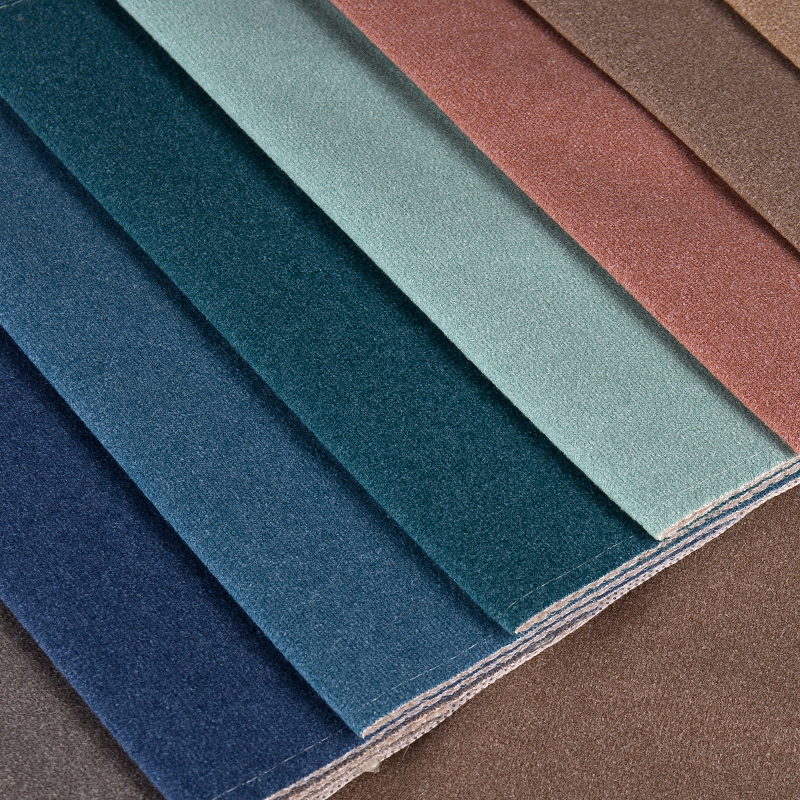
When placing wholesale polyester knit orders for sofa fabric programs, vague specifications result in inconsistent quality across shipments. The following parameters should appear in every purchase order or product development brief:
Requesting lab test reports—covering pilling resistance (ISO 12945-2), Martindale abrasion cycles, and dimensional change after washing—before approving production is standard practice for responsible sourcing of wholesale polyester knit at scale.
Polyester knitted sofa fabrics based on warp knit construction serve a broad range of interior applications beyond standard residential sofas. The structural and surface properties that make this fabric effective for seating translate well into adjacent product categories.
Selecting the right supplier for warp knit flat sofa fabric involves more than comparing per-meter prices. Buyers should evaluate suppliers on their ability to maintain consistency across large shipments, their minimum order quantities for custom colors or widths, and their lead times relative to production schedules.
Make-to-order suppliers offer significant advantages for programs requiring specific GSM, color, or finish configurations. Unlike suppliers working from generic inventory, MTO manufacturers produce against confirmed specs, which reduces the risk of off-standard material entering your supply chain. For wholesale polyester knit programs targeting high-volume furniture production, this model supports quality consistency across repeat orders while accommodating seasonal color updates or construction changes without minimum stock commitments.
Request physical samples with accompanying lab test data before committing to any new supplier. Evaluate the sample not only for surface aesthetics but for hand feel, edge behavior after cutting, and seam performance under tension. These functional tests, rather than visual inspection alone, determine whether a warp knit flat sofa fabric will perform reliably once it reaches your production line.
Related Products

Contact us
Address
Hangfu Road 106#, Chongfu Town, Tongxiang City, Zhejiang, China
Phone
+86-15067379939
linachen@climbingtex.com / zac@climbingtex.com
lianniu@climbingtex.com
Fax/Tel
+86-573-88385698
products
QR CODE
 Home Textile Manufacturers
Sofa Fabric Factory
Home Textile Manufacturers
Sofa Fabric Factory
 English
 Español
 عربى
عربى