Apr 15, 2026
Content
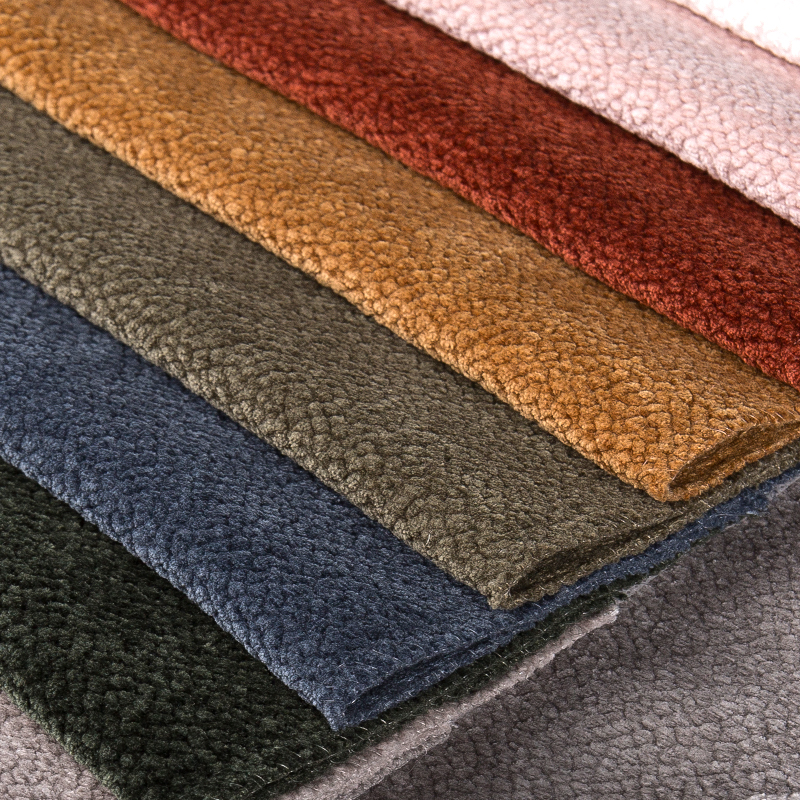
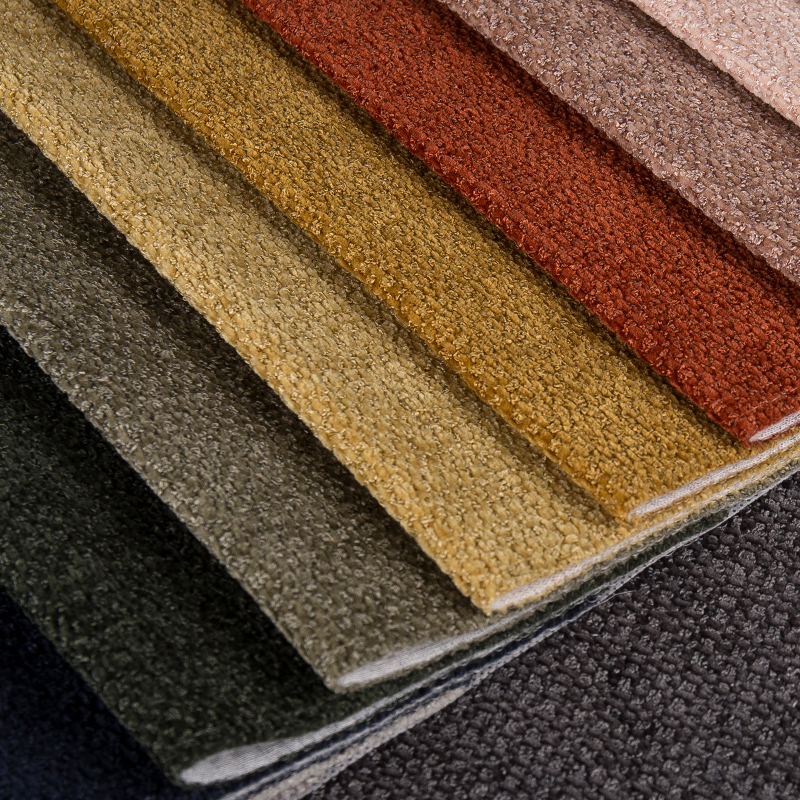
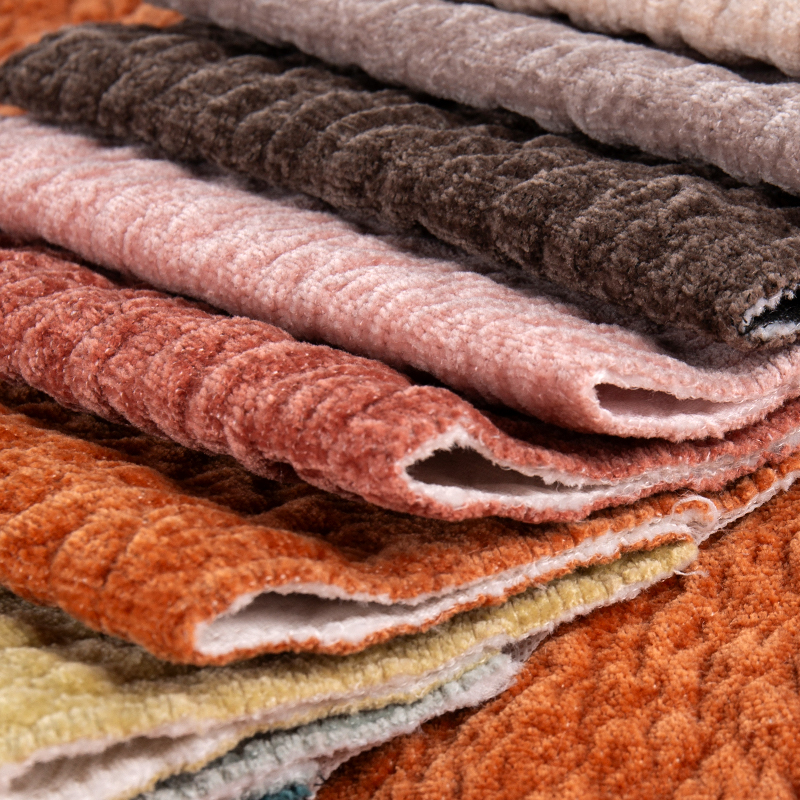
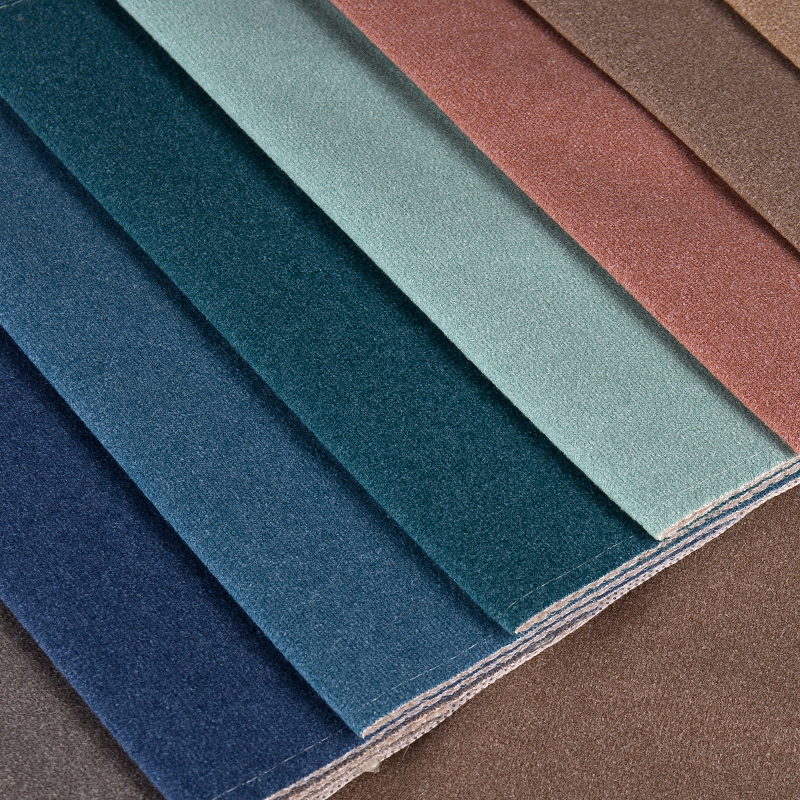
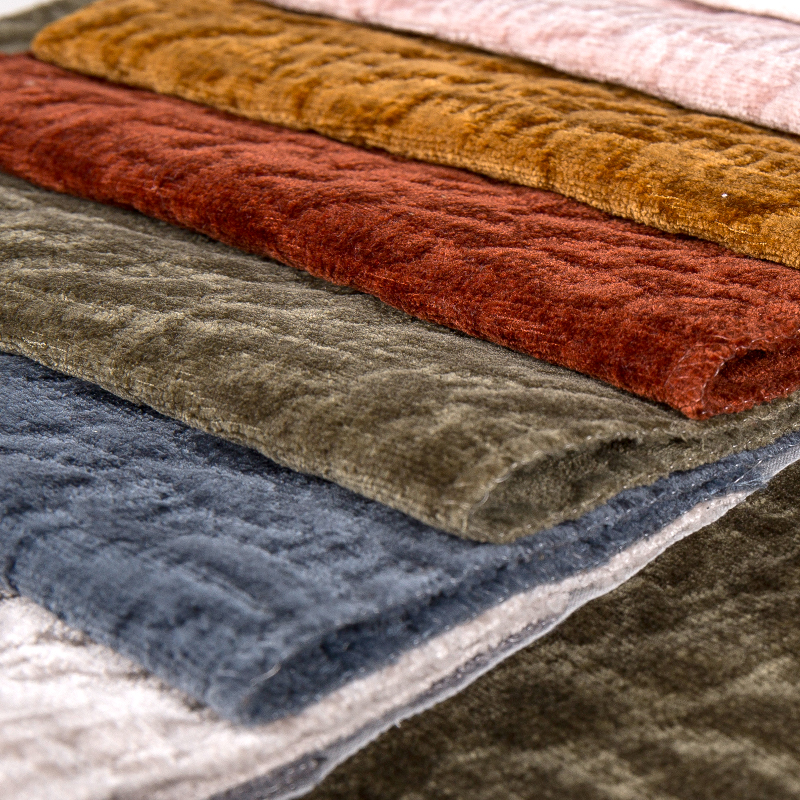
Among the many options available in today's upholstery market, polyester chenille sofa upholstery fabric has earned a reputation as one of the most versatile and visually appealing choices for residential and commercial furniture. The word "chenille" originates from the French word for caterpillar, a reference to the fabric's characteristic fuzzy, velvety pile that gives it a distinctly soft and plush surface.
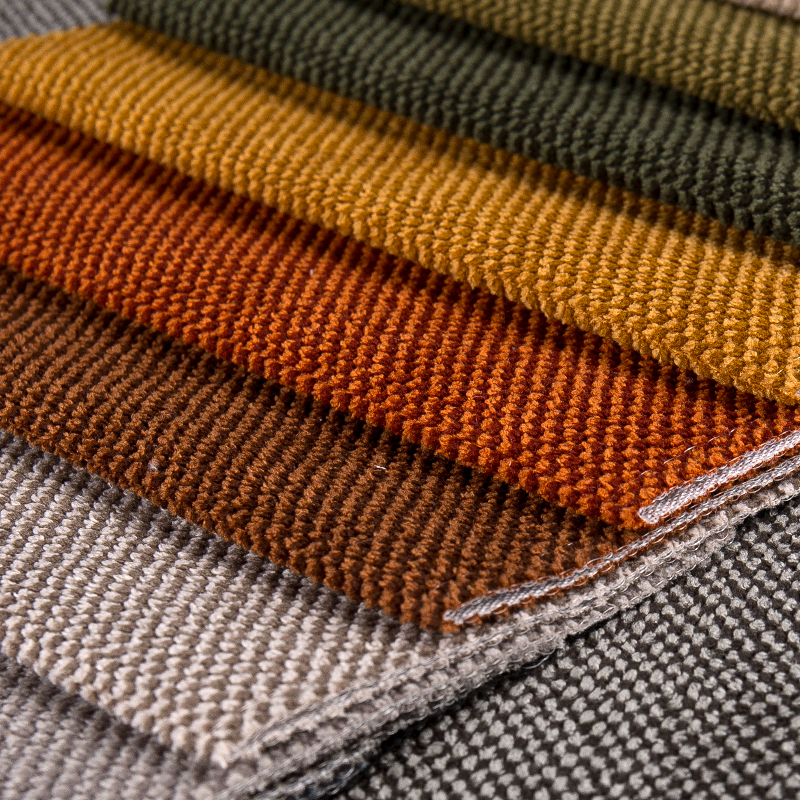
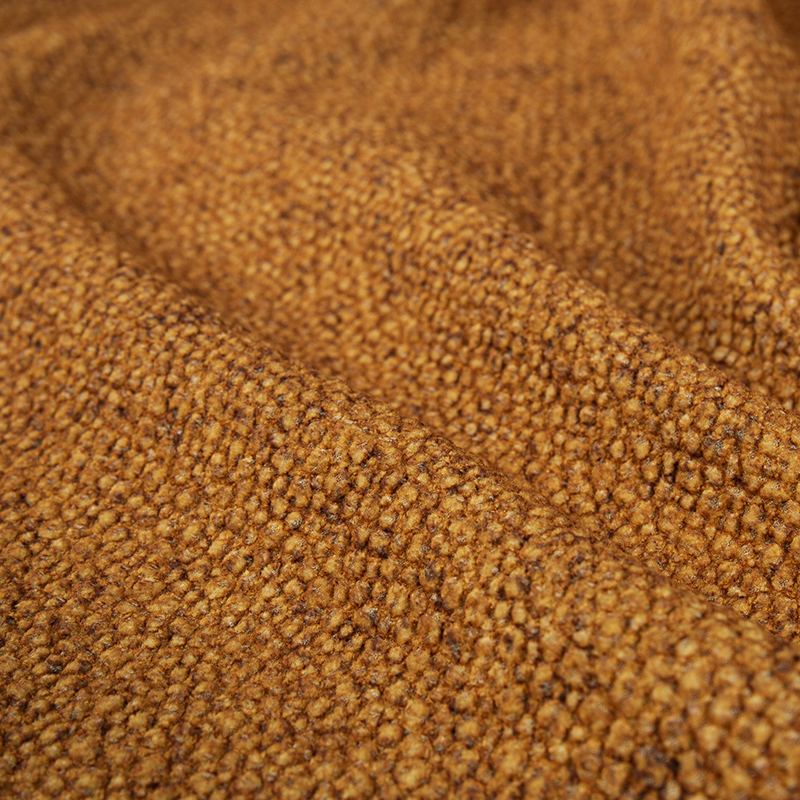
What distinguishes chenille from standard woven fabrics is its construction method. Short lengths of yarn — often polyester — are twisted around a core thread, creating a pile effect on all sides. The result is a fabric with a thick, dimensional texture that catches light differently depending on the angle, producing a subtle sheen and depth that flat woven fabrics simply cannot replicate. This optical quality makes it an excellent choice for statement sofas and accent chairs where visual richness matters.
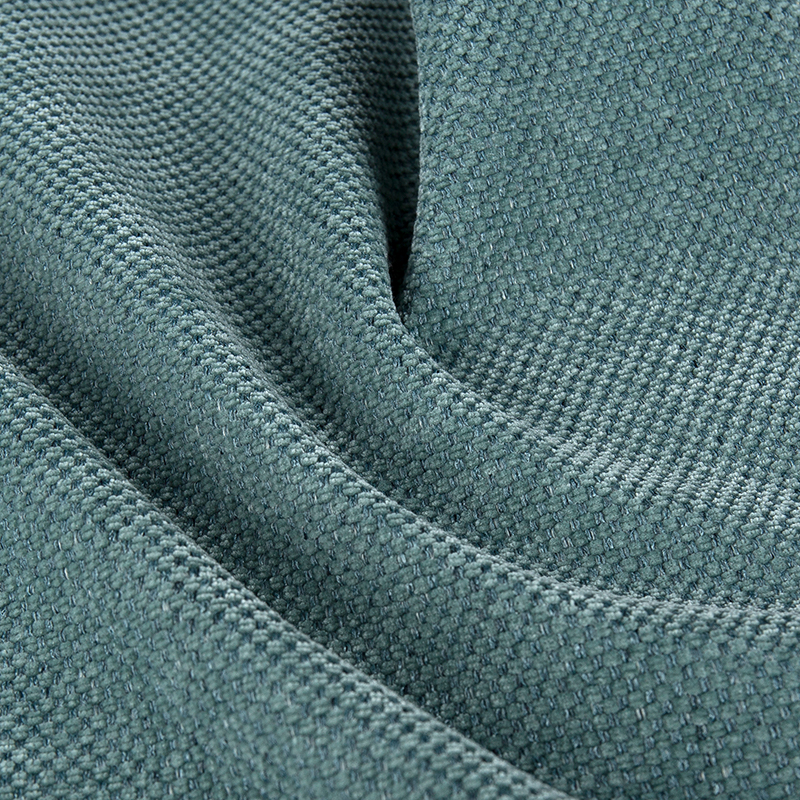
Polyester as the base fiber adds a layer of practical performance. Compared to natural fiber chenille (such as cotton or rayon), polyester woven sofa upholstery fabric in chenille form offers improved resistance to pilling, fading, and moisture absorption — properties that translate directly to a longer-lasting sofa cover in real-world use.
When selecting upholstery fabric, performance is just as important as appearance. Polyester chenille sofa upholstery fabric delivers across several critical dimensions that matter to both buyers and manufacturers.
The pile structure of chenille creates a surface that is genuinely soft to the touch — noticeably more so than flat-weave polyester or microfiber alternatives. This makes it particularly appealing for family living rooms and lounging sofas, where tactile comfort plays a significant role in everyday satisfaction. The fabric does not feel scratchy or stiff, even in lower thread-count constructions.
One often-overlooked advantage of chenille is its good thermal performance. The looped and tufted pile traps small pockets of air within the fabric structure, providing mild insulating properties. In cooler climates or air-conditioned environments, this means the sofa surface retains warmth rather than feeling cold to the touch — a comfort detail that users notice immediately.
Polyester fiber is inherently strong and resistant to abrasion. Quality polyester chenille upholstery fabric typically achieves a Martindale abrasion rating of 25,000 to 50,000 rubs or higher, depending on the yarn density and weave construction. This places it comfortably in the range suitable for residential heavy-use and light commercial applications. The fibers resist pilling better than cotton chenille, keeping the surface looking consistent over time.
Polyester accepts dye well and holds color reliably, especially when solution-dyed yarns are used. This means less fading from UV exposure or repeated cleaning — an important consideration for sofas placed near windows or in high-light rooms.
Understanding how polyester chenille compares against other popular upholstery options helps buyers make better-informed decisions. The table below summarizes the key differences across the most common sofa fabric types.
| Fabric Type | Softness | Durability | Maintenance | Style Range |
|---|---|---|---|---|
| Polyester Chenille | High | High | Easy | Wide |
| Cotton Linen Blend | Medium | Medium | Moderate | Natural tones |
| Velvet (Polyester) | Very High | Medium | Delicate | Formal/Luxe |
| Microfiber | Medium | High | Easy | Limited |
| Genuine Leather | Low–Medium | Very High | Specialized | Classic/Modern |
Polyester chenille occupies a strong mid-to-premium position — outperforming microfiber in texture and visual appeal, while being more practical and easier to maintain than velvet or genuine leather.
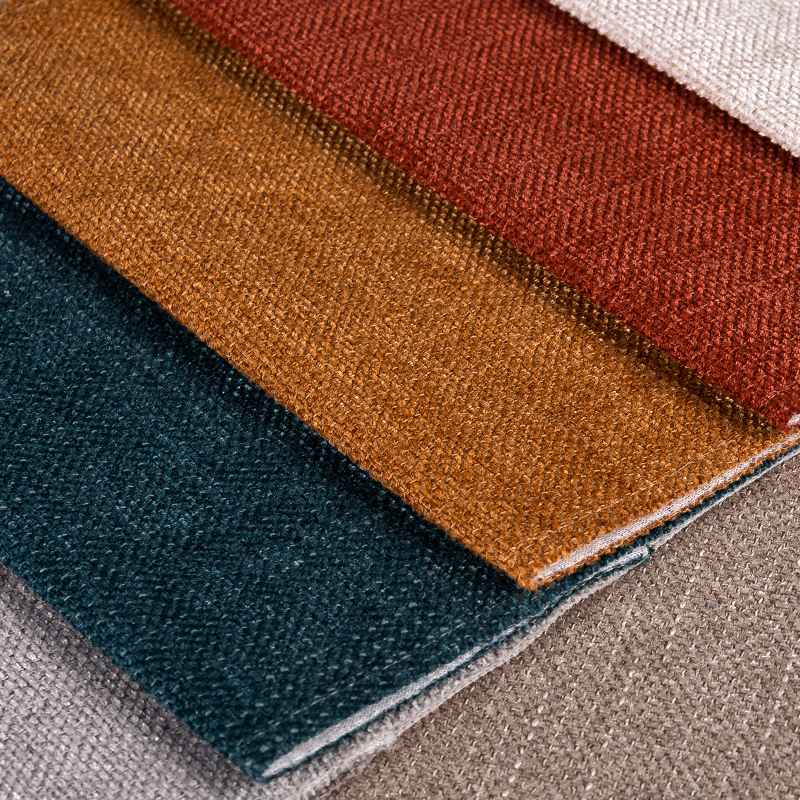
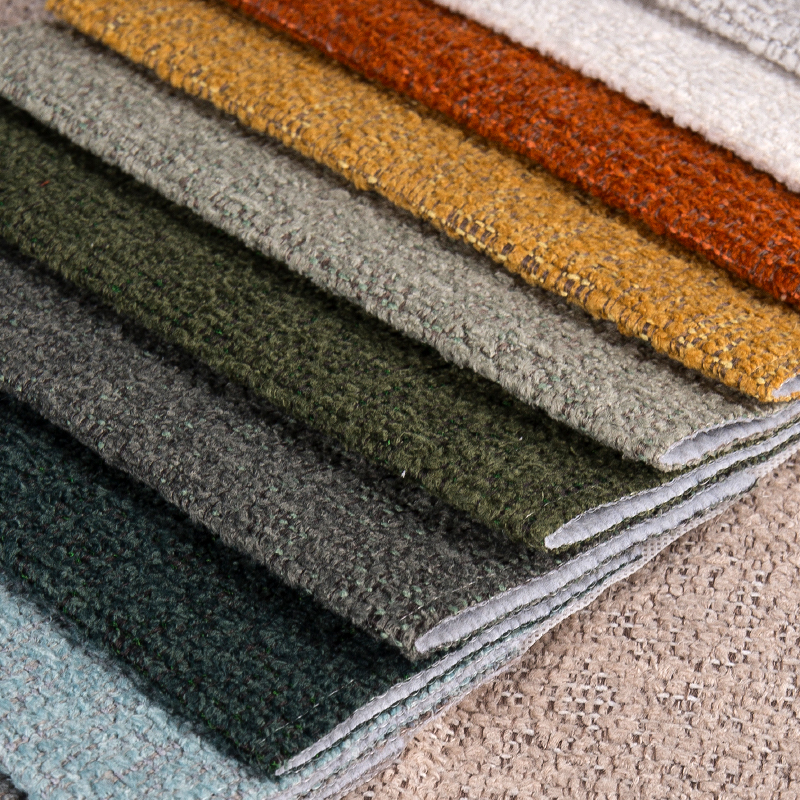
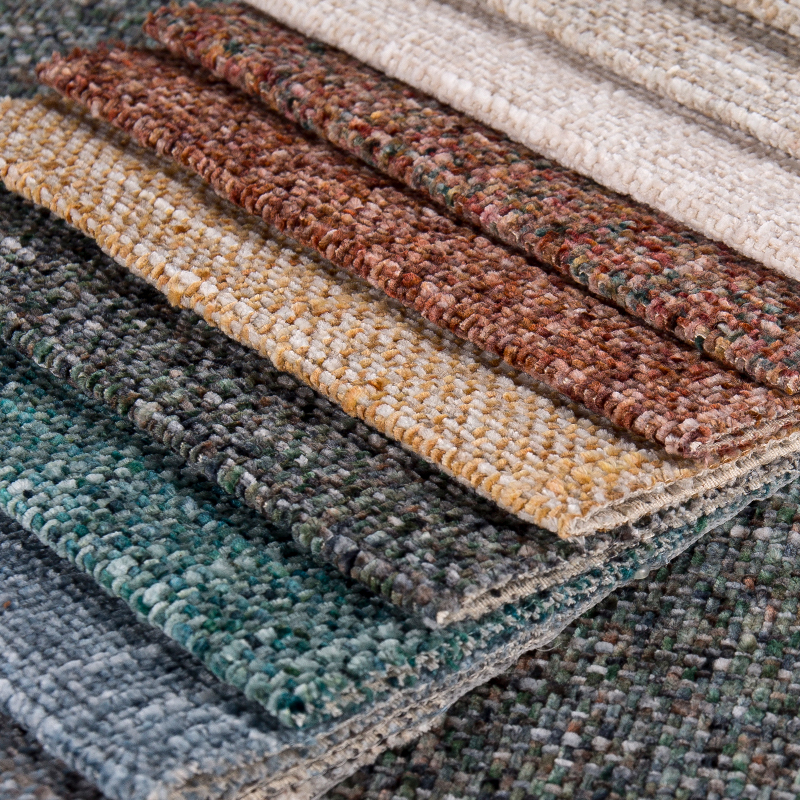
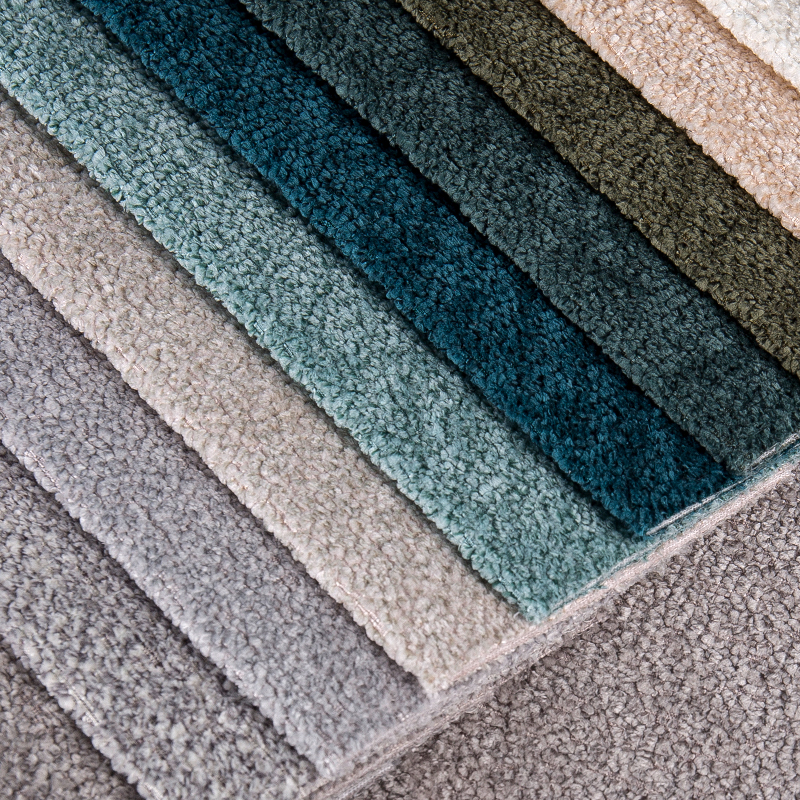
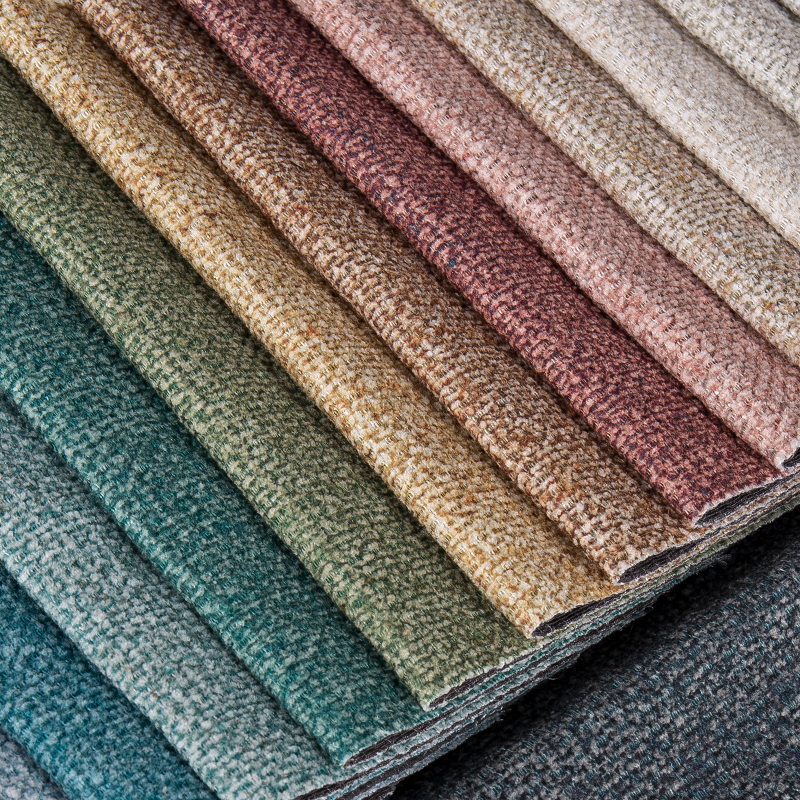
One of the most commercially valuable traits of polyester chenille sofa upholstery fabric is its adaptability to diverse design directions. Manufacturers and designers use it across a broad spectrum of styles precisely because the pile structure can be engineered to produce different visual effects.
Common design variations include:
This range of options means that whether the target aesthetic is minimalist Scandinavian, cozy transitional, or richly layered maximalist, a suitable chenille variant is available. The fabric adapts well to both tight upholstery (where the textile is stretched close to the frame) and loose cushion applications.
Despite its luxurious appearance, polyester chenille sofa upholstery fabric is relatively low-maintenance compared to natural fiber alternatives. Following the right care practices will significantly extend its lifespan and preserve its appearance.
Regular vacuuming with a soft brush attachment removes dust and loose debris without damaging the pile. This should be done at least once a week for sofas in active use. Avoid stiff bristle brushes that can snag or flatten the chenille yarn.
Act quickly when spills occur. Blot — never rub — the affected area with a clean, dry cloth to absorb as much liquid as possible. For stubborn stains, a mild detergent solution (a few drops in lukewarm water) applied with a soft cloth and blotted dry is generally effective. Always test any cleaning solution on a hidden area first.
Like all pile fabrics, chenille can develop "tracking" — directional marks where the pile has been displaced by pressure or movement. This can be minimized by rotating cushion positions periodically and avoiding sitting in the same spot repeatedly. Light brushing with a soft fabric brush can often restore the pile direction if minor flattening occurs.
Although polyester has good UV resistance, prolonged direct sunlight will eventually cause color fading in any fabric. Position sofas away from direct sun where possible, or use window treatments to filter UV exposure during peak daylight hours.
Not all chenille is equal. When sourcing polyester woven sofa upholstery fabric in chenille construction, several technical specifications should guide your selection decision.
When evaluating samples, assess the pile density by pressing a hand into the fabric and releasing — high-quality chenille should spring back consistently. Run a finger across the surface in both directions; a smooth, even pile with no loose threads indicates good yarn construction. These tactile tests, combined with the technical specifications above, provide a reliable basis for confident fabric selection.
Related Products

Contact us
Address
Hangfu Road 106#, Chongfu Town, Tongxiang City, Zhejiang, China
Phone
+86-15067379939
linachen@climbingtex.com / zac@climbingtex.com
lianniu@climbingtex.com
Fax/Tel
+86-573-88385698
products
QR CODE
 Home Textile Manufacturers
Sofa Fabric Factory
Home Textile Manufacturers
Sofa Fabric Factory
 English
 Español
 عربى
عربى