Apr 08, 2026
Content
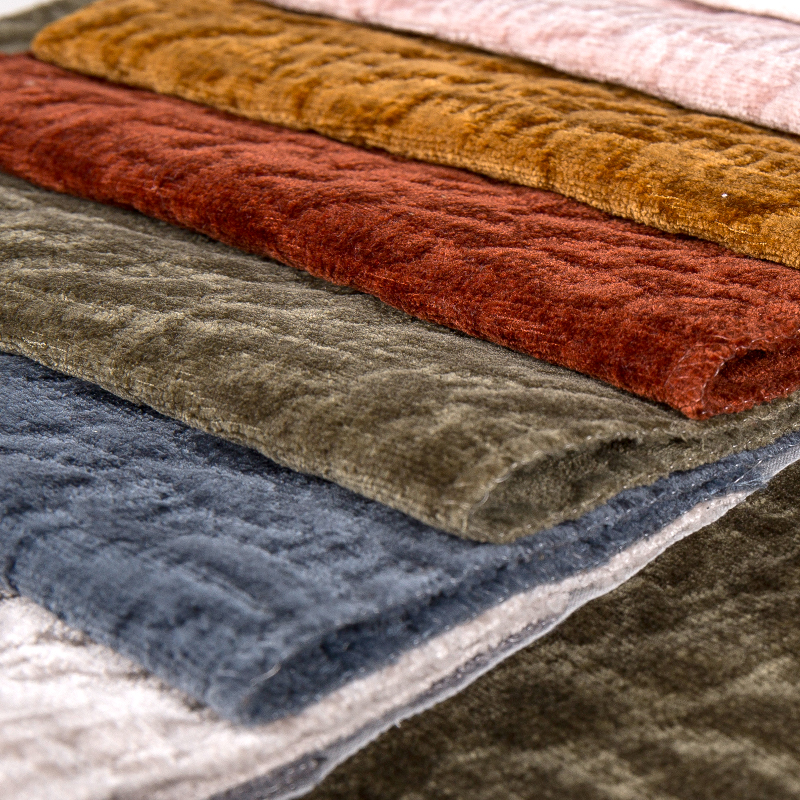
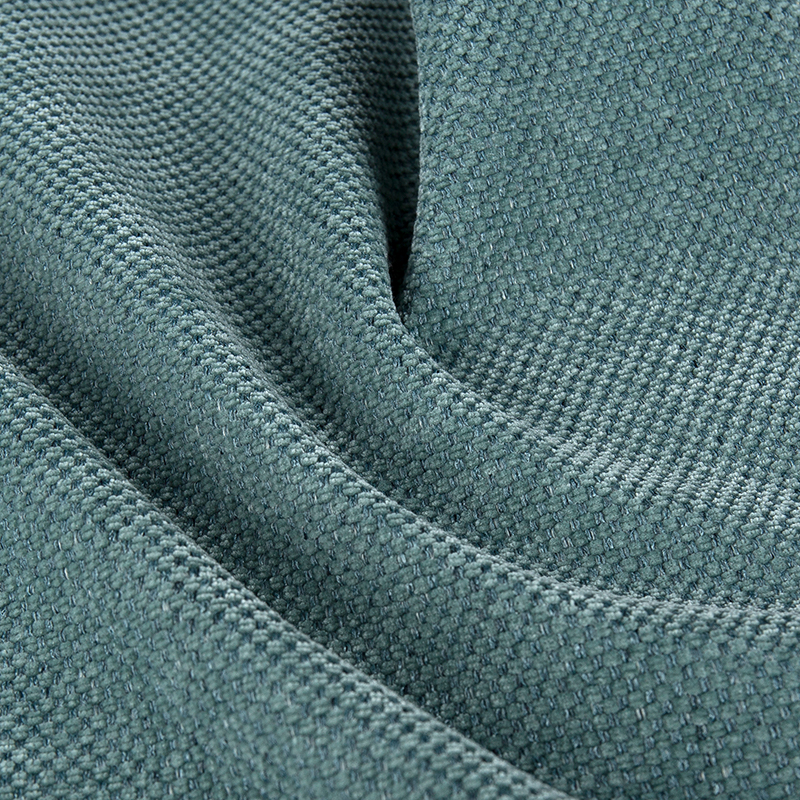
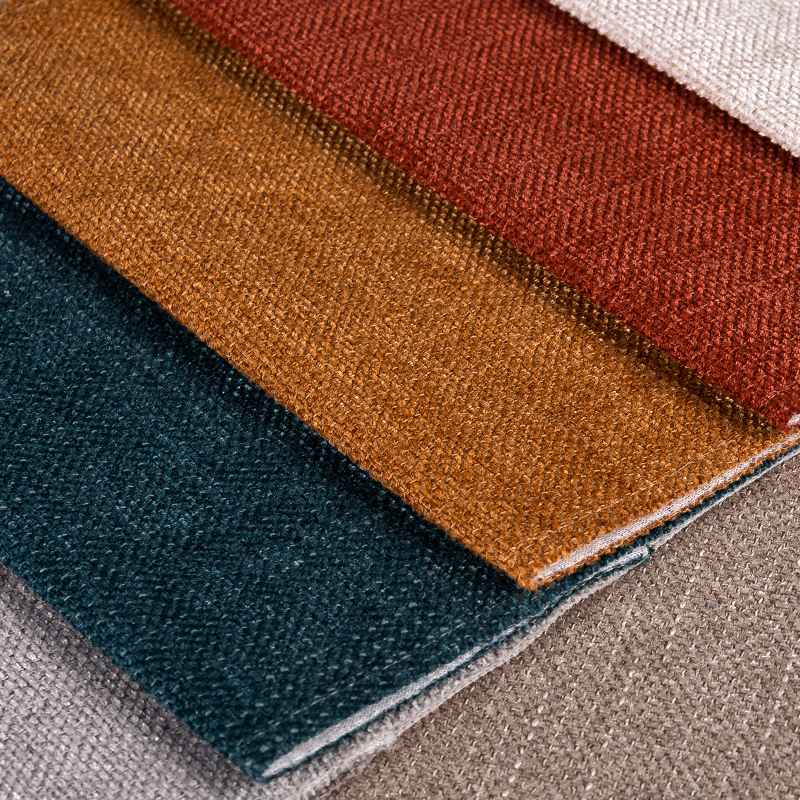
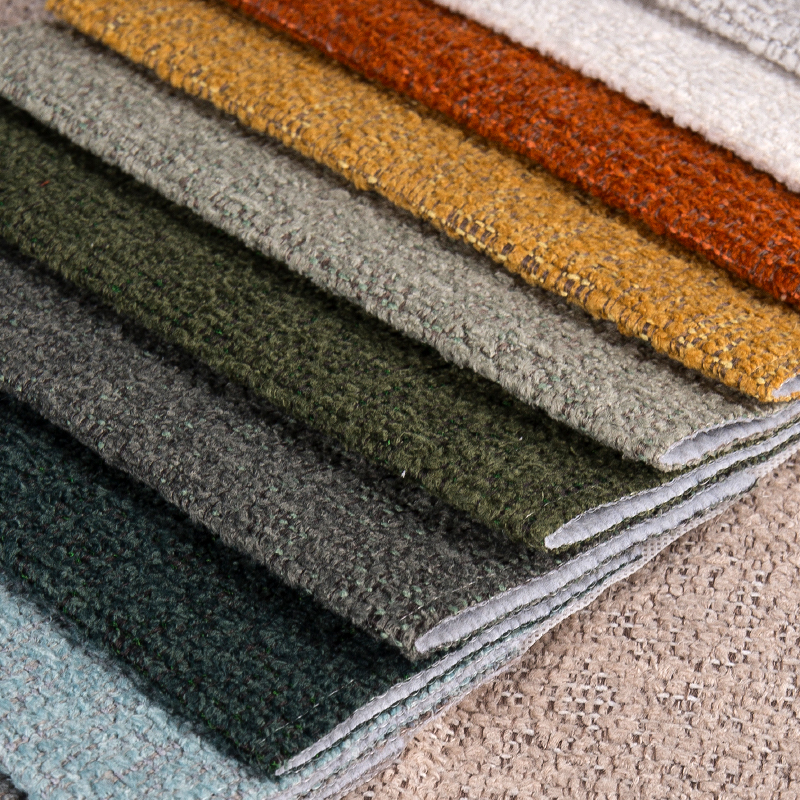
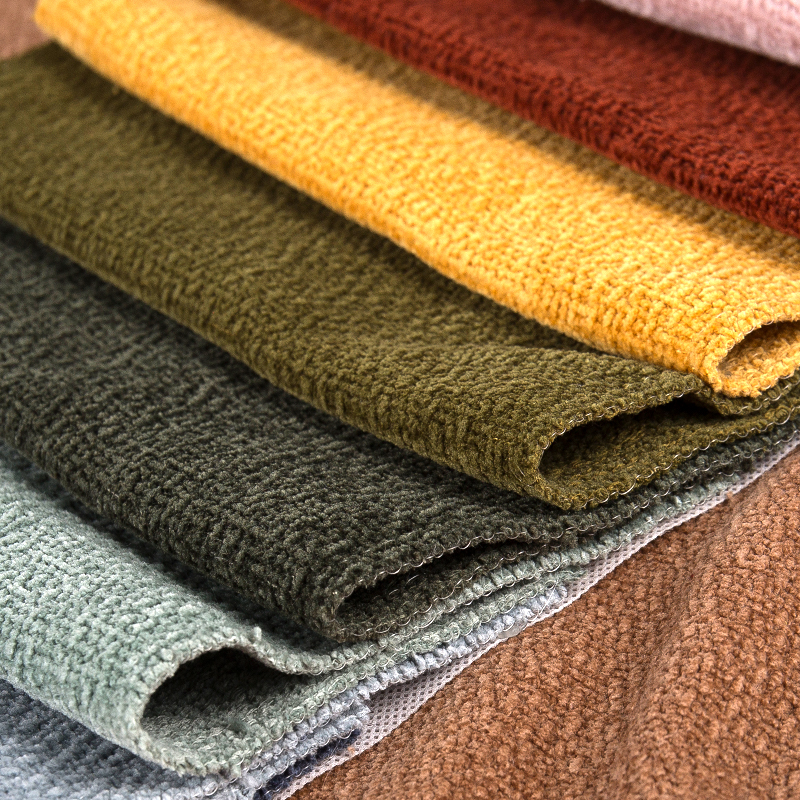
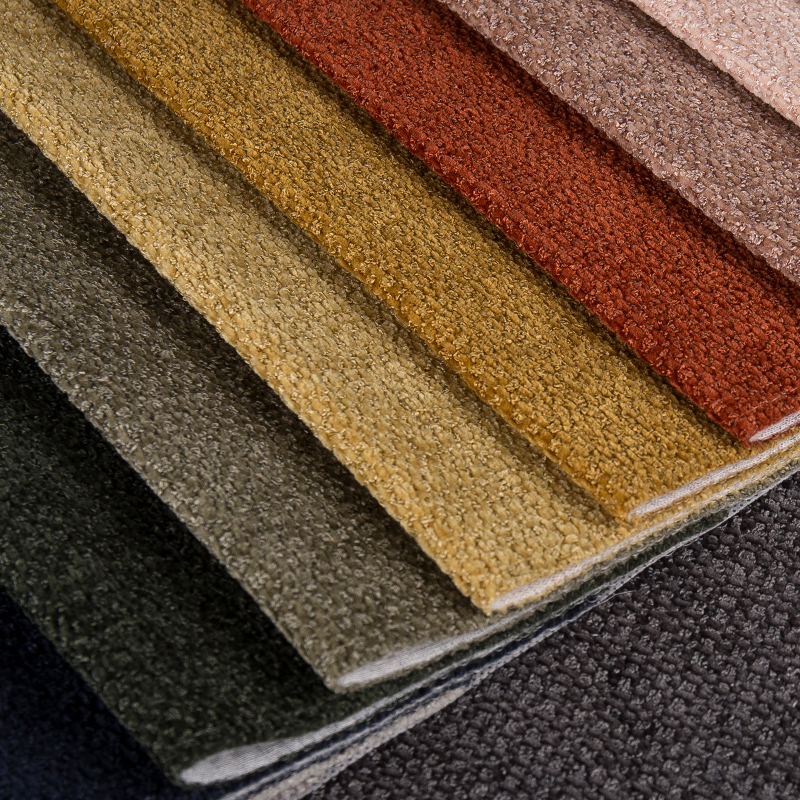
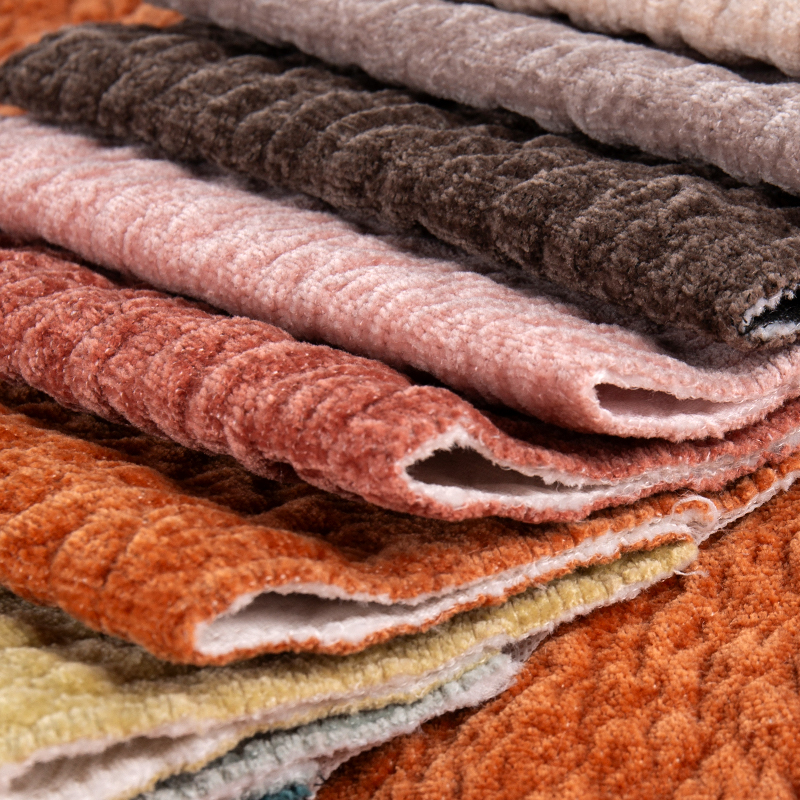
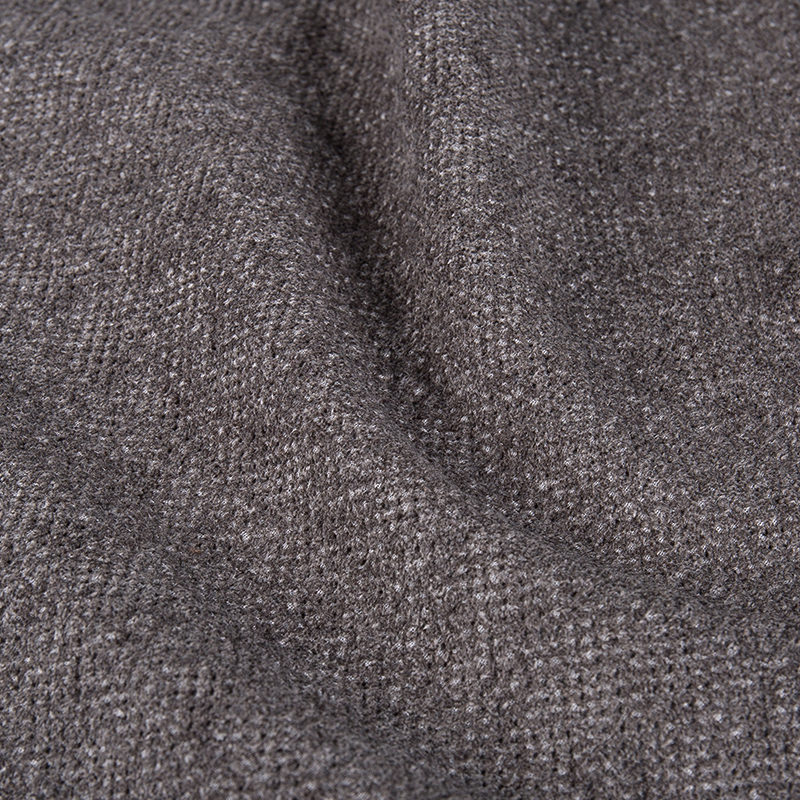
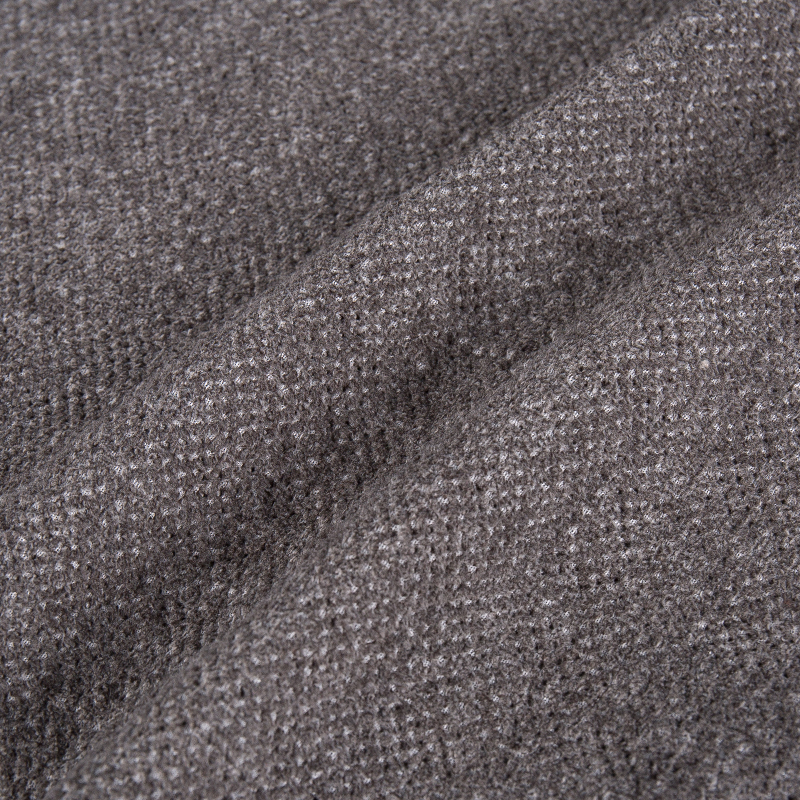
Polyester Embossed Sofa Upholstery Fabric leverages specialized thermal and mechanical processes to create three-dimensional patterns that enhance both visual appeal and tactile experience. The embossing technique involves passing the fabric through heated, engraved rollers that compress specific areas of the polyester fibers, permanently altering their surface structure to form raised or recessed designs. This process not only adds decorative depth but also improves the fabric's resistance to wrinkling and surface abrasion, as the compressed fiber zones create a more stable textile matrix. Modern manufacturing often combines embossing with chemical finishing treatments, such as softeners or stain-resistant coatings, to ensure the final product meets rigorous performance standards for residential and commercial seating applications. The inherent strength of polyester fibers, with tensile ratings exceeding 4.5 grams per denier, provides an ideal foundation for embossing, as the material maintains pattern definition even after repeated compression cycles from daily use.
Pattern formation in embossed upholstery relies on precise temperature control, typically between 180°C and 220°C, combined with calibrated roller pressure ranging from 50 to 150 PSI. These parameters vary based on fabric weight, with lighter 180 GSM materials requiring lower heat settings to prevent fiber damage, while heavier 300 GSM constructions tolerate more aggressive embossing for deeper pattern relief. The absorbing process mentioned in technical specifications refers to post-embossing treatments where the fabric undergoes steam or chemical absorption to set the pattern permanently and enhance hand feel. This step is critical for preventing pattern relaxation over time, especially in environments with fluctuating humidity levels. Manufacturers often conduct accelerated aging tests, subjecting samples to 500+ compression cycles at 40°C and 75% relative humidity, to validate long-term pattern retention before approving production batches.
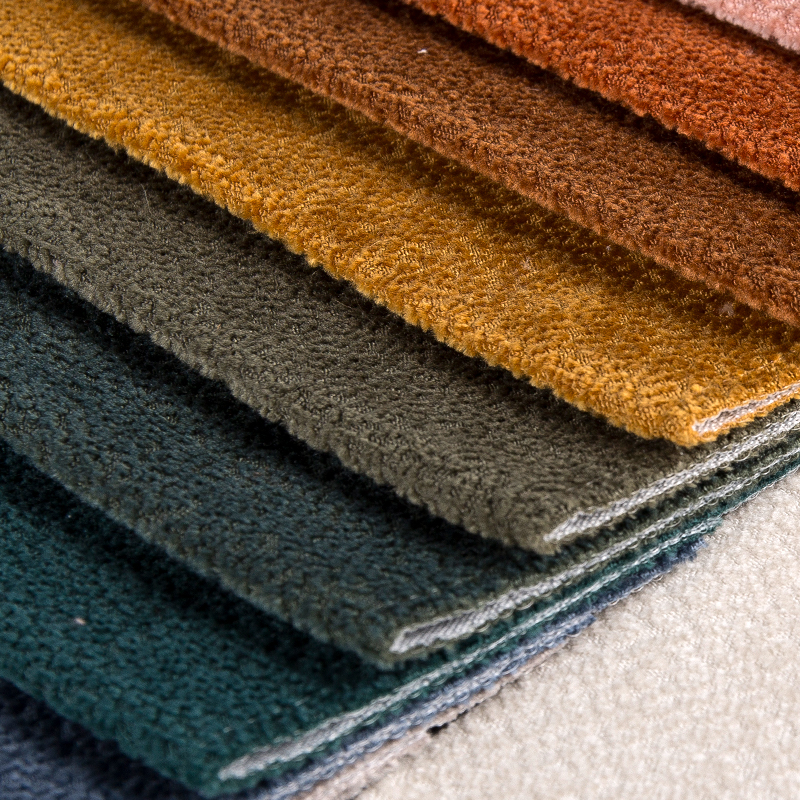
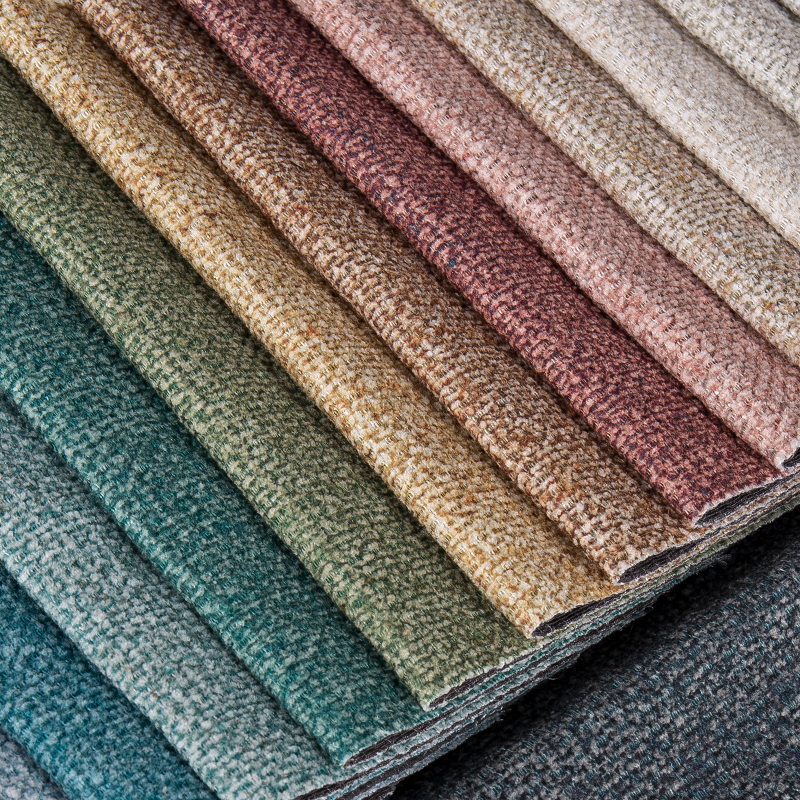
Printing And Embossing Velvet Sofa Fabric represents a sophisticated fusion of surface decoration and textural engineering, where digital or rotary printing applies intricate color patterns before embossing adds dimensional depth. This sequential approach allows designers to align printed motifs precisely with embossed contours, creating visual effects where colors appear to shift with viewing angle or tactile interaction. Velvet substrates, typically constructed with dense pile heights of 1.5mm to 3mm, provide an ideal canvas for this dual-process technique, as the cut-pile structure readily accepts both dye penetration and mechanical deformation. The embossing stage for velvet requires specialized low-pressure rollers with rubberized surfaces to avoid crushing the pile excessively while still achieving defined pattern boundaries. This balance ensures the fabric retains its characteristic soft hand while gaining enhanced visual complexity and improved soil-hiding capabilities through the textured surface.
Two primary embossing methodologies dominate production: continuous roller embossing for high-volume runs and plate-based heat transfer for custom or short-run designs. Roller embossing utilizes matched male-female cylinder pairs engraved with mirror-image patterns, allowing continuous fabric processing at speeds up to 30 meters per minute. This method excels for geometric or repeating motifs where pattern alignment consistency is paramount. Heat transfer embossing, conversely, employs silicone-coated plates heated to precise temperatures that press against the fabric for 15-45 seconds per cycle. This technique offers superior detail resolution for complex floral or organic designs, though at lower throughput rates. Both methods require pre-conditioning the polyester velvet to 65% relative humidity to ensure uniform fiber response and prevent static-related pattern distortion during processing. Post-embossing, fabrics undergo tension-controlled cooling on expanding frames to lock pattern dimensions before final finishing.
| Process Type | Pattern Depth | Production Speed | Best For |
| Roller Embossing | 0.3-0.8mm | High (25-30 m/min) | Geometric repeats |
| Heat Transfer | 0.5-1.2mm | Medium (8-12 m/min) | Complex organic designs |
| Digital Print + Emboss | 0.2-0.6mm | Low (3-5 m/min) | Custom photo-realistic patterns |
Long-term performance of embossed polyester upholstery depends on proper care protocols that preserve both pattern integrity and fiber strength. Regular vacuuming with a soft brush attachment removes surface particulates that could gradually abrade embossed peaks, while immediate blotting of liquid spills prevents dye migration in printed varieties. For deeper cleaning, manufacturers recommend pH-neutral detergents applied with minimal moisture, followed by air drying away from direct heat sources that could cause pattern relaxation. Testing shows that Polyester Embossed Sofa Upholstery Fabric maintains over 90% of its original pattern definition after 20,000 double-rub abrasion cycles when cleaned according to these guidelines. Additionally, rotating cushion positions every three months distributes wear evenly across high-contact zones, extending the fabric's aesthetic lifespan in active household environments.
Light exposure represents the primary challenge for printed and embossed velvet applications, particularly in sun-dense interior spaces. High-quality productions utilize solution-dyed polyester fibers where pigments are integrated during extrusion, providing superior UV resistance compared to piece-dyed alternatives. When combined with embossing, this approach ensures pattern visibility remains consistent even if surface colors experience minimal fading over years of exposure. Accelerated weathering tests per AATCC TM16 standards demonstrate that properly manufactured Printing And Embossing Velvet Sofa Fabric retains acceptable color difference ratings (Delta E < 3.0) after 500 hours of xenon-arc exposure. For maximum longevity, interior designers recommend positioning embossed velvet seating away from direct afternoon sunlight or installing UV-filtering window treatments in rooms with prolonged solar exposure.
The textural complexity of embossed polyester upholstery creates versatile design opportunities across multiple interior aesthetics. In contemporary spaces, geometric embossing patterns in monochromatic colorways add subtle sophistication without visual clutter, while traditional settings benefit from floral or damask motifs that complement ornate furnishings. The light-reflective properties of embossed peaks can be strategically leveraged to enhance room perception: vertically oriented patterns draw the eye upward to emphasize ceiling height, while horizontal motifs visually widen narrow seating areas. When specifying Printing And Embossing Velvet Sofa Fabric for commercial projects, designers should request physical swatches under both natural and artificial lighting to evaluate how embossed textures interact with intended illumination schemes. This practice prevents unexpected visual effects where pattern shadows may appear more pronounced under certain light angles.
Successful integration of embossed upholstery requires thoughtful coordination with surrounding materials and color palettes. Pairing subtly embossed fabrics with smooth leather accents creates tactile contrast that elevates perceived quality, while combining multiple embossed patterns demands careful scale management to avoid visual competition. A practical approach involves selecting one dominant embossed motif for primary seating, then using complementary solid or minimally textured fabrics for secondary pieces. Color coordination should account for how embossing affects perceived hue: raised areas catch more light and appear slightly lighter than recessed zones, potentially creating a two-tone effect within a single colorway. Designers can leverage this characteristic by choosing color families where the light-dark variation enhances rather than conflicts with the intended aesthetic.
Related Products

Contact us
Address
Hangfu Road 106#, Chongfu Town, Tongxiang City, Zhejiang, China
Phone
+86-15067379939
linachen@climbingtex.com / zac@climbingtex.com
lianniu@climbingtex.com
Fax/Tel
+86-573-88385698
products
QR CODE
 Home Textile Manufacturers
Sofa Fabric Factory
Home Textile Manufacturers
Sofa Fabric Factory
 English
 Español
 عربى
عربى