Mar 31, 2026
Content
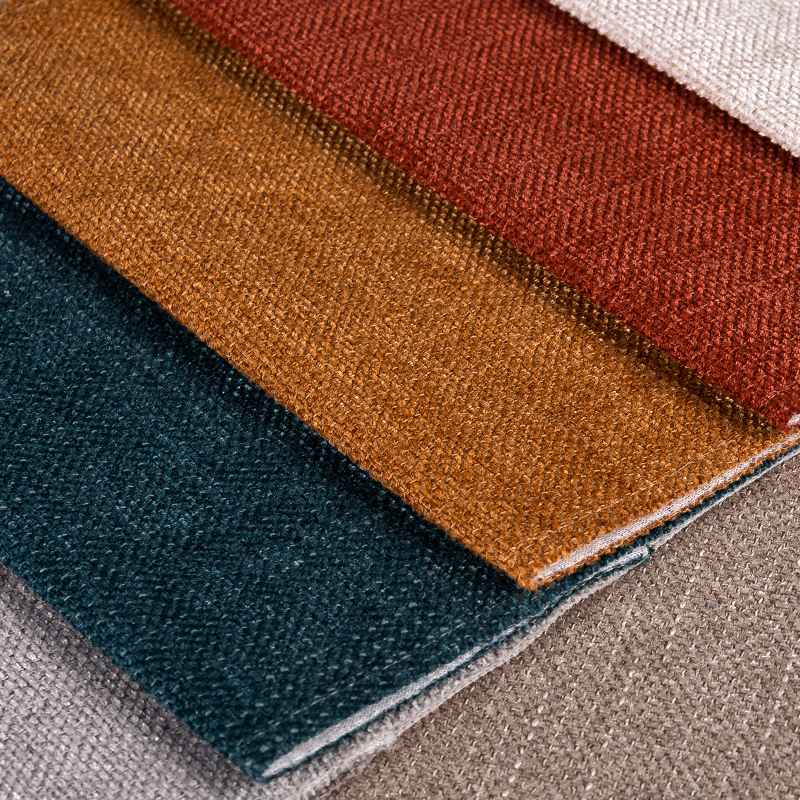
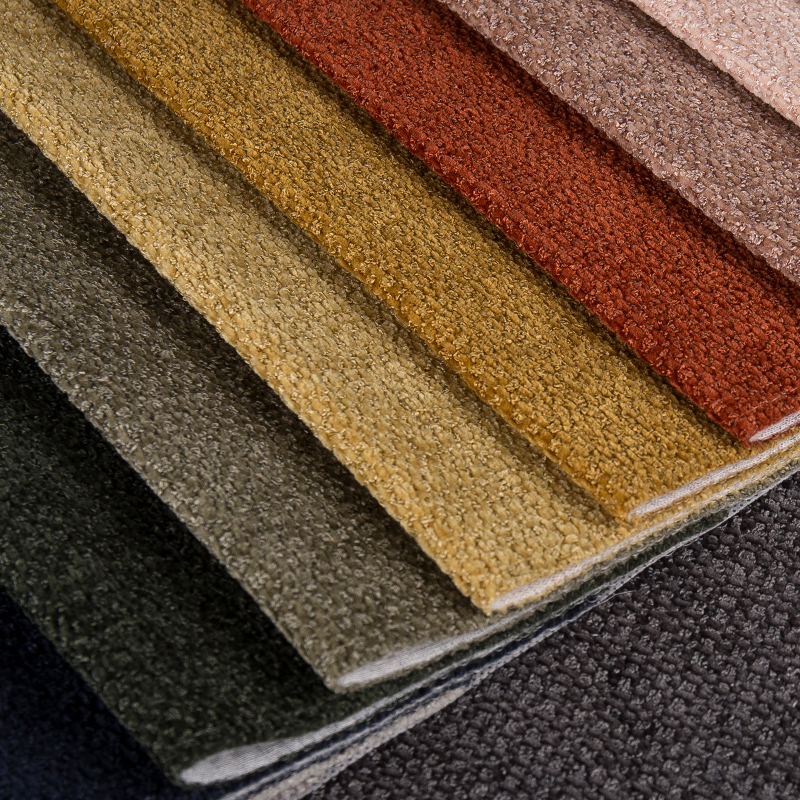
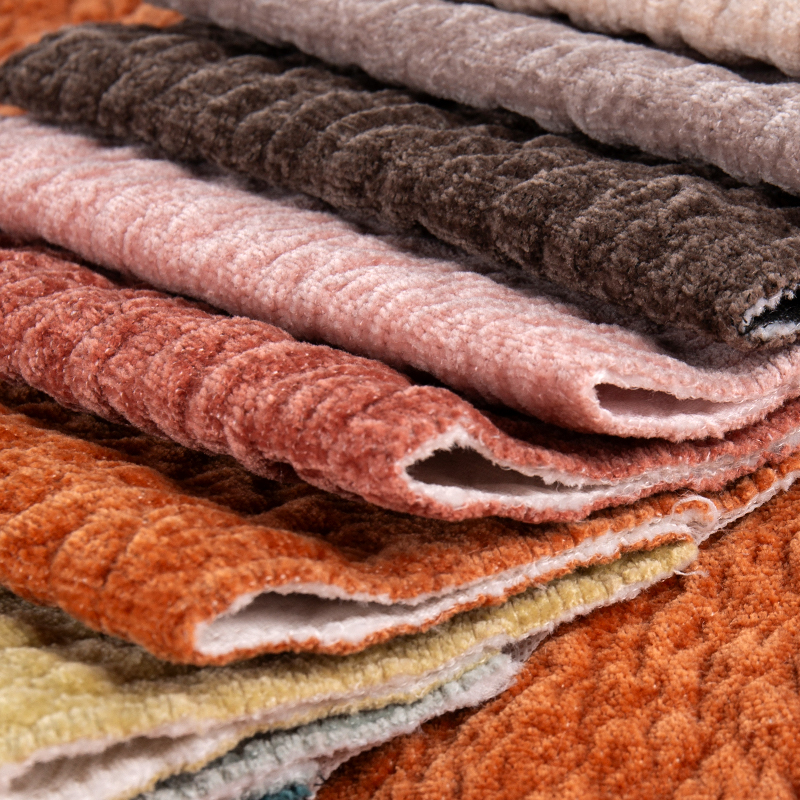
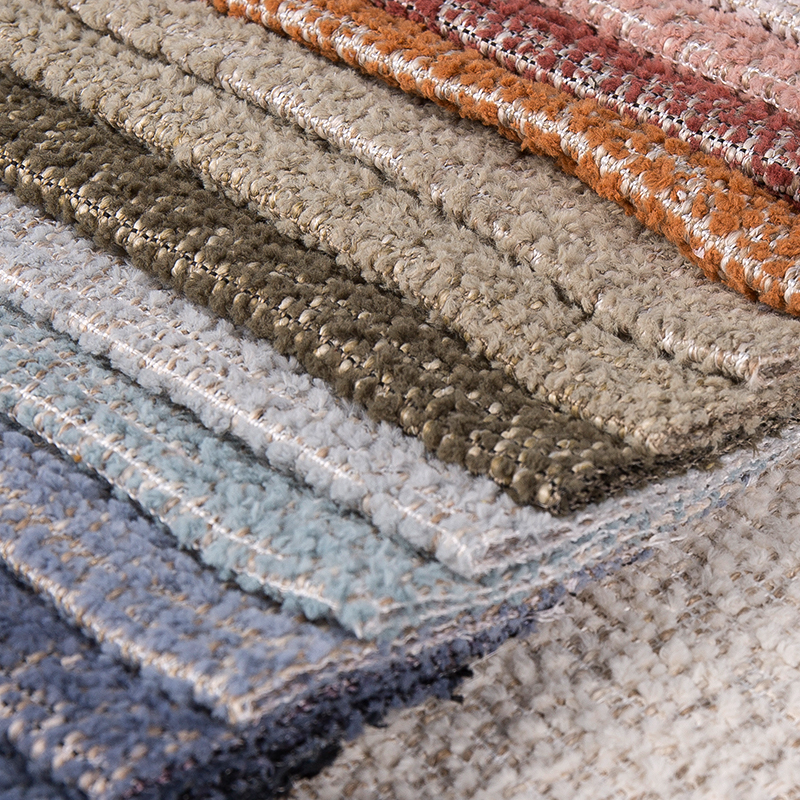
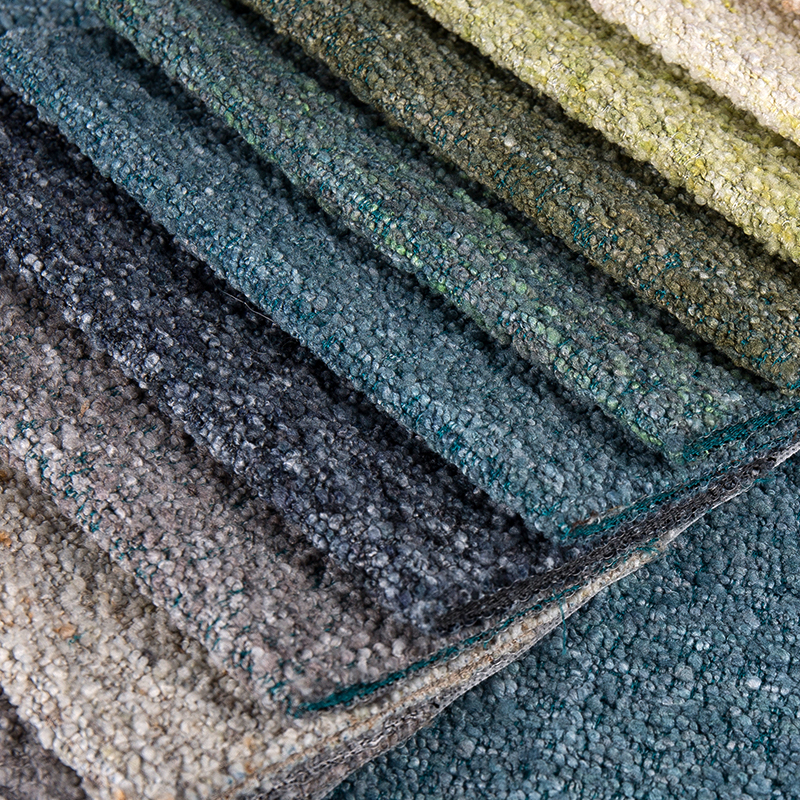
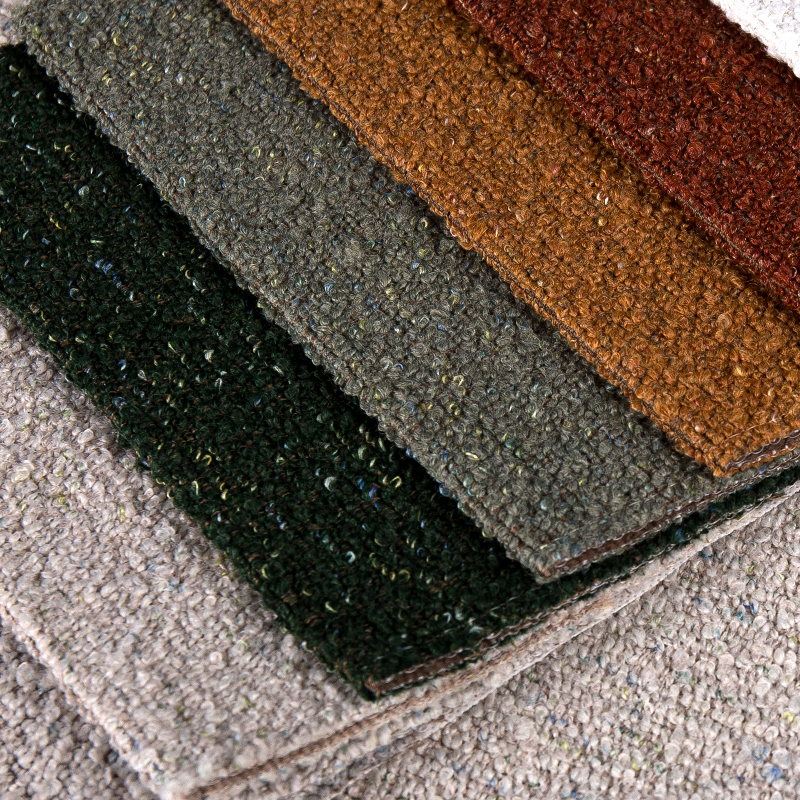
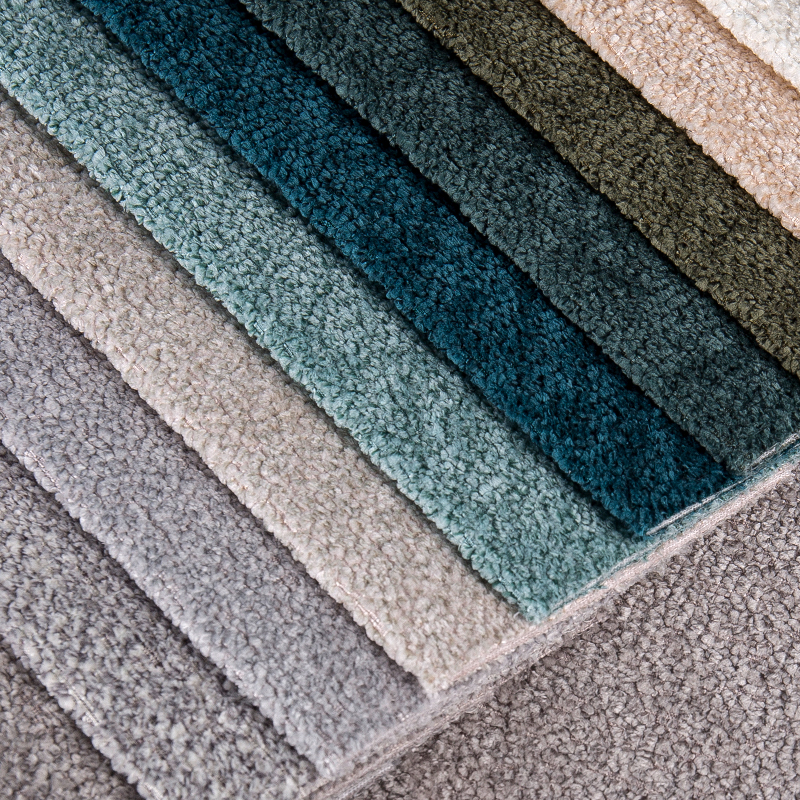
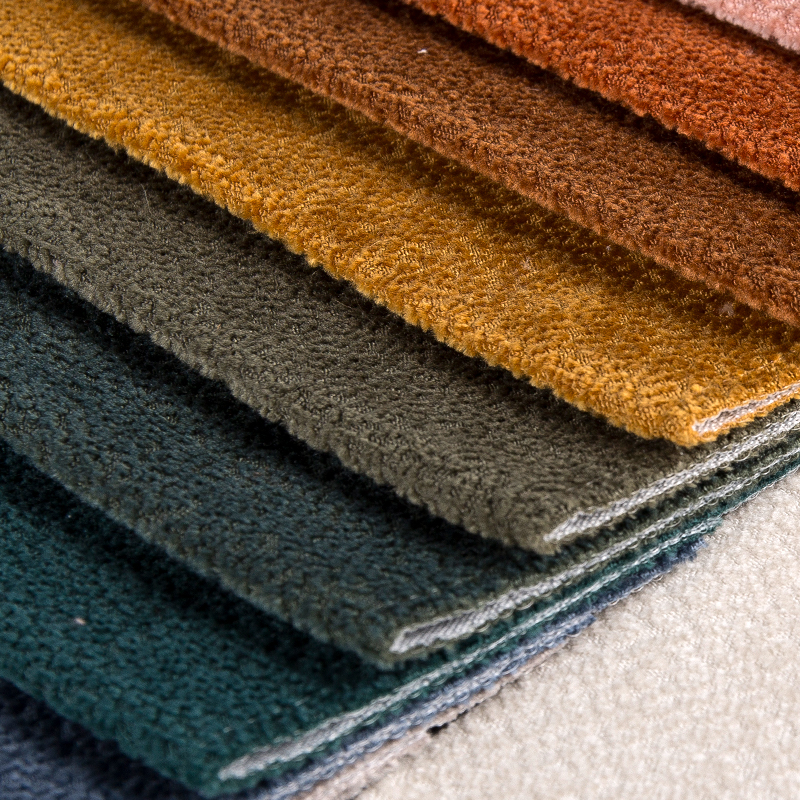
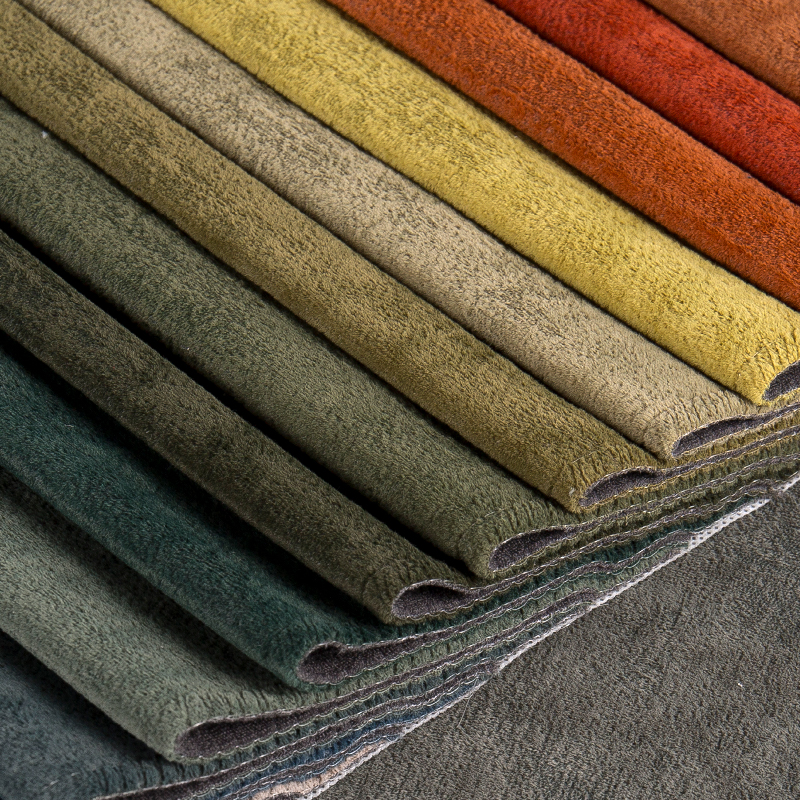
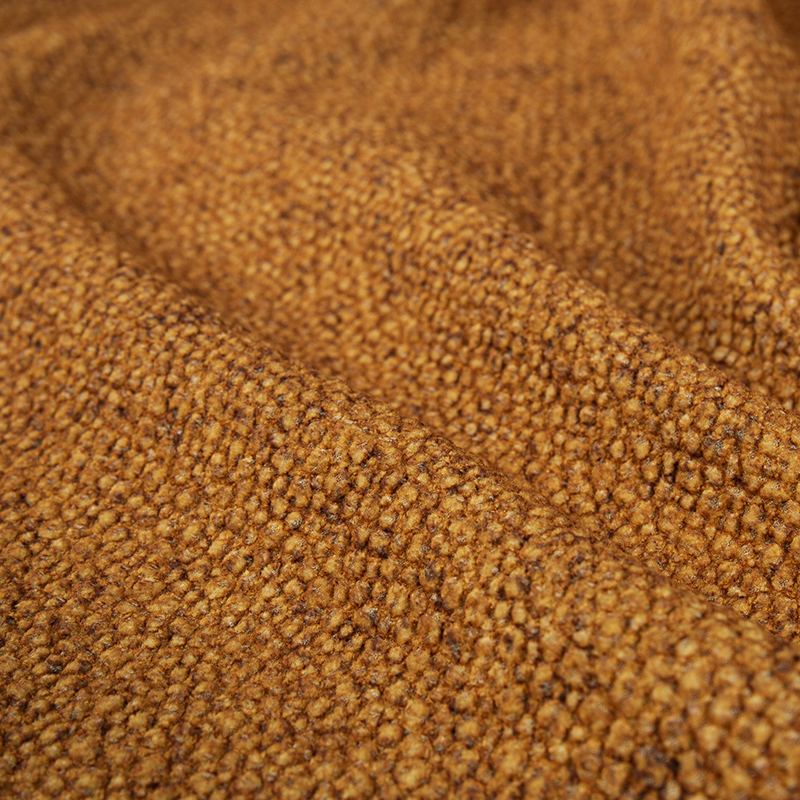
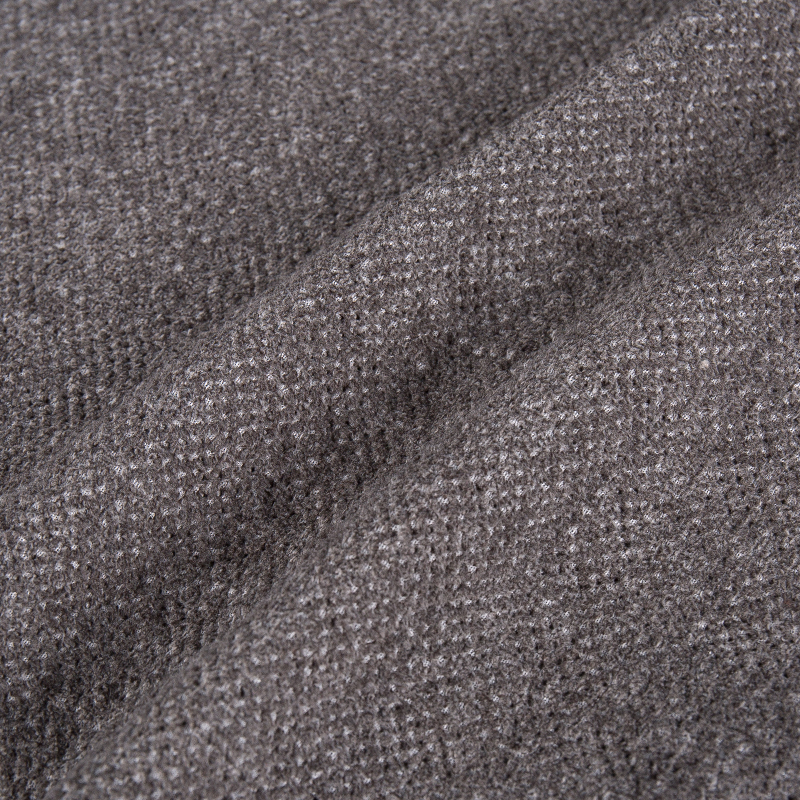
Polyester knit sofa fabrics are a category of upholstery textile produced from synthetic fiber filaments — most commonly polyester, but also polyamide (nylon) and polypropylene — knitted into structured fabric constructions using warp knitting technology. Unlike woven fabrics, which interlace threads at right angles, knitted fabrics form interlocking loops along the length of the fabric, giving the material distinctive stretch, recovery, and surface characteristics that make it particularly well suited to upholstery applications.
The dominance of polyester as the primary fiber in these fabrics is no accident. Polyester filaments offer a combination of high tensile strength, low moisture absorption, UV resistance, and colorfast dyeing properties that natural fibers struggle to match at comparable price points. When processed into fine multifilament yarns and knitted into structured constructions, polyester delivers the durability, dimensional stability, and surface consistency that furniture manufacturers and upholstery converters require across high-volume production runs.
The result is a family of fabrics that serve both functional and aesthetic roles in sofa design — providing the tactile comfort expected of seating upholstery while withstanding the mechanical stress, abrasion, and cleaning cycles that furniture encounters over years of daily use.
The performance characteristics of polyester knit sofa fabrics are inseparable from the knitting structures used to produce them. Warp knitting — where yarns run parallel to the fabric length and are knitted simultaneously across the full width — produces fabrics with measurably different properties than weft knitting or weaving. Within warp knitting, several distinct stitch structures are used depending on the intended application:
Chain stitch construction uses each warp yarn to form a vertical column of interlocked loops without lateral connection to adjacent chains. In sofa fabrics, chain weave is typically used as a base structure in combination with inlaid weft yarns or overlay patterns. It contributes longitudinal stability and forms the structural backbone of more complex fancy warp knit constructions.
Warp flat weave uses yarns that traverse across multiple wales in a regular, low-angle pattern, creating a balanced, flat surface texture with good lateral stability. Warp satin weave extends the yarn float length across more loops before connecting, producing a smoother, more lustrous face with a softer hand feel. In polyester knit sofa fabrics, warp satin constructions are common where a semi-gloss or velvet-like surface effect is desired without the weight or production complexity of cut-pile constructions.
Warp twill introduces diagonal yarn paths across the fabric face, creating the characteristic oblique rib pattern familiar from woven twill fabrics. In knitted form, warp twill constructions add visual texture and directional stability to the fabric, making them popular for upholstery applications where a tailored, structured aesthetic is required. The diagonal structure also improves the fabric's resistance to distortion under seating pressure.
Fancy warp knits are widely used across the sofa fabric category precisely because they combine multiple stitch structures, yarn types, and pattern repeat capabilities in a single construction. By varying the guide bar movements on multi-bar Raschel or Tricot machines, manufacturers can produce jacquard-effect patterns, geometric surface textures, and even simulated woven appearances — all within a single-pass knitting process. This structural versatility, combined with the inherent performance advantages of warp knitting, explains why fancy warp knit constructions dominate the mid-to-upper tier of the polyester knit sofa fabrics market.
The practical performance of polyester knit sofa fabrics in real upholstery applications can be assessed against the specific challenges that furniture fabrics face: dimensional change, edge fraying, surface distortion, and ventilation. Warp-knitted polyester constructions address each of these directly.
Within the broader category of polyester knit fabrics, mesh fabric represents a specialized open-structure construction with particular relevance to contemporary furniture design. Mesh fabric is characterized by a defined open-cell structure — either hexagonal, square, or diamond — produced by knitting or warp-knitting yarns in a pattern that deliberately creates regular apertures across the fabric face. The result is a textile with a visible open grid, high air permeability, and a structured geometric aesthetic.
In sofa and seating applications, mesh fabric serves both functional and design purposes. On the functional side, the open structure of mesh provides superior ventilation compared to any solid-face upholstery material — air moves freely through the fabric surface, eliminating the heat retention that is one of the most common complaints associated with fully upholstered seating. For outdoor furniture, garden sofas, and leisure seating, this ventilation performance is a primary selection criterion.
Aesthetically, mesh fabric introduces an industrial or technical visual language into furniture design that contrasts with traditional textile upholstery. When produced in polyester with precision warp knitting, the geometric regularity of the mesh structure creates a clean, contemporary surface that reads differently from conventional fabric at different viewing distances — textured and detailed up close, graphically structured from across a room.
The table below summarizes how mesh fabric compares to standard closed-face polyester knit sofa fabrics across key performance and design attributes:
| Attribute | Closed-Face Polyester Knit | Mesh Fabric |
|---|---|---|
| Air Permeability | Moderate | High |
| Surface Texture | Smooth to textured | Open geometric grid |
| Dimensional Stability | High | High (warp-knit base) |
| Suitable for Outdoor Use | With UV treatment | Yes — drains and dries quickly |
| Aesthetic Style | Traditional to contemporary | Technical, modern |
| Cleaning Ease | Good | Excellent — rinse-clean capable |
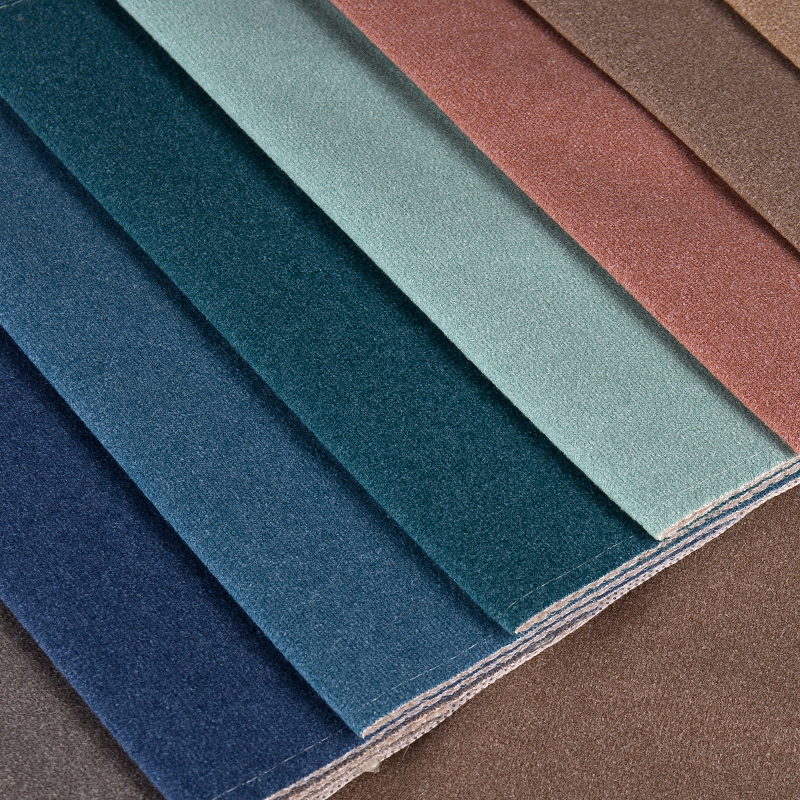
While polyester dominates the composition of knit sofa fabrics, blending with polyamide or polypropylene modifies specific performance characteristics in ways that expand the application range of the fabric family.
Polyamide (nylon) filaments contribute higher abrasion resistance and a softer surface feel than pure polyester, making polyester-polyamide blends common in premium sofa fabrics where tactile quality and durability are both priorities. Polypropylene, the lightest of the three fiber types with a specific gravity below 1.0, adds water repellency and mildew resistance — properties that make polypropylene-containing constructions particularly suited to outdoor furniture and high-humidity environments.
The choice of yarn structure — whether flat multifilament, textured (air-jet or false-twist), or microfilament — also significantly influences the hand feel and surface appearance of the finished fabric. Textured polyester yarns introduce bulk and softness that approach the feel of natural fibers, while flat filament yarns produce the smooth, slightly cool handle associated with technical or sportswear fabrics. In fancy warp knit sofa fabrics, combining yarn types within a single construction allows designers to create surface contrasts — matte ground with glossy float yarns, for example — that add visual depth without additional finishing processes.
Choosing between the available constructions within the polyester knit sofa fabrics category requires matching fabric properties to the specific demands of the application. The following practical criteria guide effective selection:
With the right construction selected for the application, polyester knit sofa fabrics — whether dense fancy warp knit panels or open mesh fabric surfaces — deliver a combination of manufacturing efficiency, end-use performance, and design versatility that positions them as a foundational material category in contemporary upholstered furniture production.
Related Products

Contact us
Address
Hangfu Road 106#, Chongfu Town, Tongxiang City, Zhejiang, China
Phone
+86-15067379939
linachen@climbingtex.com / zac@climbingtex.com
lianniu@climbingtex.com
Fax/Tel
+86-573-88385698
products
QR CODE
 Home Textile Manufacturers
Sofa Fabric Factory
Home Textile Manufacturers
Sofa Fabric Factory
 English
 Español
 عربى
عربى