Mar 23, 2026
Content
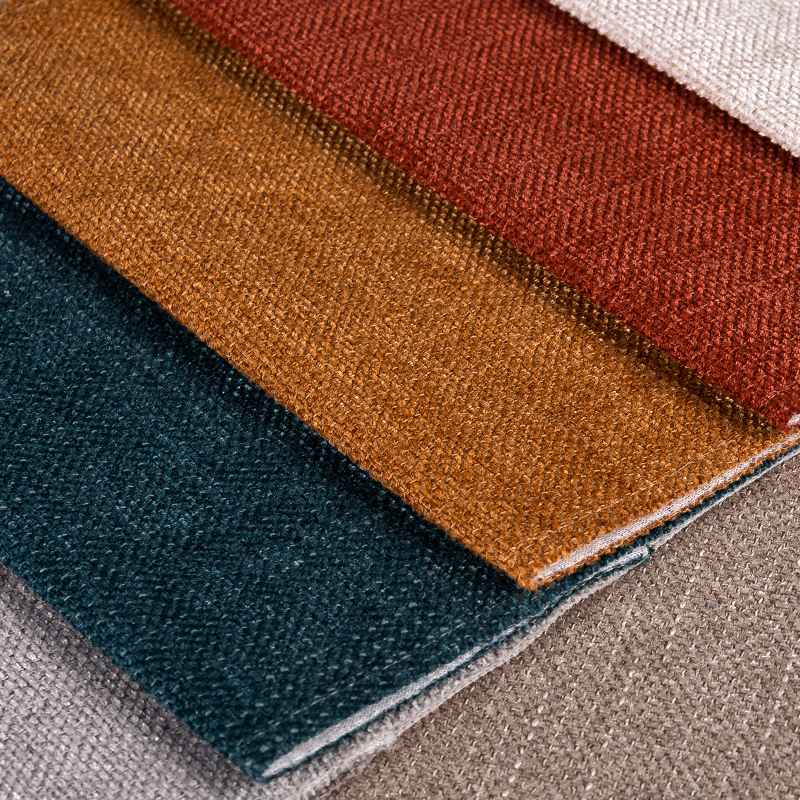
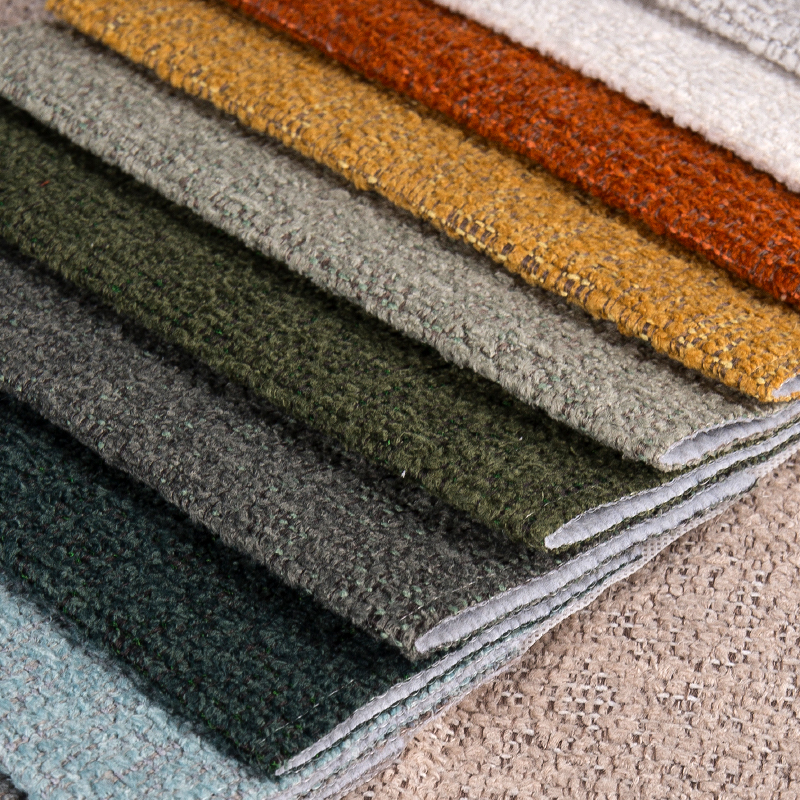
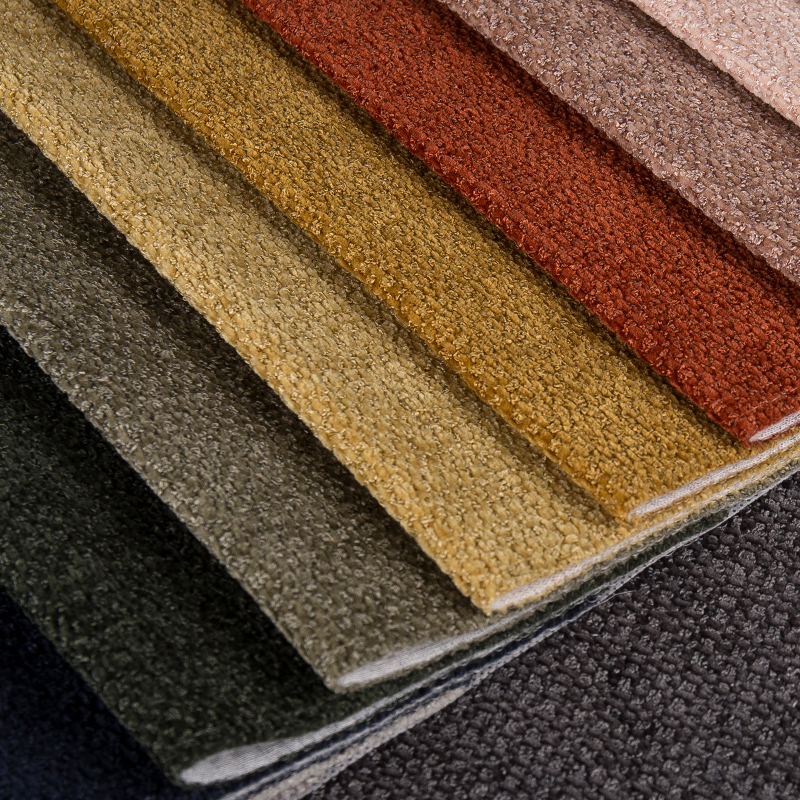
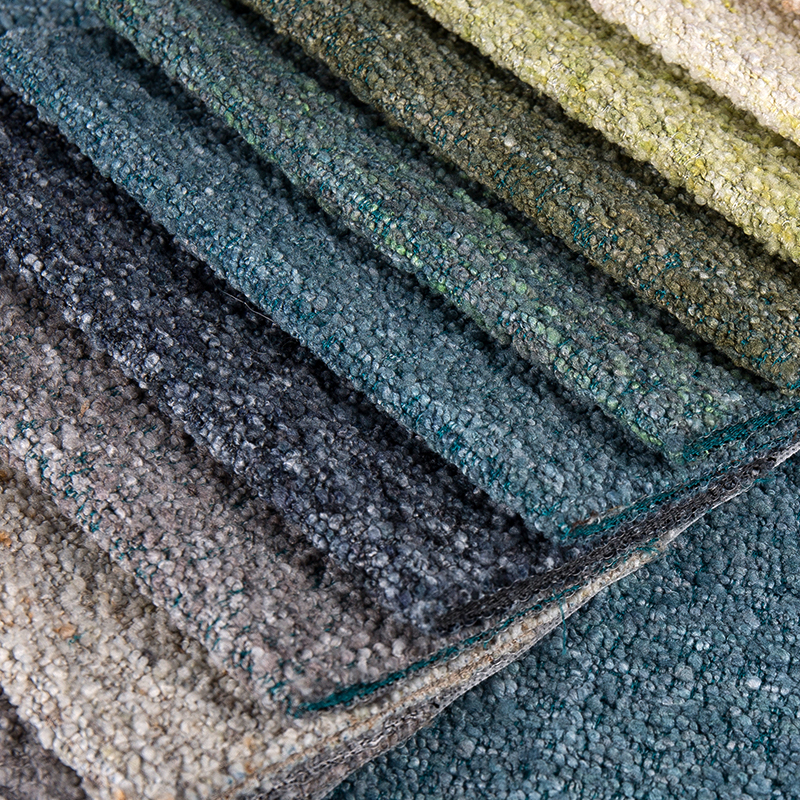
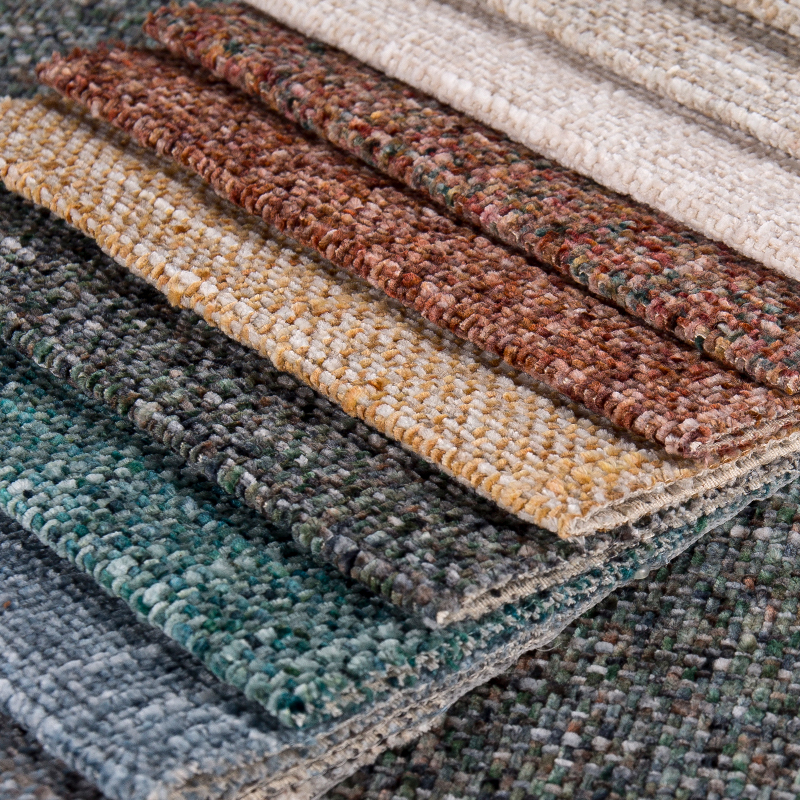
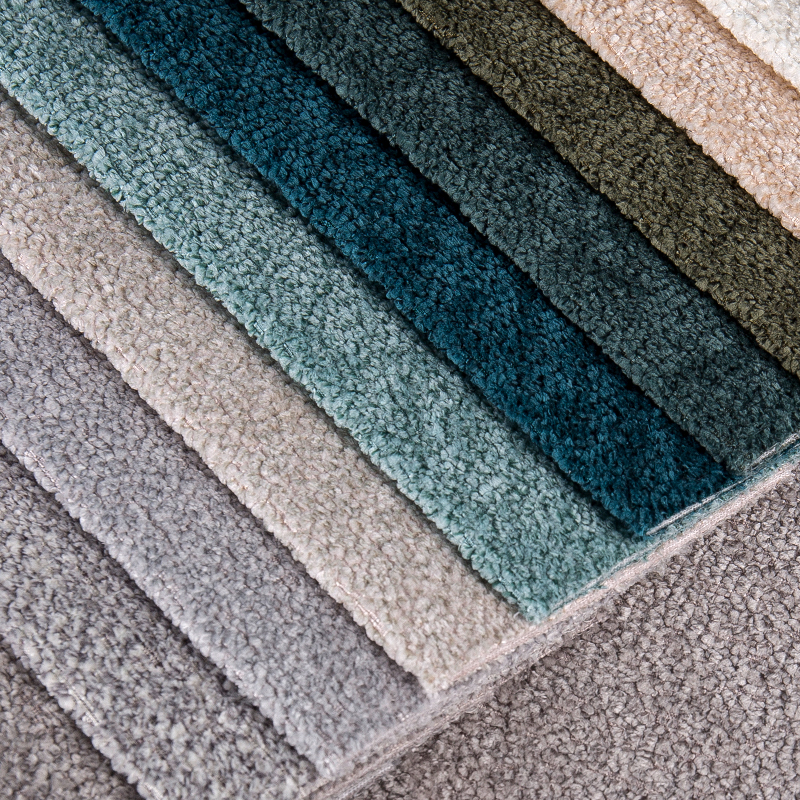
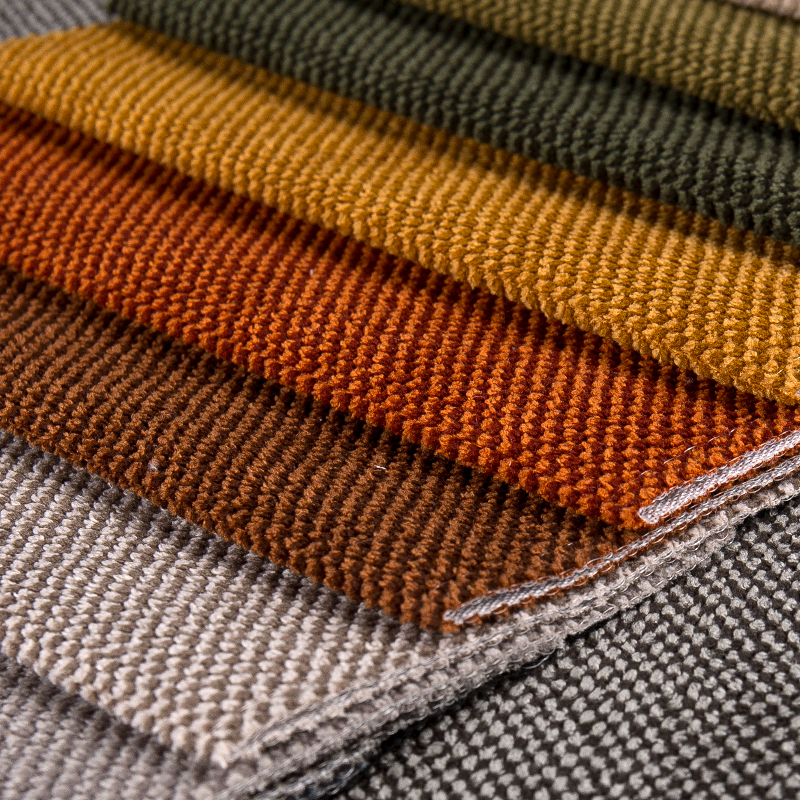
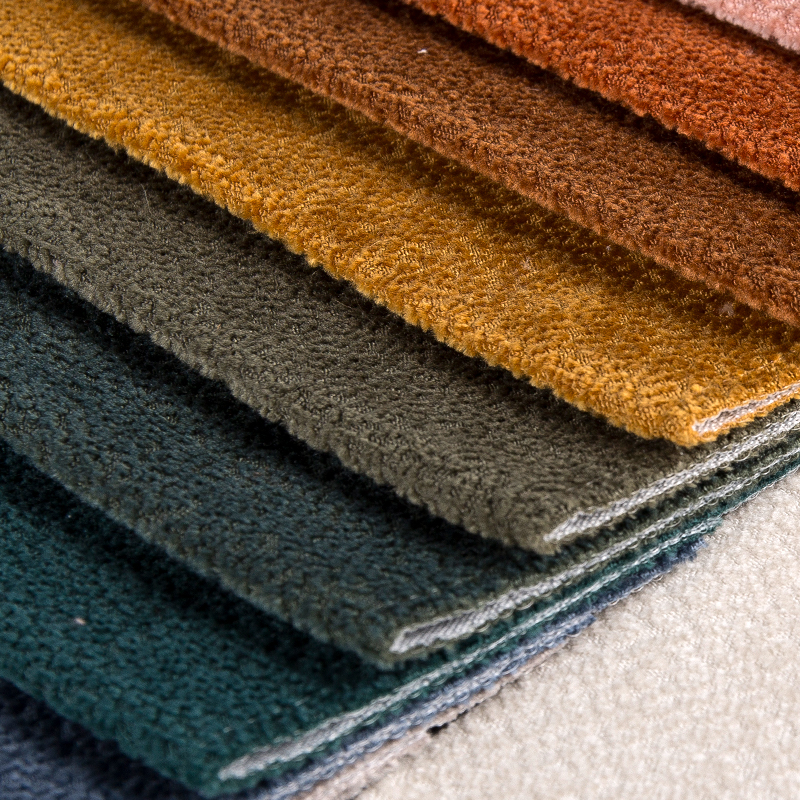
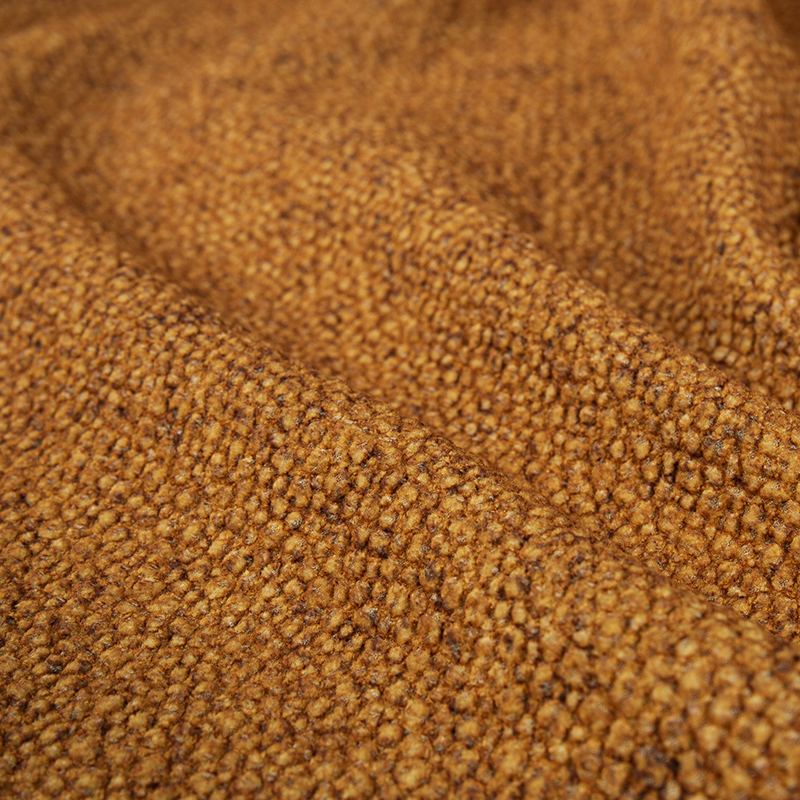
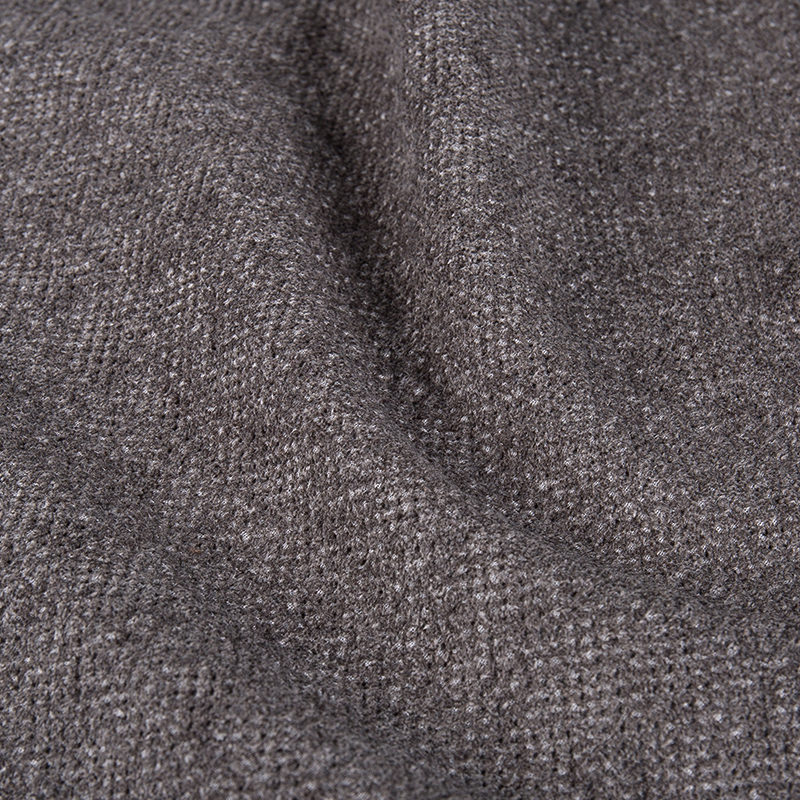
Polyester woven sofa upholstery fabric has become one of the most widely used materials in both residential and commercial furniture manufacturing. The combination of polyester fiber and a structured woven construction gives this fabric category a distinctive edge over many alternatives. Polyester itself is a synthetic fiber known for its high tensile strength, resistance to stretching, and ability to retain shape under repeated use. When processed through a woven structure — where warp and weft yarns interlace at right angles — the resulting fabric achieves a dimensional stability that knitted or non-woven alternatives simply cannot match.
This stability matters enormously for sofa upholstery. A sofa endures daily mechanical stress: people sitting down, shifting weight, and leaning against armrests and backrests. A woven polyester fabric distributes that stress evenly across its interlocked yarn grid, which prevents localized tearing or pilling in high-contact zones. Unlike loosely constructed fabrics, the woven structure resists sagging and deformation over years of use, keeping the sofa looking taut and well-maintained.
From a market perspective, polyester woven sofa upholstery fabric occupies a practical middle ground — it delivers performance close to natural fiber blends at a significantly lower cost, making it a preferred choice for furniture manufacturers serving mid-range consumers and contract markets alike.
Understanding the specific technical properties of polyester woven upholstery fabric helps buyers and designers make more informed decisions. The following characteristics define why this fabric category consistently performs well in demanding environments.
Polyester fibers score high on Martindale abrasion tests, which measure how many rub cycles a fabric can withstand before showing visible wear. Quality polyester woven sofa fabrics typically achieve ratings of 30,000 to 100,000+ Martindale cycles, depending on yarn count and weave density. This makes them suitable for heavy-use sofas in family homes, hotels, and office lounges.
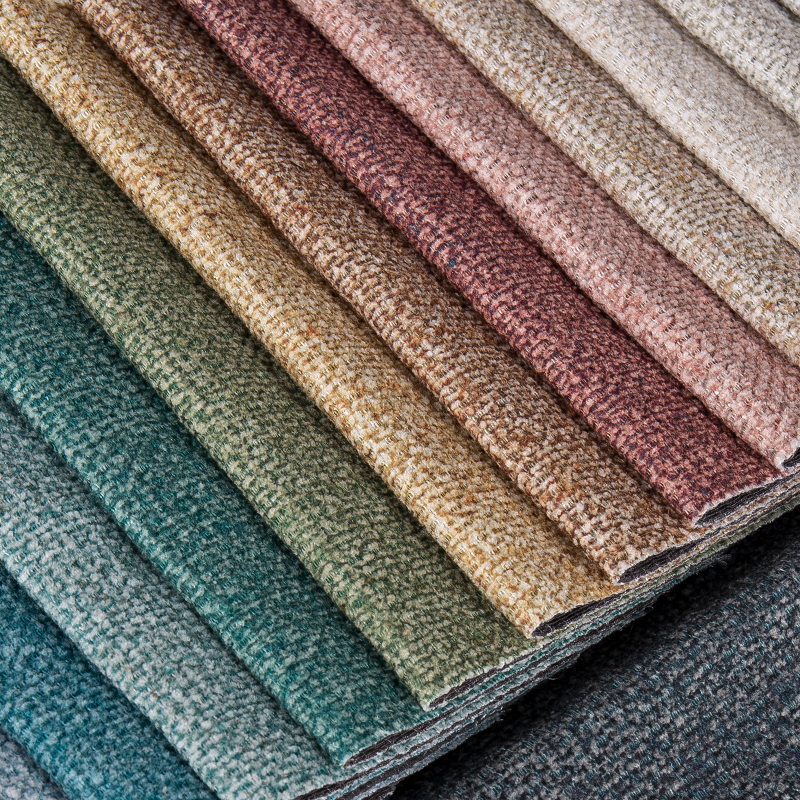
One of the strongest selling points of polyester woven sofa upholstery fabric is its exceptional color performance. Polyester accepts disperse dyes at high temperatures, allowing pigments to penetrate the fiber core rather than just coating the surface. This results in colors that are resistant to fading from sunlight, washing, and friction. The woven surface also provides an even dye uptake, so patterns and solid colors appear sharp and consistent across the entire fabric roll. Compared to natural fibers like cotton or linen, polyester maintains color vibrancy significantly longer under comparable conditions.
Polyester is inherently hydrophobic, meaning it does not absorb moisture readily. Spills tend to bead on the surface rather than soaking in, which gives users time to blot liquids before staining occurs. Many polyester woven sofa upholstery fabrics also receive additional finishing treatments — such as fluorocarbon or nano-coating applications — that enhance their stain repellency further. This makes them especially practical for households with children or pets.
The woven construction locks yarns in place, preventing the fabric from stretching out of shape during upholstery application or after prolonged use. Polyester fibers also have natural wrinkle recovery, so the fabric surface returns to a smooth appearance after compression. This is particularly valuable in cushion covers and seat panels that experience constant pressure.
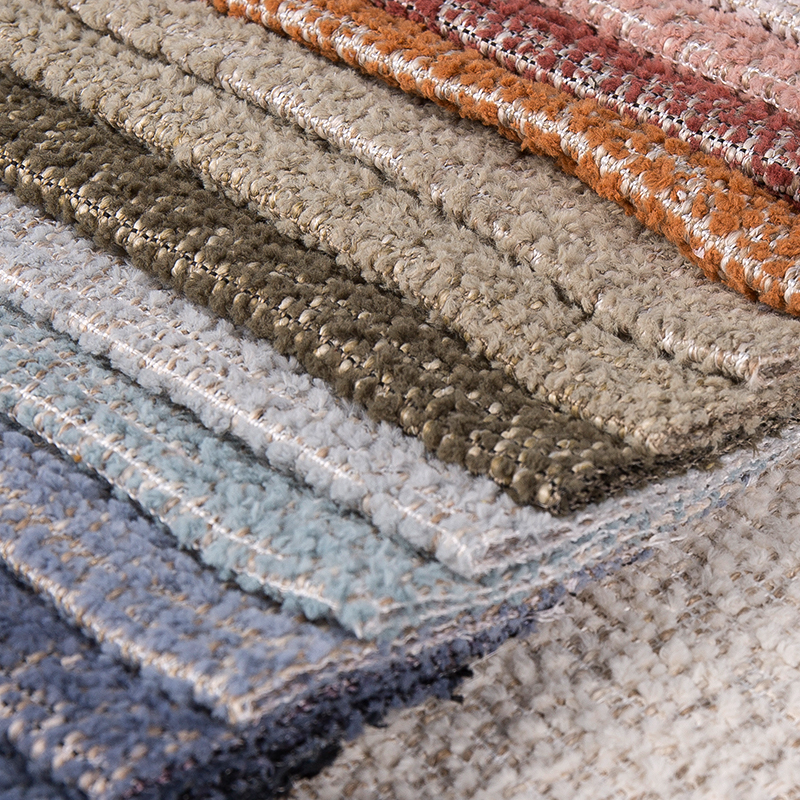
Not all polyester woven sofa upholstery fabric looks or feels the same, because different weave structures produce distinct surface textures, visual effects, and performance characteristics. The weave type is one of the most important variables when selecting fabric for a specific sofa design.
| Weave Type | Surface Texture | Best Application | Durability Level |
|---|---|---|---|
| Plain Weave | Flat, uniform | Minimalist, modern sofas | High |
| Twill Weave | Diagonal rib, soft hand | Classic and transitional styles | Very High |
| Jacquard Weave | Complex patterns, textured | Decorative and premium sofas | High |
| Dobby Weave | Small geometric patterns | Contemporary accent sofas | High |
Jacquard woven polyester is particularly notable for its ability to integrate intricate geometric, floral, or abstract patterns directly into the fabric structure — rather than printing them on top. Because the pattern is woven in, it does not crack, peel, or fade the way printed designs sometimes do, making jacquard polyester woven sofa upholstery fabric a preferred choice for higher-end furniture lines that require both visual complexity and lasting appearance.
For furniture manufacturers, interior designers, and procurement buyers, evaluating polyester woven sofa upholstery fabric before committing to a large order requires checking several key indicators beyond just visual appeal.
Requesting physical samples and testing them against your specific upholstery conditions before placing a bulk order is always the most reliable approach. Small variations in weave density or finishing treatment can make a meaningful difference in how the fabric performs over a sofa's lifespan.
Proper care significantly extends the useful life of polyester woven sofa upholstery fabric and preserves both its appearance and structural integrity. Because polyester is a synthetic fiber, it responds well to straightforward cleaning routines without requiring specialist products.
For routine maintenance, vacuuming the fabric surface weekly with a soft brush attachment removes dust, pet hair, and loose debris before they work their way into the weave. For spills, blotting immediately with a clean, dry cloth prevents liquids from penetrating the fiber. Avoid rubbing, as this can spread the stain and cause surface fiber distortion.
For deeper cleaning, a mild detergent solution applied with a soft cloth and then blotted dry is effective for most common stains. Polyester woven fabrics generally tolerate water-based cleaning well. However, harsh solvents or bleach-based products should be avoided as they can degrade the fiber structure and strip finishing treatments. Always check the manufacturer's care label before applying any cleaning agent.
Keeping polyester woven sofa upholstery fabric away from prolonged direct sunlight also helps maintain color vibrancy. While polyester has good UV resistance compared to natural fibers, sustained UV exposure over years will eventually cause some degree of fading in any fabric. Using curtains or UV-filtering window film in sun-facing rooms is a simple preventive measure that pays off over the long term.
Related Products

Contact us
Address
Hangfu Road 106#, Chongfu Town, Tongxiang City, Zhejiang, China
Phone
+86-15067379939
linachen@climbingtex.com / zac@climbingtex.com
lianniu@climbingtex.com
Fax/Tel
+86-573-88385698
products
QR CODE
 Home Textile Manufacturers
Sofa Fabric Factory
Home Textile Manufacturers
Sofa Fabric Factory
 English
 Español
 عربى
عربى