Mar 17, 2026
Content
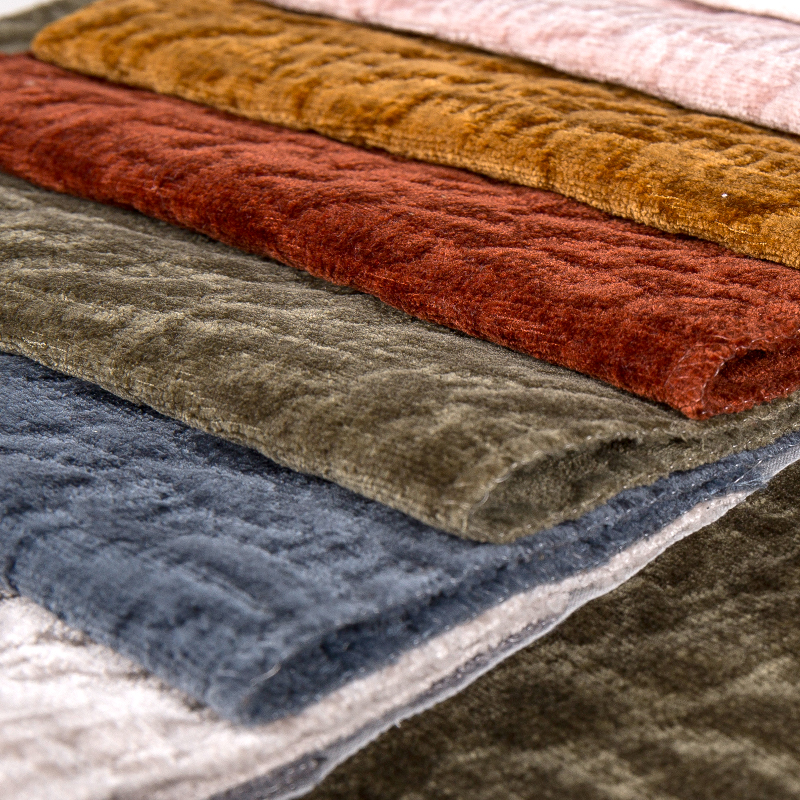
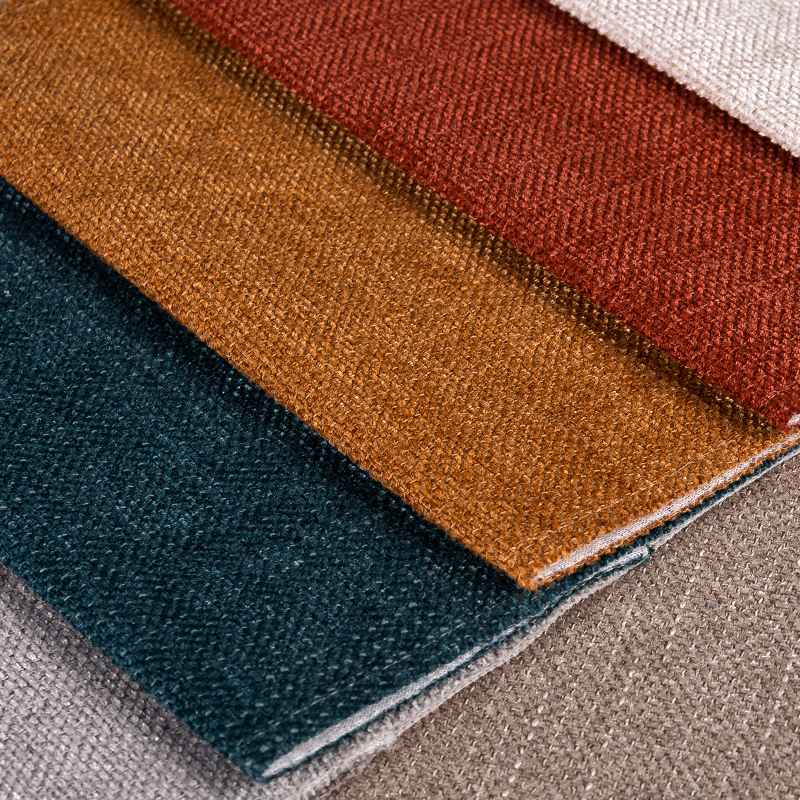
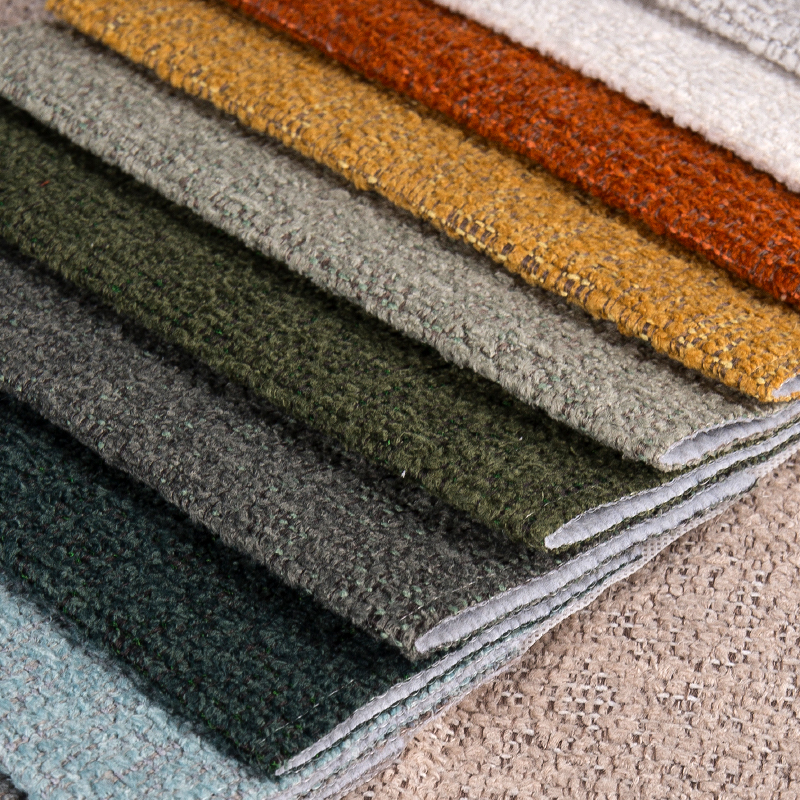
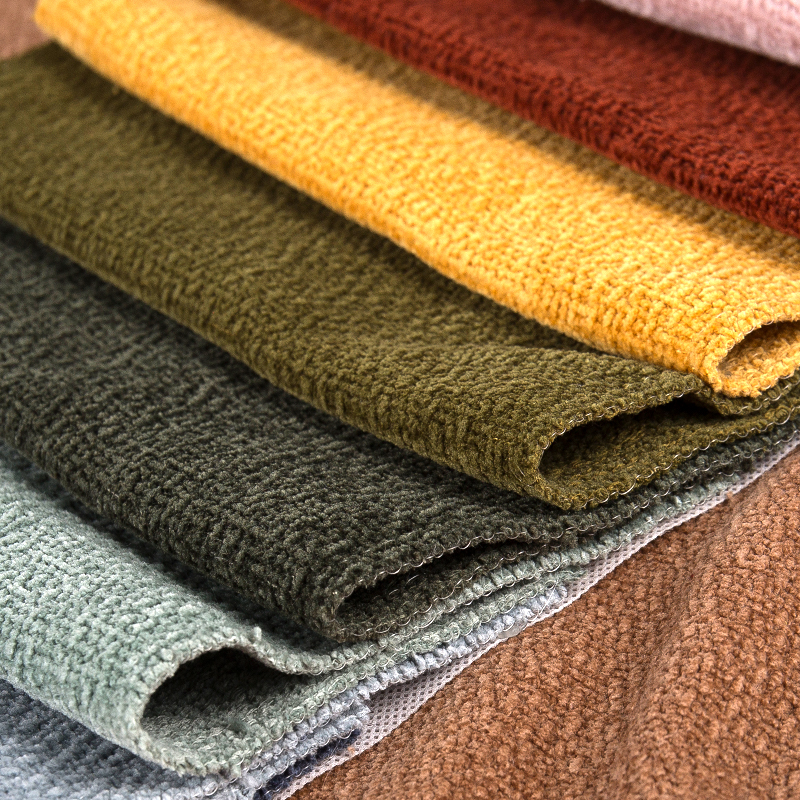
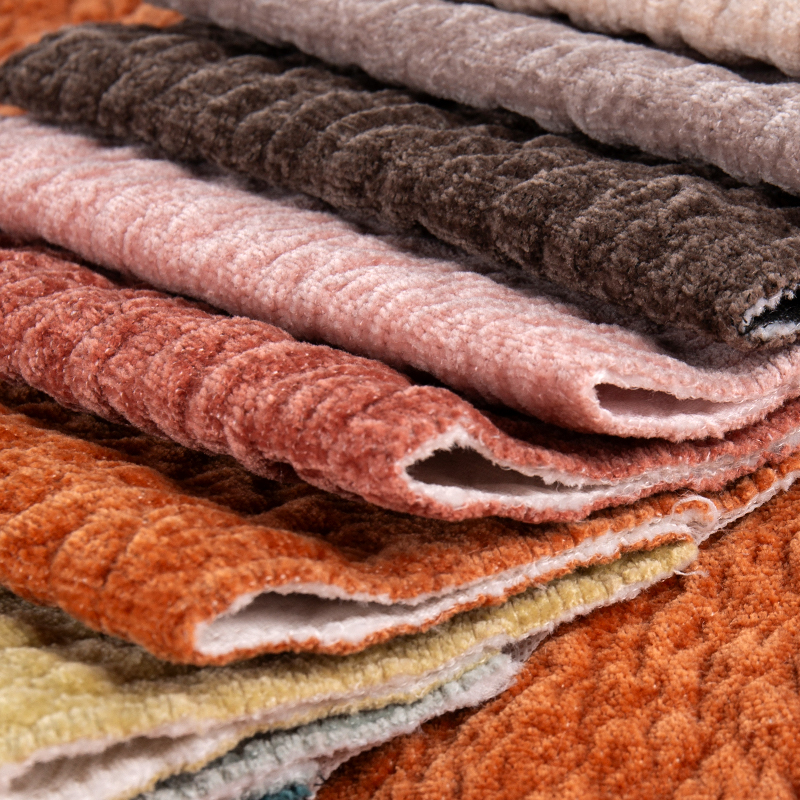
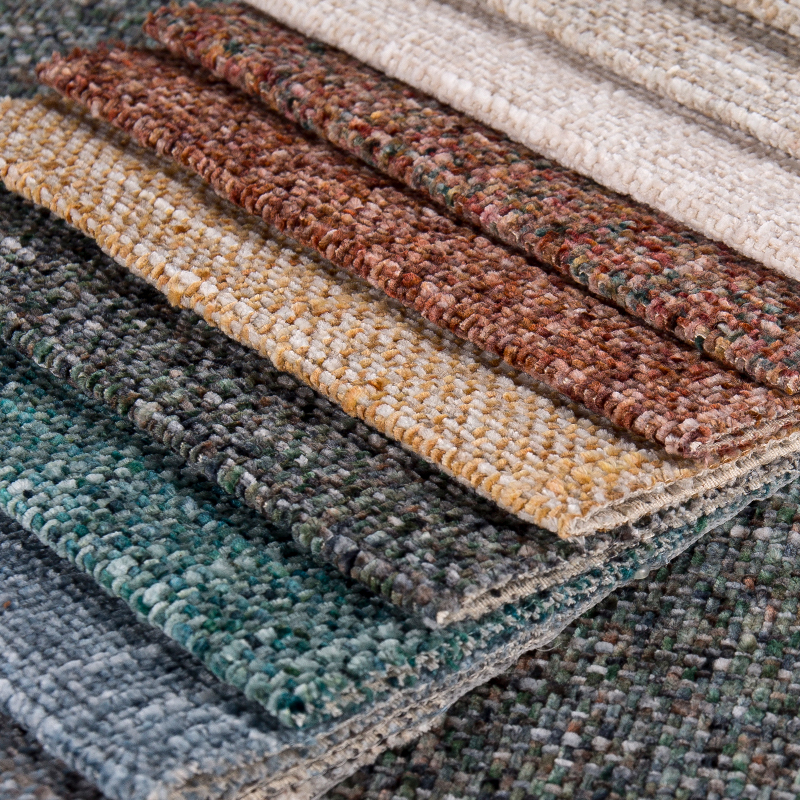
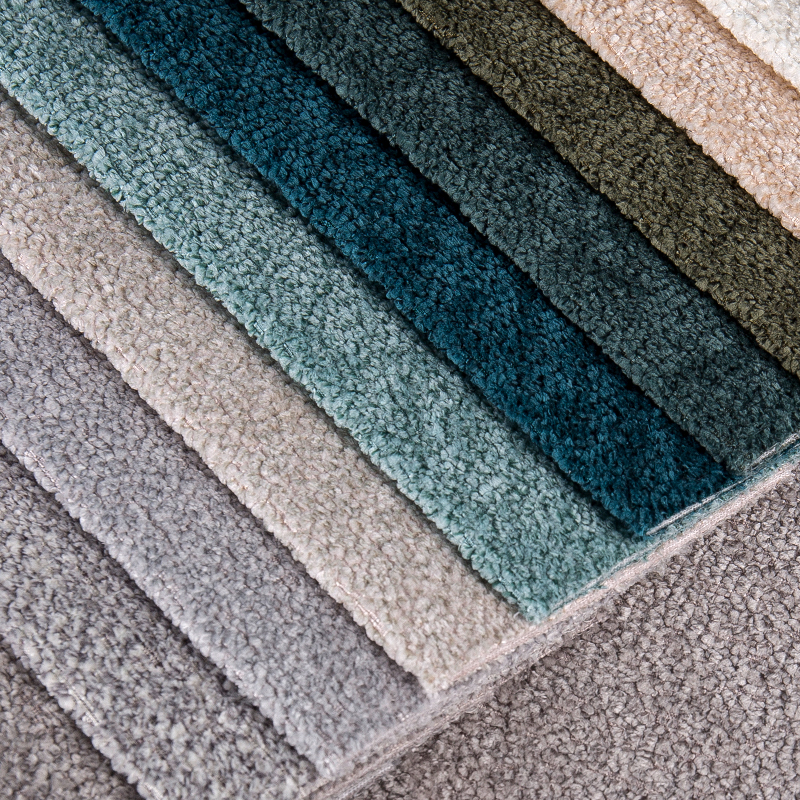
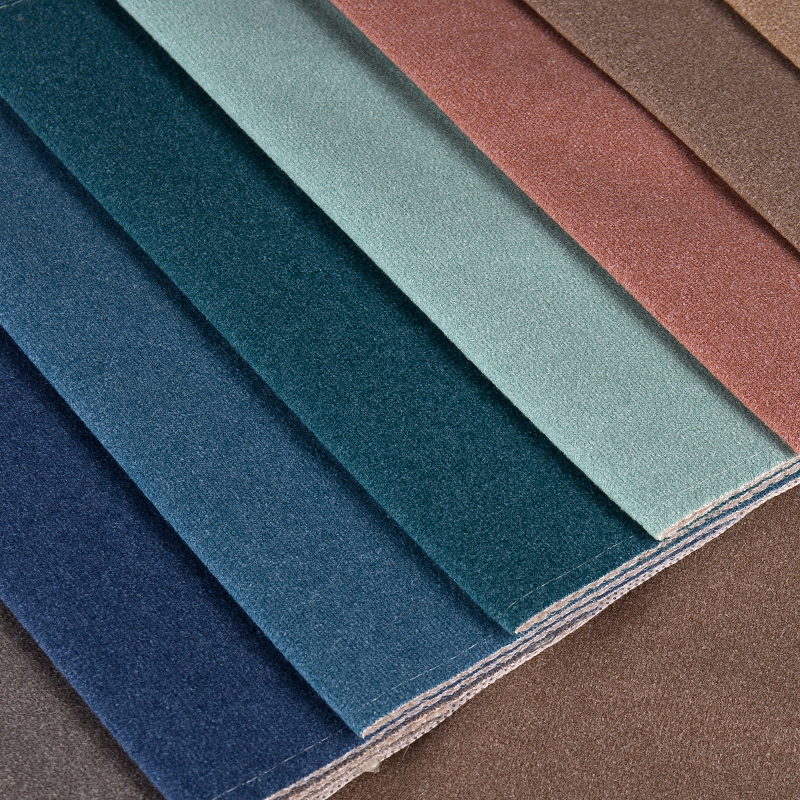
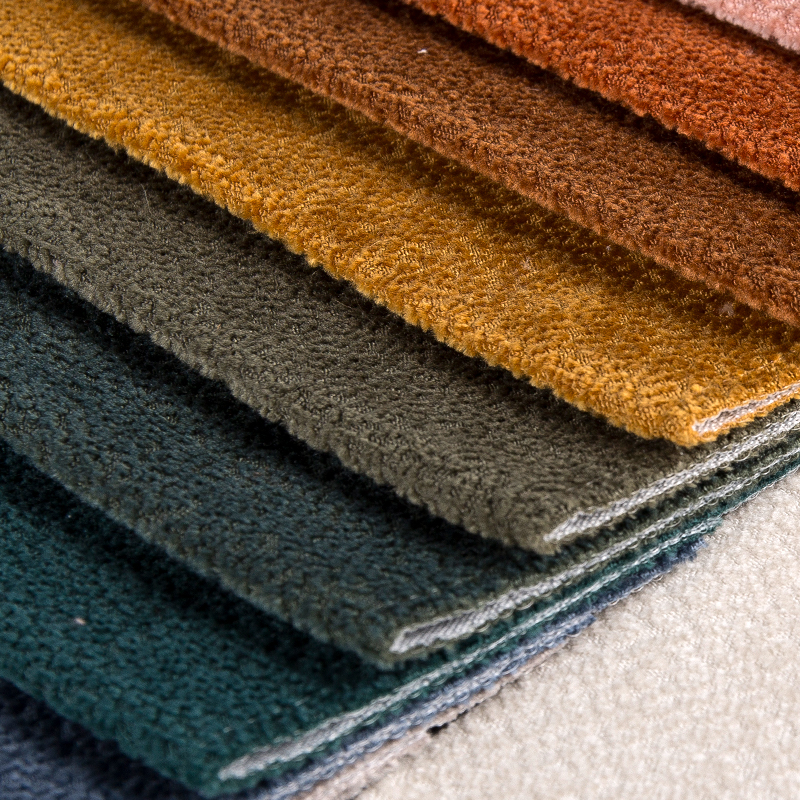
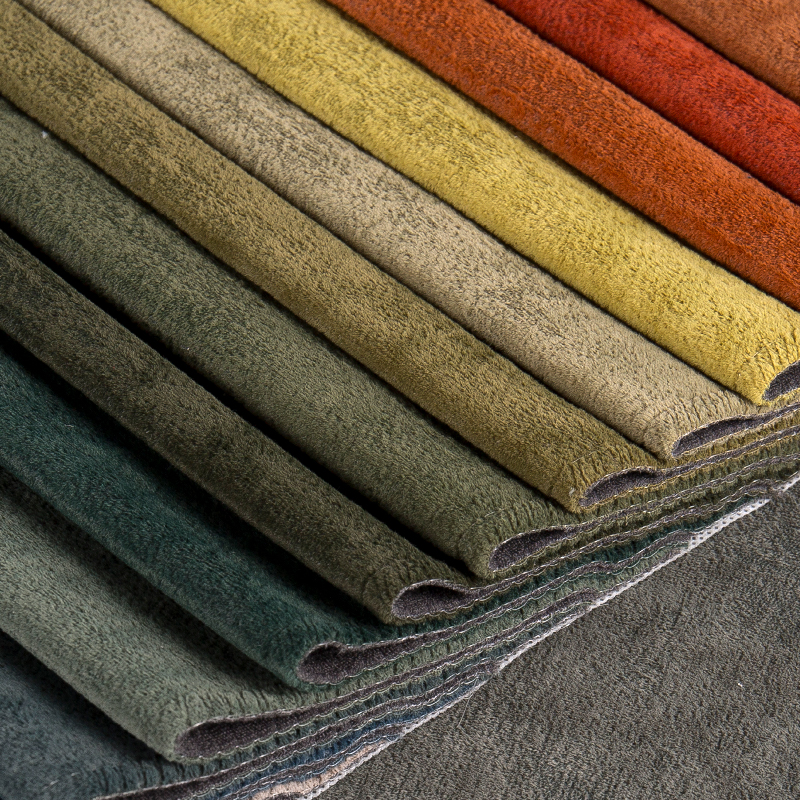
Polyester woven sofa upholstery fabric is a common and highly regarded sofa fabric category that has earned its place as one of the most widely used materials in both residential and commercial furniture manufacturing. It combines the good properties of polyester with the stable structure of the woven process, making this category of sofa fabric durable and economical while also delivering strong aesthetic performance. For homeowners, interior designers, and furniture manufacturers alike, understanding what this fabric is, how it is made, and what it offers is the foundation for making informed upholstery decisions.
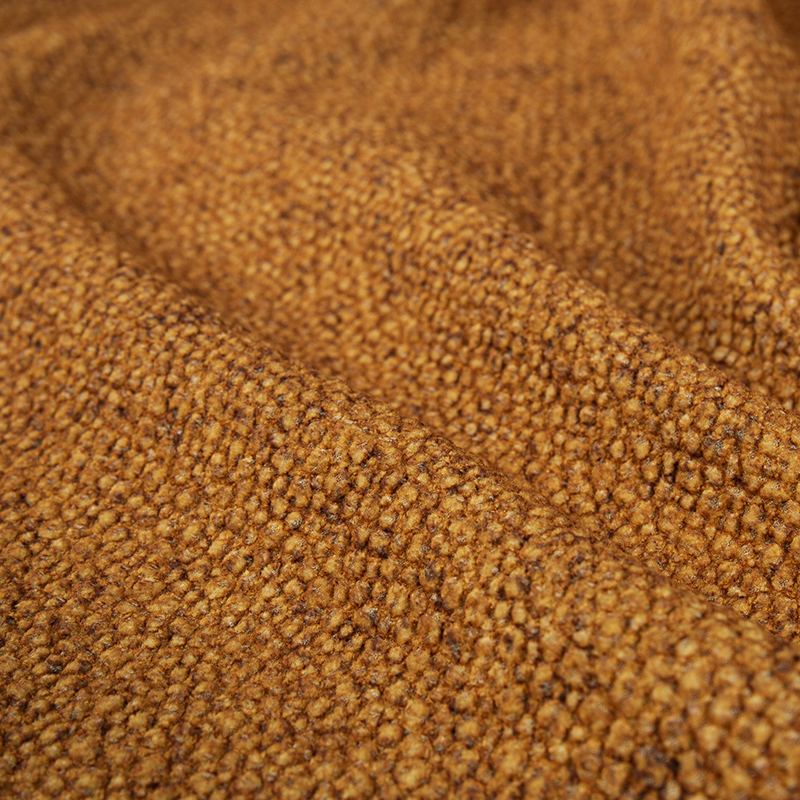
At its core, this fabric is produced by interlacing polyester yarns on a loom in structured, repeating patterns. The weaving process — whether plain, twill, jacquard, or dobby — creates a dimensionally stable textile that resists stretching, distortion, and fraying far better than knitted or non-woven alternatives. The fabric material polyester itself contributes a dense, resilient fiber structure that handles the mechanical stresses of daily sofa use with exceptional consistency over time.
To fully appreciate why polyester woven sofa upholstery fabric performs so well, it is important to understand the fundamental characteristics of fabric material polyester at the fiber level. Polyester — formally polyethylene terephthalate (PET) — is a synthetic polymer produced through a chemical reaction between ethylene glycol and terephthalic acid. The resulting fiber is extruded, drawn, and textured to produce yarns with a specific combination of properties that make it particularly well suited to upholstery applications.
While the fiber material polyester provides the foundational performance characteristics, it is the woven construction that truly unlocks the full potential of polyester woven sofa upholstery fabric. Weaving interlaces warp yarns (running lengthwise) and weft yarns (running crosswise) in a controlled pattern, creating a grid-like structure with inherent dimensional stability. This is in direct contrast to knitted fabrics, which are formed by looped yarns and tend to stretch considerably under load — a significant disadvantage in tight upholstery applications.
The interlocked yarn structure of a woven fabric means that force applied in any direction is distributed across multiple yarn intersections rather than concentrated at a single point. This load-sharing behavior prevents localized tearing, seam stress concentration, and surface distortion — all of which are common failure modes in lower-quality upholstery textiles. For sofas that experience heavy daily use, this structural integrity translates directly into years of additional service life compared to loosely constructed alternatives.
| Weave Type | Structure Description | Best Suited For |
| Plain Weave | Each warp yarn alternates over and under each weft yarn | Durable everyday sofas, solid color designs |
| Twill Weave | Diagonal rib pattern created by offset interlacing | Softer hand feel, contemporary sofa styles |
| Jacquard Weave | Complex patterns woven directly into the fabric structure | Decorative, patterned premium upholstery |
| Dobby Weave | Small geometric patterns with textured surface relief | Textured accent sofas, modern interiors |
| Satin Weave | Long floats create smooth, lustrous surface | Formal living rooms, elegant sofa designs |
One of the most commercially significant advantages of polyester woven sofa upholstery fabric is its good color performance. Polyester fibers are dyed using disperse dyes — small, non-ionic dye molecules that penetrate into the hydrophobic polyester fiber structure under heat and pressure during a process called thermosol dyeing or high-temperature pressure dyeing. Because the dye molecules become physically embedded within the fiber rather than simply coating its surface, the resulting color is exceptionally resistant to washing, rubbing, and environmental exposure.
This dyeing mechanism gives polyester upholstery fabric outstanding color fastness ratings — typically achieving ISO ratings of 4 to 5 (out of 5) for both wash fastness and light fastness. In practical terms, this means that a richly colored polyester sofa will maintain its visual vibrancy for many years without the gradual fading or color bleeding that can afflict natural fiber upholstery. For consumers who prioritize bold, saturated colors or complex multi-tone patterns in their furniture, fabric material polyester consistently delivers results that outperform cotton, linen, and many wool blends.
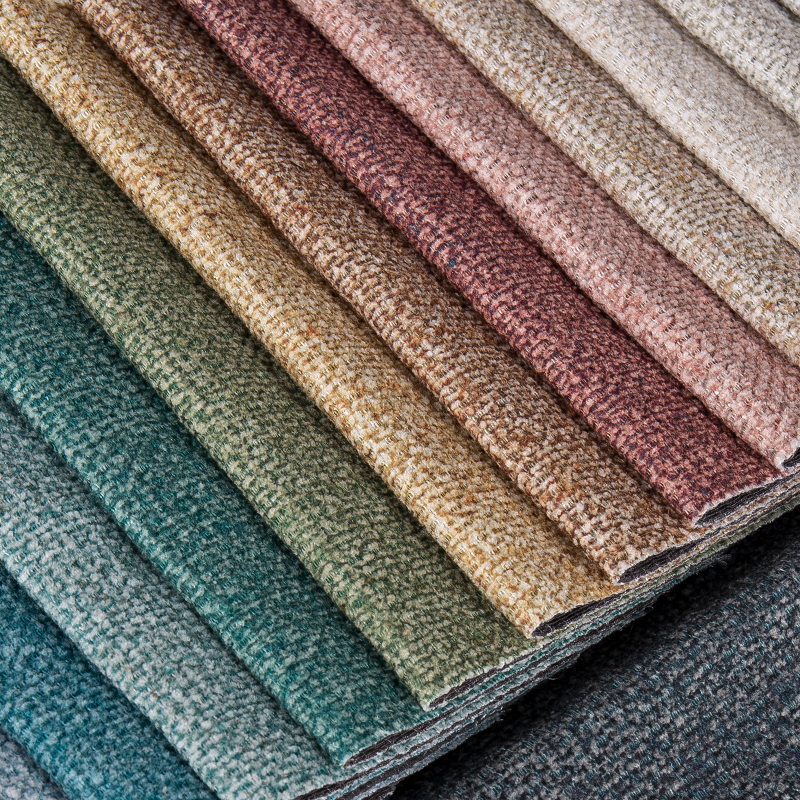
The combination of polyester's excellent dye affinity and the flexibility of modern weaving technology creates an extraordinarily wide design palette for sofa upholstery. Solid colors ranging from deep charcoal and navy to soft blush and sage are reproduced with remarkable depth and consistency across production batches. Jacquard and dobby weaving techniques allow intricate geometric patterns, botanical motifs, and abstract designs to be woven directly into the fabric structure — meaning the pattern is an integral part of the textile rather than a printed surface treatment that can crack or wear away over time.
Polyester woven sofa upholstery fabric is durable and economical — a combination that positions it favorably against virtually every competing upholstery material in its price segment. When evaluated objectively across the key performance metrics that matter for sofa upholstery, polyester woven fabric consistently delivers strong results.
| Performance Metric | Polyester Woven | Cotton Woven | Linen Blend |
| Abrasion Resistance | Excellent | Good | Moderate |
| Fade Resistance | Excellent | Moderate | Moderate |
| Moisture Resistance | Excellent | Poor | Poor |
| Cost per Meter | Low–Medium | Medium | Medium–High |
| Ease of Cleaning | Easy | Moderate | Moderate |
One of the practical advantages that makes polyester woven sofa upholstery fabric so popular in family homes and commercial settings is its ease of maintenance. Because fabric material polyester is inherently hydrophobic and resistant to staining, routine cleaning is straightforward. For dry dust and debris, regular vacuuming with a soft upholstery attachment prevents particles from working their way into the weave structure where they could cause abrasive wear over time.
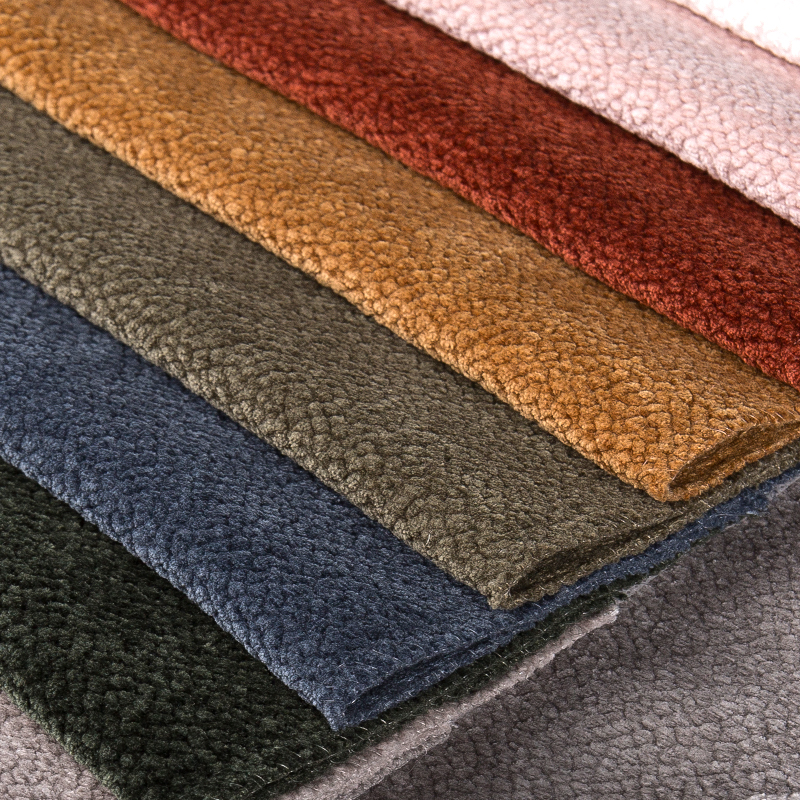
For liquid spills, the low moisture absorption of polyester means that most spills bead on the surface initially rather than immediately soaking into the fiber. Prompt blotting with a clean, dry cloth — always working from the outside of the spill inward to prevent spreading — removes the majority of liquid before it can penetrate. For more stubborn stains, a solution of mild detergent in cool water applied with a soft brush and then thoroughly rinsed and dried is effective on most common household stains including coffee, juice, and food residues. Avoid hot water or steam cleaning at excessive temperatures, as prolonged high heat can soften polyester fibers and potentially distort the weave structure in heavily treated areas.
Selecting the most appropriate polyester woven sofa upholstery fabric for a specific application requires evaluating several key specifications beyond just color and pattern. The Martindale abrasion test rating — expressed in cycles — is the most widely used indicator of upholstery fabric durability. For domestic sofas in average use, a minimum rating of 20,000 cycles is recommended; for heavy-use family sofas or commercial seating, 30,000 cycles or above is preferable. Premium polyester woven upholstery fabrics routinely achieve 50,000 to 100,000 Martindale cycles, reflecting the exceptional abrasion resistance of the woven polyester structure.
Fabric weight — measured in grams per square meter (GSM) — also influences the suitability of a polyester woven fabric for different sofa styles. Lighter fabrics in the 200–300 GSM range work well for decorative accent chairs and occasional sofas, while heavier fabrics in the 400–600 GSM range provide the body, drape, and durability required for everyday family sofas and commercial upholstery projects. When these technical specifications are aligned with the aesthetic goals of the project — whether that is a sleek contemporary plain weave in charcoal polyester or an elaborate jacquard-woven pattern in warm earth tones — polyester woven sofa upholstery fabric delivers a result that is difficult to match at any comparable price point.
Related Products

Contact us
Address
Hangfu Road 106#, Chongfu Town, Tongxiang City, Zhejiang, China
Phone
+86-15067379939
linachen@climbingtex.com / zac@climbingtex.com
lianniu@climbingtex.com
Fax/Tel
+86-573-88385698
products
QR CODE
 Home Textile Manufacturers
Sofa Fabric Factory
Home Textile Manufacturers
Sofa Fabric Factory
 English
 Español
 عربى
عربى