Aug 12, 2026
Chenille fabric has a well-earned reputation for softness. Run your hand across a chenille sofa and the appeal is immediate. The real question, though, is what happens after you commit to it. The raised pile that feels so inviting is also the source of most of its weaknesses. If you are evaluating chenille for a residential interior, a commercial project, or a production run of sofas, the practical disadvantages matter just as much as the look and the touch.
Chenille is a high-maintenance upholstery option with moderate durability. Its pile can snag, flatten, trap dust, fade in strong sunlight, and soak up spills. None of those issues automatically disqualify it, but each one changes how and where the fabric should be used.
Content
Before looking at the details, here is a quick summary of the limitations that come up most often in real-world use.
| Disadvantage | Why It Happens | Practical Consequence |
|---|---|---|
| Snagging | Raised pile yarns catch on jewelry, zippers, and pet claws | Visible pulls and loops form on the surface |
| Pilling and flattening | Short pile fibers tangle under friction and pressure | Fabric looks worn and fuzzy over time |
| Color fading | Dyes in the pile degrade under strong UV exposure | Colors shift in sunny rooms, especially on armrests |
| Stain absorption | Pile yarns absorb liquids quickly | Spills penetrate deep and leave permanent marks |
| Dust and pet hair buildup | Dense pile attracts and holds particles | Frequent vacuuming and lint-rolling are needed |
| Shrinkage and distortion | Some fiber types react to moisture and heat | Seams can pucker or cushions lose their shape |
The same construction that gives chenille its velvet-like touch creates naturally exposed yarn segments. Each chenille yarn has a core with short pile threads protruding from all sides. Those protruding threads are what make the surface so soft, and so vulnerable to mechanical damage.
A zipper, a belt buckle, a hook earring, or the claw of an excited dog can latch onto a floating segment of yarn and pull it out, lifting the surrounding weave. The result is an obvious snag that grabs attention every time you pass the sofa.
Pilling follows a slower path. Where the fabric receives steady friction, usually on armrests, seat edges, and the spot where people lean back when watching TV, the loose fibers begin to tangle into tiny balls. Over months of use, the surface loses its crisp, uniform nap and starts to look worn. The problem is not unique to chenille, but the tall pile of most chenille constructions makes it more visible than it would be on a flat fabric.
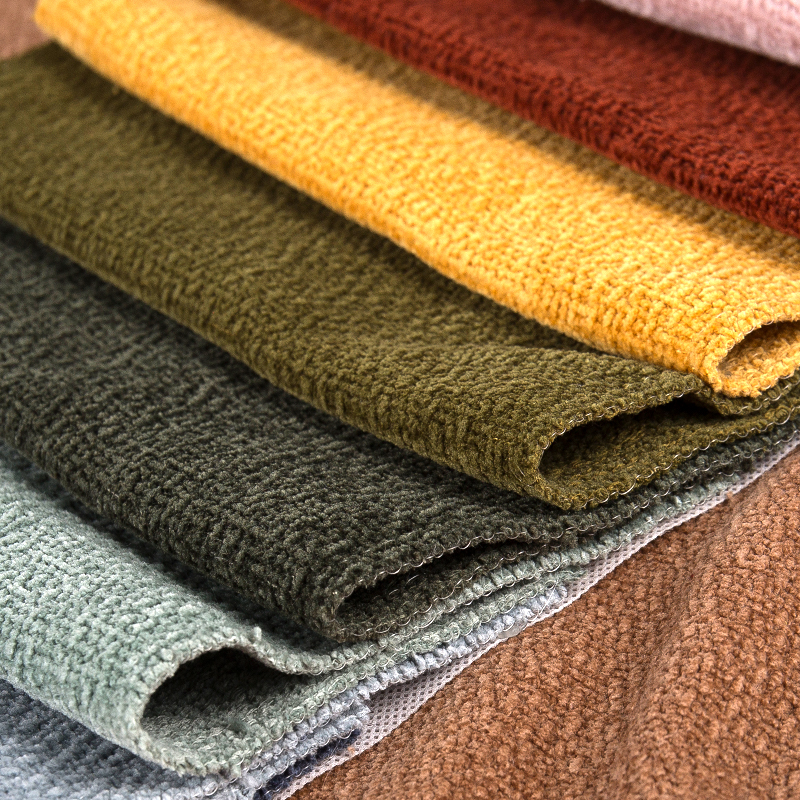
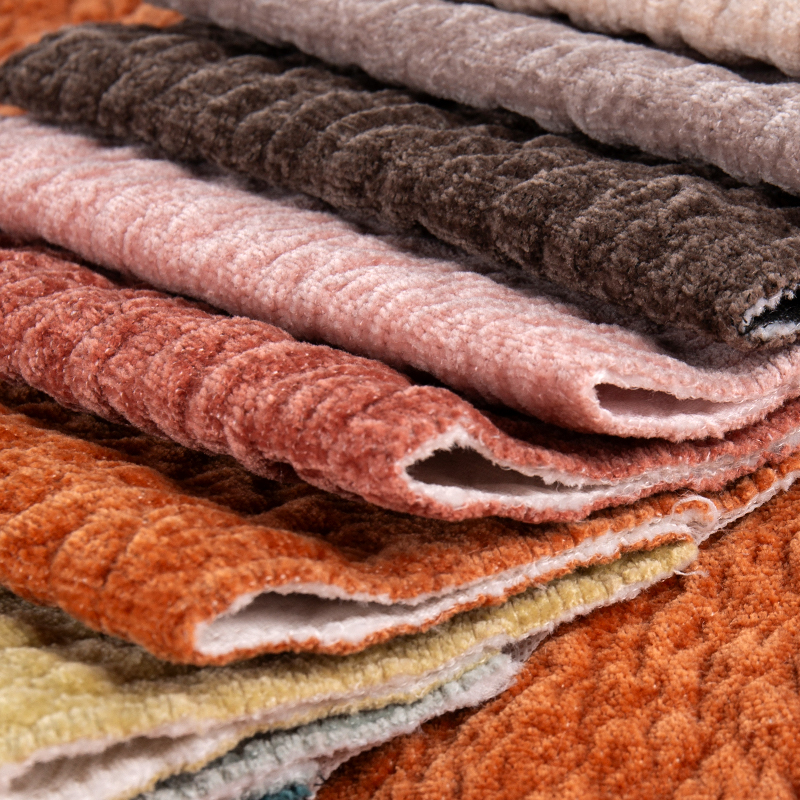
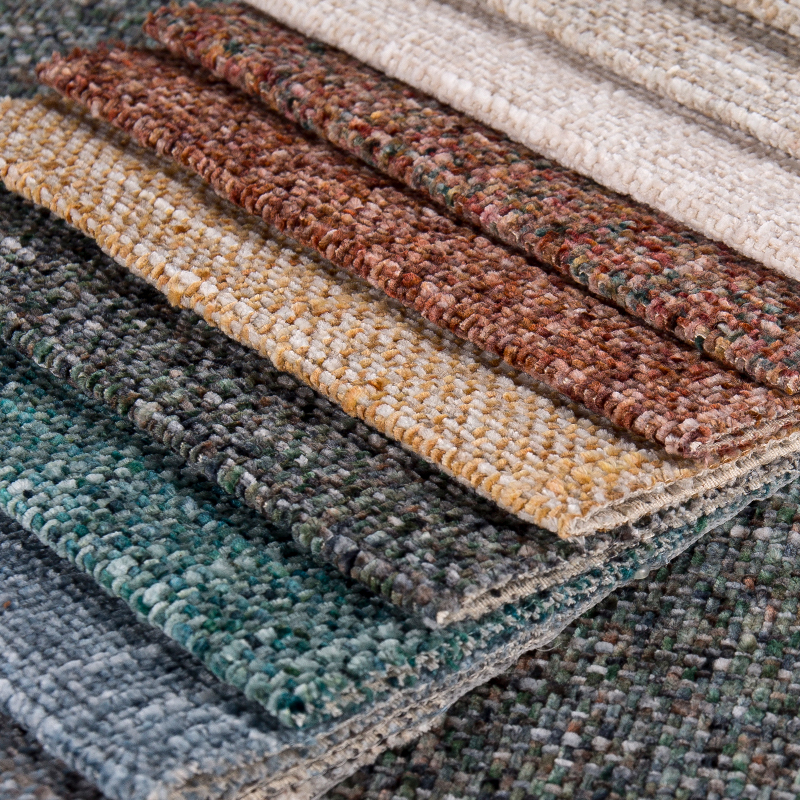
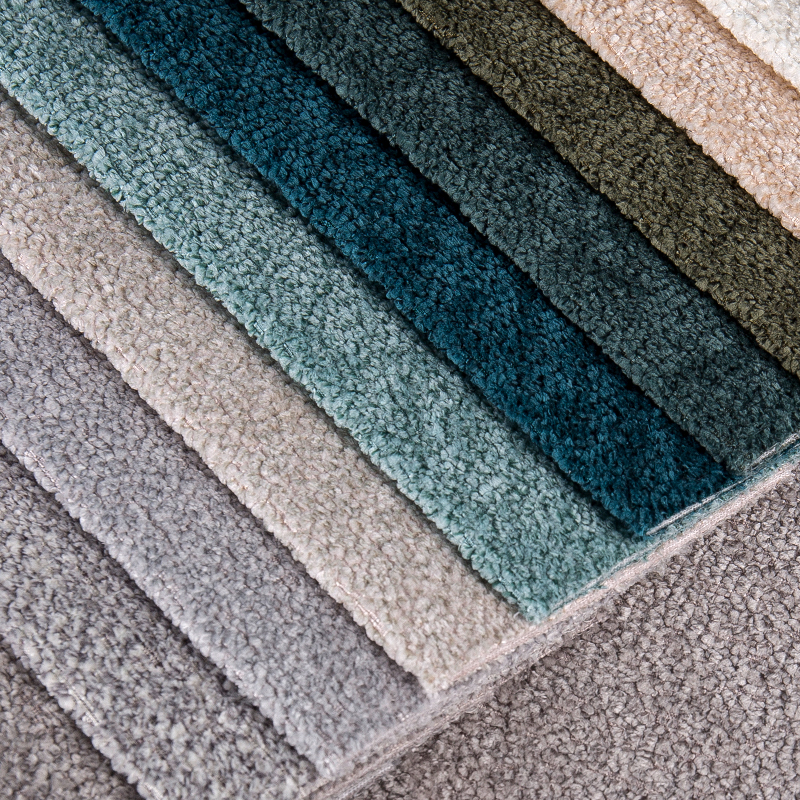
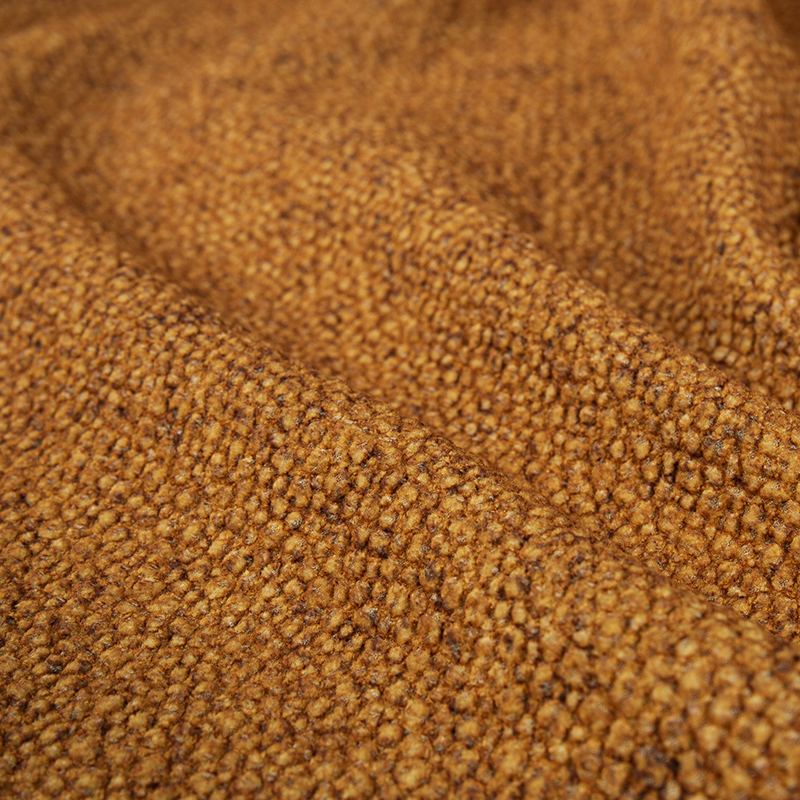
That said, the risk is not the same across every chenille product. Fiber type and pile height change the behavior dramatically. A low-pile or compact construction, such as our soft grainy chenille sofa fabric, exposes shorter yarn segments, which gives snagging fewer places to start and keeps the surface looking tidy after repeated use. The durability rating of the fabric matters more than the category name "chenille" alone.
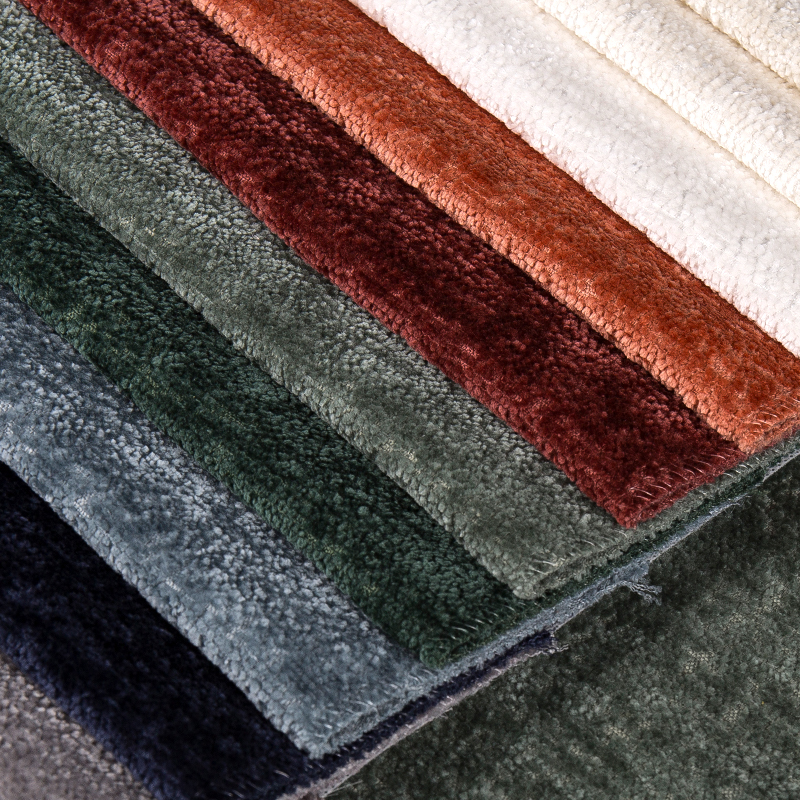 Soft Grainy Chenille Sofa Fabric Manufacturers, Company - Tongxiang Climbing TexClimbing Textile is China Wholesale Soft Grainy Chenille Sofa Fabric Manufacturers and Custom Soft Grainy Chenille Sofa Fabric Company,1....View Product →
Sunlight is a slow but relentless opponent of upholstery fabrics. In a sunny living room, a chenille sofa positioned near a window can begin to shift color after a few seasons. The effect usually shows first on the armrest and the back panel, where light hits hardest, leaving the rest of the sofa looking slightly out of sync.
The old reputation for rapid fading comes from early chenille fabrics made with cotton, wool, or acrylic pile, which absorb moisture and carry dyes that are less stable under UV radiation. Polyester chenille behaves differently. Disperse dyes bond well with polyester fibers, and when the fabric goes through a controlled dyeing and heat-setting process, the color fastness to light improves considerably. This is not a claim you should take on faith from a fabric swatch; it is a measurable property. Lightfastness is graded on a scale of 1 to 8, and a rating of 5 or higher is generally considered suitable for upholstery in normal residential conditions.
If your sofa will sit in direct sunlight for several hours a day, ask for the fabric's lightfastness rating before placing an order. High-quality polyester chenille can hold its color for years under typical indoor lighting. Budget grades with lower dye fastness, on the other hand, can disappoint within months. It is also worth understanding what measures during dyeing and finishing improve fade resistance before you buy.
Caring for a chenille sofa is more demanding than caring for smooth, tightly woven fabrics. The raised pile acts like a dense little flock of fibers, collecting dust, crumbs, pollen, and pet hair. Static electricity in synthetic versions can make the situation worse, holding particles inside the pile where a simple wipe cannot reach them.
Liquid spills present a bigger risk. A tall pile absorbs water and other liquids through capillary action, pulling the stain deeper into the structure. A drop of coffee that could be wiped off a leather seat or a tight woven polyester can become a permanent reminder on chenille. Water marks form even with plain water when the affected pile dries awkwardly and bends in a different direction from the surrounding fibers.
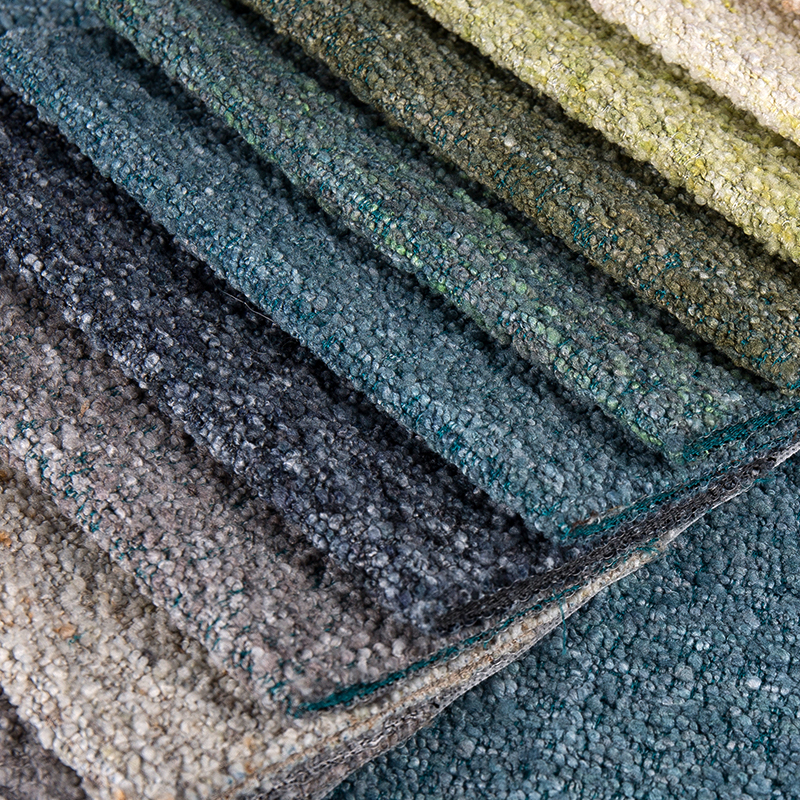
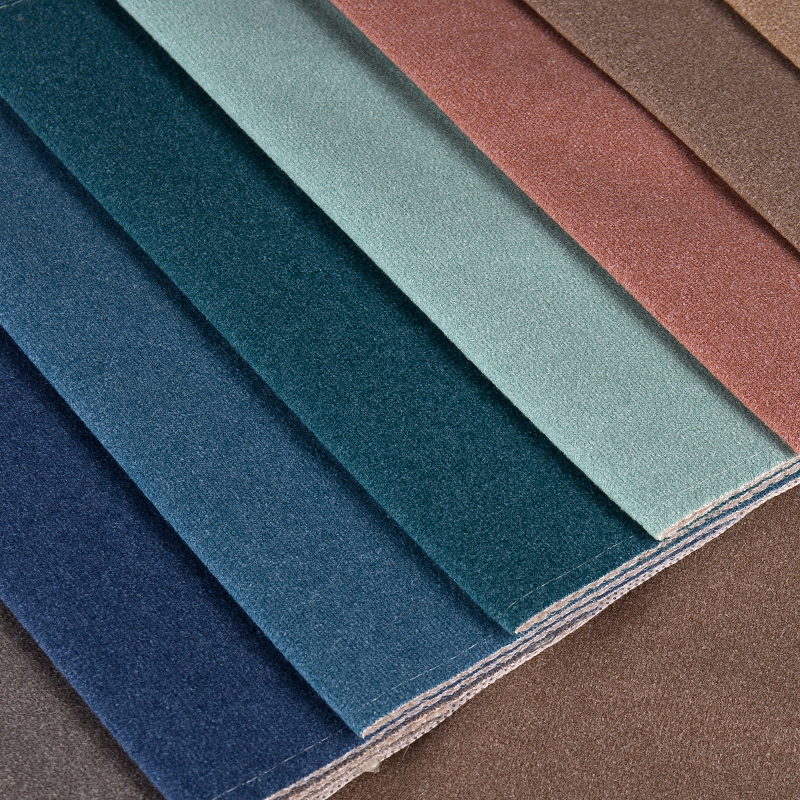
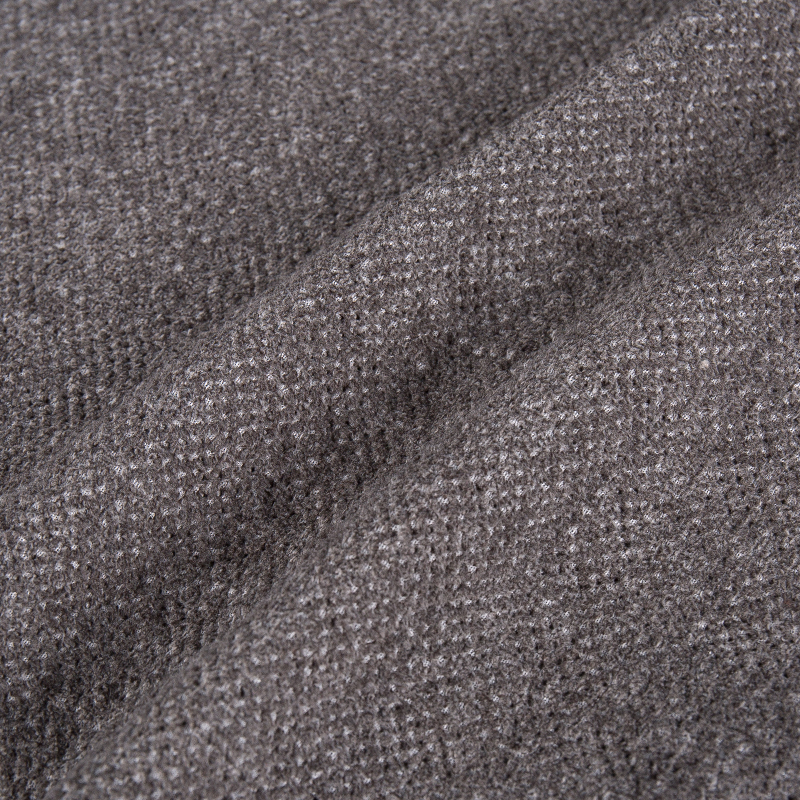
The practical answer is prevention and regular care. Vacuum the sofa weekly with a soft brush attachment, blot spills immediately rather than rubbing them, and avoid harsh chemical cleaners that can strip the surface. Some polyester chenille fabrics are designed with a low-lint structure or a textured surface that hides everyday dust better than a deep, plush pile. A linen-look chenille sofa fabric, for example, offers the softness of chenille with a matte, slub-textured surface that feels more tolerant of casual living. The right construction also depends on how to choose chenille sofa fabric for the specific room, household, and use pattern.
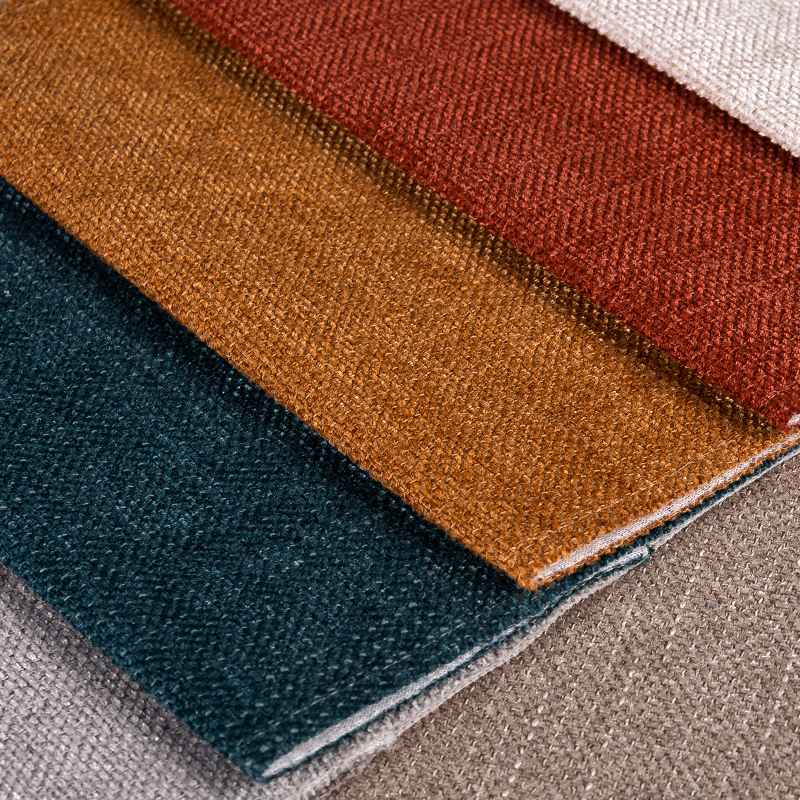 Linen Look Chenille Sofa Fabric Manufacturers, Company - Tongxiang Climbing TextClimbing Textile is China Wholesale Linen Look Chenille Sofa Fabric Manufacturers and Custom Linen Look Chenille Sofa Fabric Company,1. L...View Product →
Aside from surface damage, chenille can face structural problems. Cotton-based and blended chenille fabrics can shrink or distort after washing. Even though most upholstery is never machine-washed, cleaning treatments involving water-based solutions can set off the same response. The issue appears as wavy seams, puckered panels, or a fabric that no longer lies flat over the cushion.
For a furniture manufacturer, dimensional stability is not just a cosmetic issue. If a fabric shrinks or stretches differently across a production batch, the upholsterer discovers it only after cutting, which leads to rejected parts and wasted labor. That is why experienced mills test not only the finished roll but also the consistency between batches.
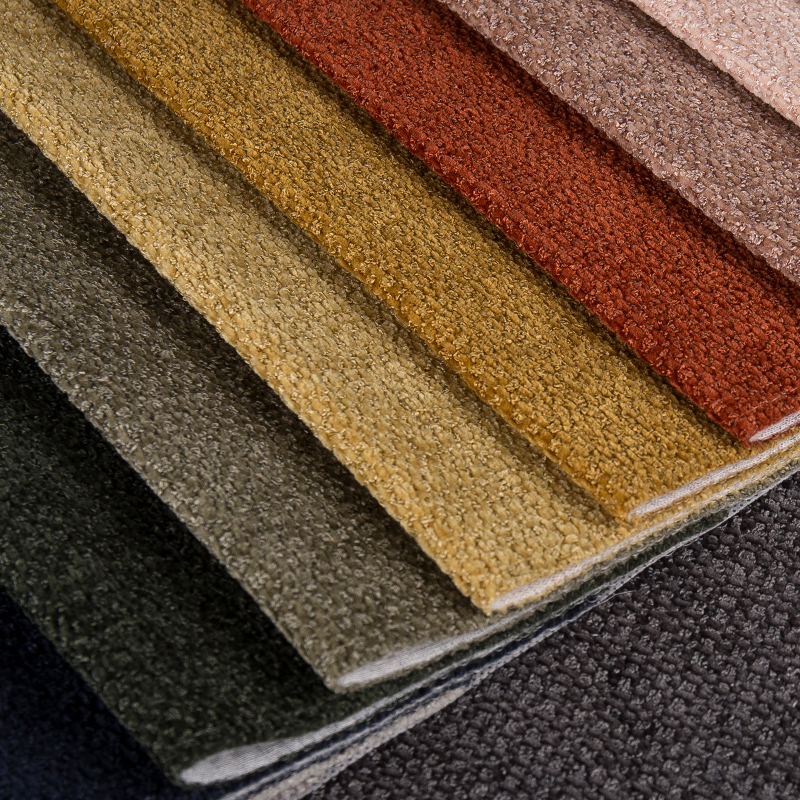
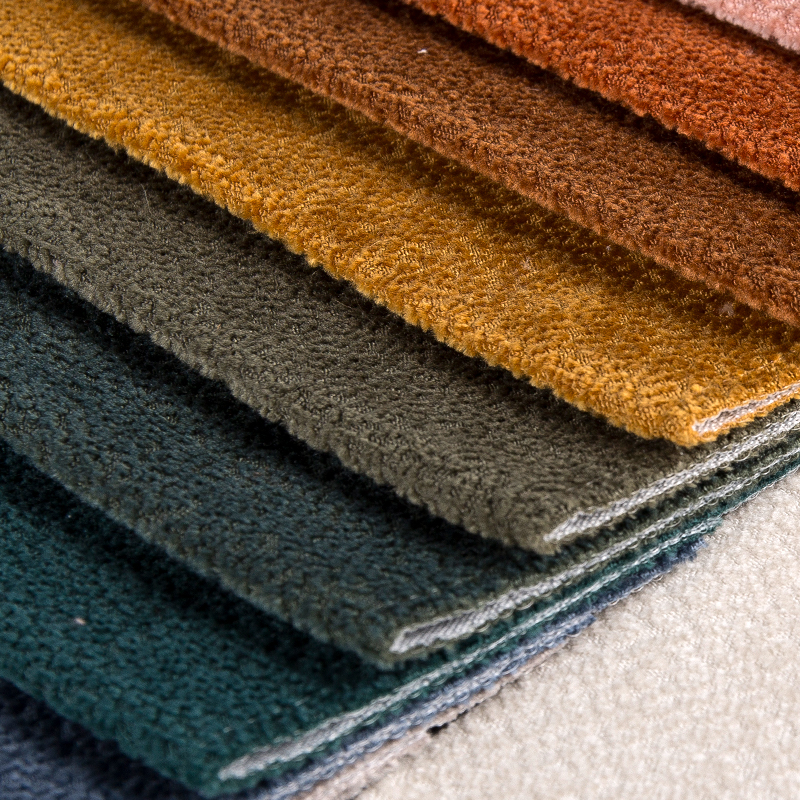
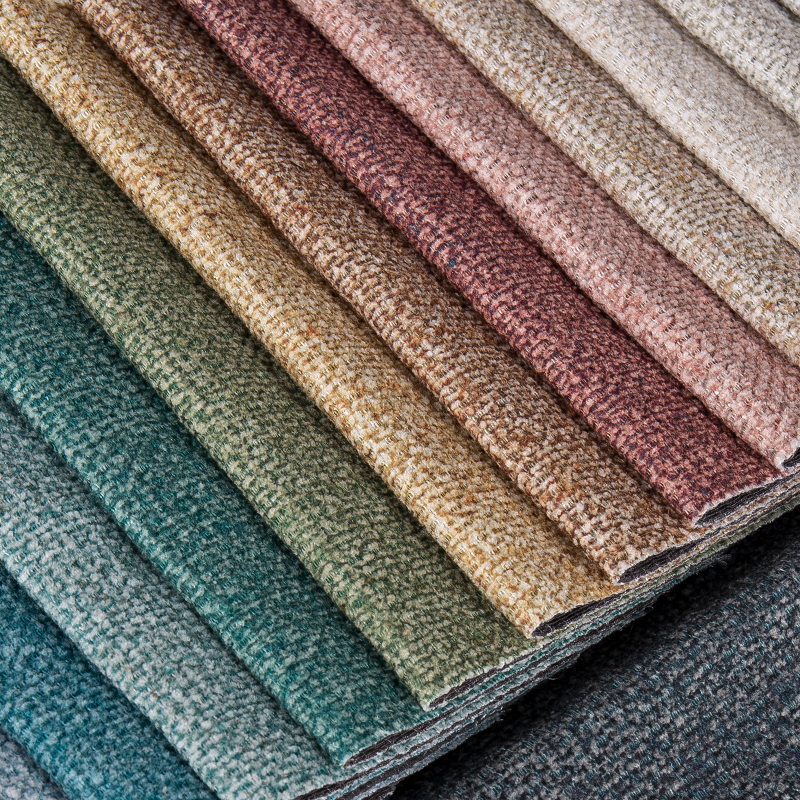
Wear under heavy use is a separate concern. Commercial seating, dining chairs used three times a day, and sofas in households with large dogs all create the kind of friction that chenille resists less well than flat weaves or tight velour. The abrasion resistance of a fabric is measured with the Martindale rub test. For light residential use, 20,000 cycles is often enough; for family sofas used daily, look for 30,000 or more. Well-constructed polyester chenille can meet these levels, especially when the pile is short and the weave density is high. A leather hand-feeling chenille sofa fabric, which combines a compact chenille surface with a smoother, high-density finish, is one example of a construction built to stand up to more frequent use without sacrificing the soft hand feel.
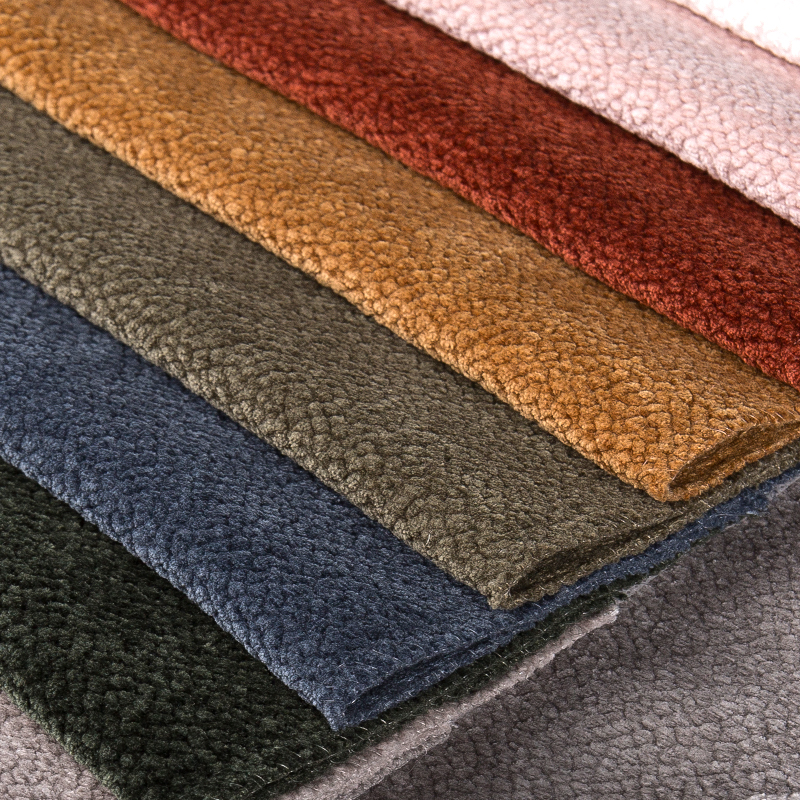 Leather Hand Feeling Chenille Sofa Fabric Manufacturers, Company - Tongxiang CliClimbing Textile is China Wholesale Leather Hand Feeling Chenille Sofa Fabric Manufacturers and Custom Leather Hand Feeling Chenille Sofa...View Product →
Material and construction quality ultimately decide how well a chenille fabric responds to wear and tear from pet usage or high-traffic environments. If you are sourcing fabric for a production run, the abrasion test result, seam slippage numbers, and dimensional stability data should be part of the technical spec sheet, not just the marketing description.
The disadvantages of chenille fabric can be managed, but only if you know what to inspect. For both consumers and fabric buyers, the decision should rest on a few concrete criteria.
Polyester chenille is the most stable choice for upholstery. It resists shrinking, dries more quickly, and holds its shape better than cotton or rayon versions. If you want authentic chenille softness without the laundry-related surprises, the fiber type alone does most of the work.
Short, dense piles are more resistant to snagging and flattening than tall, bushy piles. Interior designers often favor compact chenille for busy households, while a longer pile might be acceptable in a formal living room that sees limited use.
Ask for the Martindale rub count and the lightfastness grade before committing to a fabric. The numbers tell you more than the swatch ever will.
Stain-resistant treatments, water-repellent coatings, and anti-static finishes can remove many of the practical disadvantages of a bare chenille surface. These treatments do not make the fabric indestructible, but they buy time during accidental spills and reduce the amount of dust and hair that clings to the pile.
Chenille is not the most forgiving upholstery fabric. It snags, it pills, it fades under direct sun, and it demands more careful maintenance than flat weaves or leather. Those drawbacks are real, and anyone buying a chenille sofa should go in with open eyes.
At the same time, a blanket statement like "chenille is bad" does not hold up. The performance depends on the fiber, the yarn construction, the weave density, the dyeing process, and the finishing. A well-made polyester chenille with a compact pile and solid quality control can serve perfectly well in a family room or a commercial setting, while a poorly made cotton chenille might disappoint even in a low-use guest room.
After years of manufacturing and testing chenille upholstery for sofa producers, we have seen the difference that material selection makes. If you are considering chenille for a sofa or a full upholstery project, look past the soft touch and ask the questions that matter: What fiber is inside? How durable is the construction? What is the lightfastness rating? How does the fabric respond to spills and cleaning? When the supplier can answer those questions with data instead of marketing language, chenille's disadvantages become a set of manageable conditions rather than a deal-breaker.
Related Products

Contact us
Address
Hangfu Road 106#, Chongfu Town, Tongxiang City, Zhejiang, China
Phone
+86-15067379939
linachen@climbingtex.com / zac@climbingtex.com
lianniu@climbingtex.com
Fax/Tel
+86-573-88385698
products
QR CODE
 Home Textile Manufacturers
Sofa Fabric Factory
Home Textile Manufacturers
Sofa Fabric Factory
 English
 Español
 عربى
عربى