Aug 06, 2026
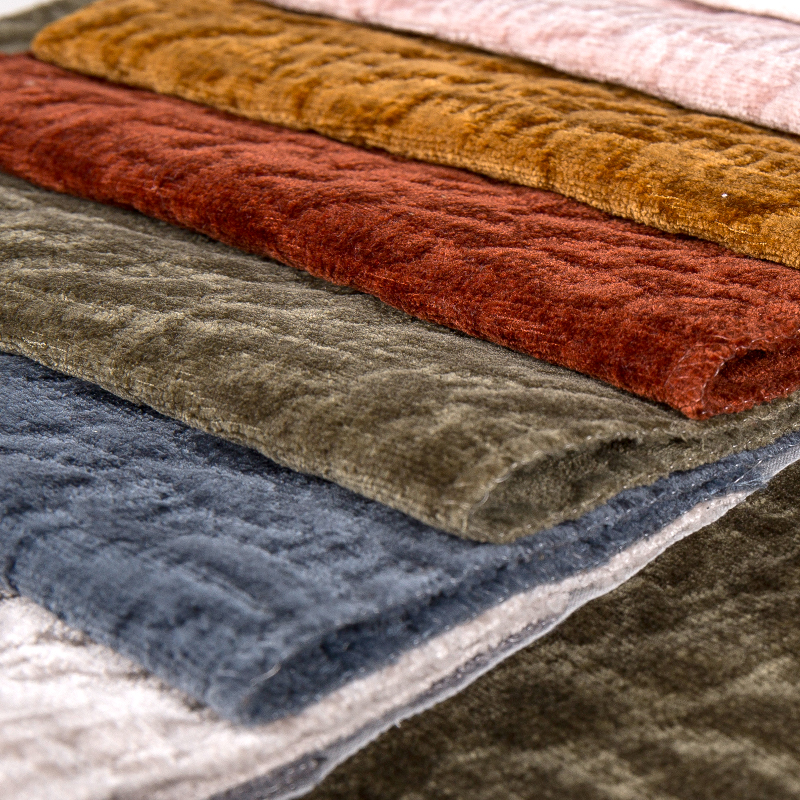
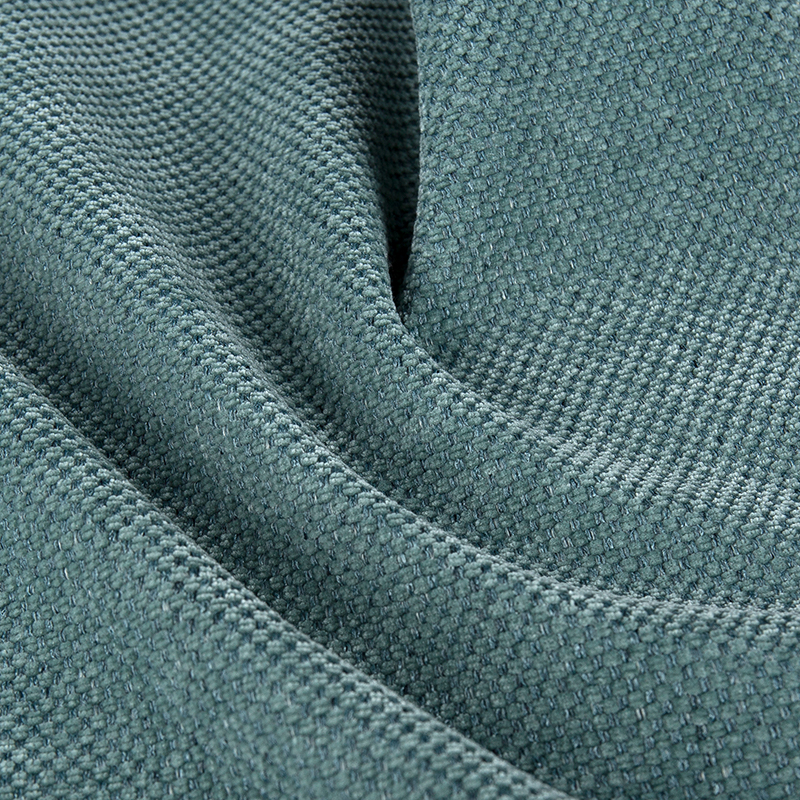
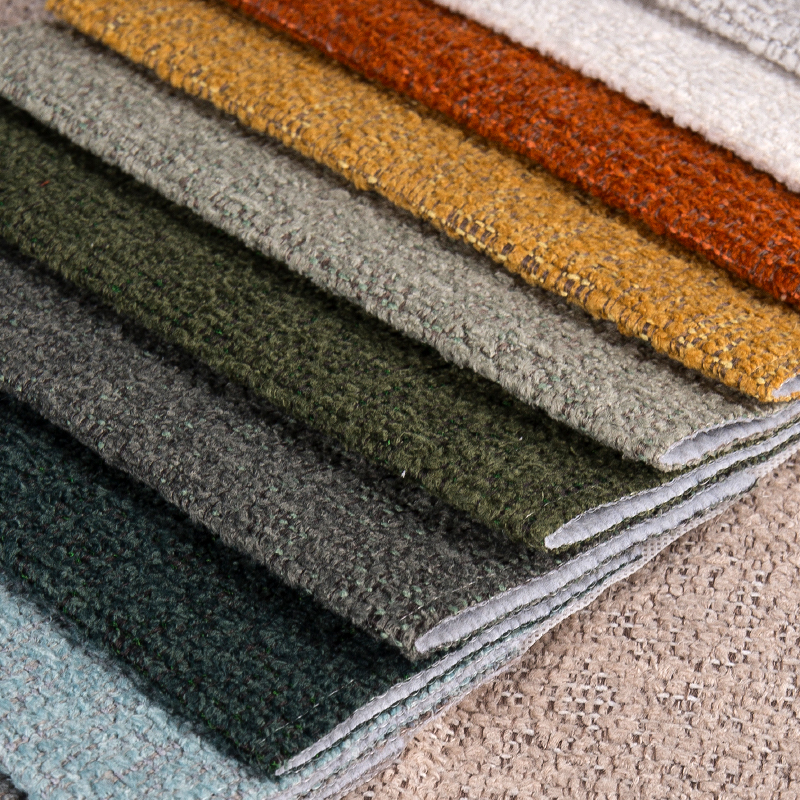
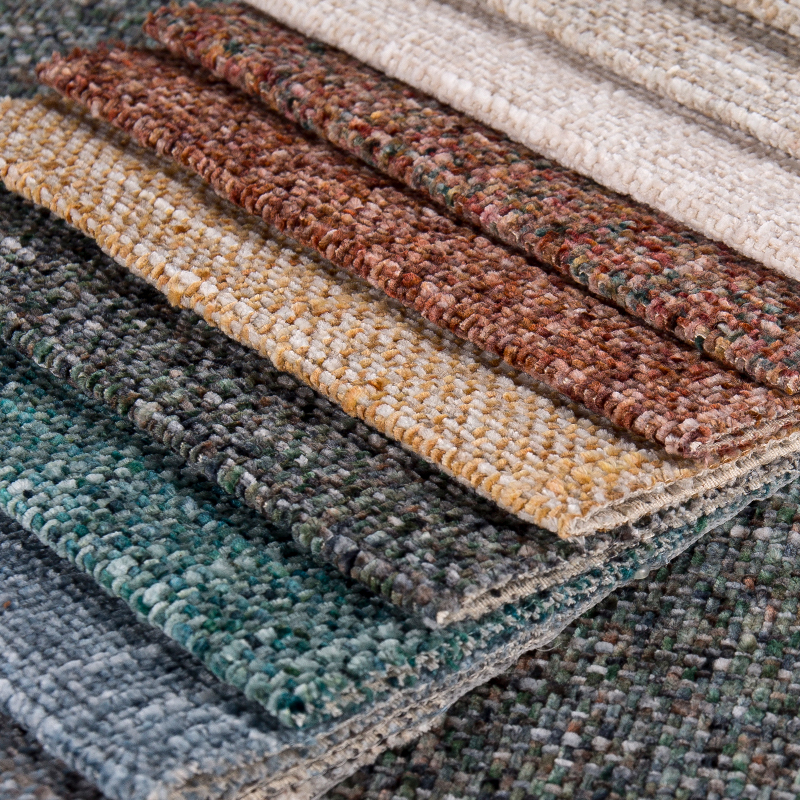
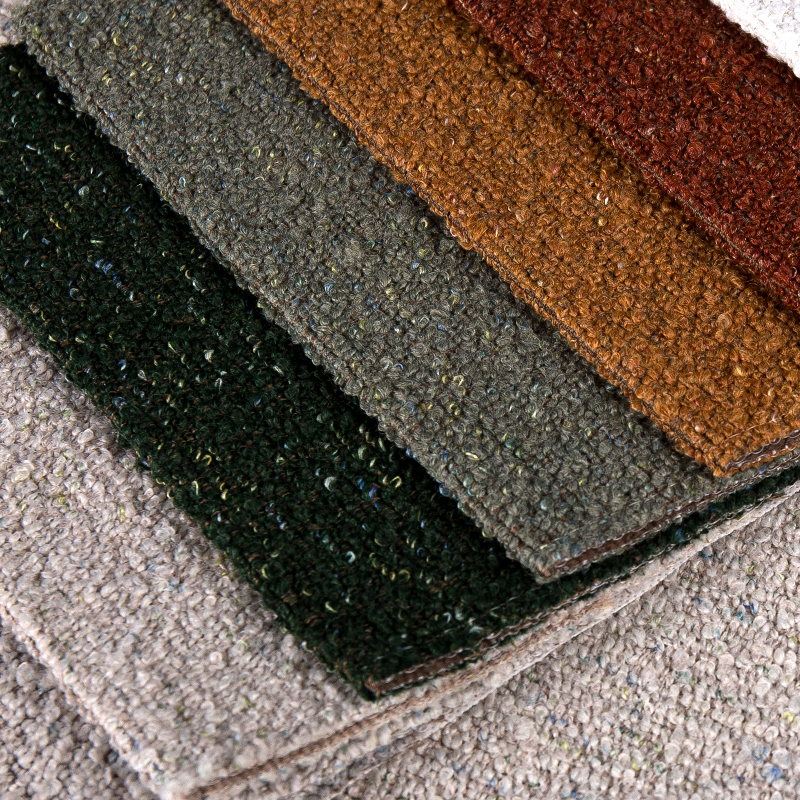
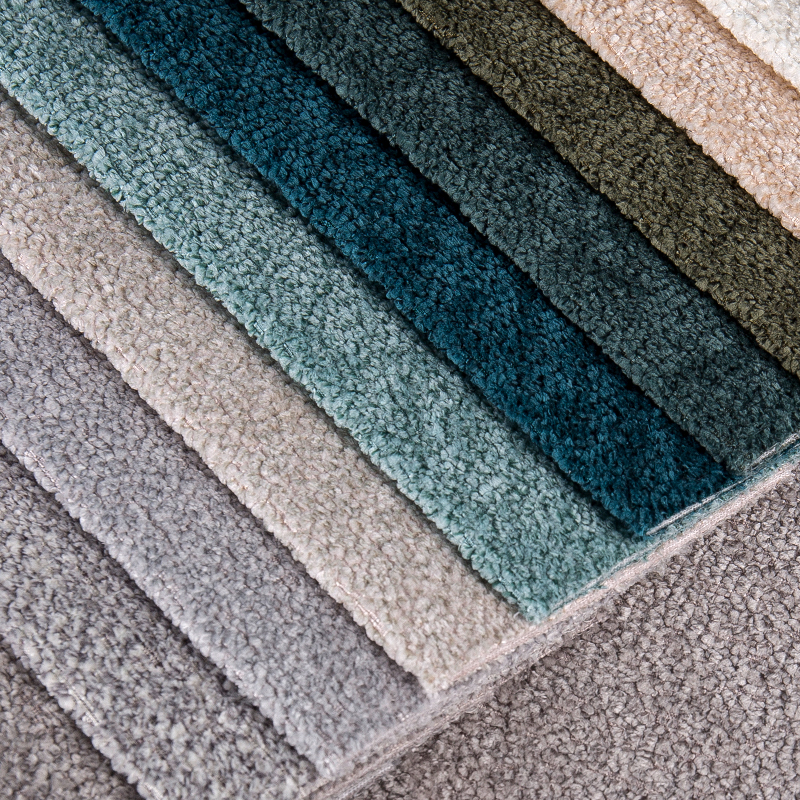
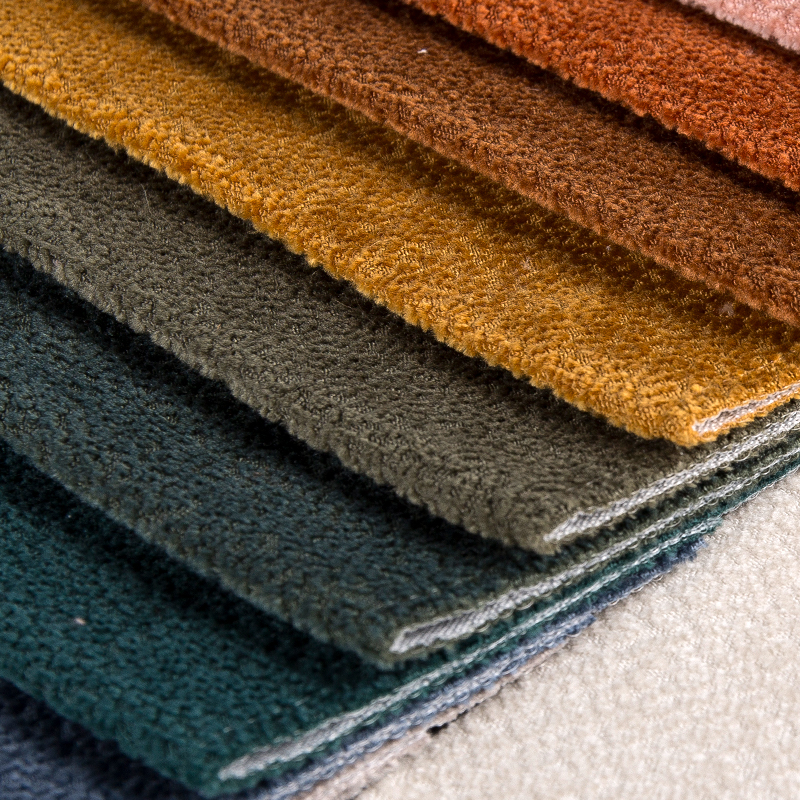
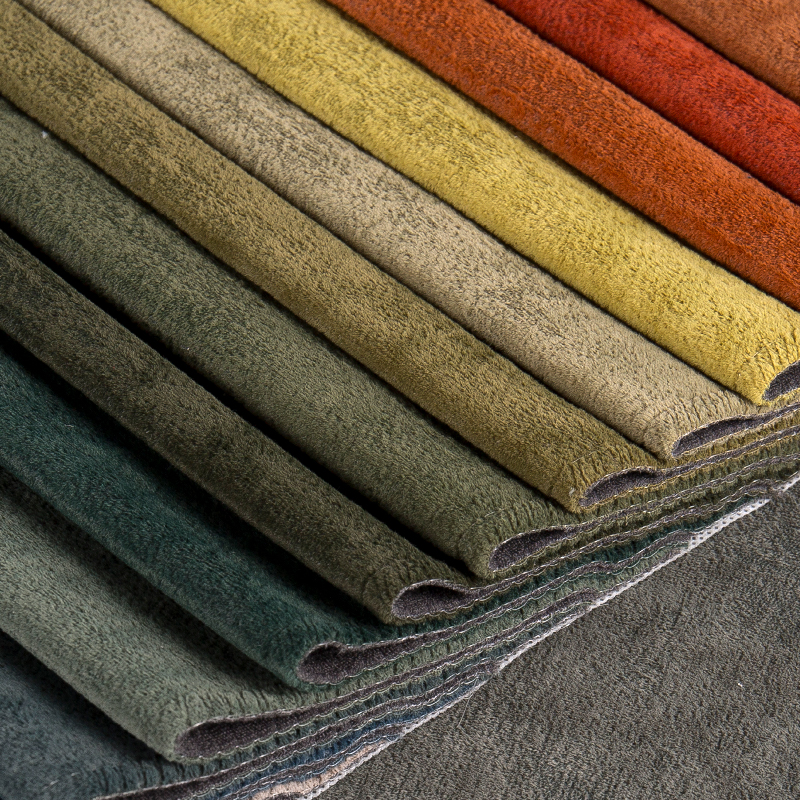
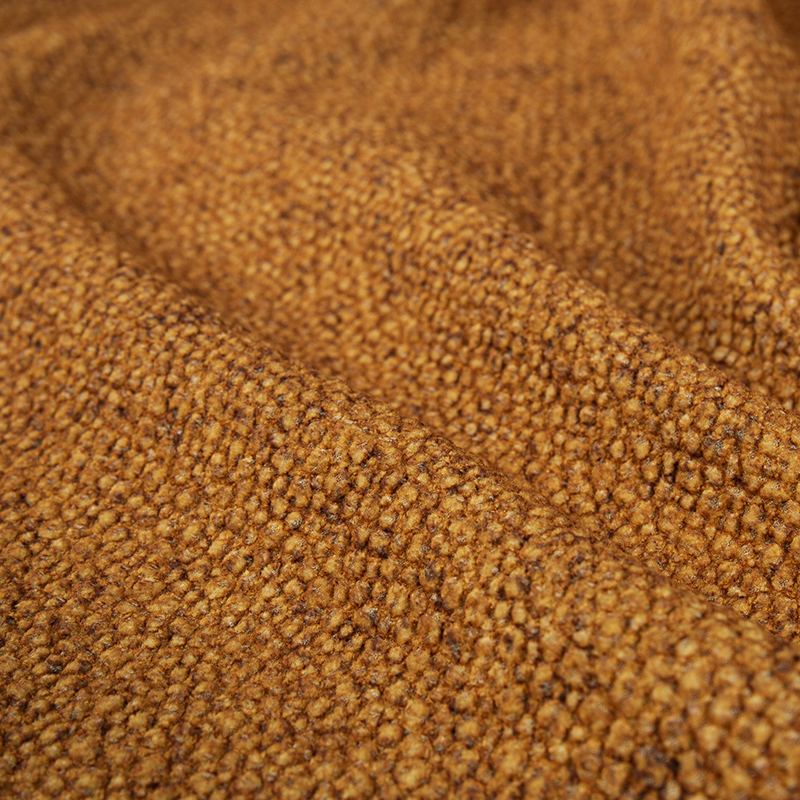
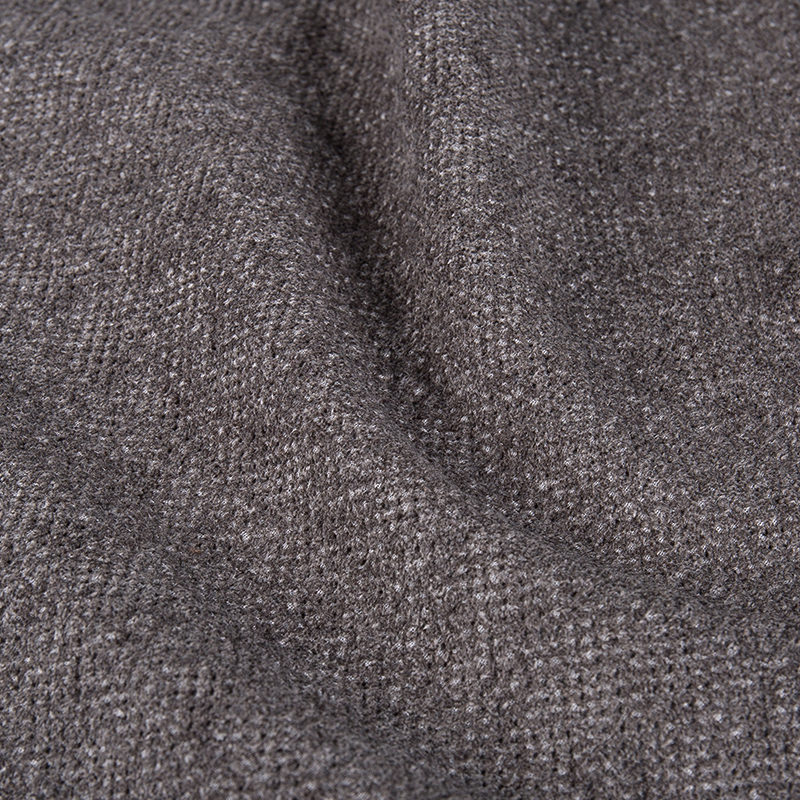
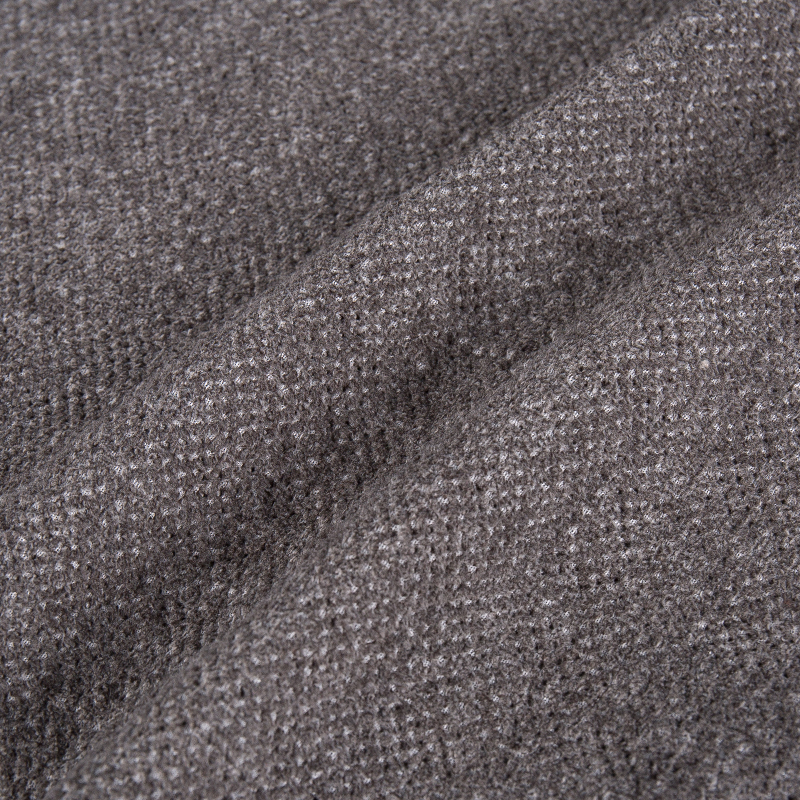
A buyer running a hand across two seemingly identical polyester fabrics can usually tell within seconds which one will hold up in a showroom and which one will pill within a season. That instinct isn't guesswork — it's the product of construction, fiber finish, and embossing depth working together to create what the industry calls unique touch and pattern. For sourcing managers building a sofa fabric program, this single quality trait drives return rates, repeat orders, and how a finished piece of furniture actually feels in a customer's living room.
Core Takeaway
Fabric touch is determined mainly by fiber denier, brushing, and finishing, while pattern definition depends on embossing depth, roller precision, and dye penetration — and the two properties must be engineered together, not chosen separately, to avoid pattern fade, surface fuzzing, or seam distortion after upholstering.
Content
Touch and pattern are not cosmetic afterthoughts applied at the end of production. Both are built into the fabric at the yarn, knitting, and finishing stages, and each stage introduces variables that a buyer should be asking about before placing a bulk order.
Fiber Denier & Brushing
Finer denier polyester yarns, typically below 150D, produce a softer initial hand feel. Micro-brushing raises short fibers to the surface, giving fabrics like faux suede their characteristic warmth without adding bulk weight.
Embossing Depth
Heated engraved rollers press a relief pattern into the fabric surface. Depth typically ranges from 0.3mm for subtle texture to over 1mm for leather-look grains, and depth directly affects how long the pattern survives repeated seating pressure.
Weave or Knit Structure
Woven jacquard builds pattern directly into the thread interlacing, so the design never wears off. Warp-knitted constructions trade that permanence for stretch and a plusher hand, which is why many sofa lines blend both approaches across a collection.
Dye Penetration
Printed patterns sit closer to the surface and offer near-unlimited design freedom, while yarn-dyed or solution-dyed fabrics carry color through the fiber, which keeps pattern edges crisp even after years of sun exposure near a window.
The four most common sofa fabric constructions each strike a different balance between softness, pattern permanence, and cost. The comparison below reflects typical mid-to-heavy weight upholstery-grade ranges used in export production.
Touch quality and pattern definition mean little if the fabric can't survive daily use. Martindale rub count — the industry standard for abrasion resistance — is the metric most likely to separate a fabric that looks premium on a swatch card from one that performs premium after 18 months in a household. Contract-grade upholstery for hospitality or commercial seating is generally expected to clear 100,000 cycles, while standard domestic use is often benchmarked around 25,000–30,000 cycles.
Typical Martindale Abrasion Cycles by Construction
30,000
Printed Fabric
45,000
Knitted Fabric
60,000
Woven Jacquard
100,000+
Embossed Technical Cloth
Figures represent typical industry benchmark ranges for upholstery-grade polyester fabrics and vary by specific finish and fiber blend.
Sourcing patterns across international upholstery buyers tend to cluster around a handful of end-use categories, and understanding this split helps a buyer benchmark order volumes and pattern preferences against the broader market.
Distribution reflects general sourcing patterns observed across international upholstery fabric buyers and is illustrative rather than a single-source dataset.
Buyers who skip physical evaluation and order from photographs alone are the ones most likely to receive containers that don't match expectations. A short, structured evaluation process protects both budget and brand reputation.
Step 1 — Request Physical Swatch Cards
Photographs cannot convey hand feel or embossing depth. Request A4-size swatches of any shortlisted pattern before committing to a sampling order.
Step 2 — Verify Rub Count and Colorfastness Reports
Ask for third-party or in-house lab reports covering Martindale abrasion cycles and light/rub colorfastness ratings relevant to your target market's furniture standards.
Step 3 — Run a Wash-and-Flex Simulation
Fold and flex the swatch repeatedly, and if applicable, lightly wipe with a damp cloth to check whether the embossed pattern retains its relief and the printed pattern resists bleeding.
Step 4 — Confirm MOQ, Lead Time, and Custom Pattern Options
Clarify minimum order quantities per colorway and whether the mill supports custom jacquard or embossing rollers for private-label pattern development.
Step 5 — Place a Bulk Pilot Order Before Full Commitment
A pilot production run confirms that bulk-dyed lots match approved lab dips and that embossing consistency holds across the full roll width, not just the swatch.
A fabric's unique touch and pattern only stay unique if the finished piece is cared for correctly, and buyers exporting to regulated markets need to plan for compliance early rather than after a shipment is flagged.
It refers to the combined sensory and visual identity of a fabric — how it feels to the hand (touch, or "hand feel") and how its surface design reads visually (pattern), both shaped by fiber choice, construction, and finishing.
A heated engraved roller presses a raised design into the fabric surface under controlled pressure and temperature, permanently reshaping the fiber structure to hold the relief pattern.
Jacquard pattern is woven directly into the thread structure, so it cannot wear off. Printed pattern is applied to the surface afterward, offering more design flexibility but less long-term durability.
Not necessarily. Weight affects density and drape, but hand feel is driven more by fiber denier, brushing, and finish chemistry than by raw weight alone.
Request Martindale abrasion test reports and run a manual flex-and-rub check on a physical swatch; both give a reliable early signal of how well the pattern will hold up in daily use.
Many upholstery mills support custom jacquard weaves or bespoke embossing rollers for private-label programs, though this typically requires higher minimum order quantities and longer lead times than stock patterns.
REACH compliance and OEKO-TEX Standard 100 certification are the two most commonly requested documents, alongside flammability test results matching the destination country's furniture safety regulations.
Use gentle brush vacuuming instead of scrubbing, avoid prolonged flat stacking during storage, and blot rather than rub spills to prevent flattening or distorting the raised pattern surface.
Sourcing Fabric With a Genuinely Unique Touch and Pattern
From woven jacquard to embossed technical cloth, the fabrics that hold their character over years of use are the ones engineered with touch and pattern in mind from the first yarn selection. Buyers evaluating a sofa fabric program should request lab-verified swatches, confirm abrasion and compliance data, and pilot-test before committing to full container volumes.
View Sofa Fabric CollectionsRelated Products

Contact us
Address
Hangfu Road 106#, Chongfu Town, Tongxiang City, Zhejiang, China
Phone
+86-15067379939
linachen@climbingtex.com / zac@climbingtex.com
lianniu@climbingtex.com
Fax/Tel
+86-573-88385698
products
QR CODE
 Home Textile Manufacturers
Sofa Fabric Factory
Home Textile Manufacturers
Sofa Fabric Factory
 English
 Español
 عربى
عربى