Jul 27, 2026
Content
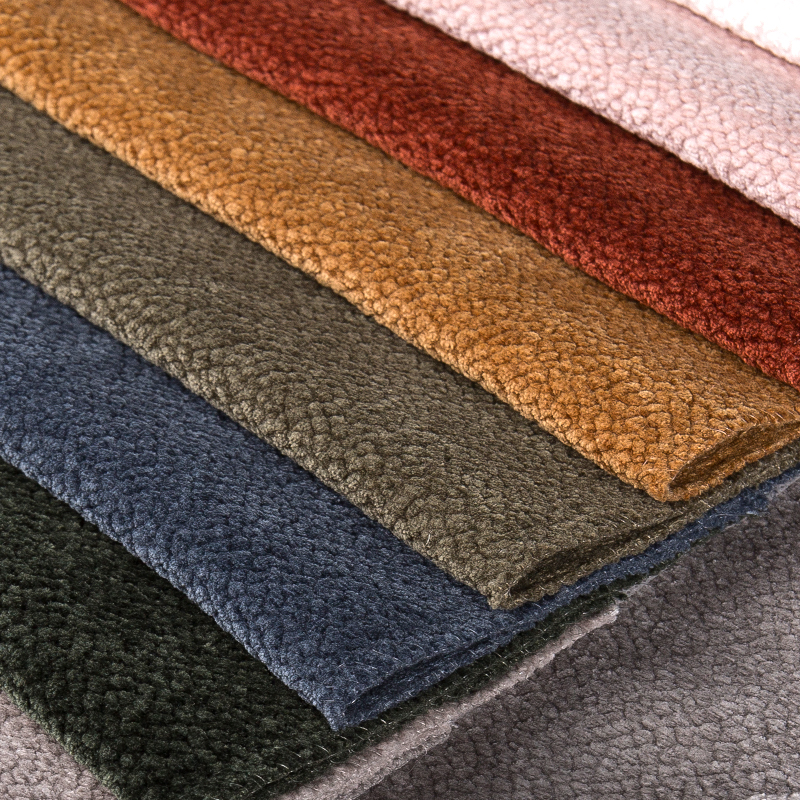
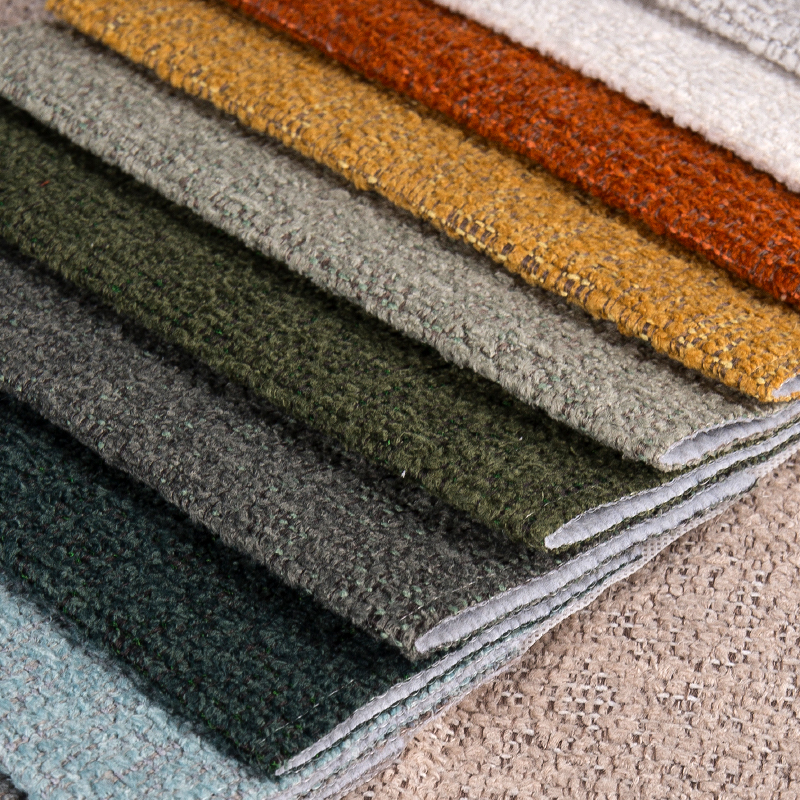
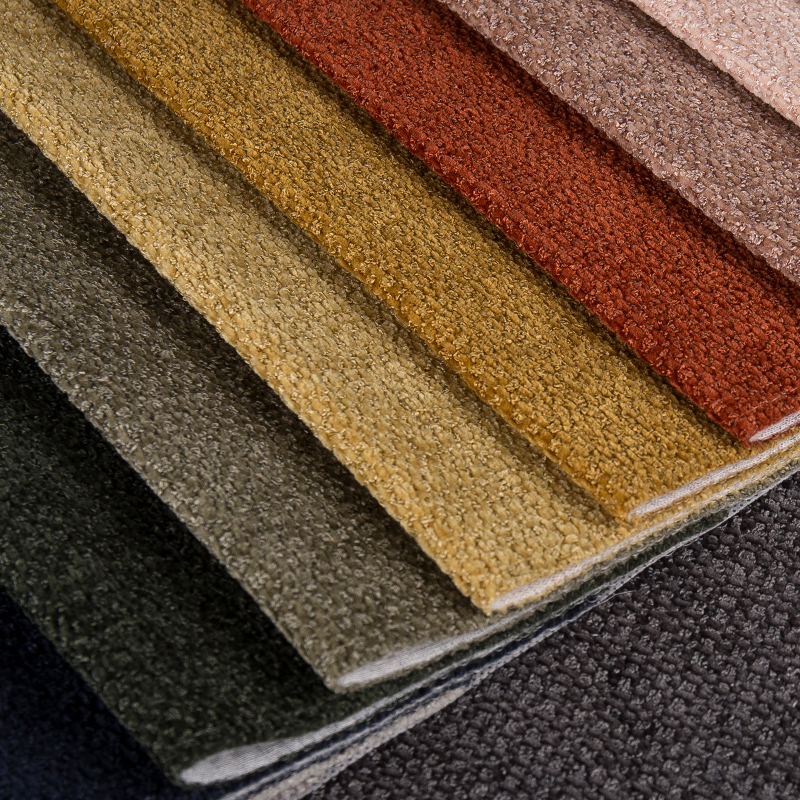
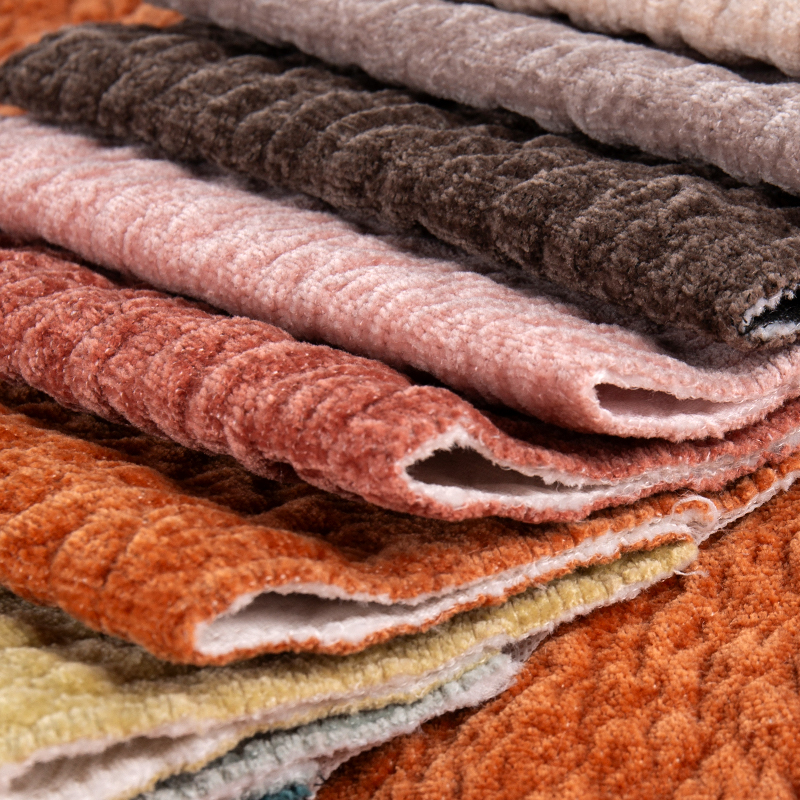
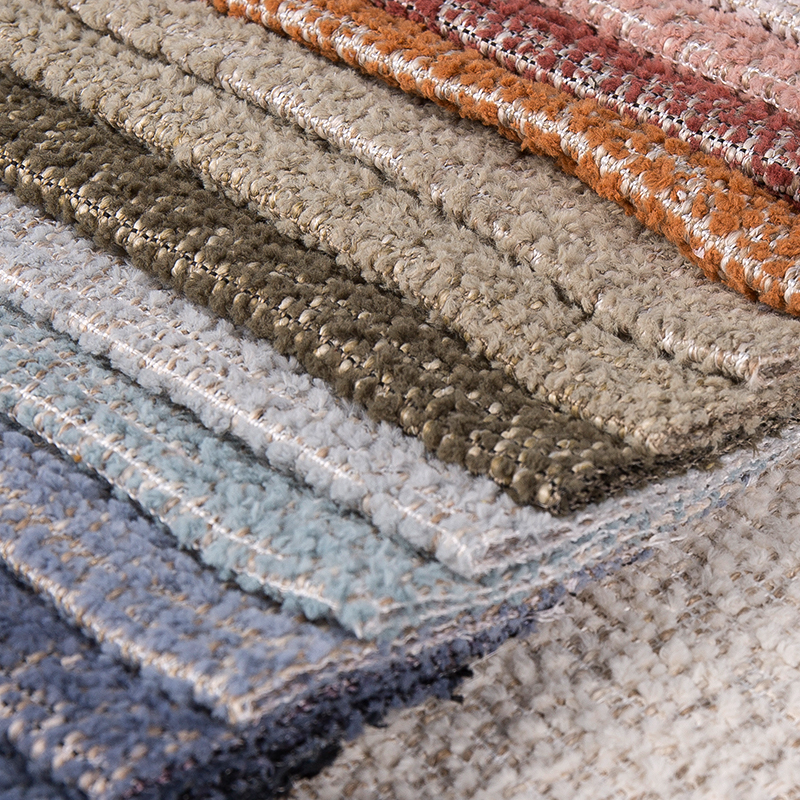
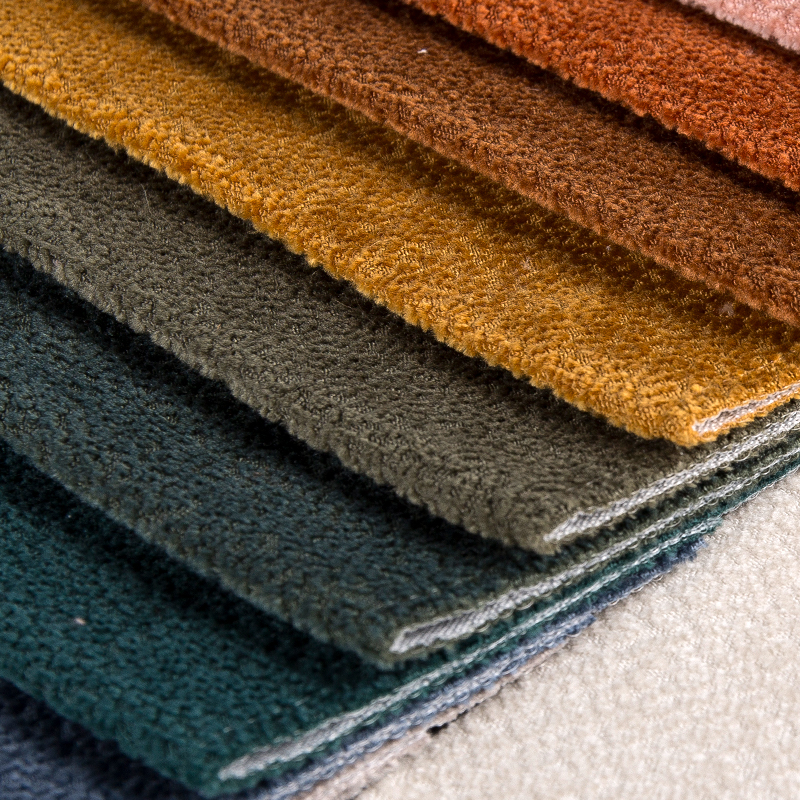
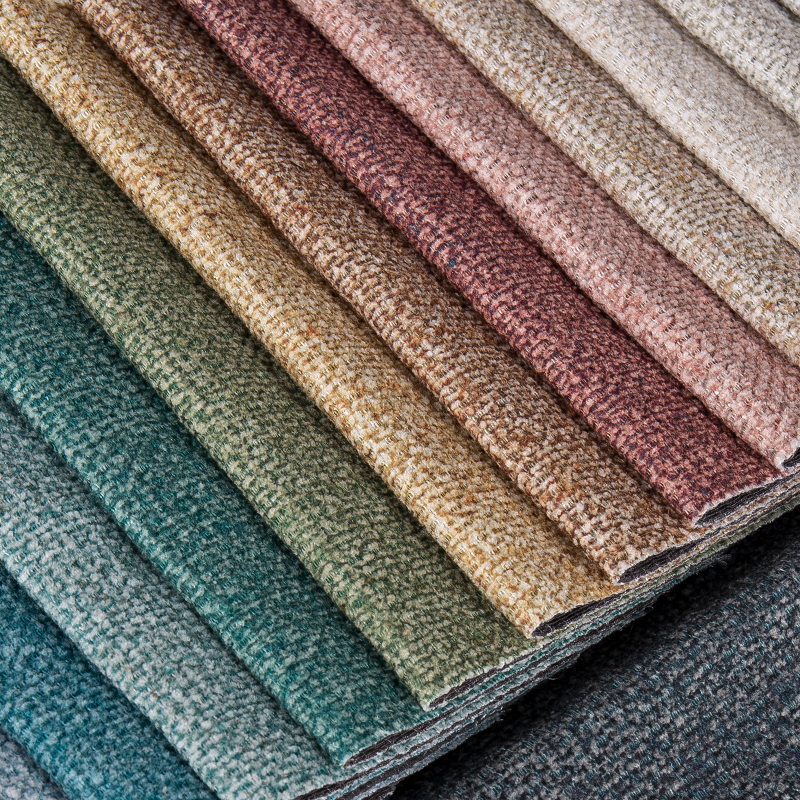
Durability special embossing sofa fabric is engineered to solve the core frustration of upholstered furniture: a beautiful surface pattern that wears off within a year of daily use. Unlike surface-printed textiles where the design sits on top of the fibers, this material uses a special embossing process that physically restructures the fabric at the molecular level. Heat and pressure permanently reform the synthetic fibers into a three-dimensional pattern that is an integral part of the substrate, not a superficial layer. The result is a warp-knitted fabric that delivers a full leather feel, exceptional tactile comfort, and a textured pattern that resists abrasion, cleaning chemicals, and years of seated pressure without fading or flattening.
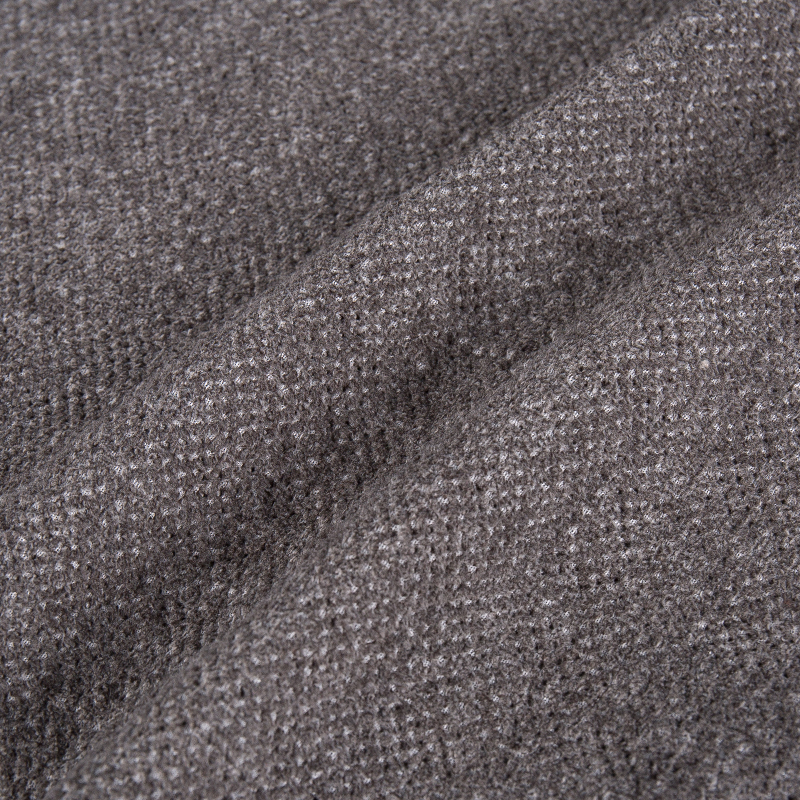
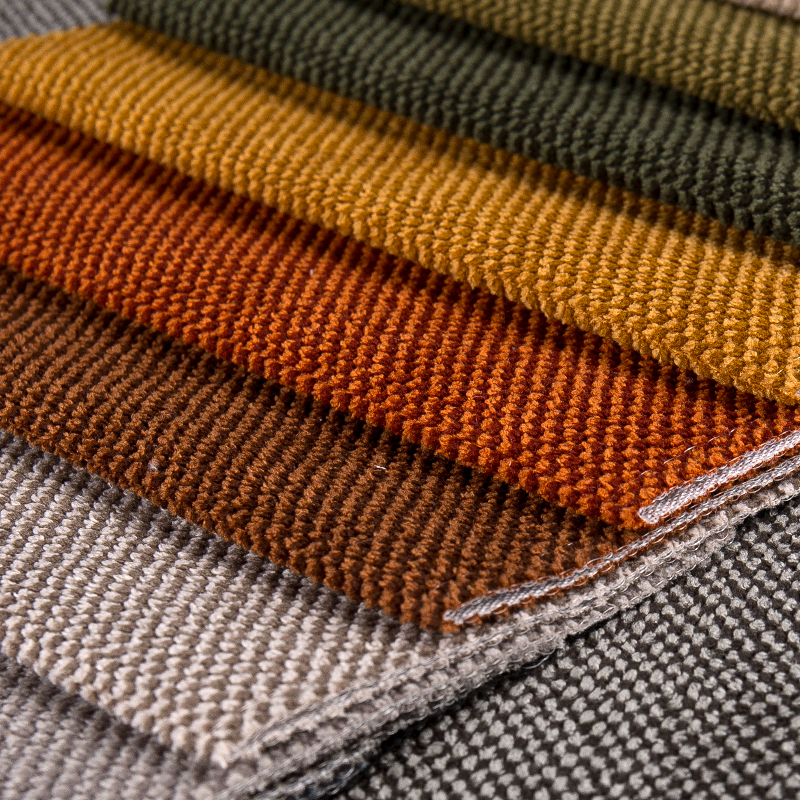
Before the embossing stage, the foundation is built on a warp knitting machine. This construction method interlocks loops vertically along the length of the fabric, creating a structure fundamentally different from conventional weft-knitted or woven upholstery textiles. The key practical outcome is resistance to laddering and edge fraying. If a single yarn in a warp knit is cut or broken, the interlocked vertical chain structure prevents the damage from spreading horizontally. For sofa upholstery subjected to pet claws, zippers, and daily friction, this means a small snag remains a localized cosmetic mark rather than developing into an upholstery seam failure.
Upholstery fabric is pulled taut over foam and frames, a condition of constant tensile stress. Weft knits can stretch and sag over time, creating unsightly wrinkles. The warp-knitted base of this embossing fabric exhibits less than 2% growth in width and length after 24 hours under a 5 kg static load, a standard measure of dimensional stability. This means the embossed pattern remains aligned and undistorted because the fabric base itself is not creeping or deforming. The cover remains drum-tight, preserving the furniture's showroom appearance for years.
The term "embossing" can be misleading. In low-quality fabrics, it is a simple hot-press operation that temporarily flattens fibers. The special embossing for durability fabric is a calibrated thermal reforming process targeting polyester fibers. The fabric passes between a heated engraved roller and a backing roller at a precise temperature, typically just below the fiber's melting point, around 180°C to 210°C. Under controlled pressure, the fibers in the high points of the engraved pattern are permanently compressed and fused into their new shape. Upon cooling, the pattern is physically set into the fiber structure, making it irreversible under normal service conditions and resistant to repeated friction cycles.
The definitive test of this durability is the Martindale abrasion test, the industry standard for upholstery. Standard printed fabrics can show significant pattern wear at 15,000 to 20,000 cycles. Durability special embossing sofa fabric, by contrast, commonly achieves a score of 50,000 to over 100,000 cycles without the pattern losing its tactile definition or visual contrast. The pattern is a three-dimensional topography, not a color difference. Even if micro-surface fibers experience wear, the embossed peaks and valleys maintain their shape. This makes the fabric suitable for heavy-duty contract use in hotels, lobbies, and commercial venues where residential-grade upholstery would fail within months.
A reliable durability special embossing sofa fabric must meet quantifiable performance standards that directly predict its lifespan on a finished sofa. The following table provides the key technical specifications that differentiate a quality-engineered embossed warp knit from a commodity textile.
| Performance Property | Test Standard | Typical Value for Durability Fabric | Practical Meaning for the User |
|---|---|---|---|
| Abrasion Resistance | ISO 12947-2 (Martindale) | ≥ 50,000 cycles | Pattern and texture survive heavy daily use for years |
| Seam Slippage | ISO 13936-2 | ≤ 1.0 mm at 3 kg load | Seams stay tight, no opening at stress points |
| Color Fastness to Light | ISO 105-B02 | Grade ≥ 6 (Blue Scale) | No visible fading in sunlit rooms |
| Pilling Resistance | ISO 12945-2 | Grade 4-5 | Smooth surface, no bobbling even after rubbing |
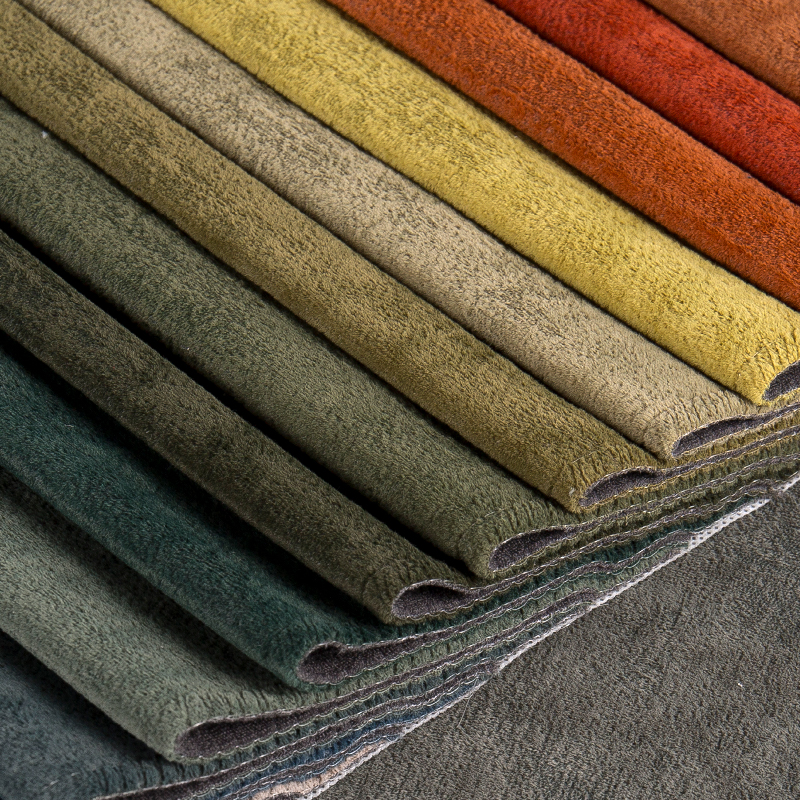
A primary design objective of the special embossing process is the tactile simulation of genuine leather. This is achieved by replicating the microscopic topography of natural hide grain on the fabric surface. When a user's hand glides over the fabric, the embossed peaks and valleys create the same level of controlled surface friction as full-grain leather—the sensation of warmth and grip rather than the cold, flat slip of smooth synthetic textiles. Combined with the soft, compliant drape inherent to the warp-knitted base, the fabric yields under finger pressure in a way that mimics the viscoelastic compression of leather, but without its coldness in winter or stickiness in summer. It delivers the luxury touch profile of aniline leather with the breathability and easy-clean practicality of a textile.
The durable, non-porous nature of the embossed fiber surface fundamentally simplifies cleaning. Unlike natural leather, which can be stained by body oils and requires conditioning, or nubuck with its open-pore vulnerability, this fabric presents a closed, fused surface. Most common household spills, including coffee, red wine, and ink, can be blotted and wiped away with a mild soap solution without wicking into the fabric core. For commercial environments, this translates to a critical compliance feature: compatibility with diluted bleach solutions for disinfection without degrading the embossed pattern or causing color shift. The maintenance protocol is wipe-and-go, avoiding the recurring cost and downtime of specialist leather conditioning treatments.
In healthcare and senior living furniture, cleaning protocols demand aggressive chemical agents. A standard test is the resistance to a 5% sodium hypochlorite solution. The fused, embossed fibers do not absorb the liquid, and the pattern structure withstands repeated chemical exposure because the topography is a physical set, not a chemically bonded print that can be dissolved. Even after 50 wipe-down cycles with a 1:10 bleach-to-water solution, a quality embossed fabric should show no visible pattern loss, no surface tackiness, and a change in tensile strength under 5%.
When procuring this fabric for a furniture production line or a contract furnishing project, the specification must go beyond "embossed fabric." A complete purchase specification ensures you receive the engineered durability you are paying for. Key line-item details to confirm on a supplier's technical data sheet include:
Related Products

Contact us
Address
Hangfu Road 106#, Chongfu Town, Tongxiang City, Zhejiang, China
Phone
+86-15067379939
linachen@climbingtex.com / zac@climbingtex.com
lianniu@climbingtex.com
Fax/Tel
+86-573-88385698
products
QR CODE
 Home Textile Manufacturers
Sofa Fabric Factory
Home Textile Manufacturers
Sofa Fabric Factory
 English
 Español
 عربى
عربى