Oct 20, 2026
Two velvet swatches lie on the table. Both are polyester, both are the same olive shade, both feel soft under the thumb. One quotes at around four dollars a metre, the other closer to fourteen. The fibre does not explain the gap. The way the pile was built and the way it was fixed afterwards do.
Velvet is not a fibre, and it is not one weave. It is a family of pile fabrics in which a ground cloth holds a dense forest of upright yarn ends. How those ends are created, cut and locked in place decides almost everything a buyer cares about: hand feel, sheen, crush recovery, rub resistance, shade stability and cost.
Short answer: velvet is made by weaving two ground cloths face to face with pile yarns running between them, then slitting the pile yarns apart so each cloth keeps its own upright pile. Knitted velvet achieves the same result on a double needle bar machine without pile wires. Fibre choice comes after construction, and polyester dominates upholstery velvet because it holds pile shape and accepts heat-set embossing and bronzing.
Here is the practical version of the process, the numbers that separate a durable velvet from a cheap one, and the checks worth running before a container ships.
Content
Every velvet has two parts. The ground is a plain, twill or knit structure that carries strength and dimensional stability. The pile is a separate set of yarns standing up from that ground. Pile density, measured in yarn ends per square centimetre, predicts long-term appearance far better than pile height, which is the number most sample cards lead with.
Velvet and velveteen are often confused. Velvet is warp pile: pile yarns run along the length, held under tension during weaving, which creates the directional crush and the deep sheen associated with the name. Velveteen is weft pile: the pile runs across the width, looks shorter and denser, and is cheaper to weave and easier to stabilise.
There are three routes from yarn to a standing pile, and the route explains most of the price gap between two swatches of the same shade.
Two ground cloths are woven face to face on a double plush loom, joined by pile warp yarns. Pile wires set the pile height, usually 2 to 5 mm for upholstery. A blade slits the sandwich down the middle, so one loom produces two identical velvet panels. Slow and costly, still the reference for drape.
Extra weft yarns float over the ground and are cut afterwards. Fewer complications at the loom, faster running, shorter pile. Most moderately priced velvet on cushions and light domestic seating is velveteen, sometimes with a small elastane content to help recovery.
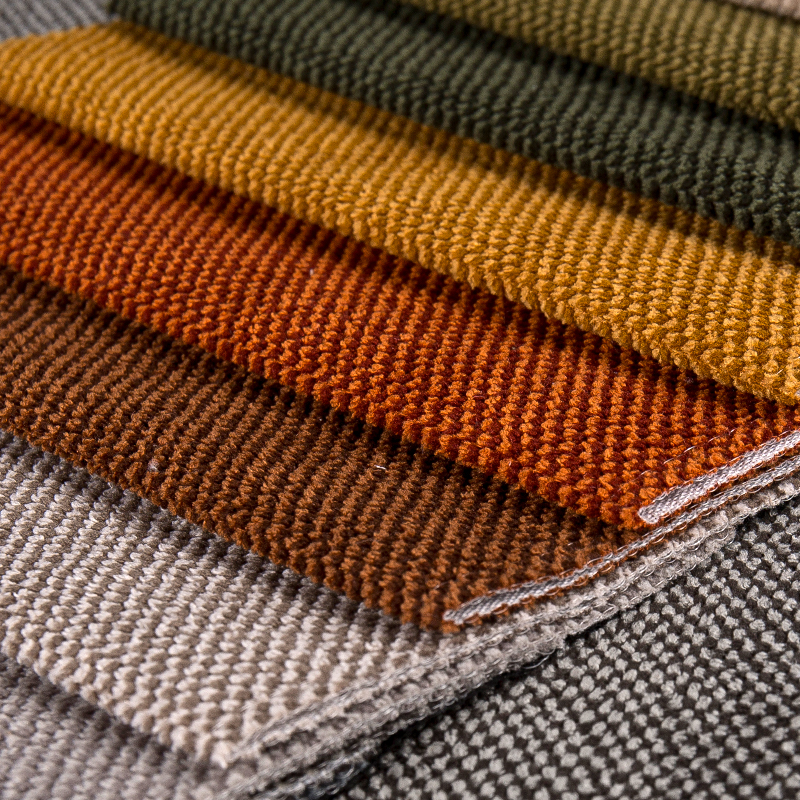
Two needle beds knit two fabrics at once with pile yarns looping between them; a cutting bar slits the join. No wires, higher output, pile height set by stitch geometry. Left uncut, the same machine makes loop pile with a boucle surface. This route supplies most polyester sofa velvet today.
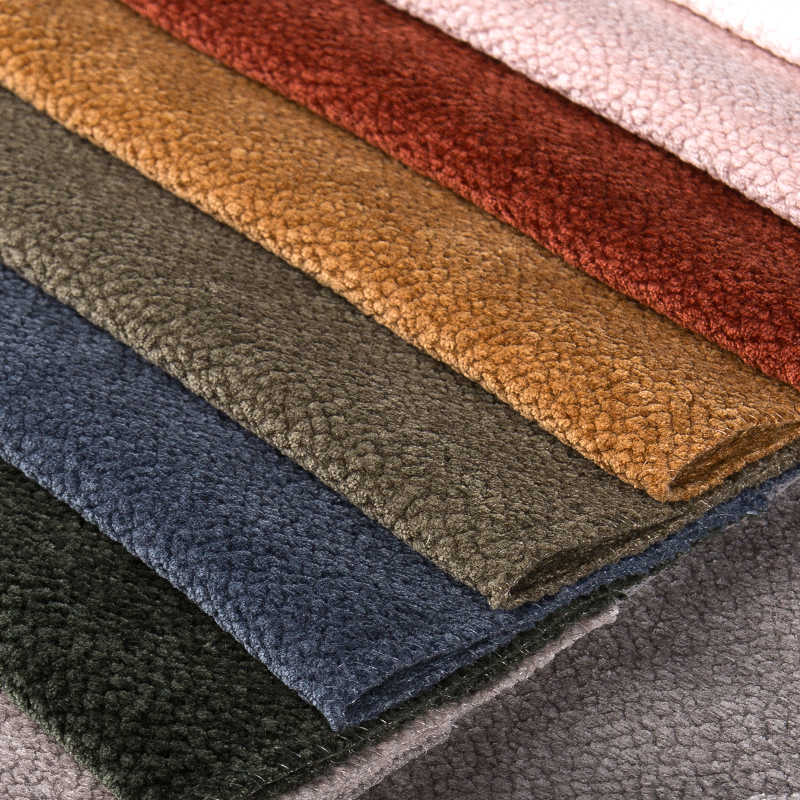
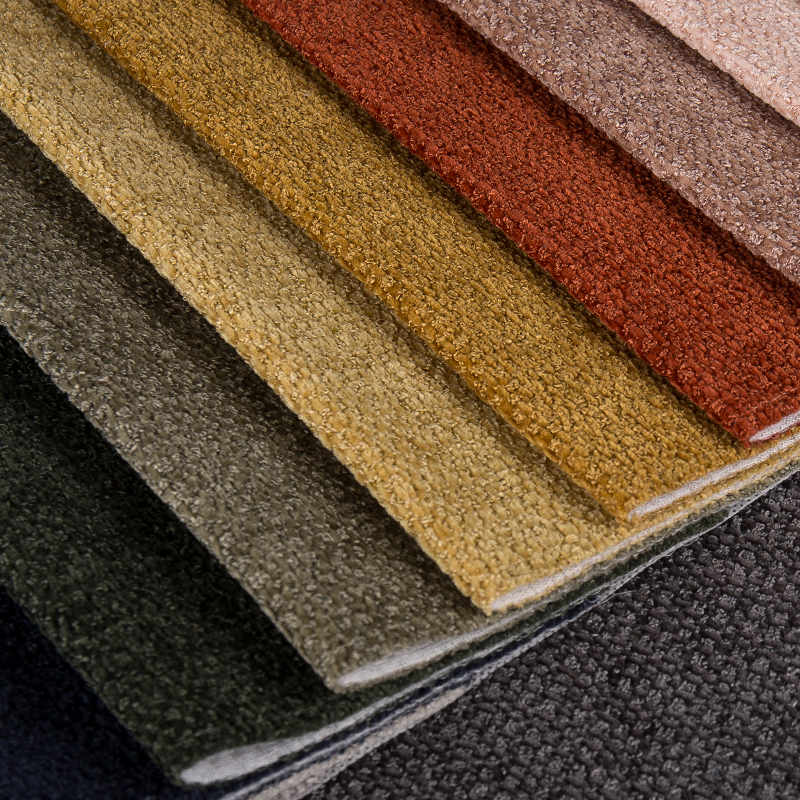
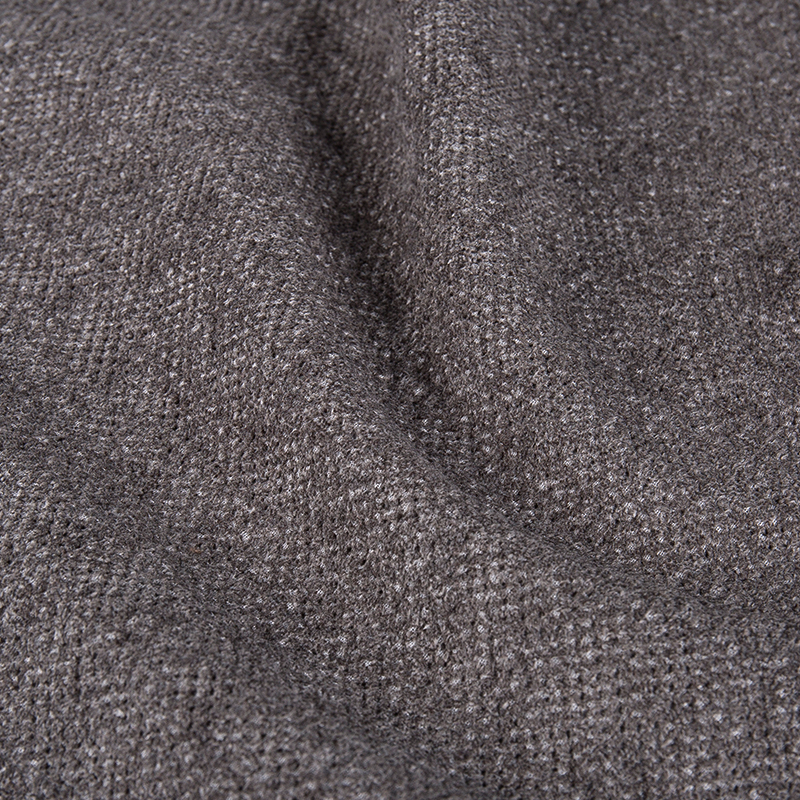
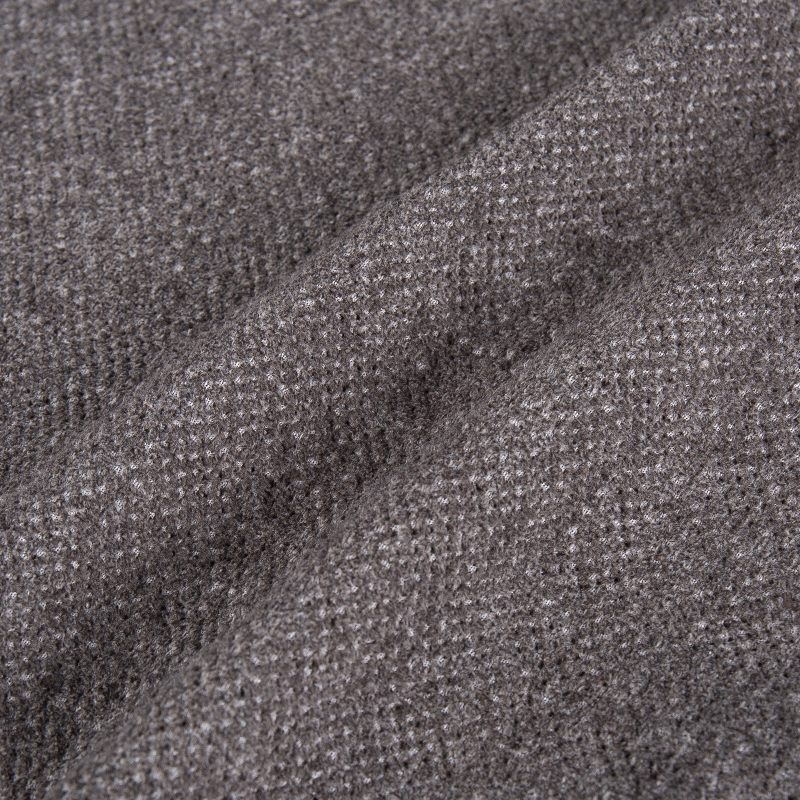
Our own warp-knit range follows that third route. The two-tone velvet sofa fabric is a 100 percent polyester warp-knit velvet in which the pile is cut from a two-colour ground, so the surface shifts tone with the light rather than relying on a printed pattern. The effect is set by machine and yarn, not by ink, so it does not fade the way a printed pile can.
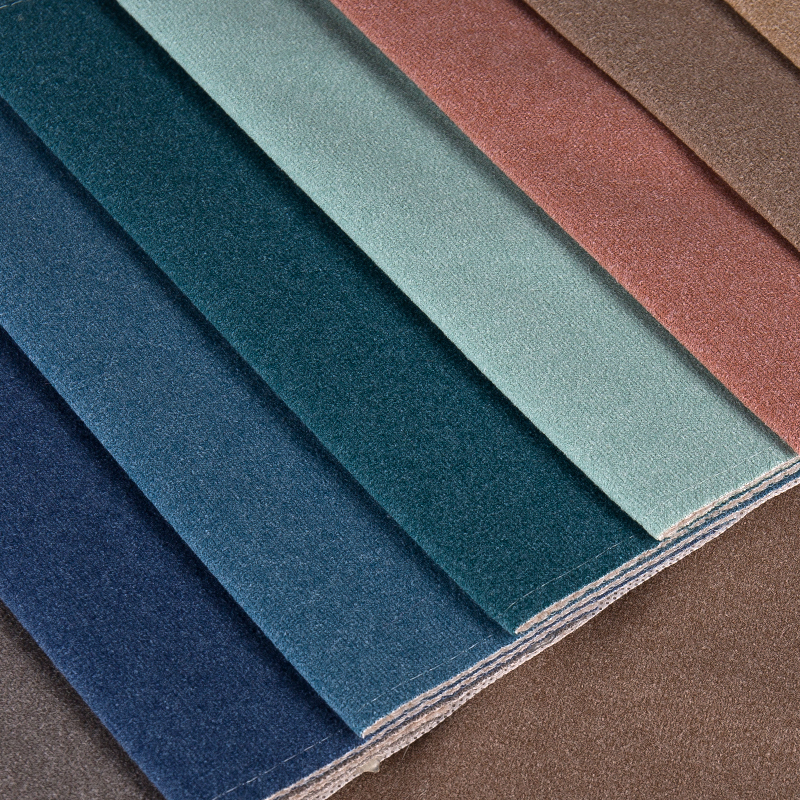 Two-Tone Warp-Knit Velvet Sofa FabricA 140 cm, 400 g/sm polyester warp-knit velvet with a two-colour ground for light-responsive tone without printed pile, relevant for specification comparison.View Product →
Three quotes for the same shade usually arrive with three different structures. These are the lines that decide the specification.
The trade-off is plain: the woven cut-pile route buys drape and a deeper pile and pays for it in loom hours. The knitted route buys output, dimensional stability and the ability to emboss or heat set a pattern into the pile, at the cost of a slightly flatter hand. The knit versus woven comparison covers how the two base structures behave under load.
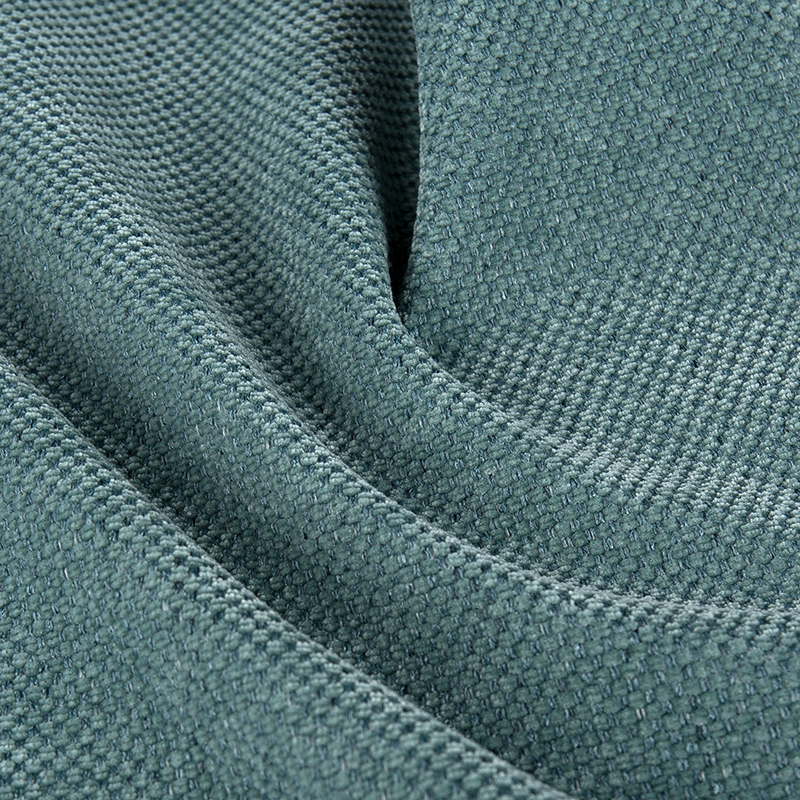
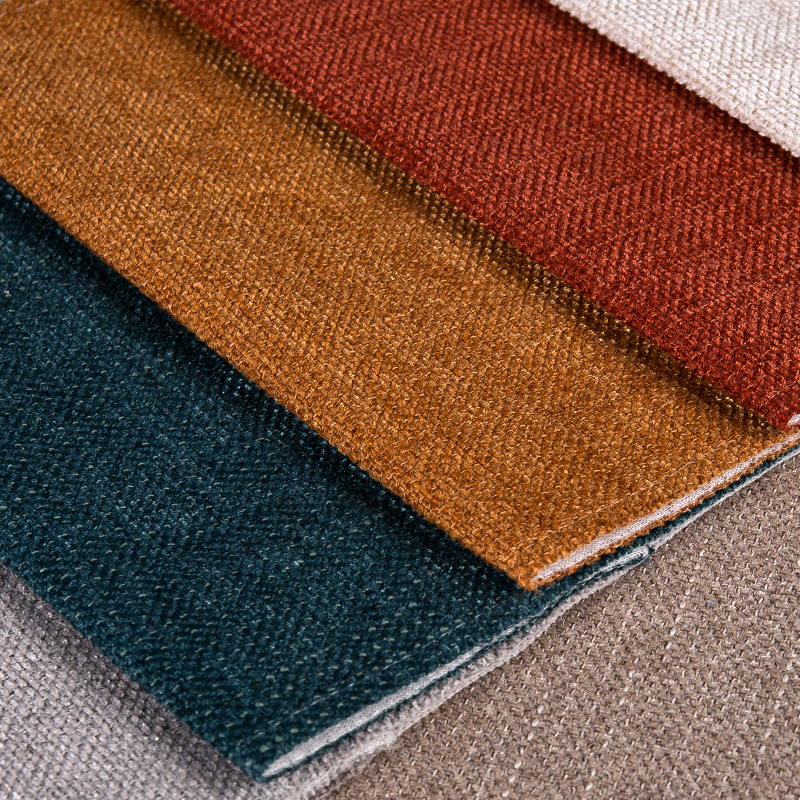
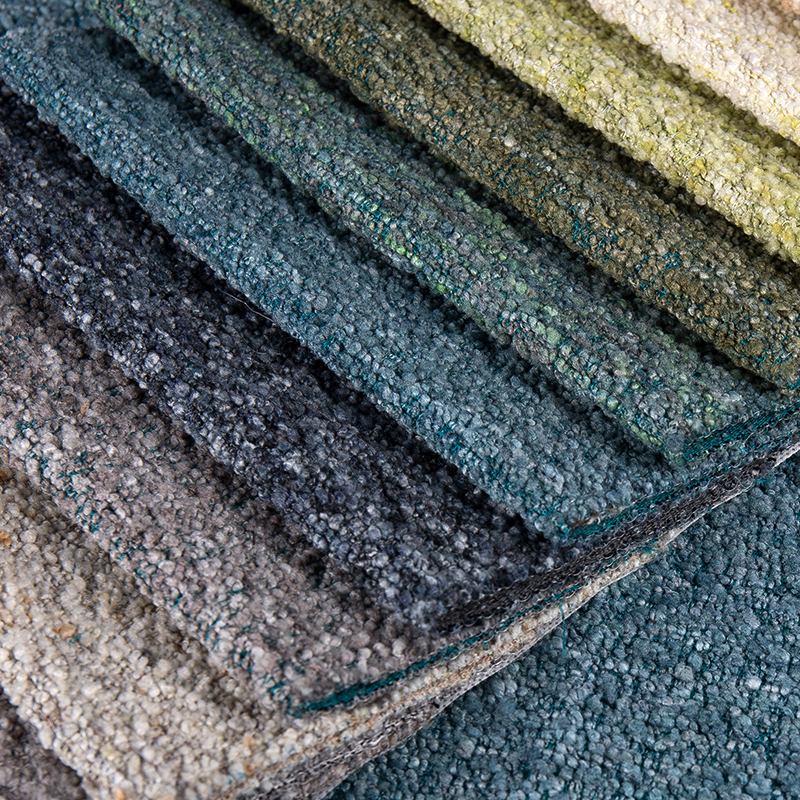
Cut pile shows the difference most clearly. Our linen-look cut velvet sofa fabric shears a polyester pile flat to produce a matte, linen-like surface that keeps velvet's softness without a linen pile's fragility.
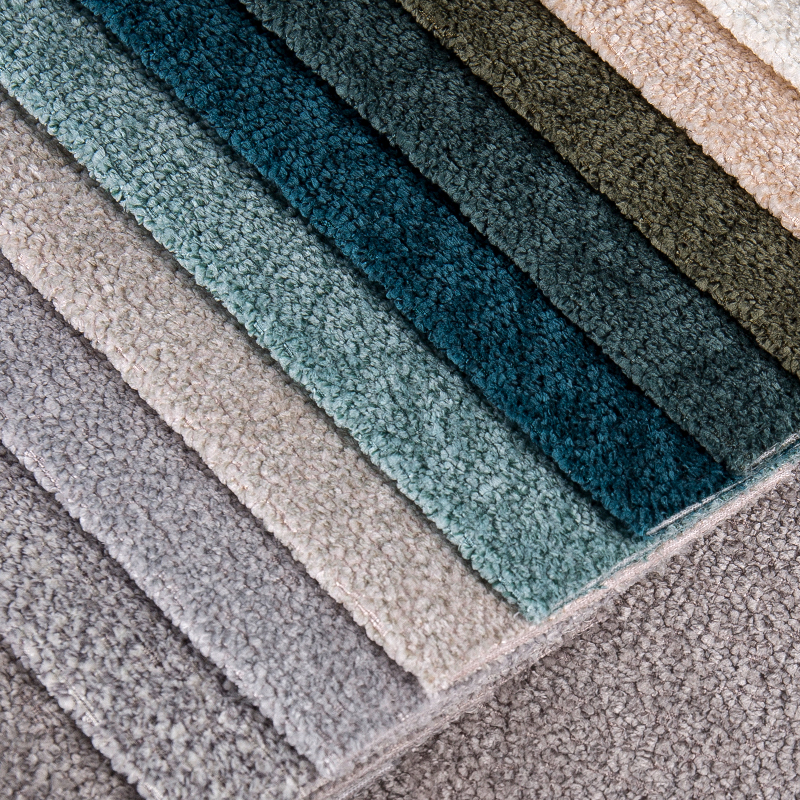 Linen-Look Cut Velvet Sofa Upholstery FabricA 140 cm, 370 g/sm polyester cut-pile upholstery fabric with a matte linen-like surface, useful when weighing pile appearance against density and matting.View Product →
Pile height is the number buyers see; pile density is the number they feel eighteen months later. A low, dense pile resists shading and matting, while a tall, open pile looks generous in the showroom and shows hand marks within a season.
Density alone does not settle it. Yarn denier, twist, heat setting and back coating all affect how fast the pile recovers. A polyester velvet heat set under tension returns to shape after compression; the same pile without heat setting stays crushed. Cheap velvet is cheapest to make at exactly this step.
Velvet consumption by end use, based on the order mix we see from European upholstery buyers:
Seating takes the largest share and is the most demanding: a seat cushion compresses the pile thousands of times a year, so velvet specified for a sofa is a different product from velvet specified for a curtain.
Price in velvet is mostly loom time, pile density and finishing. As a rough guide, yarn accounts for 45 to 60 percent of mill cost, processing 20 to 25 percent, dyeing and finishing 15 to 20 percent, with testing and administration in the remainder. A quote far below that band is usually a density or heat-setting decision.
The woven route is still the reference for hand and drape, and the polyester woven upholstery fabric range shows how it behaves across weights and pile heights.
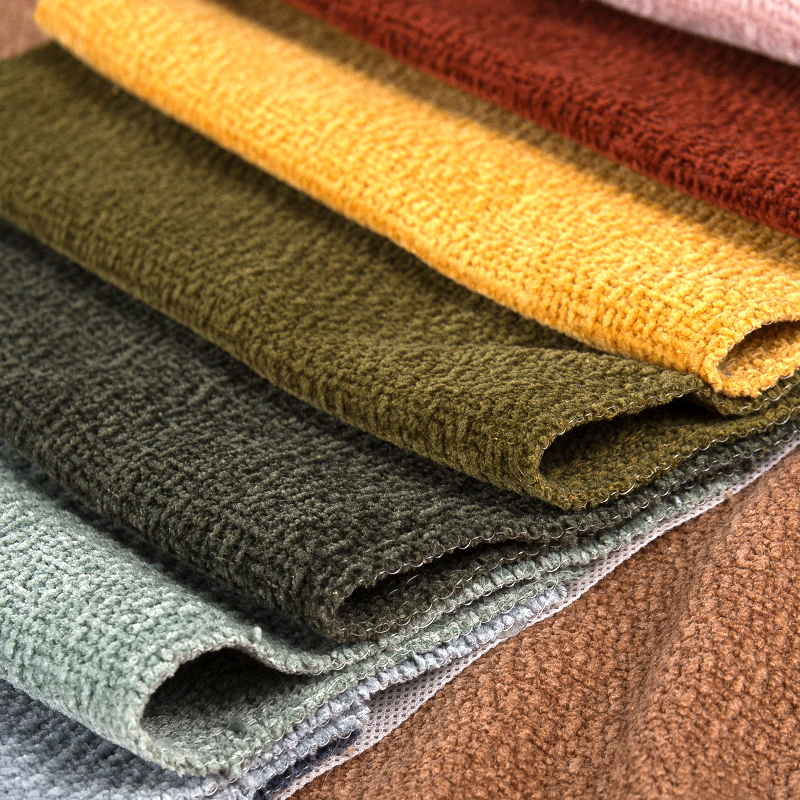
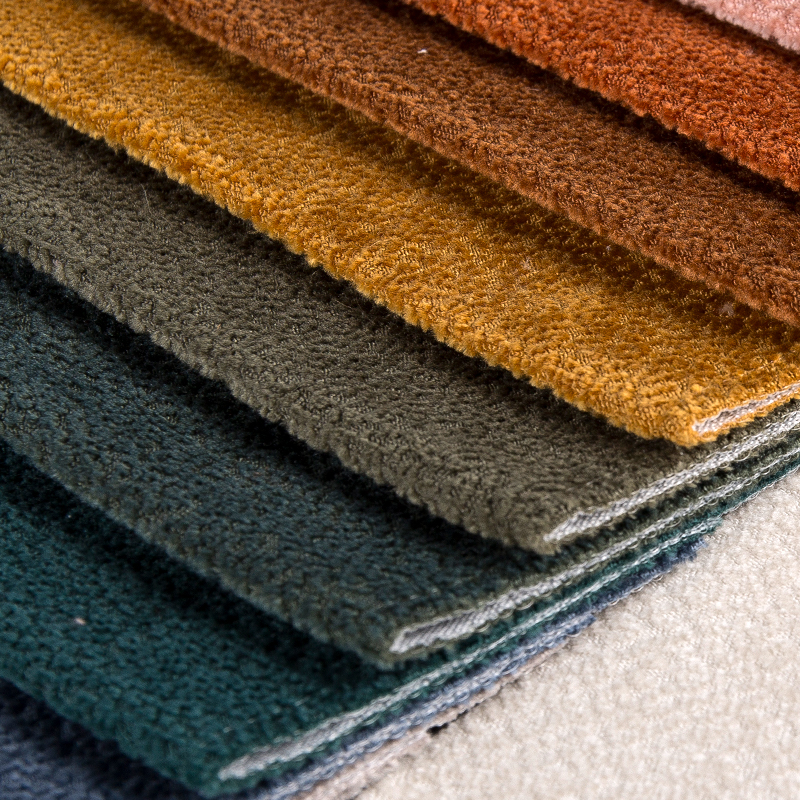
Finishing is the last lever and usually the most visible. Bronzing presses a metallic foil into the pile tips under heat, and a soft polyester bronzing velvet sofa fabric shows the effect applied to a velvet base rather than to a flat woven.
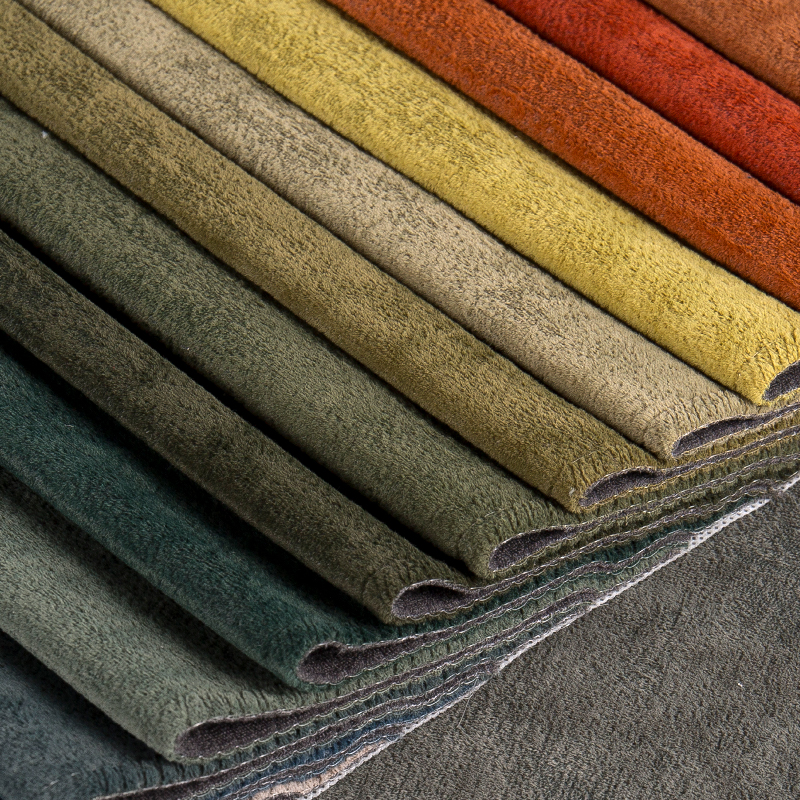 Soft Polyester Bronzing Velvet Sofa FabricA 140 cm, 500 g/sm bronzing velvet with a small classic texture and slightly leathery look, relevant when assessing finishing effects on pile.View Product →
Velvet fails in predictable places: pile flattening, pilling at the tips, shade change under light, and shrinkage after cleaning. Each has a standard test, and each report should be requested rather than assumed.
In use, velvet asks little: vacuum with a soft upholstery head, avoid scrubbing against the pile direction, blot spills instead of rubbing, and relax crushed areas with steam held at a distance. Most polyester velvets tolerate professional dry cleaning; confirm the solvent if a stain-repellent finish was applied.
Velvet is simple in principle and unforgiving in execution. Two ground cloths, a set of pile yarns and a blade explain the structure; density, heat setting and finishing explain the performance. Ask for the construction, the density and the test reports, and a four-dollar swatch and a fourteen-dollar swatch stop being a mystery.
Related Products

Contact us
Address
Hangfu Road 106#, Chongfu Town, Tongxiang City, Zhejiang, China
Phone
+86-15067379939
linachen@climbingtex.com / zac@climbingtex.com
lianniu@climbingtex.com
Fax/Tel
+86-573-88385698
products
QR CODE
 Home Textile Manufacturers
Sofa Fabric Factory
 English
 Español
 عربى