Oct 26, 2026
A velvet sofa rarely dies of a stain. It dies of the cleaning attempt: a wet cloth, a circular scrub, ten minutes of pressure, and a hair dryer set to high. By the time the mark is gone, the pile has been flattened into a shine that no brush will bring back.
The short answer: clean velvet dry first, wet last, and never rub. Vacuum with a soft brush and no beater bar. Lift solids with a white, lint-free cloth. If a liquid mark remains, apply foam rather than liquid, blot from the outside of the stain inward, rinse with a barely damp cloth, and dry with moving air at room temperature. Heat, pressure and standing water cause almost all permanent velvet damage. The stain itself is usually the smallest part of the problem.
The sequence holds whether the cover is a polyester cut velvet or a cotton blend, but the margin for error is not the same. What changes with fibre and finish is how much water and heat the fabric will tolerate, and that difference is wider than most care labels admit.
Content
Velvet is not a fibre, it is a structure. Three properties decide how it behaves when something spills.
Velvet carries an upright pile on a dense ground cloth. Liquid does not sink straight down; it travels sideways through the pile base and stops where the fibre or the tension changes. That is why a small spill often dries into a ring roughly twice its original size.
Polyester velvet is hydrophobic. Water beads on the surface, carries dissolved dirt to the edge of the droplet and evaporates quickly. Cotton, viscose and rayon velvets absorb on contact and are far more likely to water-mark, shrink or leave a tide line.
Embossing, printing, bronzing and crush-resistance treatments live on the pile surface. Solvent and heat attack the finish before they attack the yarn, so a method that is safe for the fibre can still erase the pattern.
Upholstery cleaning codes compress this into one letter and are worth checking before anything touches the fabric: W for water-based products, S for solvent only, WS for either, and X for vacuum only. A code copied from a garment label is not a substitute, because apparel velvet and upholstery velvet are built to different wear targets.
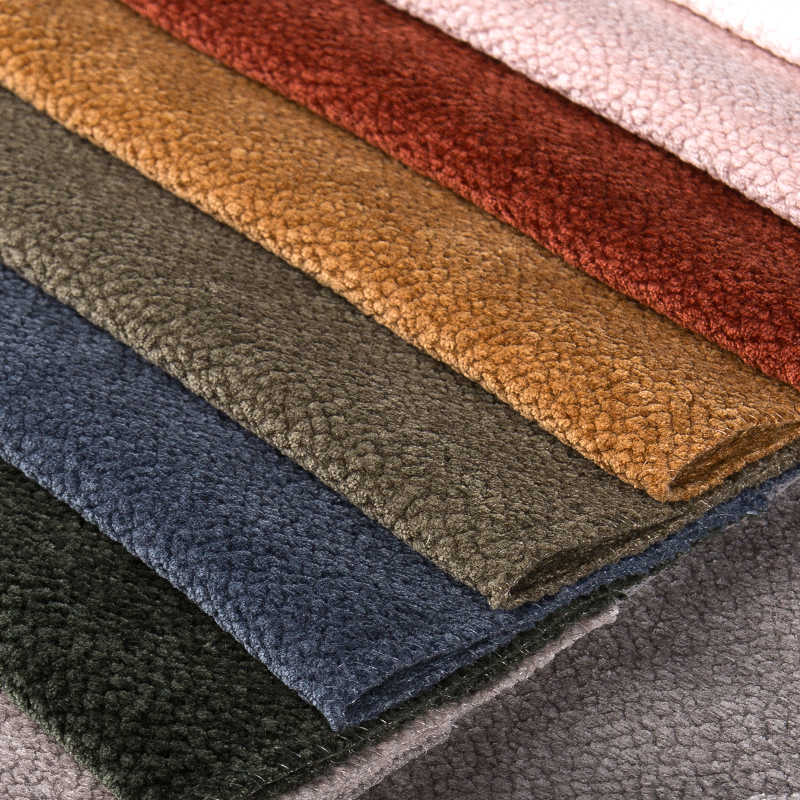
Cut velvet, where the pile loops are sliced open, sits at the forgiving end of the range: the pile releases soil easily and recovers from foam cleaning well when it is dried with air rather than heat.
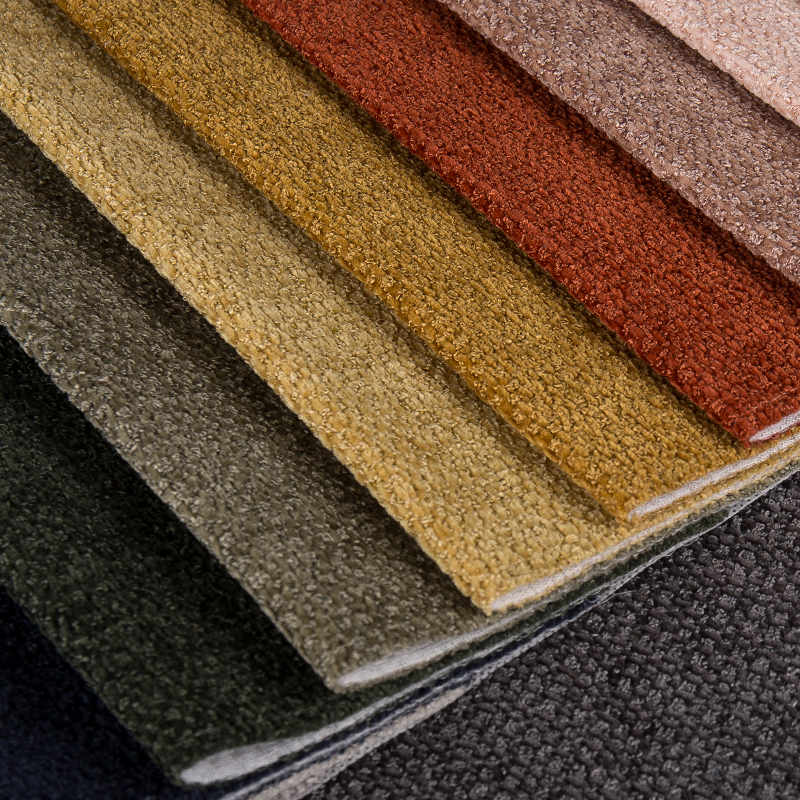
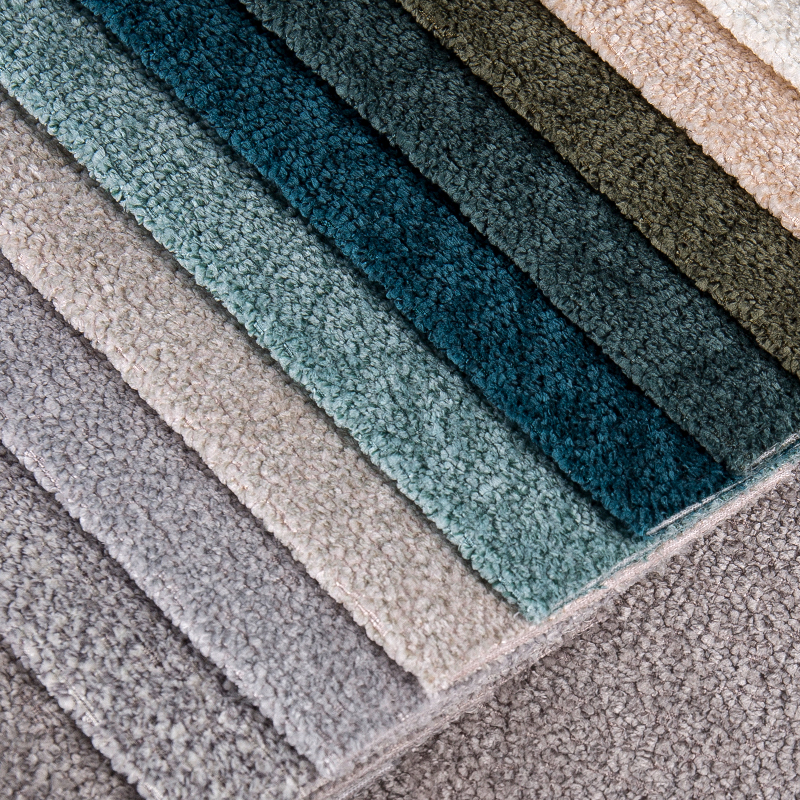 Linen Look Cut Velvet Sofa Upholstery FabricAn affordable imitation cut-velvet sofa fabric with multi-color effect, soft hand feel and 140 cm width, worth viewing for forgiving cut-pile care.View Product →
Looped and uncut structures, and any velvet with a heavy surface finish, need the gentler half of the advice below.
Work through these in order and stop as soon as the mark is gone. Most stains resolve at step four.
Confirm W, S, WS or X. On code X, stop at vacuuming; anything wet will do more harm than the dirt.
Soft brush attachment, no beater bar, low suction, one direction only. Sixty to ninety seconds per seat cushion lifts most of the grit that abrades pile over time.
Press a white, lint-free cloth onto fresh liquid, rotate to a clean face, repeat. Coloured cloths can transfer dye, and a wiping motion pushes the mark deeper into the pile base.
Two or three drops of pH-neutral detergent in 250 ml of lukewarm water, whisked to stiff foam. Pick up the foam with the cloth; the liquid underneath stays in the bowl.
Work from the edge of the stain toward its centre so the ring does not grow. Follow with a clean cloth wrung almost dry, then blot again.
A fan or an open window, two to four hours, out of direct sun. No hair dryer, no radiator, no tumble dryer: heat sets both the stain chemistry and the crushed pile.
Brush once the fabric is about ninety percent dry, in the direction the pile naturally lies. Steam at a distance of 15 cm lifts crush marks, but only on velvets with no heat-sensitive finish.
The same sponge that rescues one velvet can ruin another. This is the split we see most often in service calls and sample tests.
Two popular home remedies deserve a warning. Bicarbonate paste leaves fine powder in the pile base, where it holds grit and dulls the surface within weeks. Vinegar is acidic enough to shift some dye classes and does nothing useful on a polyester pile that has no alkaline residue to neutralise.
Embossed velvets carry the highest risk of irreversible damage, because the pattern is literally pressed into the pile. Steam and pressure can flatten a raised grain that took a calendar and an engraved roller to produce.
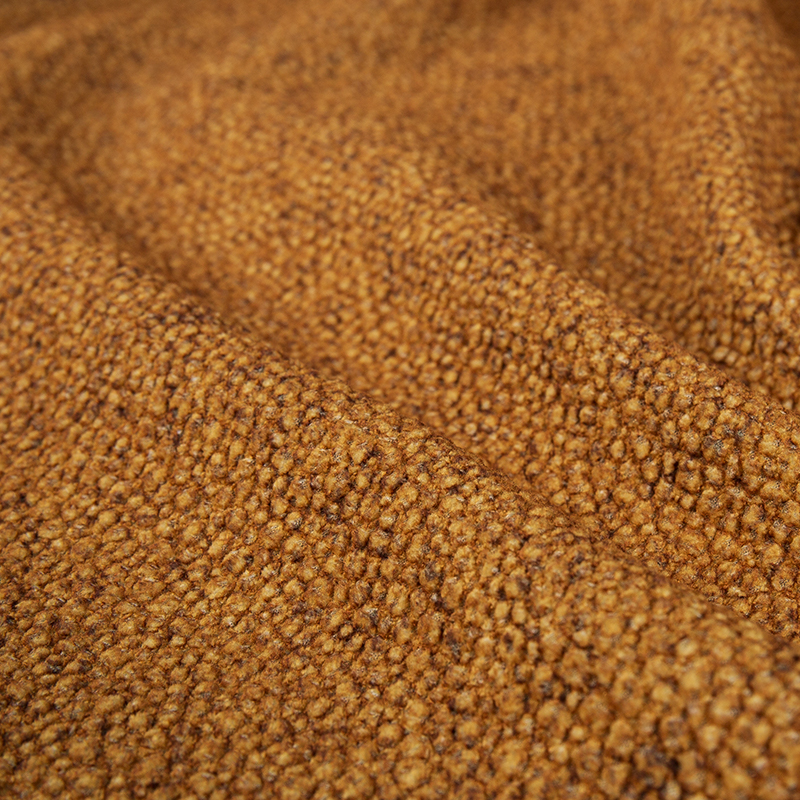 Printed and Embossed Velvet Sofa Upholstery FabricFor embossed velvet seating, this warp-knitted fabric combines printing and particle embossing for a distinctive pattern, multi-color effect and comfortable feel.View Product →
If you already own an embossed piece, the dry-first approach and a written maintenance routine for embossed polyester upholstery will keep the relief crisp far longer than any wet cleaner.
Stains are visible; wear is not. Pile height loss after 5,000 rub cycles tells you how a velvet will look after two years of daily use, and it varies far more between finishes than between fibre types.
Lower is better. The pattern is consistent in our own abrasion tests: the more surface is added to the pile, the faster the visible quality drops. A metallic bronzing layer is the first thing to wear away on an armrest; an embossed grain flattens at the contact points long before the ground cloth shows any weakness. Neither is a defect in the fabric, but both change what cleaning is appropriate. A velvet that loses 26 percent of its pile height should never be scrubbed, and should be brushed back into alignment after every vacuum.
The cleaning regime should follow the application, not the colour swatch. Roughly speaking, velvet consumption splits like this:
Domestic sofas see a few spills a year and one deep clean, so almost any velvet survives with the sequence above. Contract seating is the opposite: it is cleaned weekly with commercial products by staff who did not choose the fabric. That is where a code S velvet and a solvent-only regime will eventually destroy an embossed surface, and where the specification should be written around the cleaning you can actually guarantee.
If you are choosing rather than cleaning, four questions prevent most of the problems above:
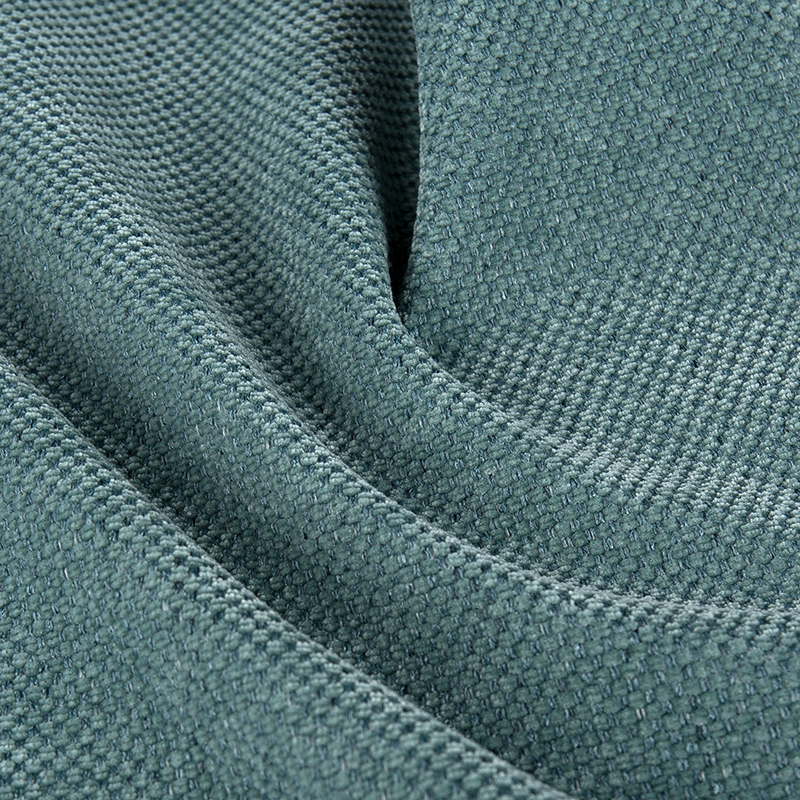
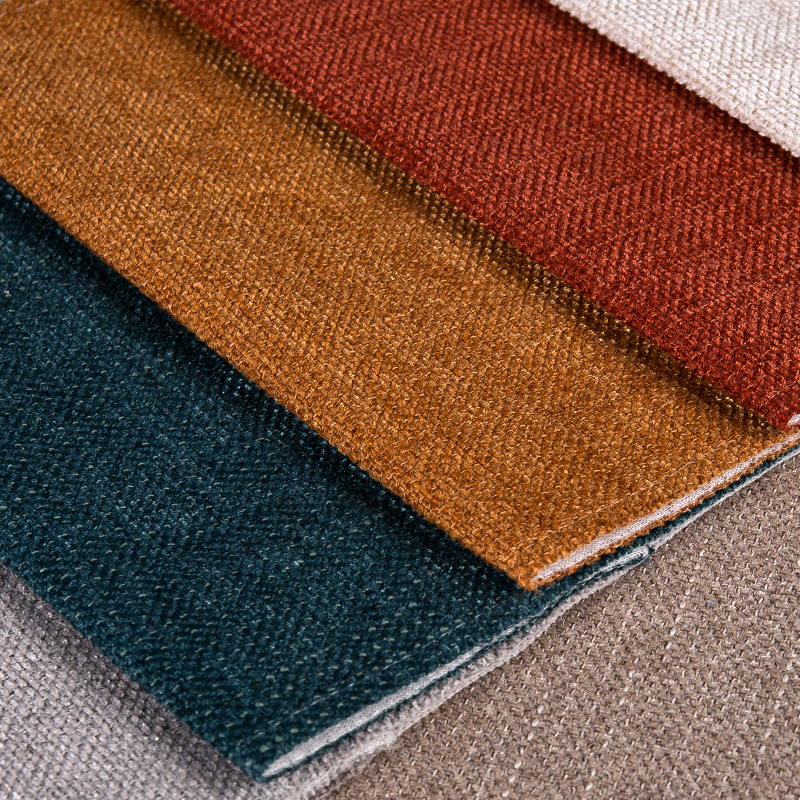
The economics are simple. One professional low-moisture clean on a three-seat sofa costs a small fraction of reupholstery, and a velvet that tolerates that process twice over a decade is almost always the cheaper specification even at a higher fabric price. A fabric that must be replaced at year four is not a saving. For projects that will be cleaned often, a polyester woven upholstery fabric with a plain pile and a W code is the low-risk route.
Bronzing velvets are the clearest example of matching care to design. The metallic effect is a surface layer, so they belong on headboards and occasional seating that is spot-cleaned, not on a family sofa.
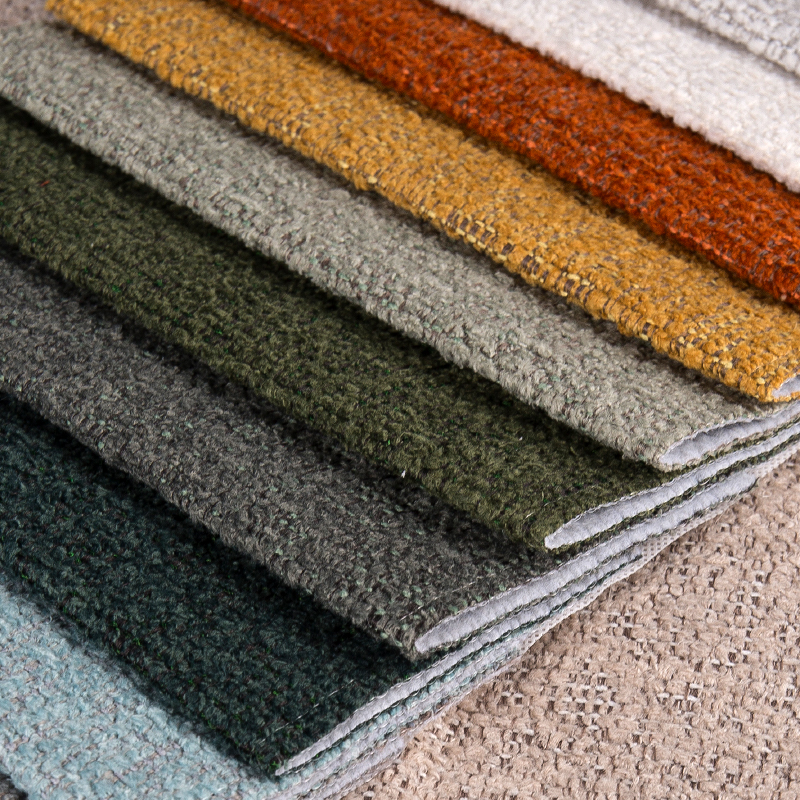
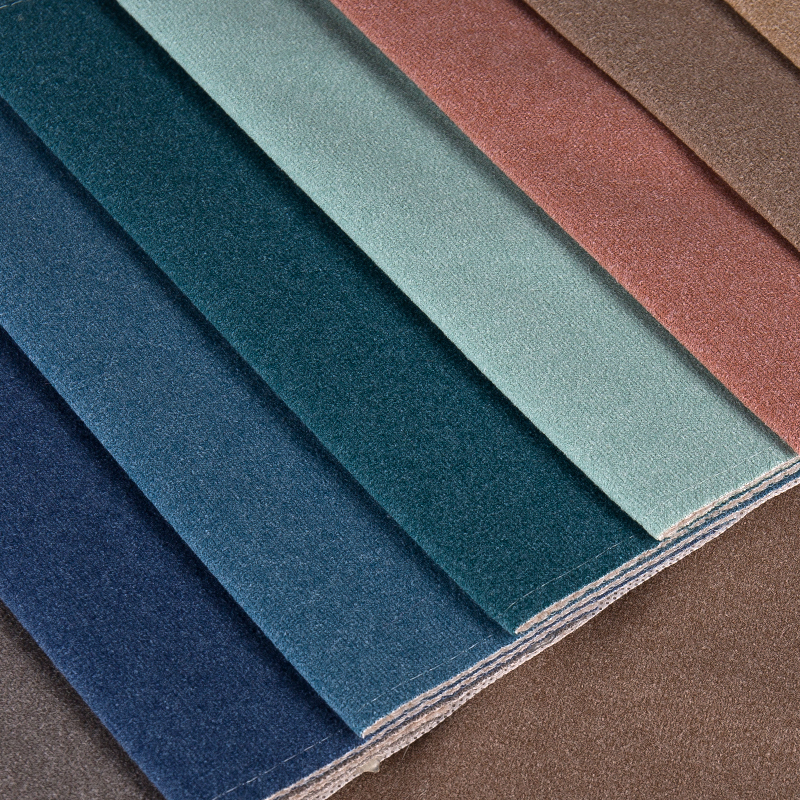
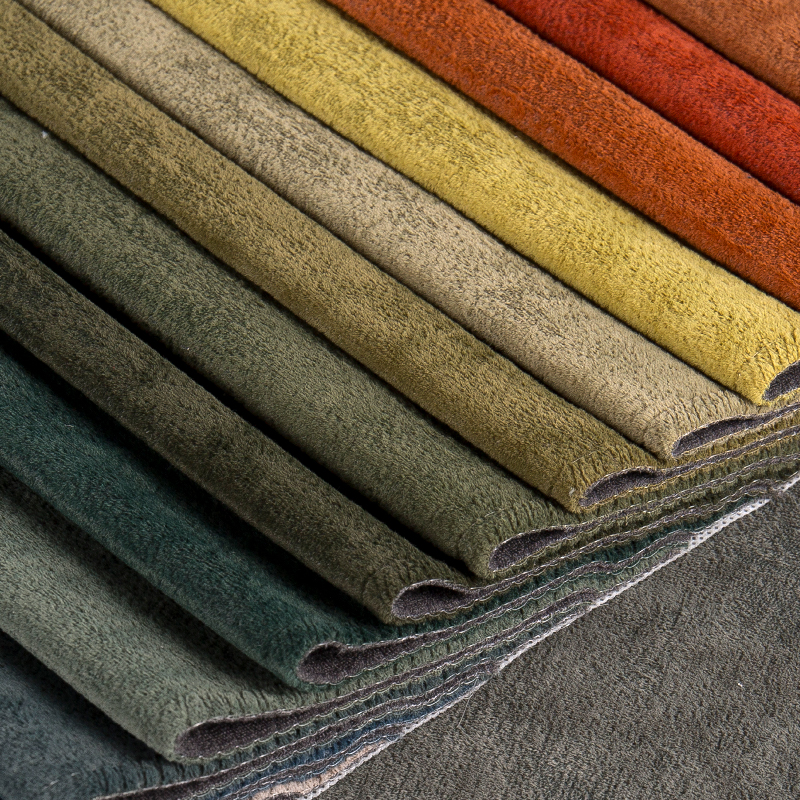 Soft Polyester Bronzing Velvet Sofa FabricHigh-weight polyester bronzing velvet with a slightly leathery, comfortable feel and classic small texture, suited to spot-cleaned occasional seating and headboards.View Product →
For contract work, keep two records alongside the fabric: the care code and the cleaning product used. Flammability performance to EN 1021-1 and -2, or BS 5852 for heavier contract use, is assessed on the finished article, and aggressive wet cleaning can alter the backing and therefore the result. Care labels should follow ISO 3758 symbols, and chemical compliance should be documented against REACH restrictions rather than assumed from a fibre name.
None of this is complicated. Dry first, foam second, blot always, air-dry without heat, and brush the pile back where it belongs. Done in that order, a velvet seat keeps its depth and its sheen long after the stain that started the conversation is forgotten.
Related Products

Contact us
Address
Hangfu Road 106#, Chongfu Town, Tongxiang City, Zhejiang, China
Phone
+86-15067379939
linachen@climbingtex.com / zac@climbingtex.com
lianniu@climbingtex.com
Fax/Tel
+86-573-88385698
products
QR CODE
 Home Textile Manufacturers
Sofa Fabric Factory
 English
 Español
 عربى