Feb 12, 2026
Content
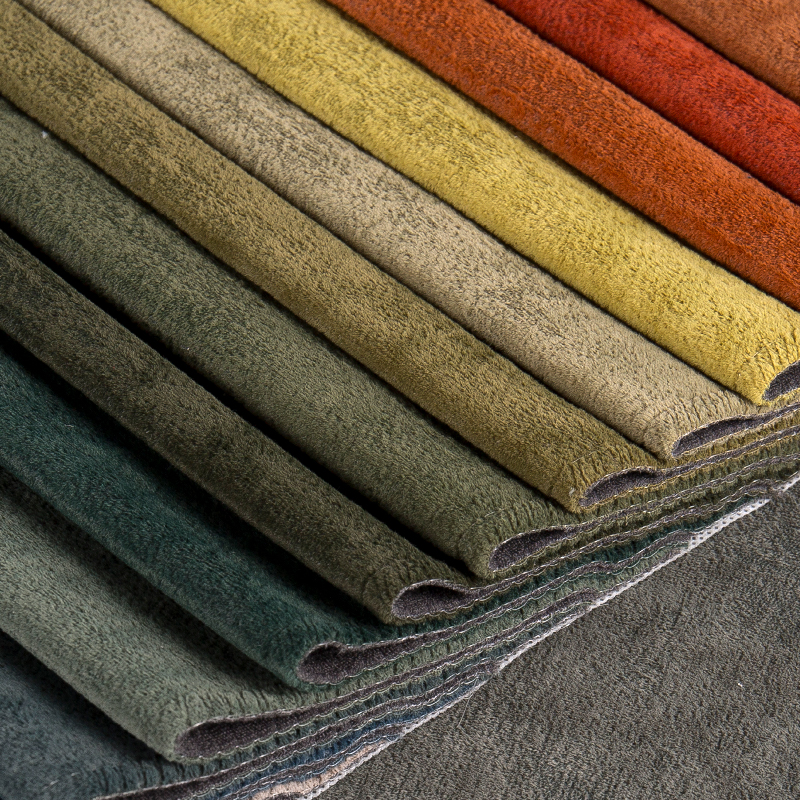
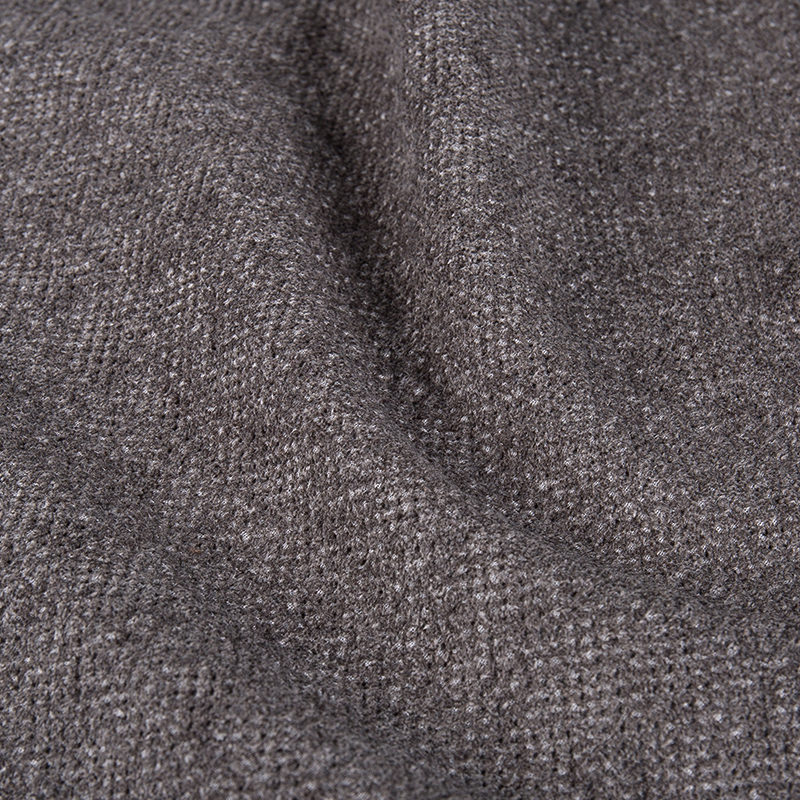
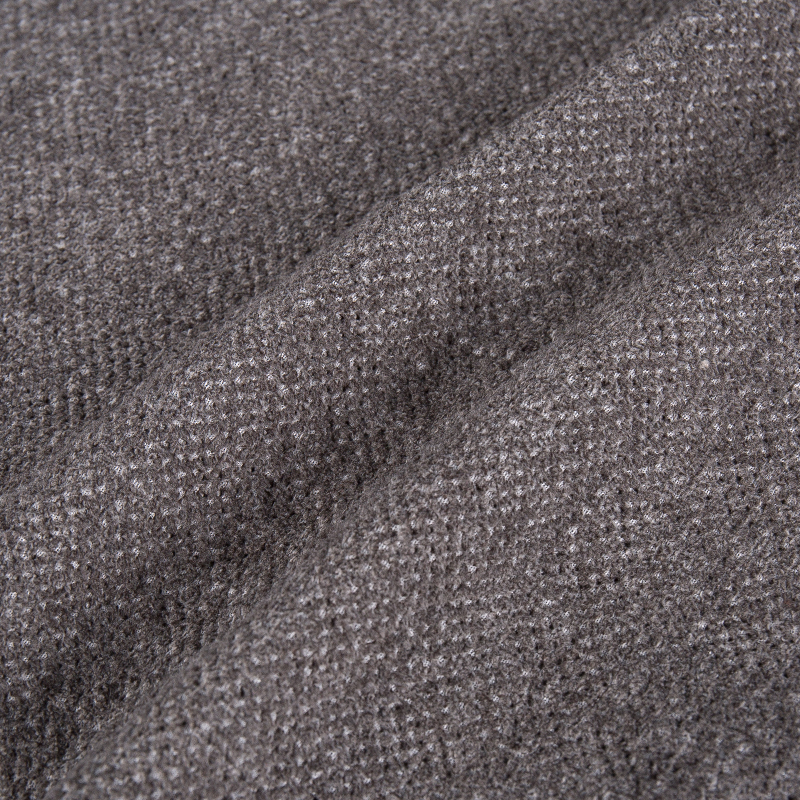
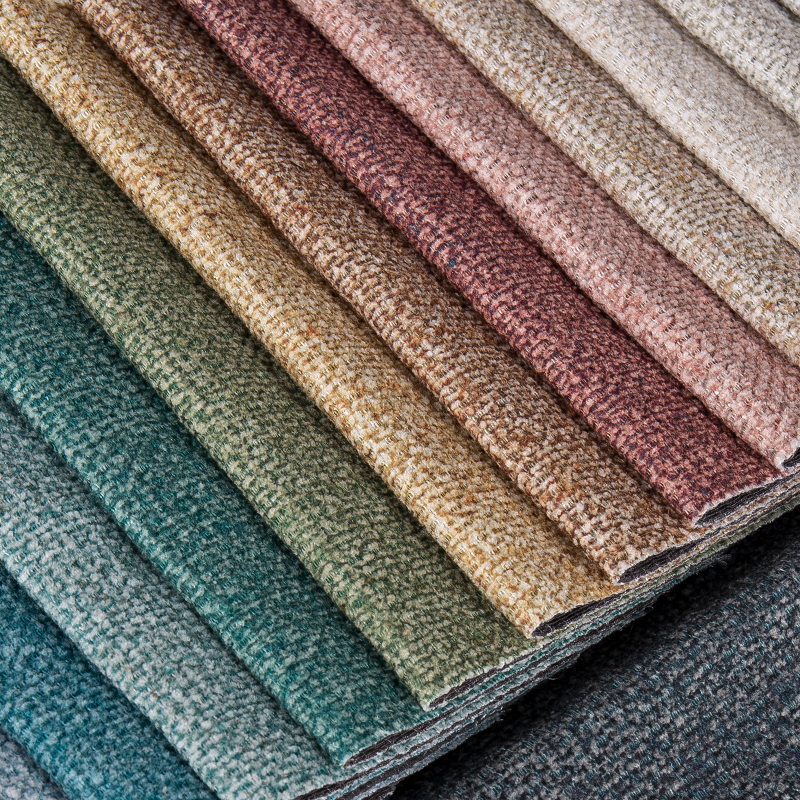
Polyester knitted fabrics are engineered textiles produced by interlooping polyester yarns, resulting in flexible structures with inherent stretch and recovery. Compared with woven polyester fabrics, knitted constructions offer greater elasticity, improved drape, and enhanced comfort during movement. These characteristics make polyester knitted fabrics suitable for applications where flexibility, durability, and shape retention are required.
Polyester as a fiber contributes dimensional stability, resistance to moisture absorption, and consistent mechanical performance. When combined with knitting technology, the resulting fabric balances strength with adaptability, allowing it to perform reliably under repeated stress, washing, and extended use.
The performance of polyester knitted fabrics is strongly influenced by the knitting structure. Different loop formations affect stretch direction, surface texture, airflow, and overall fabric behavior. Selecting the appropriate structure depends on functional requirements rather than appearance alone.
Weft knitted polyester fabrics are produced by forming loops horizontally across the fabric width. This structure allows multi-directional stretch and soft hand feel, supporting comfort-oriented applications. Common weft knit constructions provide adaptability to body movement and are frequently used where flexibility is a priority.
Warp knitted polyester fabrics are created by interlooping yarns along the fabric length. These structures offer higher dimensional stability, smoother surfaces, and reduced risk of laddering. Warp knitted polyester fabrics are often selected for technical uses that require controlled stretch and long-term shape retention.
Polyester knitted fabrics are valued for performance characteristics that remain stable across repeated use cycles. These properties support both apparel and industrial textile applications where consistent behavior is expected under varying conditions.
Although polyester fibers are hydrophobic, the knitted construction allows engineered airflow and moisture transfer through interloop spaces. This structural openness supports vapor movement away from the skin, which contributes to thermal comfort in active and layered applications.
By adjusting yarn fineness and stitch density, manufacturers can regulate breathability levels in polyester knitted fabrics. This adaptability allows the same base fiber to meet different performance needs, ranging from lightweight apparel to more compact technical textiles.
Durability is a defining advantage of polyester knitted fabrics. Polyester fibers demonstrate strong resistance to abrasion and tensile stress, which helps fabrics maintain structural integrity even in high-friction environments. Knitted constructions further distribute stress across interconnected loops, reducing localized wear.
This combination supports extended service life in garments and technical products that undergo frequent handling, stretching, and washing. Proper finishing processes further enhance surface stability and resistance to pilling.
Different polyester knitted fabric structures align with different functional requirements. Understanding these distinctions helps guide material selection for specific end uses.
| Fabric Structure | Stretch Behavior | Surface Characteristics | Typical Applications |
| Single Jersey Knit | High multi-directional stretch | Soft and lightweight | Casual wear and lining fabrics |
| Interlock Knit | Moderate controlled stretch | Smooth and dense | Performance apparel and uniforms |
| Warp Knit | Directional stretch | Flat and stable | Technical and industrial textiles |
The performance of polyester knitted fabrics is also influenced by post-knitting processes such as heat setting, dyeing, and surface finishing. Heat setting stabilizes loop dimensions, helping fabrics retain shape during use and care. Dyeing methods affect color consistency and penetration, which are important for appearance and repeatability.
Additional finishing treatments can modify surface friction, softness, or functional behavior, allowing polyester knitted fabrics to meet specific technical or aesthetic requirements without altering the underlying structure.
When selecting polyester knitted fabrics, evaluating structural design, yarn specifications, and finishing processes helps align material performance with end-use conditions. Fabric weight, stretch direction, and surface feel should be assessed together rather than in isolation.
Consistent production quality and stable material properties support predictable performance in both small-scale and large-scale applications. These factors make polyester knitted fabrics a reliable option across diverse textile markets.
Related Products

Contact us
Address
Hangfu Road 106#, Chongfu Town, Tongxiang City, Zhejiang, China
Phone
+86-15067379939
linachen@climbingtex.com / zac@climbingtex.com
lianniu@climbingtex.com
Fax/Tel
+86-573-88385698
products
QR CODE
 Home Textile Manufacturers
Sofa Fabric Factory
Home Textile Manufacturers
Sofa Fabric Factory
 English
 Español
 عربى
عربى