May 26, 2026
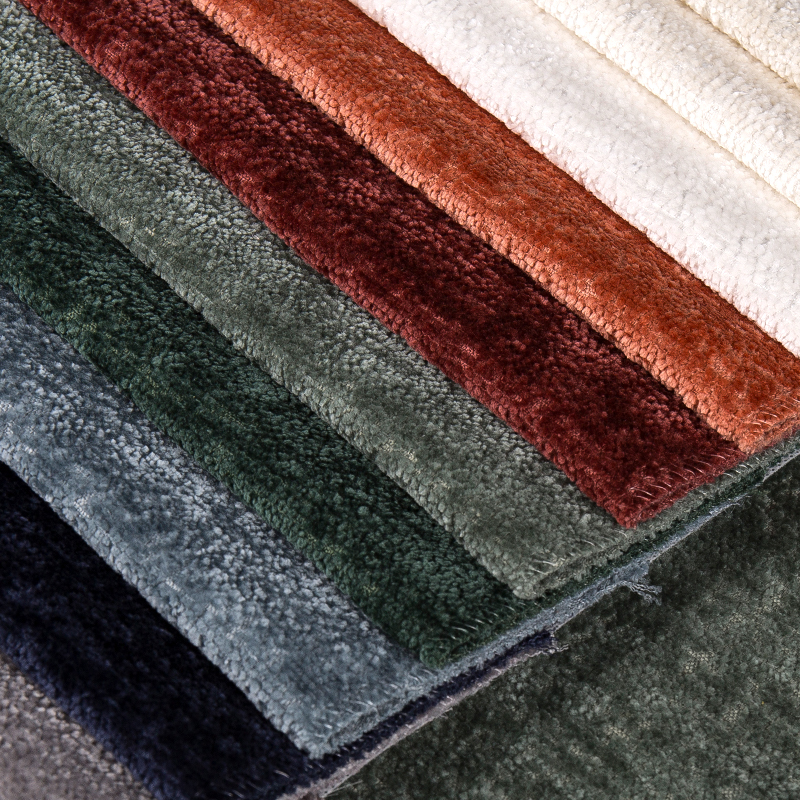
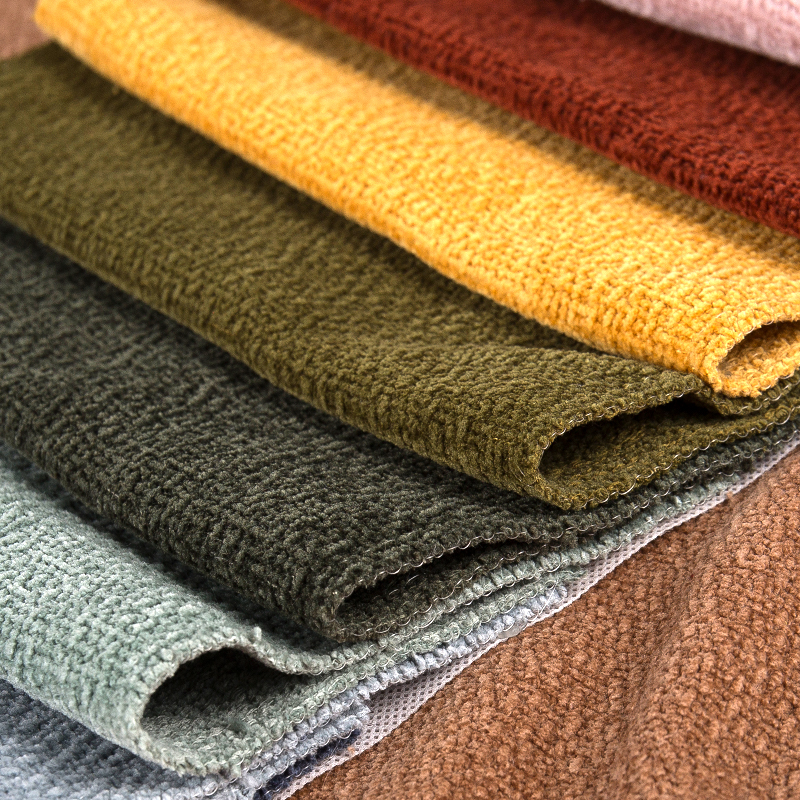
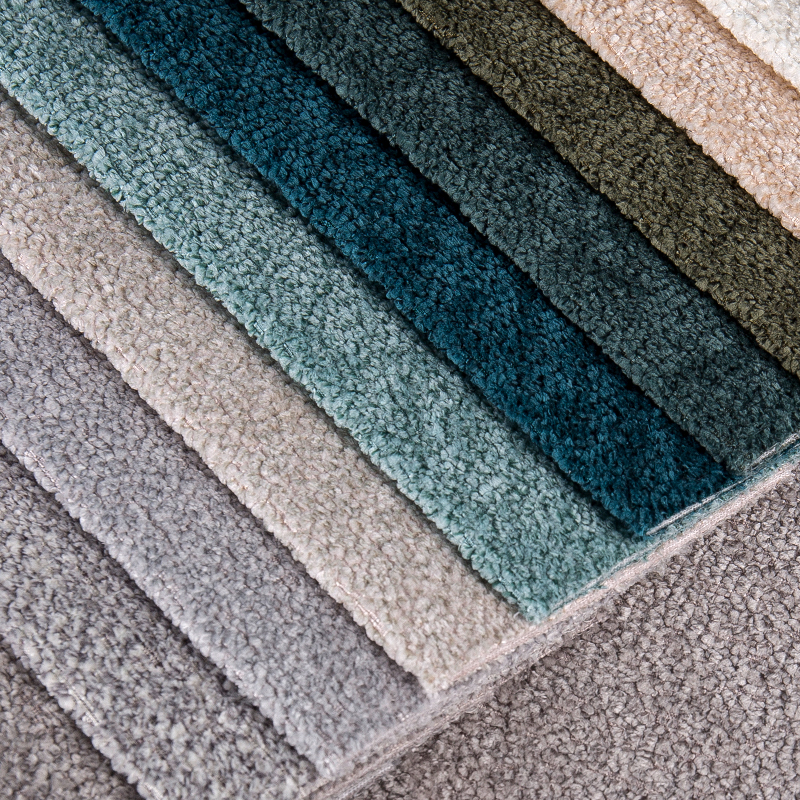
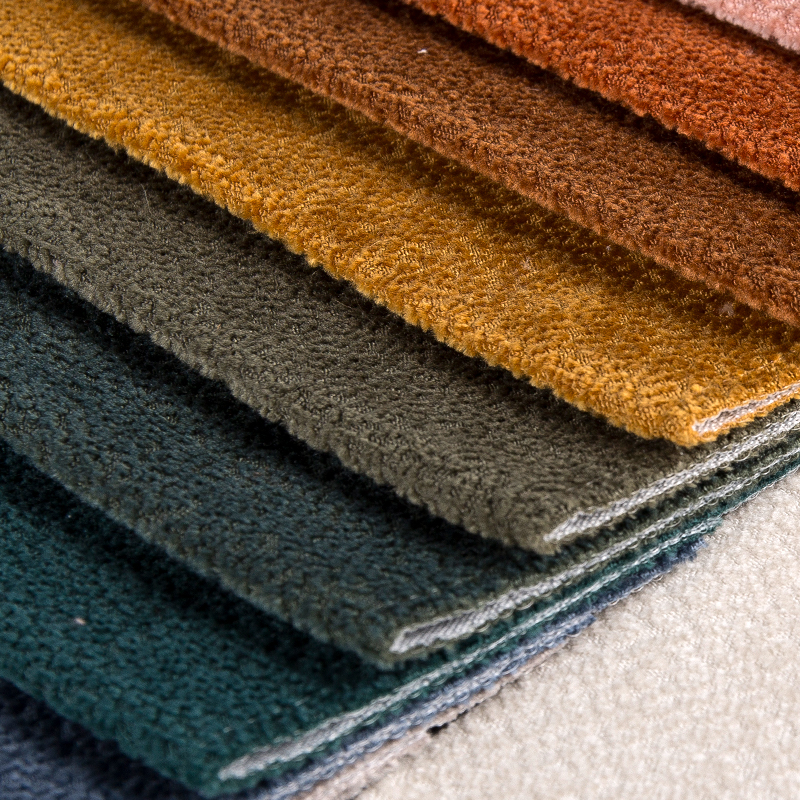
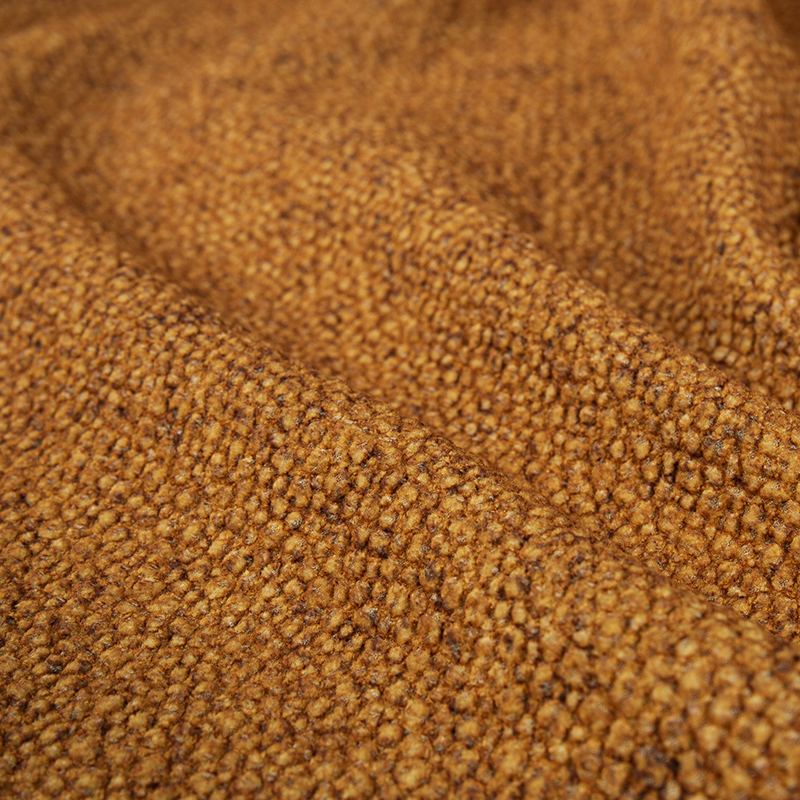
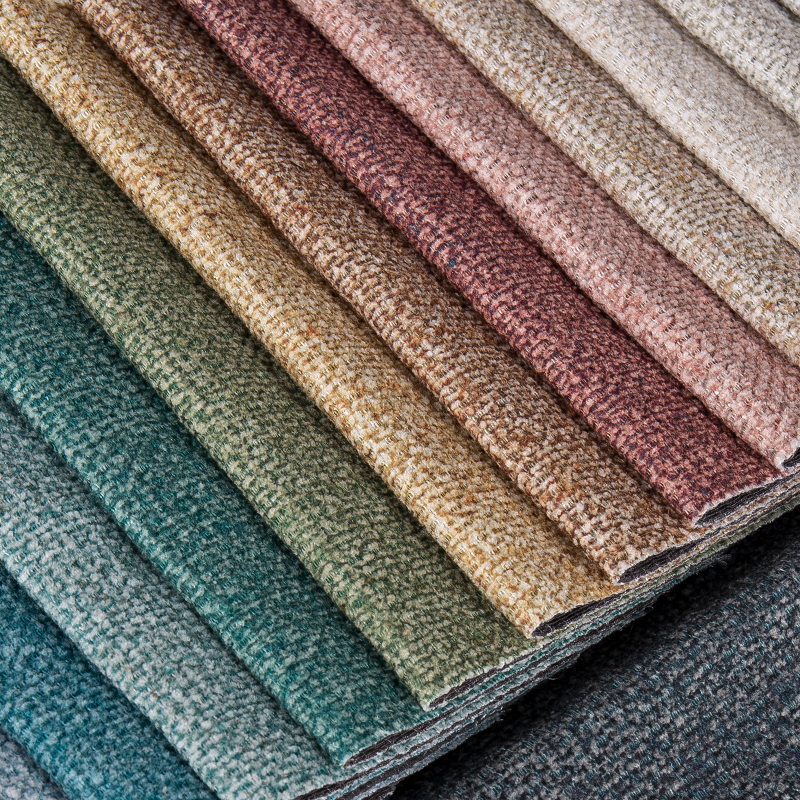
When comparing two chenille sofas side by side, the difference between an average product and an exceptional one often comes down to fabric weight. A heavyweight chenille fabric drapes differently, sits differently, wears differently, and reads differently in a room than a light or medium-weight version of the same structure. The texture — how uniform it is, how the pile catches light, how natural wrinkles fall across the surface — is directly connected to how much the fabric weighs per square meter.
This article explains the relationship between chenille fabric weight and texture quality, why heavier fabrics produce more visually consistent surfaces, what causes the subtle sheen characteristic of quality chenille, and how to use weight as a practical specification tool when selecting chenille sofa fabric for residential or commercial applications.
Content
Fabric weight in upholstery is measured in grams per square meter (GSM or g/m²). This single number reflects the total material density of the woven structure — pile fiber weight, core yarn weight, and backing weight combined. For chenille upholstery fabrics, the weight ranges broadly across application categories:
| Weight Category | GSM Range | Typical Application | Pile Density |
|---|---|---|---|
| Light Weight | Under 250 gsm | Cushion covers, decorative accents, curtains | Low — loose pile, limited depth |
| Medium Weight | 250–400 gsm | Accent chairs, low-traffic sofas, bedroom seating | Medium — adequate for light use |
| Heavyweight | 400–600 gsm | Main living room sofas, dining chairs, commercial seating | High — dense pile, shape retention |
| Extra Heavyweight | 600 gsm and above | High-end residential, hospitality, contract upholstery | Very high — maximum texture and durability |
For sofa upholstery that will receive daily use over multiple years, heavyweight chenille fabric — 400 gsm and above — is the standard professional recommendation. The additional material density translates directly into pile retention, dimensional stability, and texture uniformity over time. Lighter fabrics may look and feel comparable when new but show pile flattening, surface thinning, and backing deformation significantly earlier under the same conditions of use.
The relationship between weight and texture in chenille is structural, not cosmetic. Higher GSM means more pile fibers per unit area, which affects texture in three distinct ways.
Pile uniformity: In a dense, heavyweight chenille, the pile fibers are packed tightly enough that they support each other laterally. This creates a surface where the pile sits consistently erect across the entire fabric width, producing the even, uniform texture that distinguishes quality chenille. In lighter fabrics, pile fibers have more space between them and tend to lean or cluster unevenly, creating an irregular surface with visible thin spots and texture inconsistency.
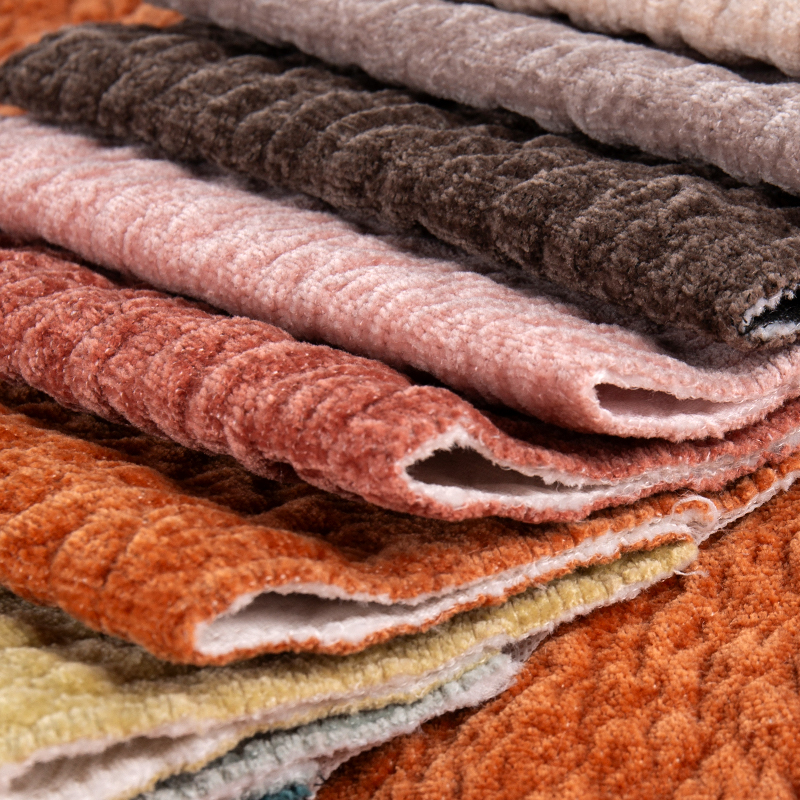
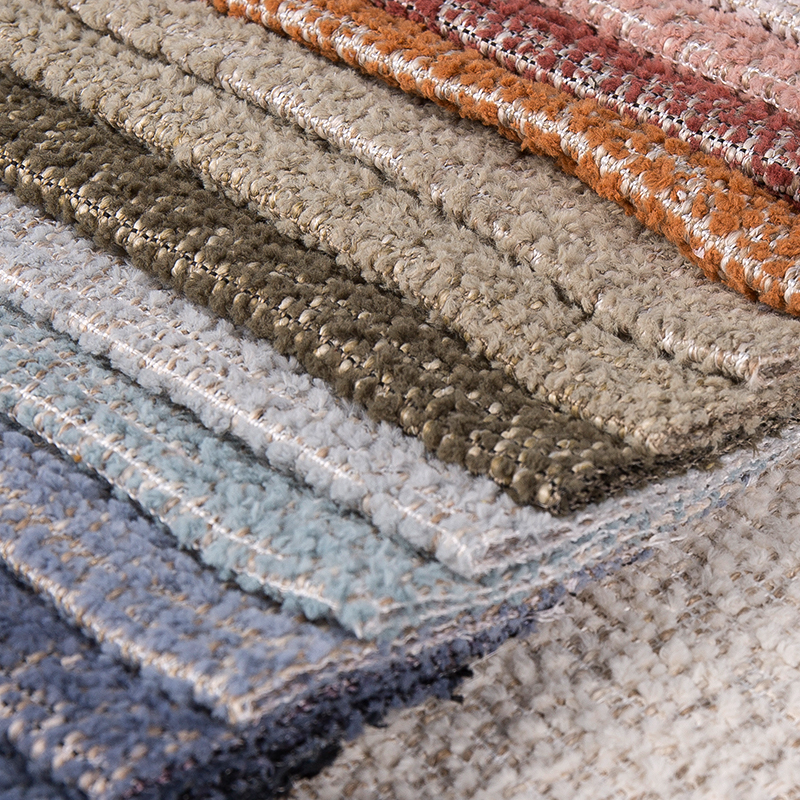
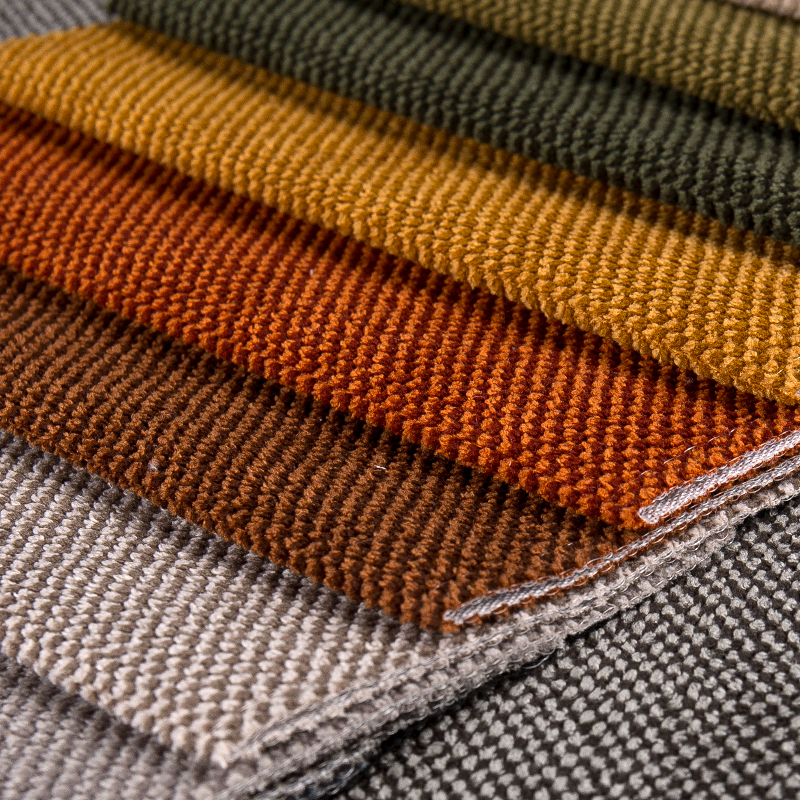
Pattern definition: For chenille fabrics with structured surface patterns — bubble textures, boucle loops, grain effects — higher fabric weight directly improves how crisply and consistently the pattern reads across the fabric. The bubble chenille sofa fabric in heavyweight construction shows clearly defined bubble relief across its full surface; the same pattern in a lighter weight would show variable bubble height and less consistent definition.
Drape and hang: Heavier chenille has more gravitational pull when draped over a sofa frame, which means it follows contours more smoothly and settles into tight corners without puckering. This contributes to the polished, fitted appearance of well-upholstered heavyweight chenille furniture versus the slightly slack or wrinkled look that lighter fabrics sometimes show at cushion edges and arm junctions.
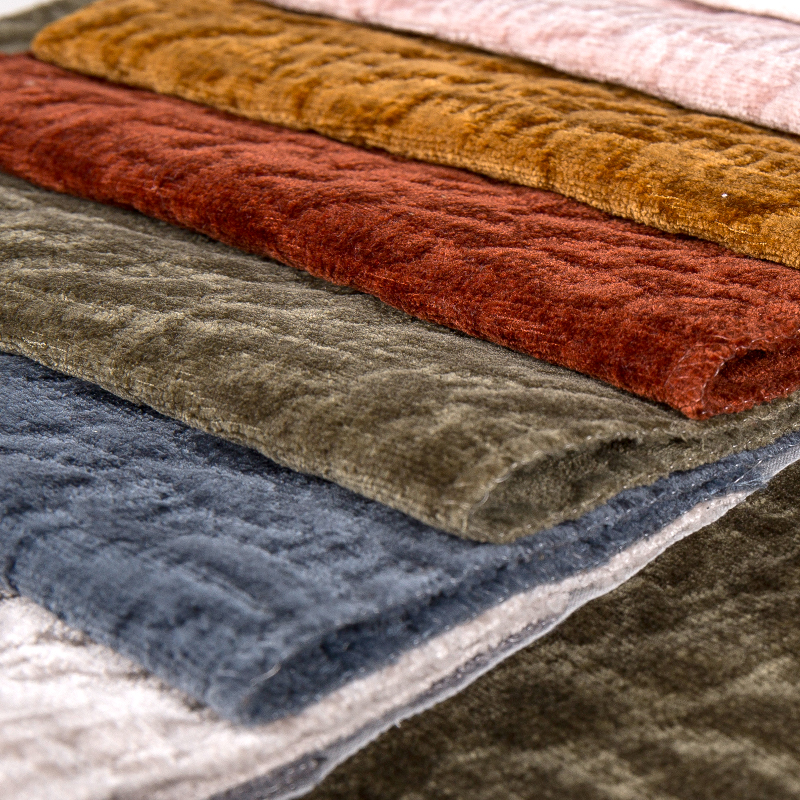
A characteristic of high-quality heavyweight chenille that is frequently described but rarely explained is its natural wrinkle — the gentle, organic surface variation that appears when the fabric is draped or when the pile responds to light from different angles. Understanding what causes this effect clarifies why it is a quality indicator rather than a flaw.
In a dense chenille weave, the pile fibers are long enough to respond slightly to tension changes across the fabric surface. When the fabric is stretched over a curved sofa frame or draped loosely, the pile tilts fractionally in the direction of tension. This creates a subtle directional variation across the surface — not a structural wrinkle in the fabric base, but a visual variation in how the pile reflects light. The result is an organic, living texture that changes appearance as you move around the sofa or as ambient light shifts during the day.
This natural wrinkle effect is more pronounced in heavier fabrics because the pile is denser and taller, giving it more capacity to respond to tension variation. Lighter, thinner chenille fabrics have shorter, sparser pile that sits more rigidly and shows less of this organic surface movement. The uniform beauty of heavyweight chenille texture — even while containing this natural variation — comes from the high pile density that ensures variation is consistent and controlled rather than random and patchy.
The linen-look chenille sofa fabric uses this principle deliberately: the weave structure creates a linear texture variation that mimics the natural irregularity of woven linen, while the heavyweight chenille construction ensures that variation is beautifully uniform across the full fabric width.
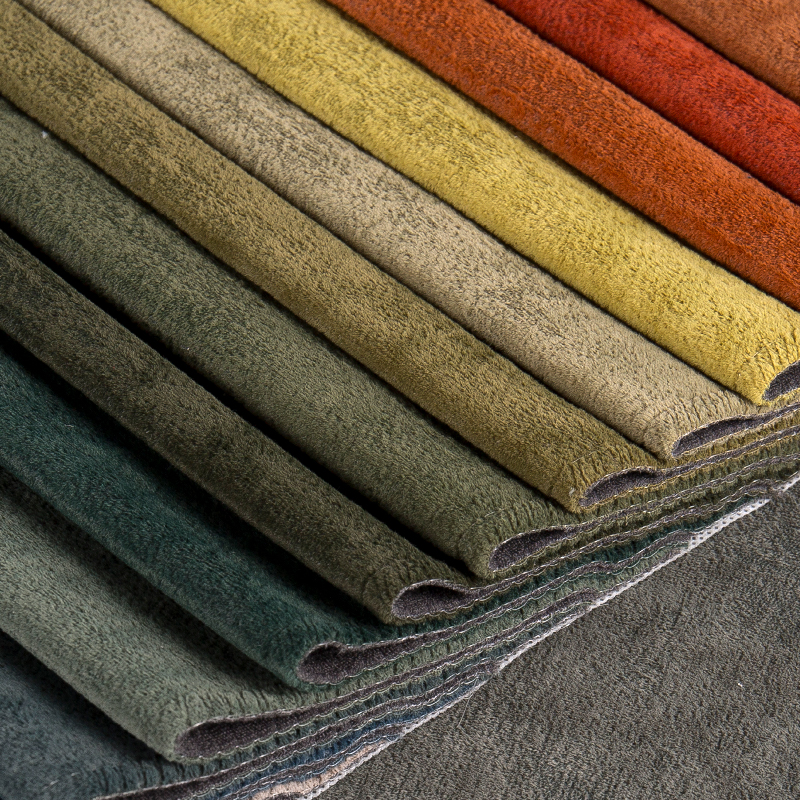
One of the most distinctive visual properties of quality chenille sofa fabric is its subtle sheen — not a flat, dull surface, and not an obvious gloss, but a soft luminosity that varies with viewing angle and lighting conditions. This effect is a direct product of the pile structure interacting with light, and it is more pronounced in heavyweight fabrics for specific structural reasons.
Chenille pile fibers are cylindrical in cross-section and, in the case of polyester, have a smooth, semi-reflective surface. When light hits the pile at an angle, the fiber tips act as tiny mirrors, collectively creating a sheen across the fabric surface. The direction of this sheen changes as the viewing angle changes — this is the same optical phenomenon responsible for the directional shimmer of velvet, though less pronounced in chenille because the pile is not as uniformly oriented.
In heavyweight chenille, the higher pile density means more fiber tips per square centimeter are contributing to this reflective effect. The result is a richer, more consistent sheen than lighter fabrics achieve, even when the fiber type and pile height are similar. This is why the same colorway in a heavyweight chenille often appears more vibrant and three-dimensional than in a medium-weight version — the denser pile creates more light-reflection events per unit area, giving the color more apparent depth and luminosity.
The leather hand-feeling chenille sofa fabric takes this sheen effect further: the pile construction is calibrated to produce a surface with the soft luster of smooth leather while retaining the warmth and comfort of chenille. This requires heavyweight construction to achieve the necessary pile density and surface consistency.
For buyers choosing between heavyweight and medium-weight chenille for a sofa application, the decision ultimately rests on three factors: expected use intensity, service life requirements, and budget.
Use intensity is the clearest differentiator. A primary living room sofa in a household with daily use by multiple people, children, or pets requires heavyweight chenille. The additional fabric density provides the abrasion resistance and pile retention needed to maintain appearance and comfort over years of concentrated use. A decorative accent sofa in a guest room or formal living space with limited daily use can perform adequately in a medium-weight construction.
Service life directly tracks fabric weight under equivalent use conditions. Heavyweight chenille at 400–500 gsm consistently outperforms medium-weight chenille in abrasion tests and maintains its texture and appearance significantly longer before showing pile flattening or surface wear. For commercial applications — hotel lobbies, restaurant seating, waiting areas — heavyweight or extra-heavyweight specification is standard precisely because service life under continuous use must be maximized.
Drape and body favor heavyweight construction for deeply cushioned or tightly upholstered sofa styles. Heavyweight chenille holds its shape against complex cushion contours and seat edges without the slight bagging or rippling that lighter fabrics sometimes develop at stress points. For flat, simple sofa profiles, the difference is less significant; for fully upholstered sofas with defined arms and tight back panels, heavyweight fabric delivers visibly cleaner results.
Heavyweight chenille fabric performs at its best in applications where the combination of tactile comfort, visual texture, and long-term durability are all required simultaneously.
High-end residential sofas are the primary market for heavyweight chenille. Consumers investing in a quality sofa for a main living space expect the fabric to look and feel as good after three years of daily use as it did in the showroom. Heavyweight construction — particularly in the polyester chenille upholstery fabric collection — is what makes that expectation achievable. The dense pile resists flattening, the heavy backing prevents shape loss, and the higher GSM construction maintains texture uniformity through years of regular cleaning and use.
Commercial and hospitality seating in hotels, restaurants, and corporate reception areas demands fabric that can sustain continuous use across multiple shifts while maintaining a premium appearance for guests. Heavyweight chenille at 450–600 gsm, typically in commercial-grade polyester construction, meets these requirements with durability ratings of 25,000–40,000 double rubs — well above the minimum required for heavy commercial use.
Statement furniture pieces — accent chairs, reading chairs, ottomans, and banquettes where the fabric texture is a deliberate design element — benefit from heavyweight chenille because the richer pile density makes the texture more visually present. A bubble or boucle chenille texture reads as a design statement in heavyweight construction; in a lighter weight, the same pattern can appear tentative or inconsistent.
Custom upholstery projects, where the fabric must perform flawlessly on complex shapes including tight backs, deep channels, and curved arms, rely on heavyweight chenille for the body and drape needed to achieve clean results. The fabric weight prevents the rippling and bagging that lighter materials develop around tight upholstery points, making the finished piece look professionally executed and dimensionally stable over its service life.
Related Products

Contact us
Address
Hangfu Road 106#, Chongfu Town, Tongxiang City, Zhejiang, China
Phone
+86-15067379939
linachen@climbingtex.com / zac@climbingtex.com
lianniu@climbingtex.com
Fax/Tel
+86-573-88385698
products
QR CODE
 Home Textile Manufacturers
Sofa Fabric Factory
Home Textile Manufacturers
Sofa Fabric Factory
 English
 Español
 عربى
عربى