Jun 04, 2026
Content
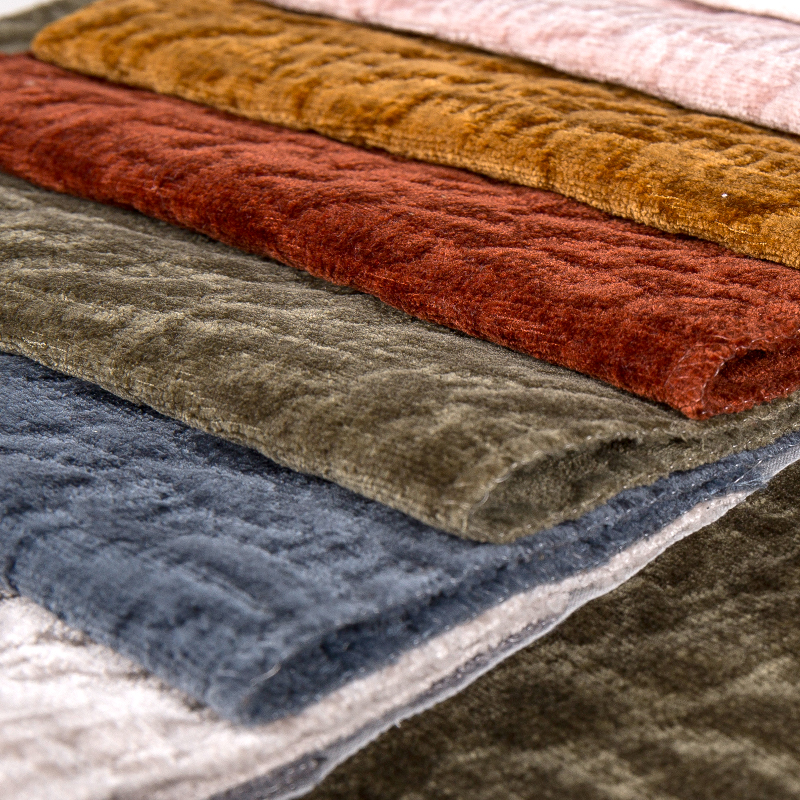
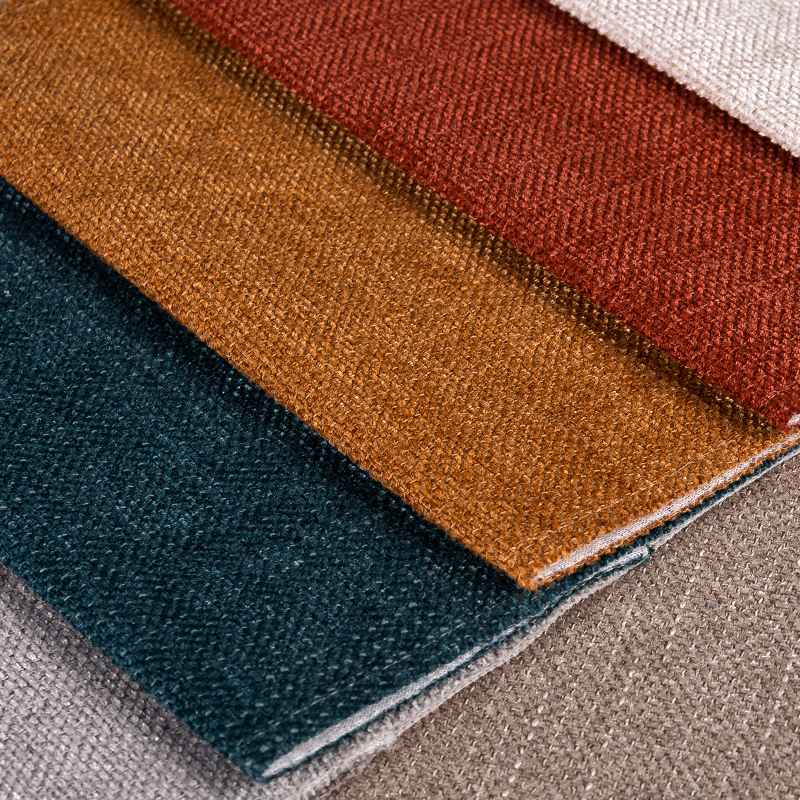
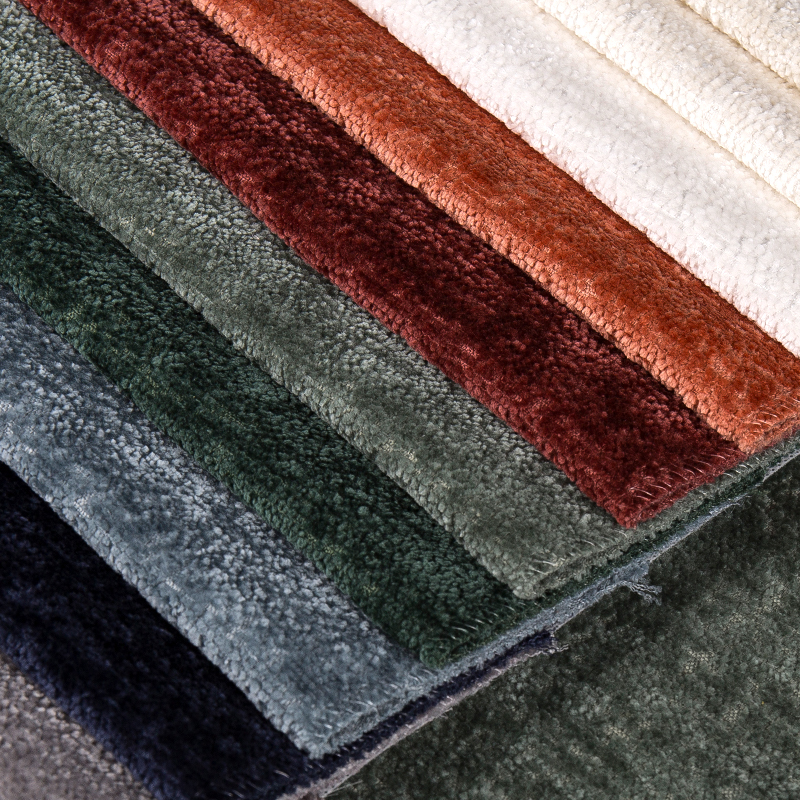
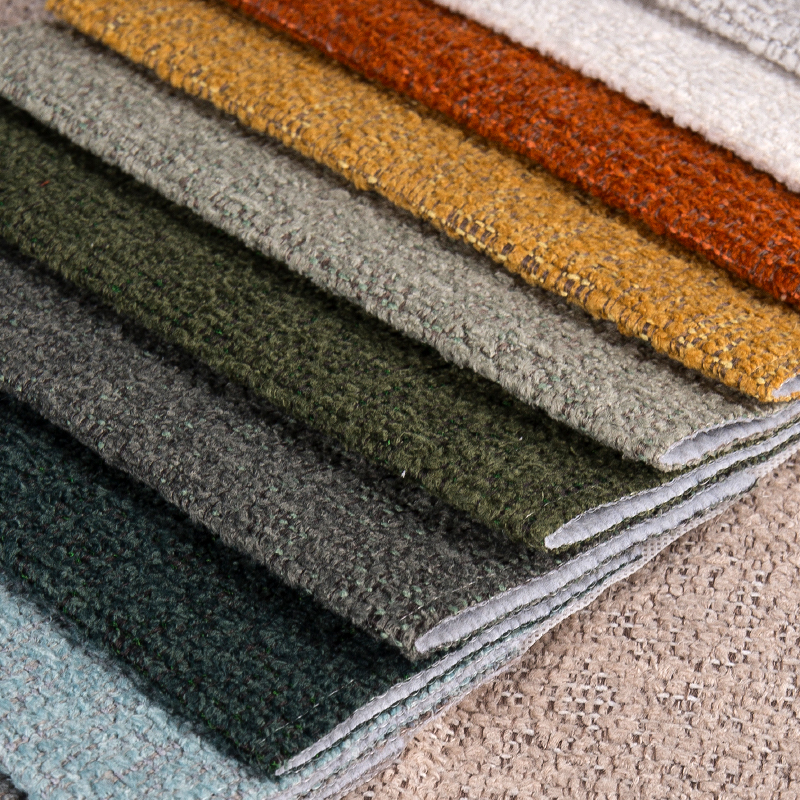
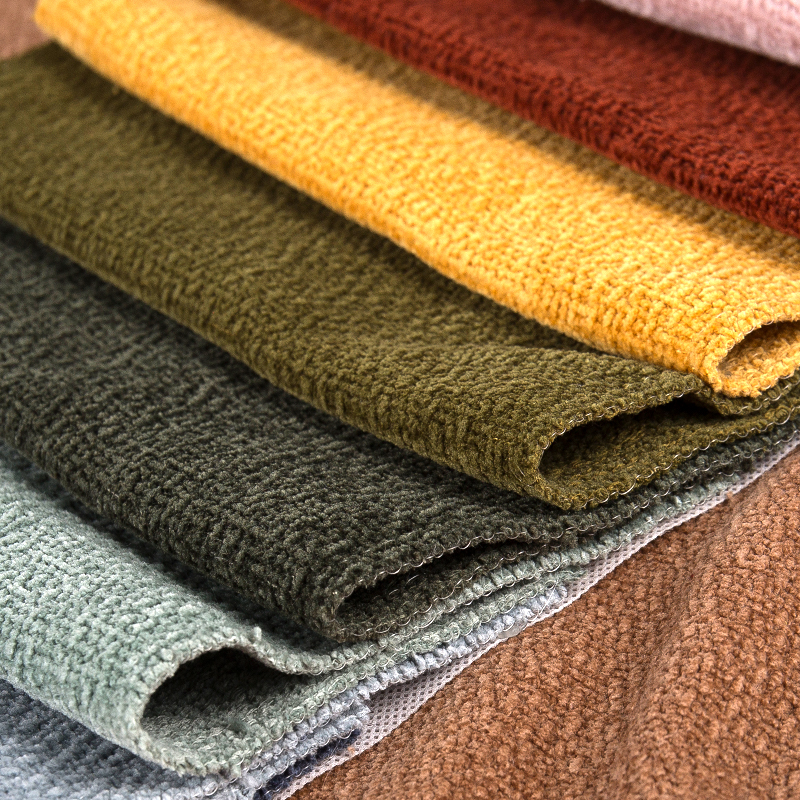
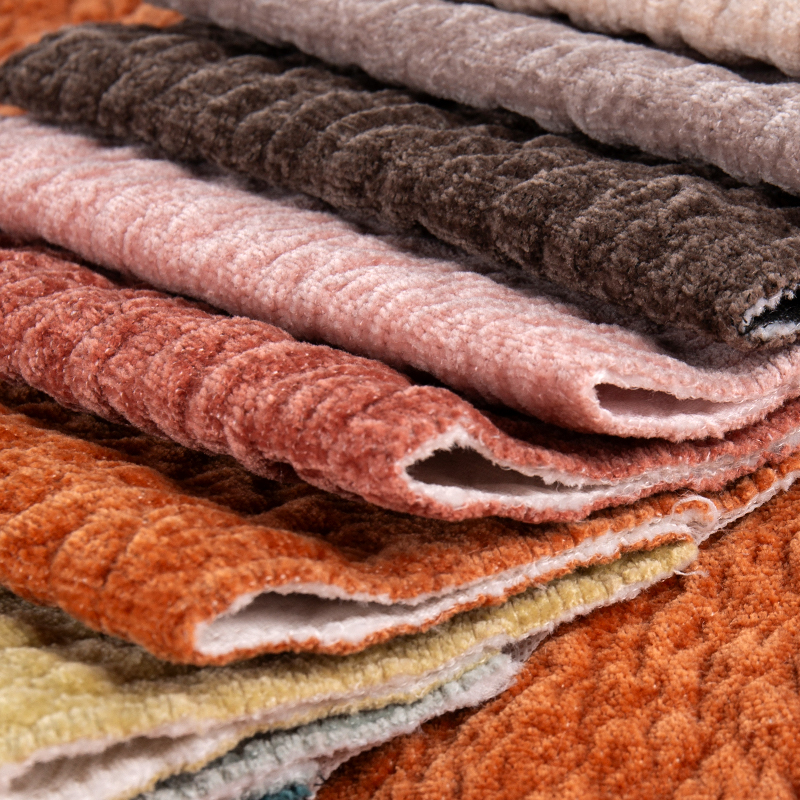
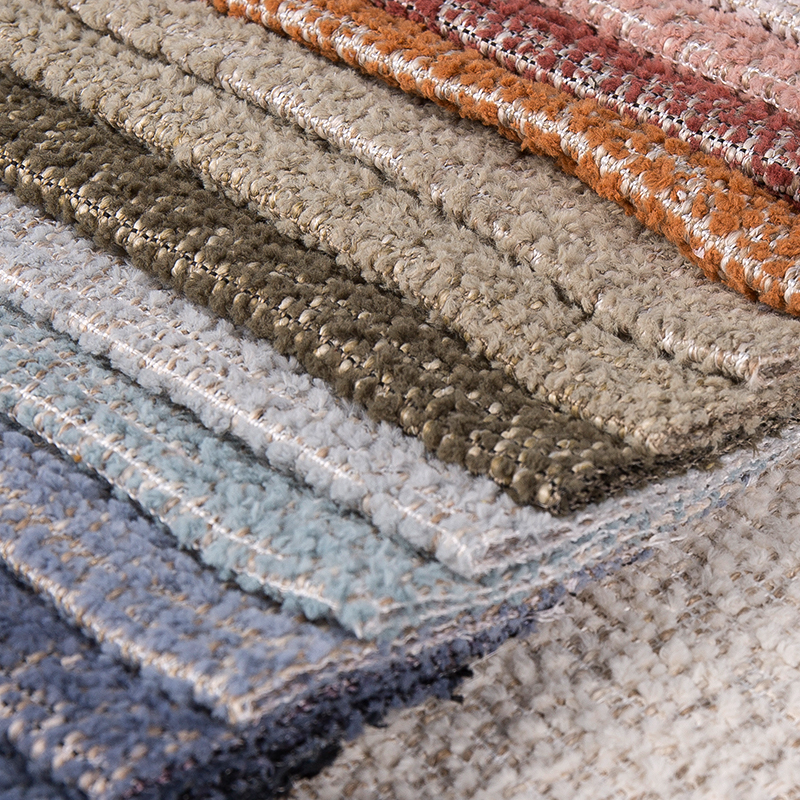
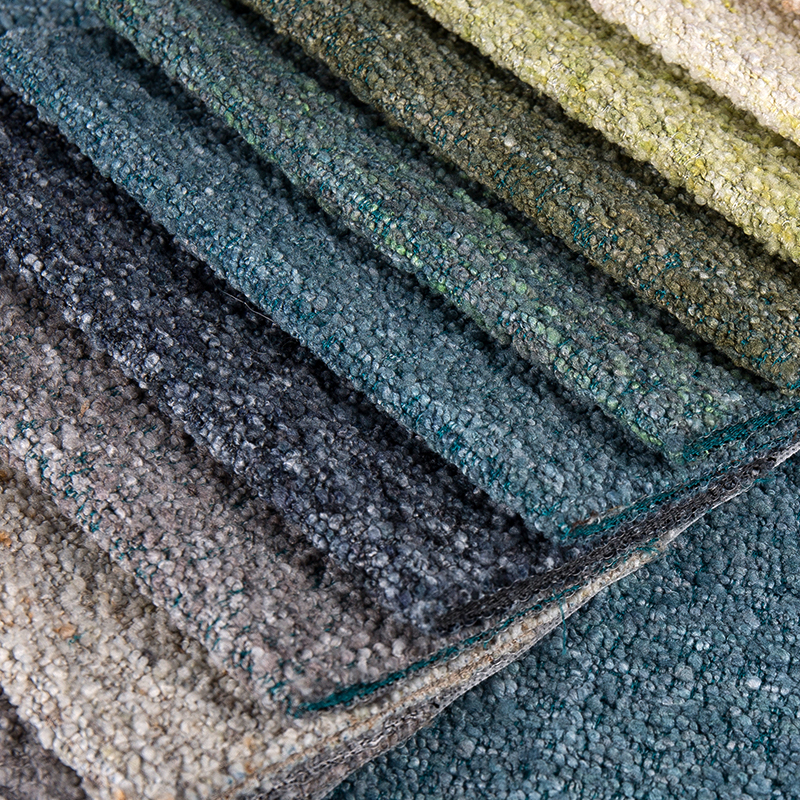
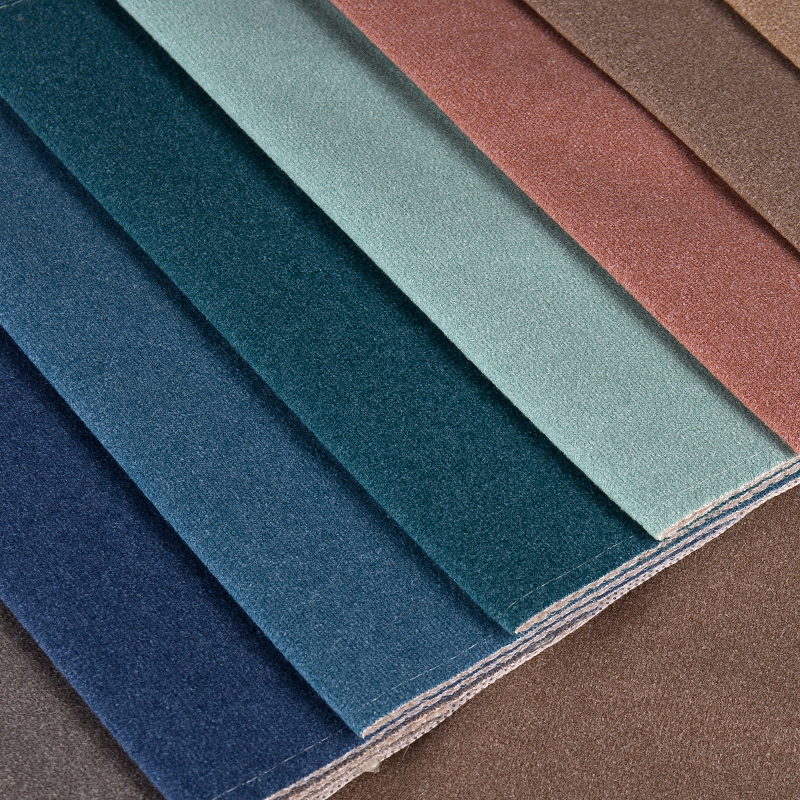
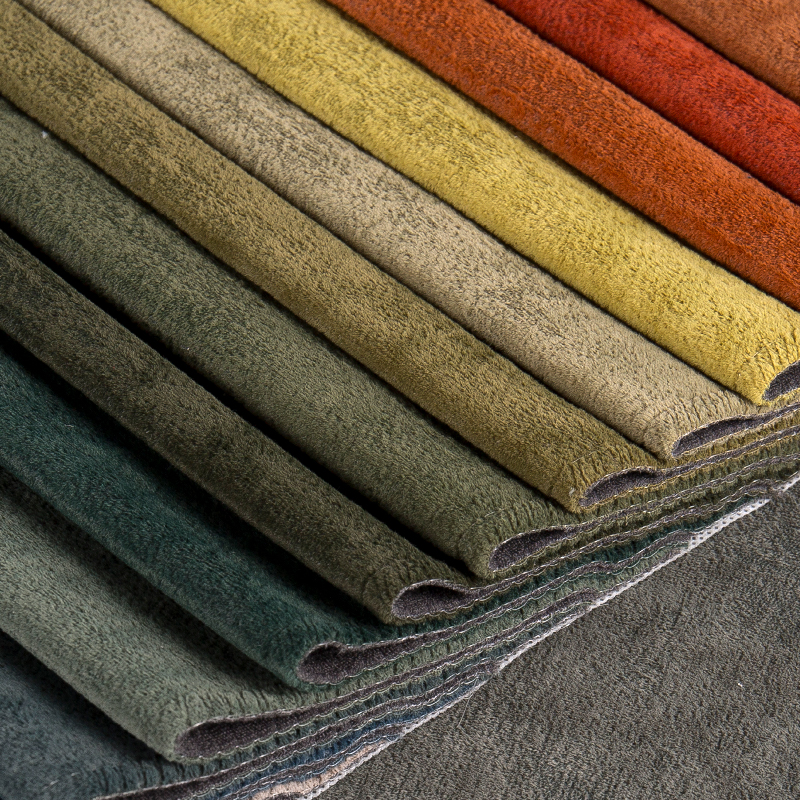
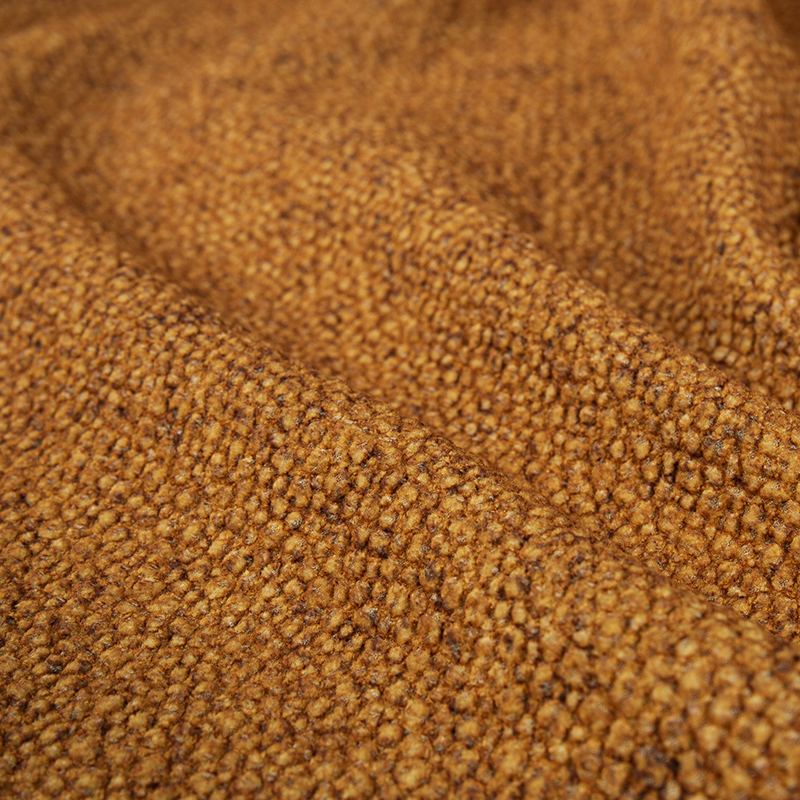
In the realm of interior design and upholstery, the search for the perfect material often leads designers and homeowners to chenille. Specifically, slightly two-tone chenille has emerged as a highly sought-after option, offering a sophisticated blend of texture and subtle color variation. To truly appreciate this material, it is essential to understand its mechanical construction. Chenille is not woven in a traditional flat manner; rather, it is created using a specialized pile yarn. This yarn is manufactured by wrapping short lengths of fiber, known as the pile, around a central core thread. When woven into a fabric, these protruding fibers create a soft, velvety surface that is both visually appealing and incredibly tactile. The "slightly two-tone" effect is achieved during the yarn spinning process, where two fibers of closely related but distinct colors are twisted together. This results in a simple fabric that possesses a rich, multi-dimensional depth without the visual noise of a complex printed pattern.
The beauty of slightly two-tone chenille lies in its ability to act as a simple fabric while delivering a complex visual experience. From a distance, the fabric appears as a solid, cohesive color, making it an excellent choice for large furniture pieces like sofas and sectionals. However, upon closer inspection, the subtle interplay of the two tones reveals a nuanced texture that catches the light beautifully. This characteristic makes it an incredibly versatile choice for modern, transitional, and traditional interiors alike. It provides the visual interest of a patterned fabric with the calming, grounding effect of a solid color, striking a perfect balance for any living space.
When designing a room, achieving the right balance between simplicity and visual interest is a common challenge. Solid colors can sometimes feel flat and uninspiring, while bold patterns can quickly overwhelm a space and become dated. Slightly two-tone chenille solves this design dilemma elegantly. By incorporating two complementary shades—such as a deep charcoal twisted with a soft silver, or a warm beige interwoven with a subtle cream—the fabric introduces a gentle, organic rhythm to the room. This subtle variation mimics the natural inconsistencies found in nature, creating a space that feels grounded, inviting, and inherently comfortable.
The concept of a "simple fabric" does not mean it has to be boring. In fact, the most successful interior designs often rely on simple fabrics with complex textures to build a layered, sophisticated look. Slightly two-tone chenille excels in this regard. Because the color variation is subtle, it does not compete with other design elements in the room. It allows bold artwork, vibrant throw pillows, or striking architectural features to take center stage, while the upholstery provides a rich, textural backdrop. Furthermore, the way light interacts with the pile of the chenille fabric enhances this two-tone effect. As the light shifts throughout the day, the fabric will appear to change slightly in hue, adding a dynamic, living quality to the furniture that flat, printed fabrics simply cannot achieve.
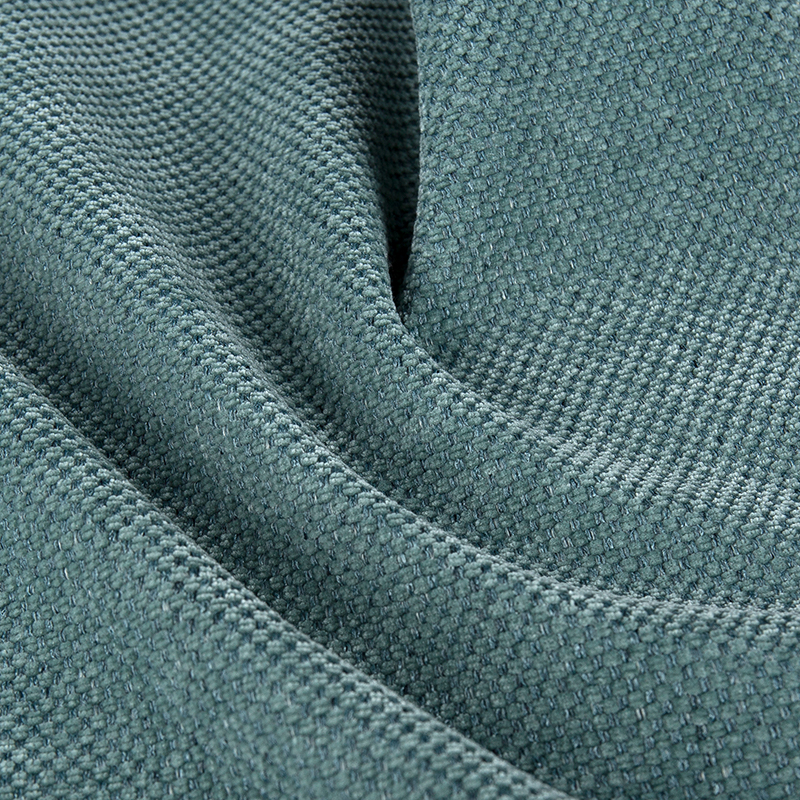
Due to its inherent durability and plush hand-feel, slightly two-tone chenille is predominantly used in heavy-duty upholstery applications. It is the ideal choice for primary seating furniture, such as living room sofas, armchairs, and ottomans, where both comfort and longevity are required. The dense pile of the fabric provides a soft, cushioned feel that is highly inviting, encouraging relaxation and comfort. Beyond seating, this simple fabric is also frequently utilized in the creation of decorative throw pillows and bolster cushions, where its textural qualities can be used to add depth to a bed or a secondary seating area without introducing clashing patterns.
In addition to furniture upholstery, slightly two-tone chenille is sometimes employed in heavy drapery and window treatments. When used for curtains, the weight and density of the fabric provide excellent light-blocking properties and thermal insulation, while the two-tone texture adds a luxurious, tailored look to the windows. However, it is important to note that because of its weight, chenille drapery requires robust hardware and proper installation to ensure it hangs correctly and operates smoothly over time. For most homeowners, though, the primary application remains furniture, where its耐磨 (abrasion-resistant) qualities truly shine.
Choosing the correct slightly two-tone chenille for your specific project requires looking beyond just the color and texture. Technical specifications play a crucial role in ensuring the fabric will withstand the demands of its intended environment. The most important metric to consider is the Martindale rub count, which measures the fabric's abrasion resistance. For residential furniture that sees daily use, a rub count of at least 20,000 is recommended, while commercial or high-traffic areas require a minimum of 30,000 to 40,000 rubs. Additionally, the weight of the fabric, measured in grams per square meter (GSM), will dictate its drape and durability. The following table provides a quick reference guide for selecting the appropriate chenille specifications based on the intended application.
| Application Area | Recommended Rub Count | Ideal Fabric Weight (GSM) | Pile Height Preference |
| Residential Sofa | 20,000 - 30,000 | 350 - 450 | Medium |
| Commercial Seating | 40,000+ | 450 - 600 | Short / Dense |
| Decorative Pillows | 10,000 - 15,000 | 250 - 350 | Long / Plush |
| Heavy Drapery | 15,000 - 20,000 | 500 - 700 | Medium |
While slightly two-tone chenille is highly durable, its unique pile structure requires specific care and maintenance to preserve its appearance and texture over time. The protruding fibers can trap dust, pet hair, and debris more readily than flat-woven fabrics. Therefore, establishing a consistent cleaning routine is essential. Regular vacuuming using a soft brush attachment will prevent dirt from becoming embedded deep within the pile, which can cause premature wear and dull the two-tone color effect. It is crucial to avoid using the beater bar or rotating brush head on a vacuum cleaner, as this can pull the pile threads and cause the fabric to bald or unravel.
In an industry constantly chasing fleeting trends, slightly two-tone chenille stands out as a timeless, reliable choice for interior design. It perfectly encapsulates the concept of a simple fabric that delivers maximum impact through subtle sophistication. Its ability to hide minor stains and wear better than solid, flat fabrics, combined with its luxurious tactile qualities, makes it a highly practical choice for real-world living. Whether you are furnishing a busy family room, designing a cozy reading nook, or outfitting a high-traffic commercial lounge, this fabric offers the perfect synthesis of durability, comfort, and understated elegance. By understanding its construction, selecting the right technical specifications, and adhering to proper care guidelines, you can ensure that your slightly two-tone chenille furnishings remain beautiful and functional for many years to come.
Related Products

Contact us
Address
Hangfu Road 106#, Chongfu Town, Tongxiang City, Zhejiang, China
Phone
+86-15067379939
linachen@climbingtex.com / zac@climbingtex.com
lianniu@climbingtex.com
Fax/Tel
+86-573-88385698
products
QR CODE
 Home Textile Manufacturers
Sofa Fabric Factory
Home Textile Manufacturers
Sofa Fabric Factory
 English
 Español
 عربى
عربى