Feb 28, 2026
Content
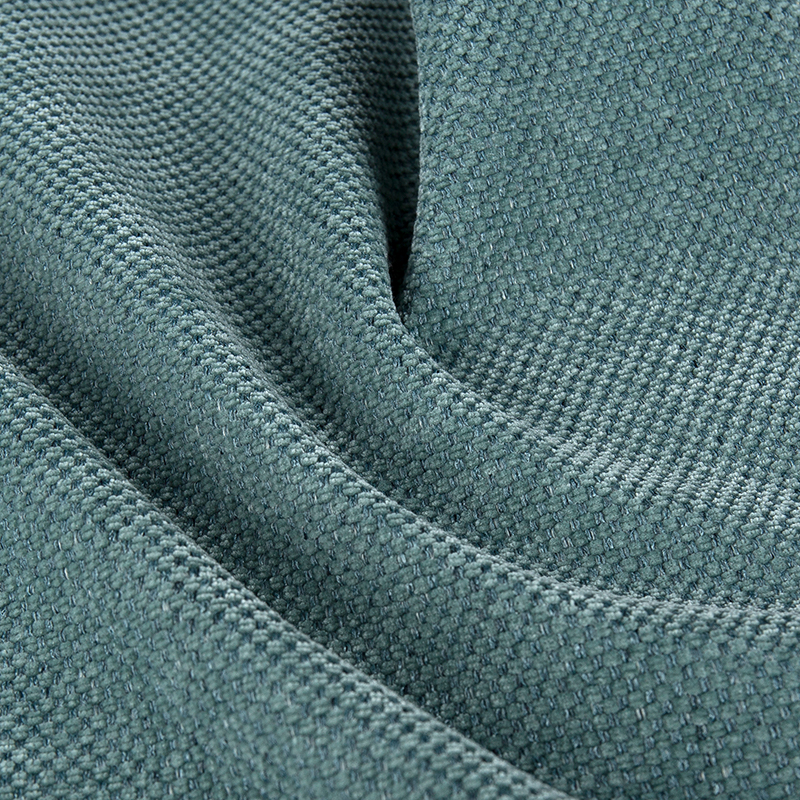
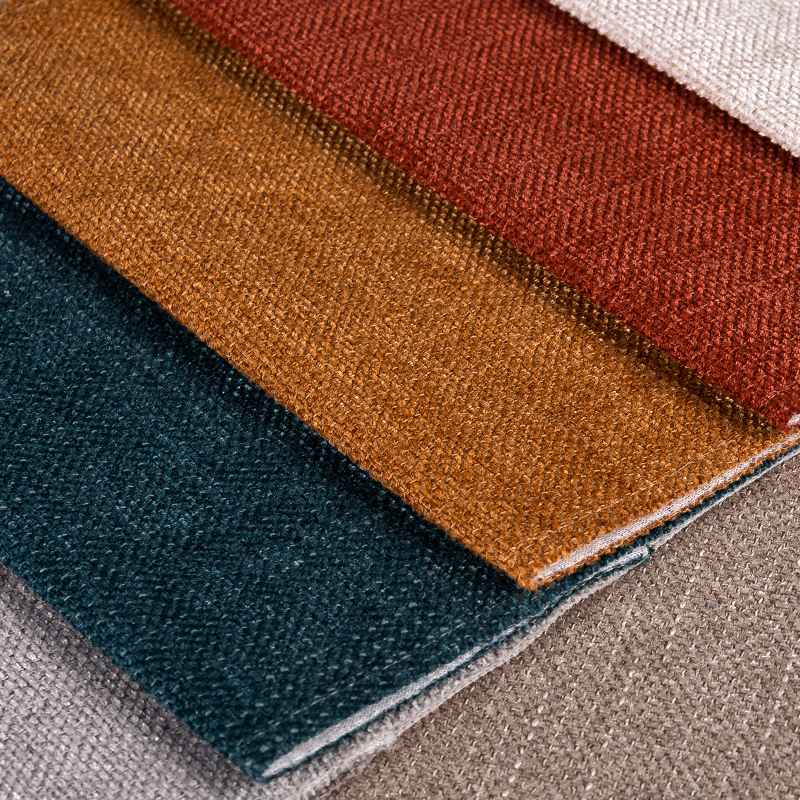
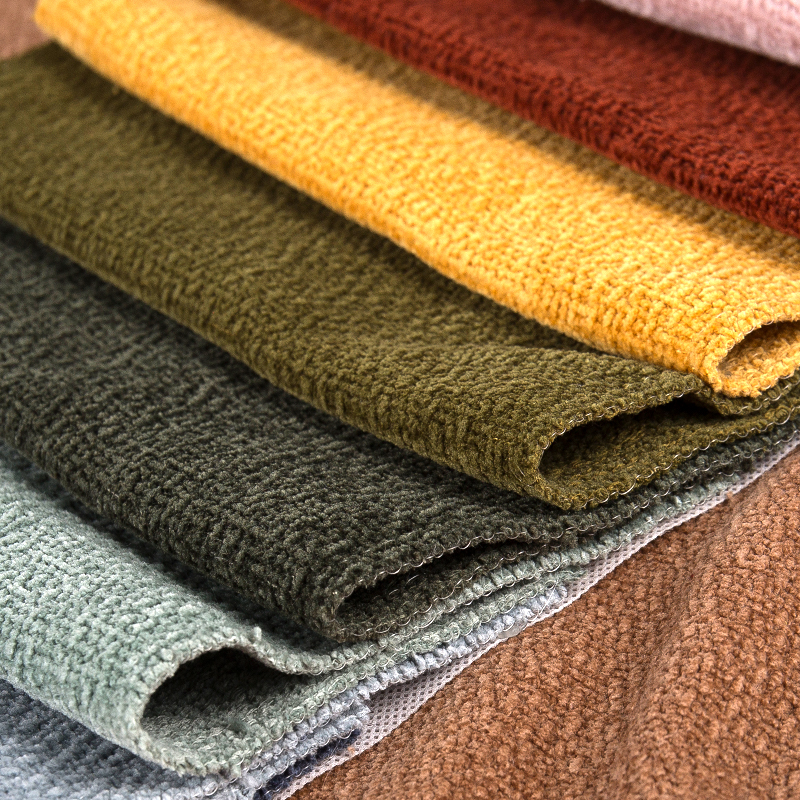
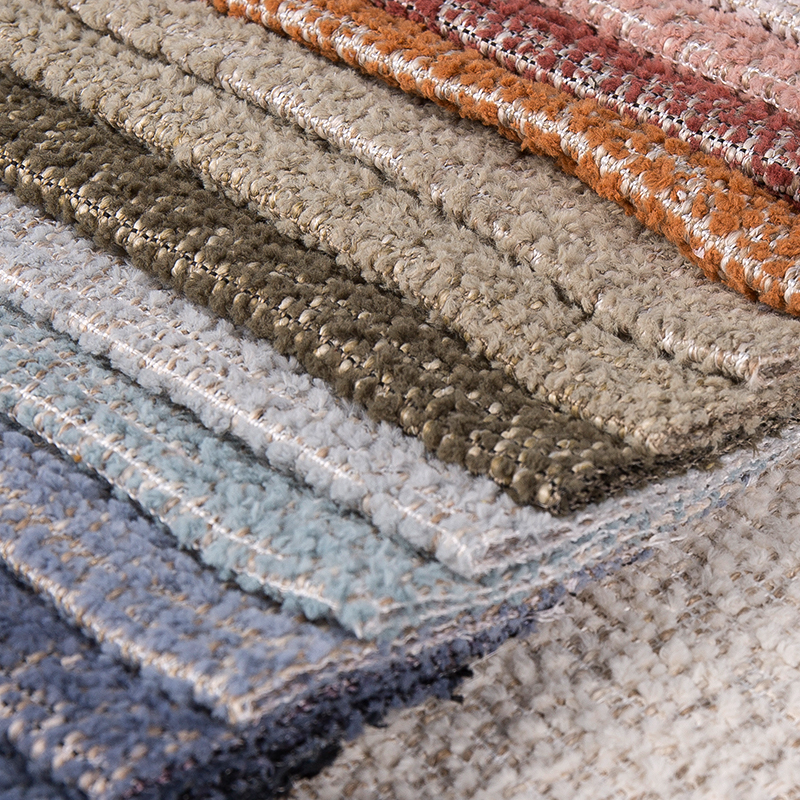
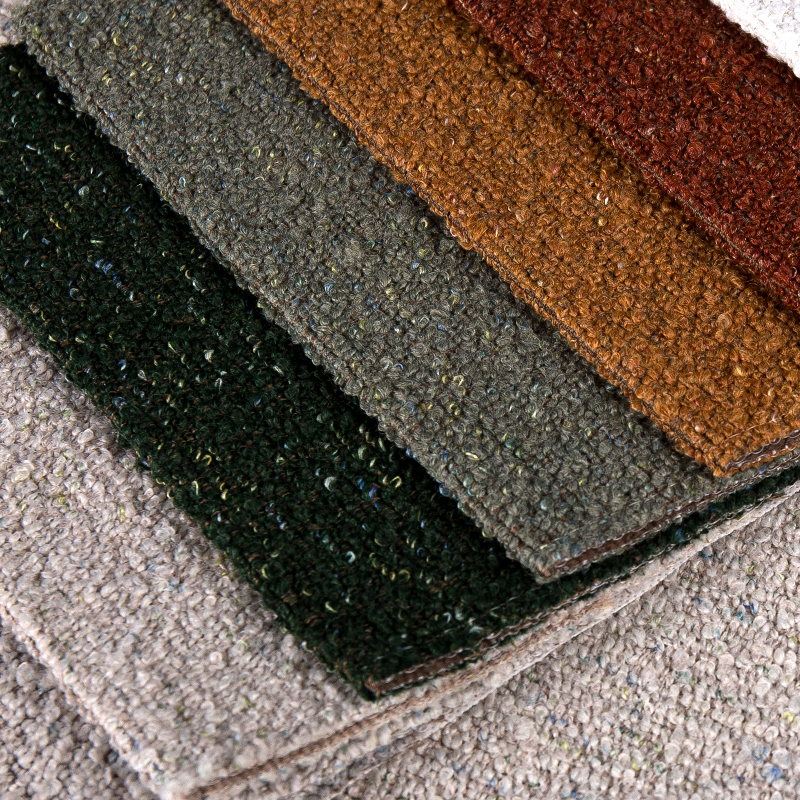
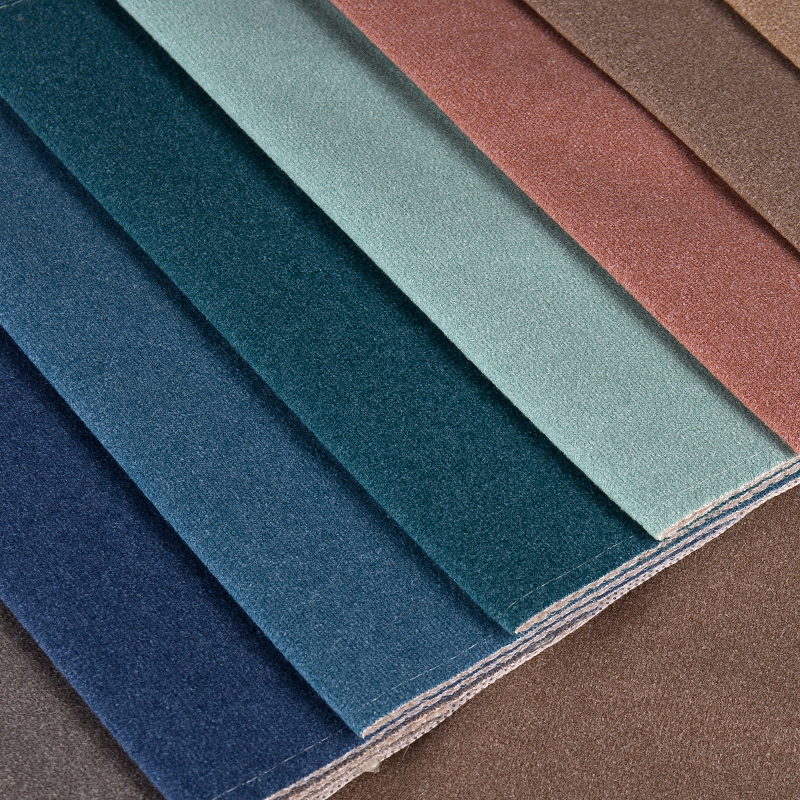
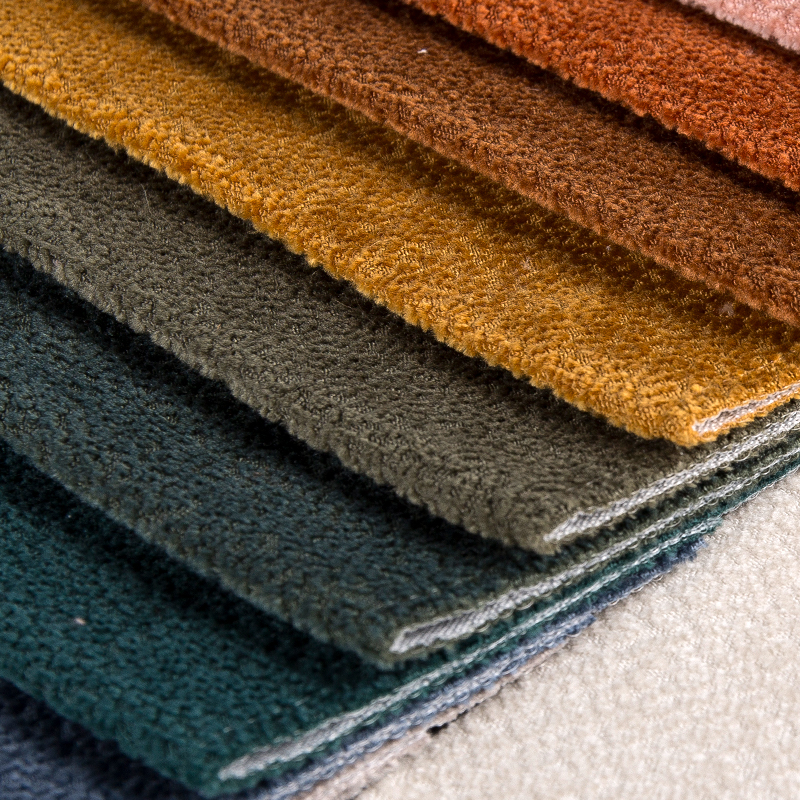
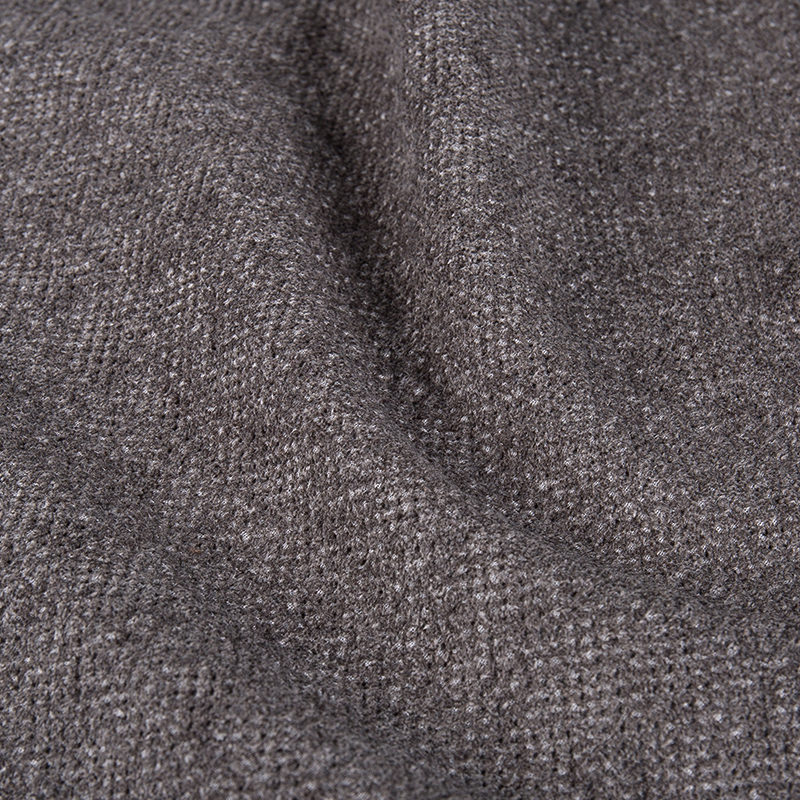
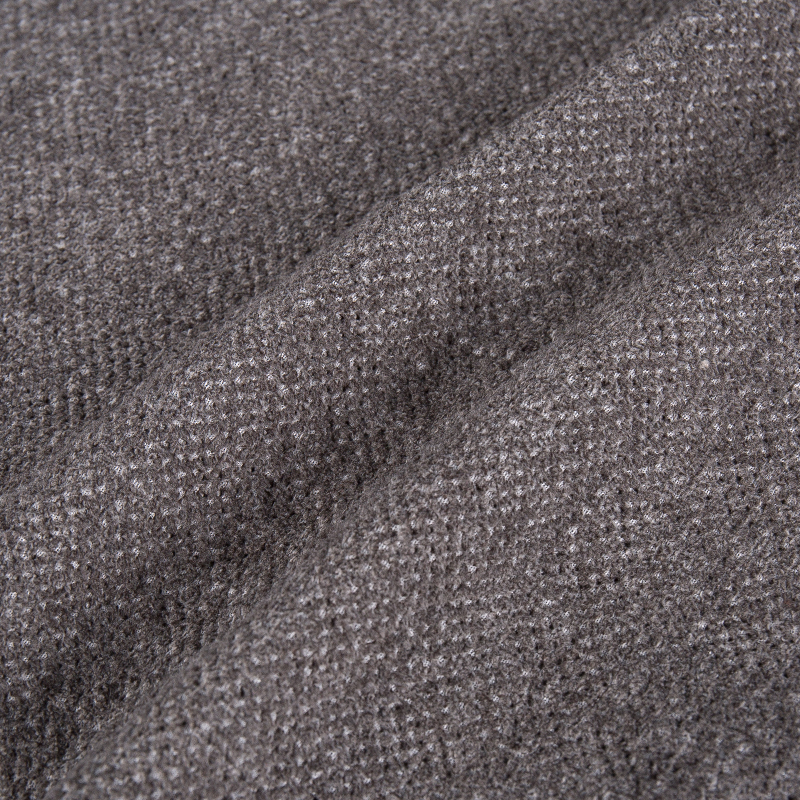
Polyester woven upholstery fabric is constructed through interlacing warp and weft yarns in controlled weaving patterns such as plain weave, twill, or jacquard structures. The woven construction provides dimensional stability, tensile strength, and abrasion resistance, making it suitable for sofas, chairs, headboards, and commercial seating applications.
The density of yarn count and weave tightness directly influence fabric durability and hand feel. Higher picks per inch enhance structural integrity and resistance to seam slippage, while balanced yarn tension improves surface uniformity. Polyester fibers contribute to color retention, wrinkle resistance, and low moisture absorption, supporting long-term appearance stability in residential and hospitality environments.
Performance testing such as Martindale abrasion and seam strength evaluation is often conducted to confirm suitability for heavy-use seating. Polyester woven upholstery fabric is widely selected for projects requiring mechanical durability combined with stable coloration.
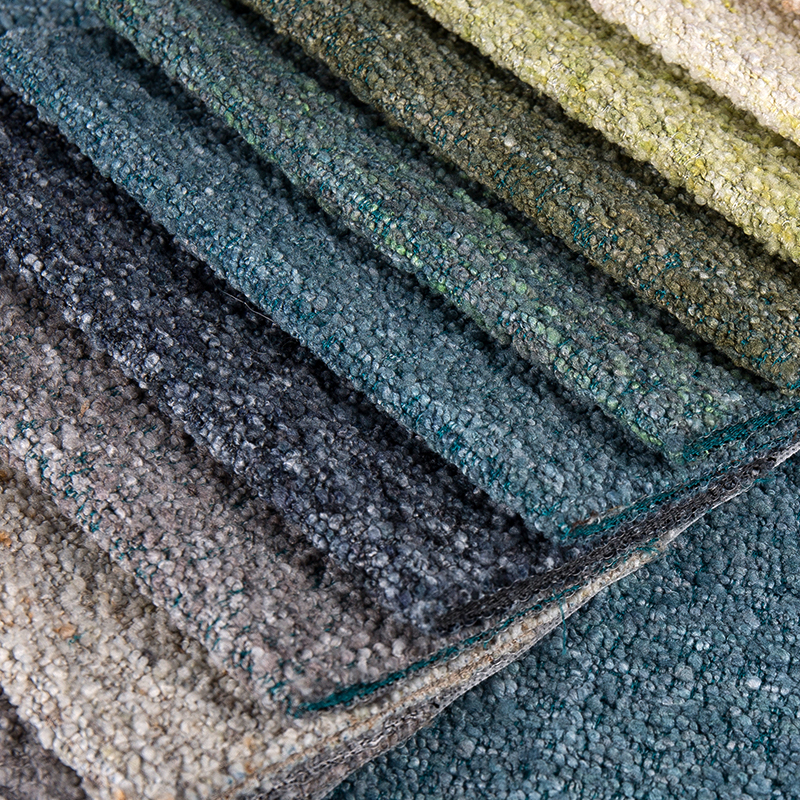
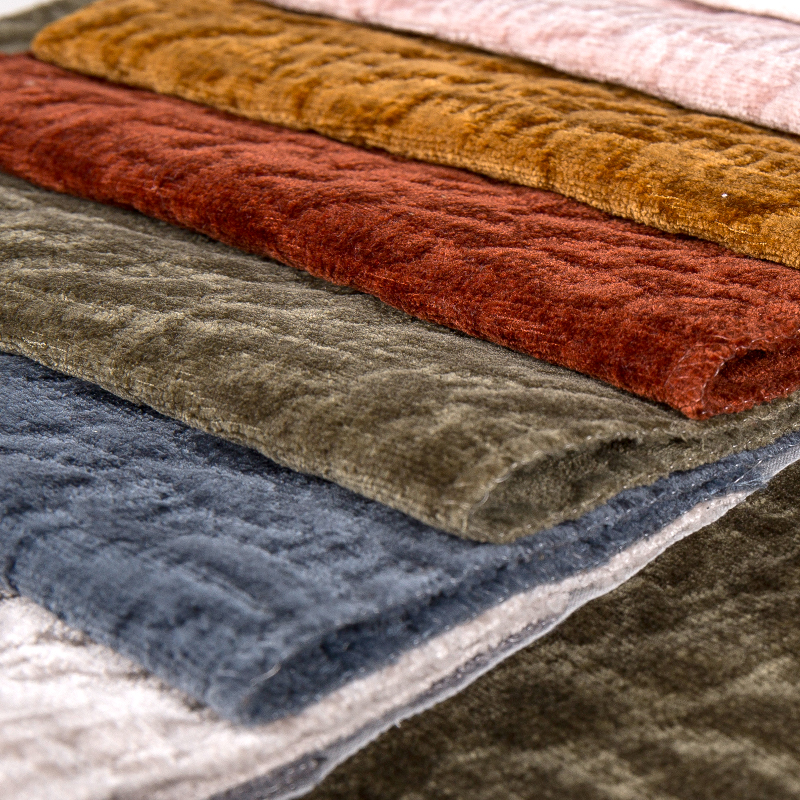
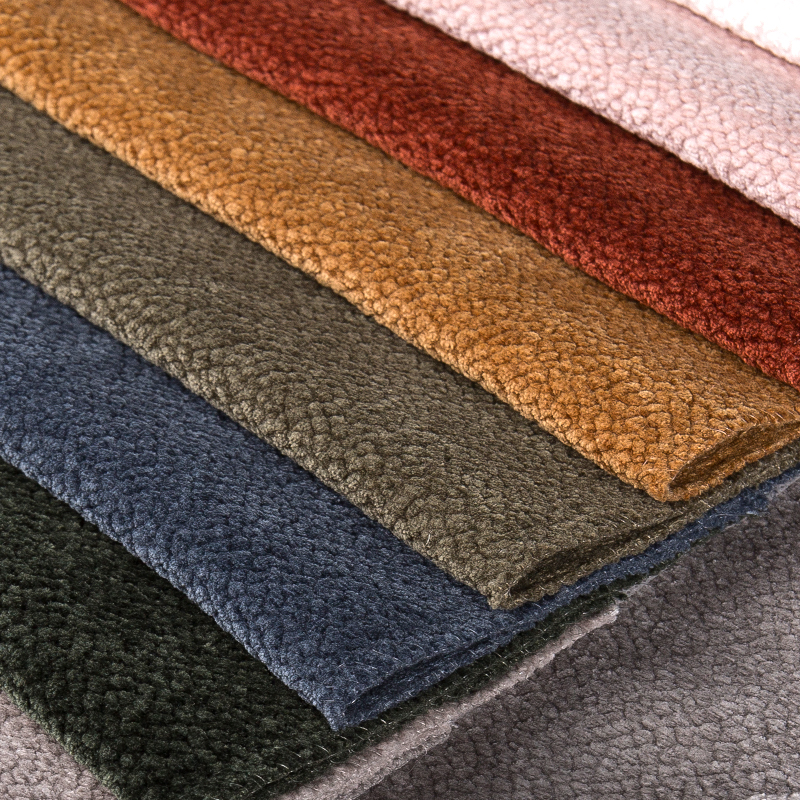
Polyester embossed upholstery fabric is produced by applying heat and pressure through engraved rollers to create raised or recessed patterns on the surface. This finishing technique enhances tactile depth without altering the core woven or knitted structure.
Embossing provides decorative value while maintaining the mechanical strength of polyester substrates. Patterns may simulate leather grain, geometric textures, floral motifs, or structured relief surfaces. The embossing temperature and pressure settings must be carefully controlled to prevent fiber distortion and maintain fabric elasticity.
Embossed polyester upholstery fabrics are often used in decorative panels, accent furniture, and commercial interiors where dimensional texture enhances visual impact without significantly increasing fabric weight.
Polyester printed upholstery fabrics achieve surface decoration through techniques such as digital printing, rotary screen printing, or transfer printing. Polyester fibers respond effectively to disperse dyes, enabling vivid color reproduction and detailed pattern resolution.
Digital printing supports short production runs and complex gradient designs, while rotary printing is suited for large-scale, repeatable patterns. Print fixation processes involve high-temperature curing to improve wash and light fastness performance.
| Printing Method | Production Scale | Pattern Complexity | Application Focus |
| Digital Printing | Small to Medium | High Detail and Gradients | Customized upholstery |
| Rotary Screen | Large Scale | Repeat Patterns | Commercial furniture |
| Transfer Printing | Medium | Sharp Edges | Decorative panels |
Polyester printed upholstery fabrics are frequently selected for themed interiors, branded commercial spaces, and residential décor projects that require coordinated color schemes.
All three categories—polyester woven upholstery fabric, polyester embossed upholstery fabric, and polyester printed upholstery fabrics—share inherent advantages such as low moisture absorption and resistance to stretching. However, surface treatment and backing construction influence maintenance performance.
Routine maintenance typically involves vacuum cleaning and mild surface wiping. For printed fabrics, chemical compatibility of cleaning agents must be verified to protect color integrity.
Choosing between woven, embossed, and printed polyester upholstery fabrics depends on structural demands, design objectives, and budget considerations. Woven fabrics emphasize mechanical strength, embossed fabrics focus on texture enhancement, and printed fabrics prioritize visual customization.
Manufacturers should evaluate abrasion rating, pattern retention, installation compatibility, and long-term color stability before final specification. Coordinating fabric structure with foam density and frame design ensures consistent seating performance and appearance durability.
By aligning construction method, surface finishing, and application requirements, polyester upholstery fabrics can deliver reliable structural performance and diverse design expression across residential, hospitality, and commercial furniture projects.
Related Products

Contact us
Address
Hangfu Road 106#, Chongfu Town, Tongxiang City, Zhejiang, China
Phone
+86-15067379939
linachen@climbingtex.com / zac@climbingtex.com
lianniu@climbingtex.com
Fax/Tel
+86-573-88385698
products
QR CODE
 Home Textile Manufacturers
Sofa Fabric Factory
Home Textile Manufacturers
Sofa Fabric Factory
 English
 Español
 عربى
عربى