Feb 19, 2026
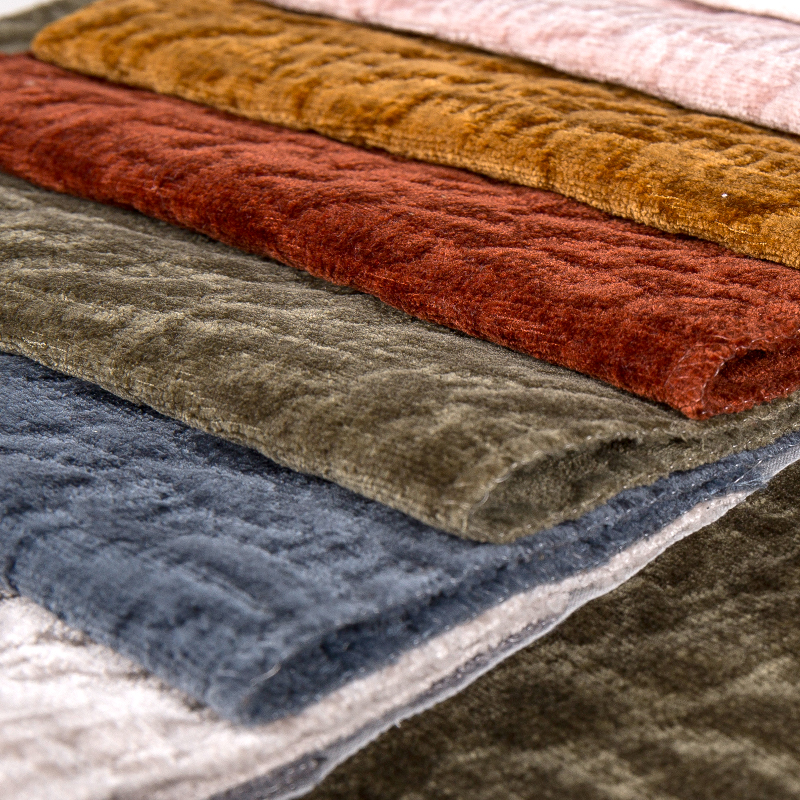
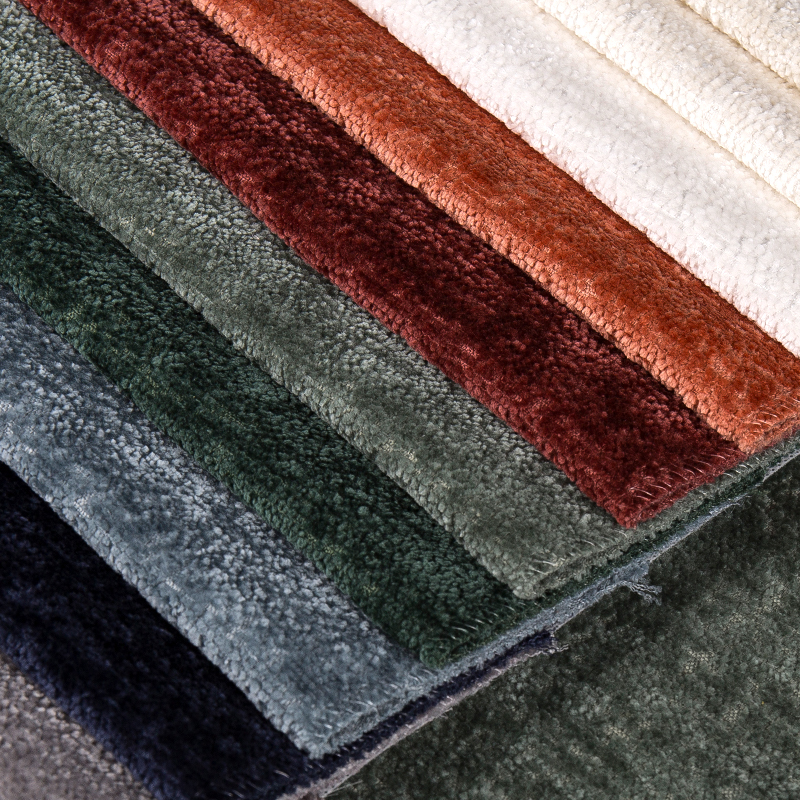
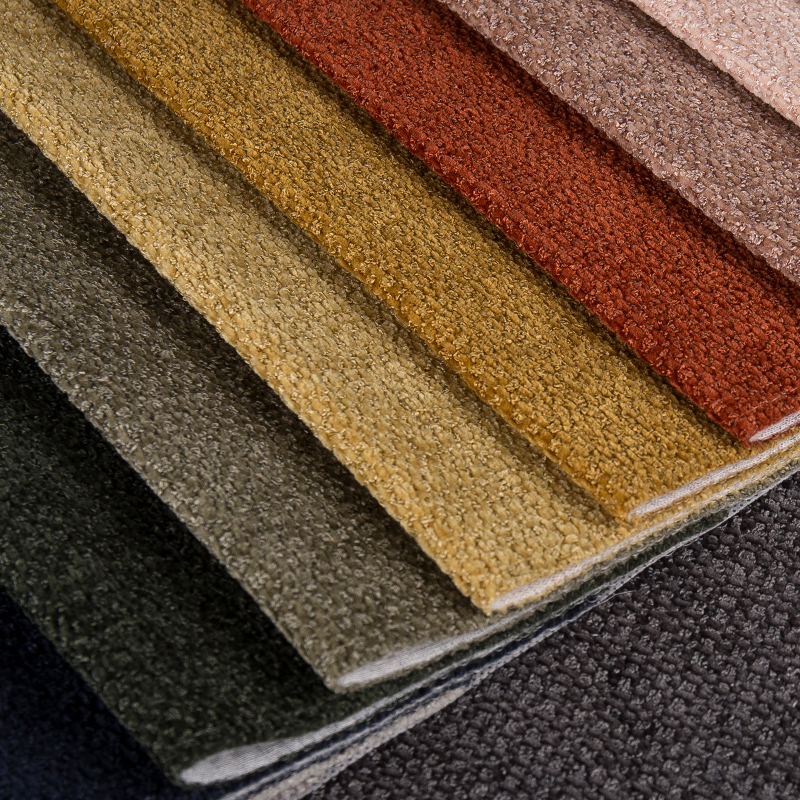
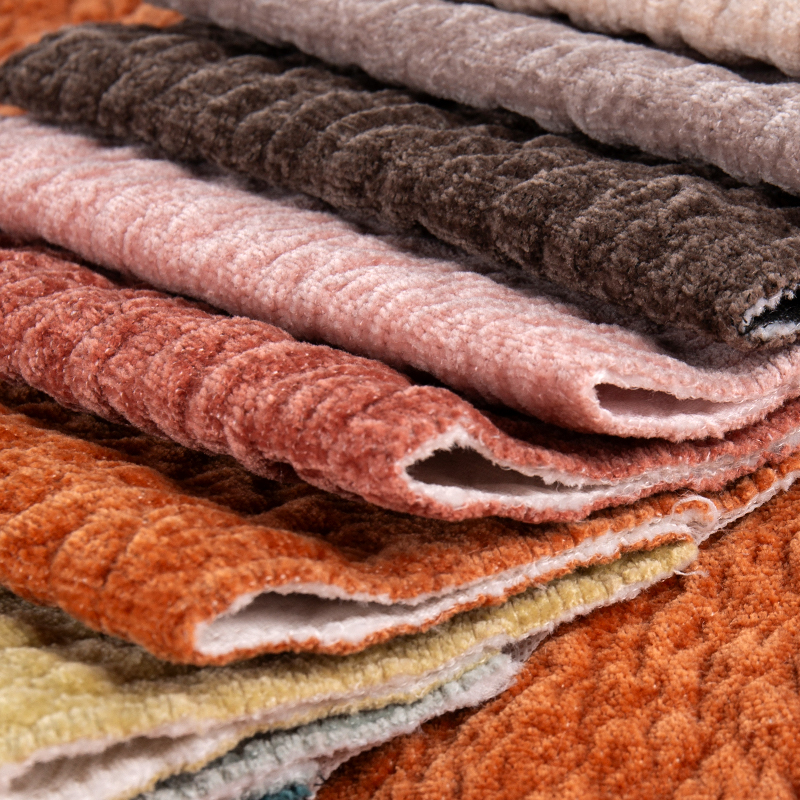
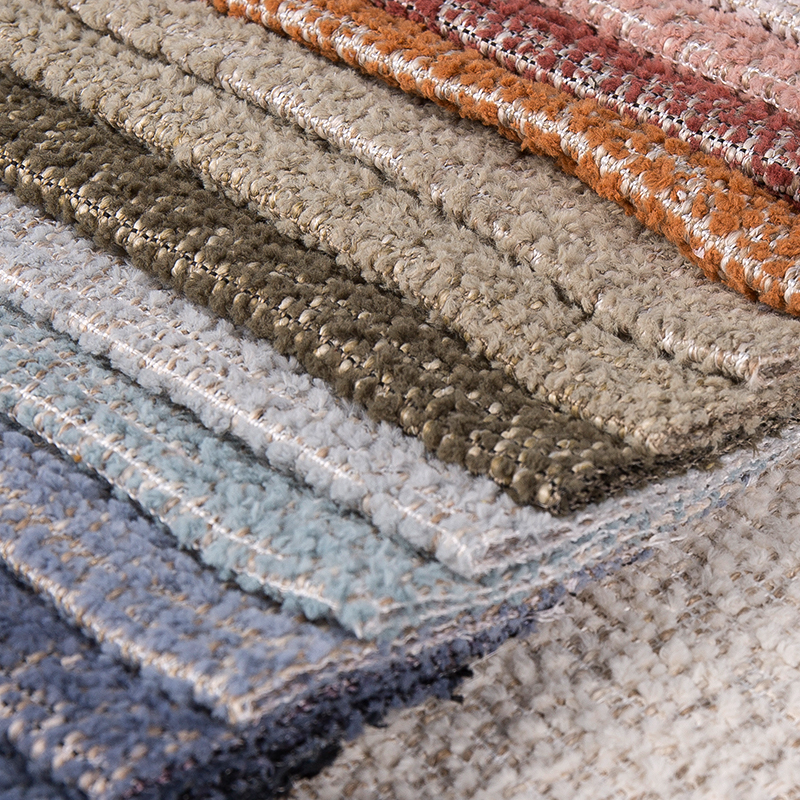
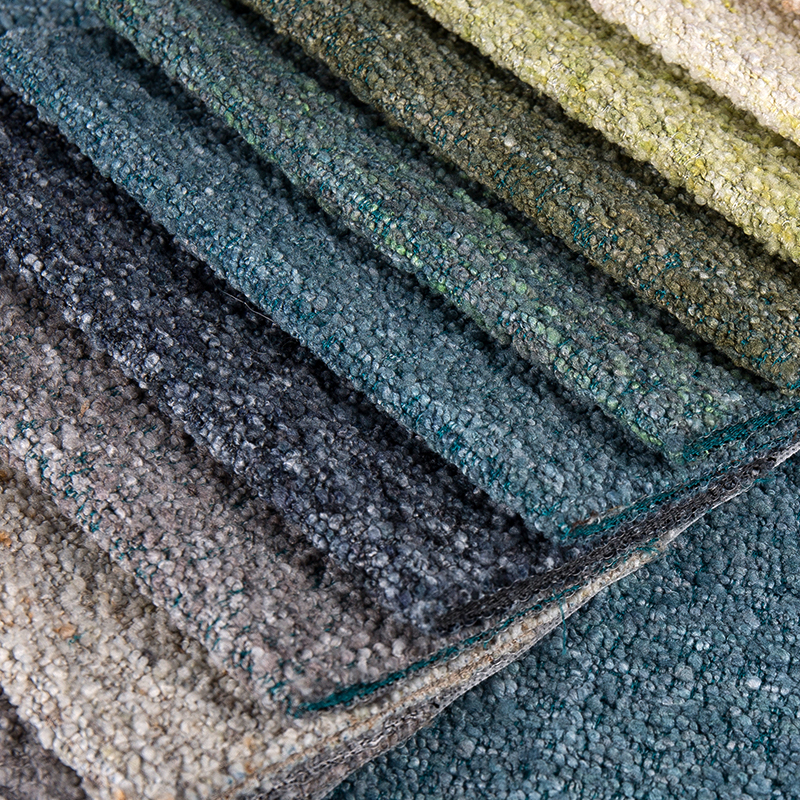
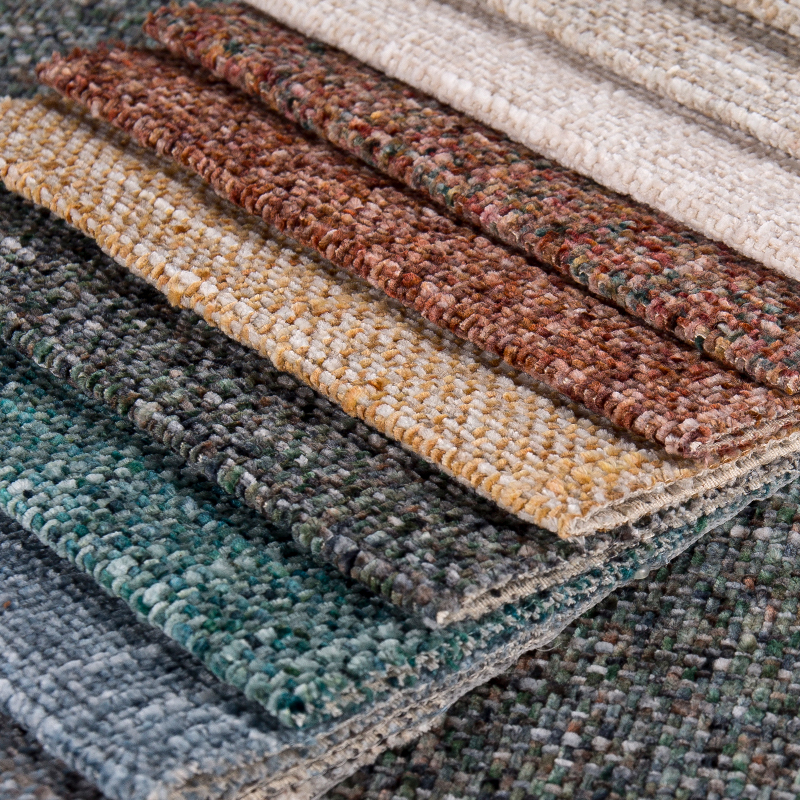
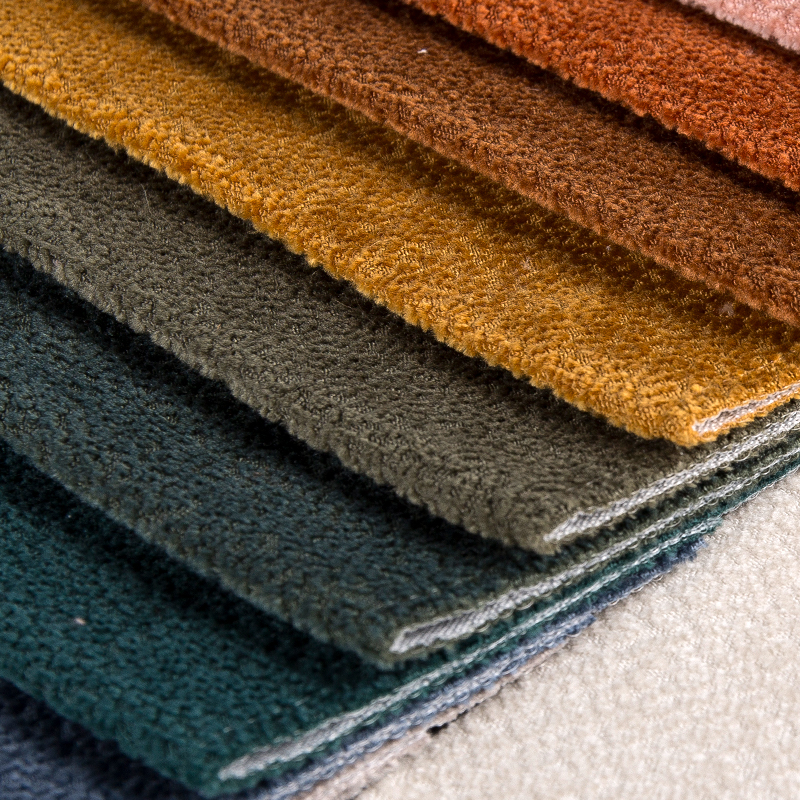
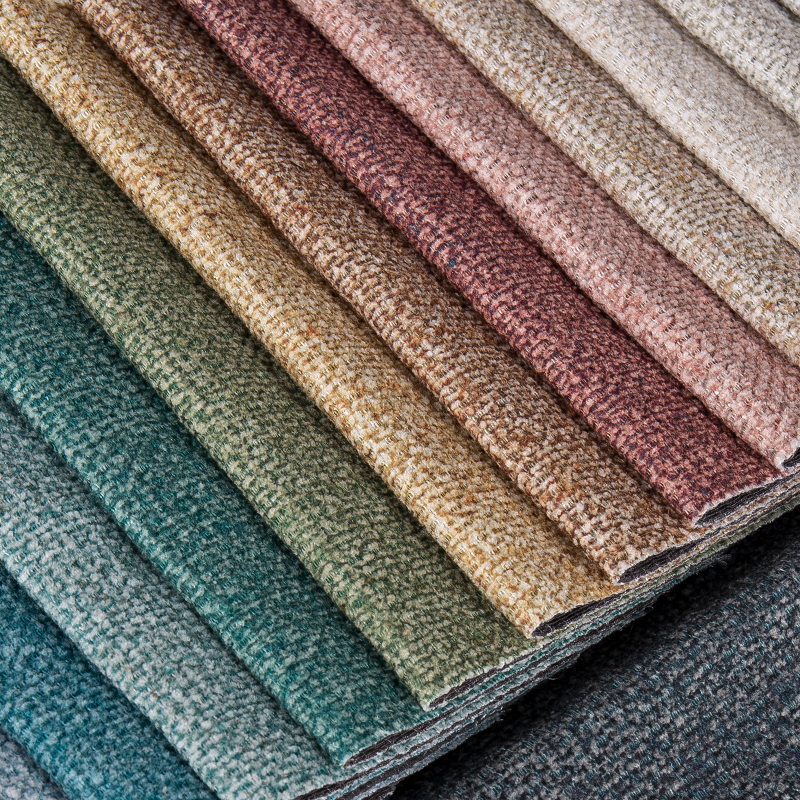
Polyester woven upholstery fabric is widely used in furniture and interior applications due to its balanced performance in durability, appearance stability, and maintenance practicality. By combining synthetic polyester fibers with structured weaving techniques, this fabric type offers consistent texture, controlled stretch, and resistance to daily wear, making it suitable for both residential and commercial upholstery projects.
Content
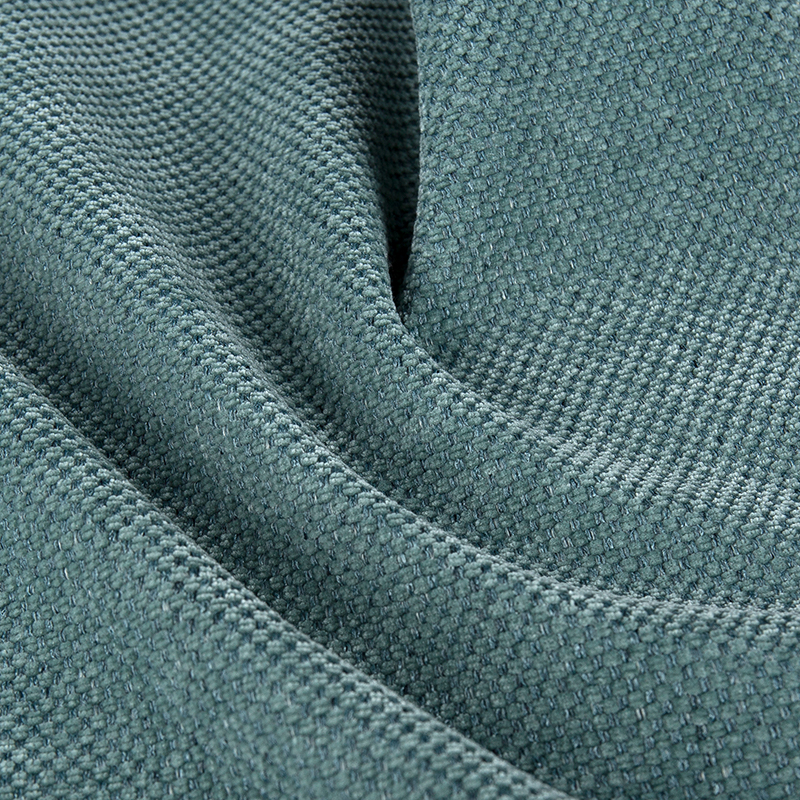
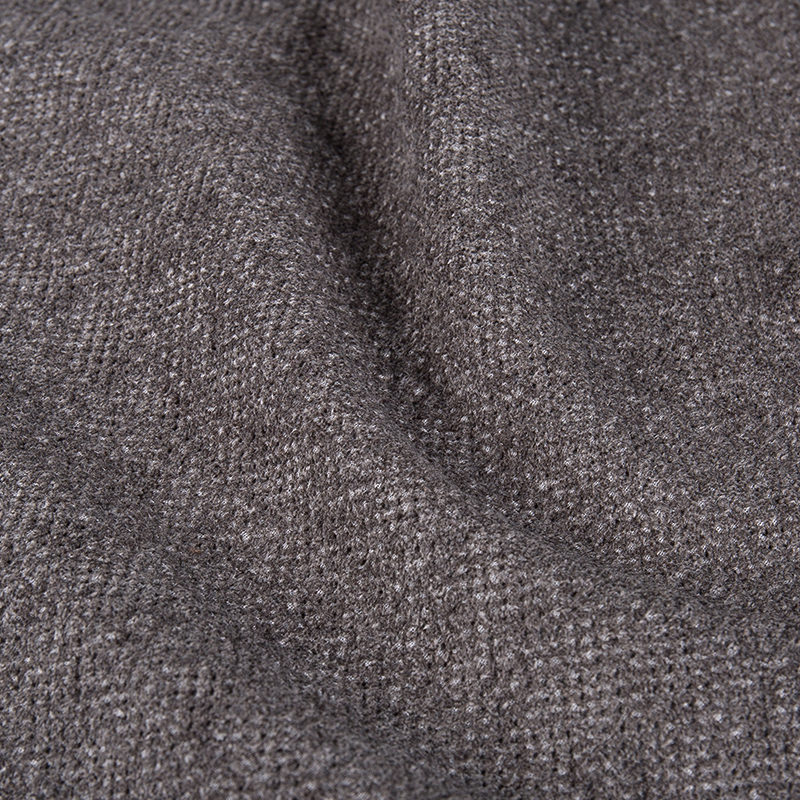
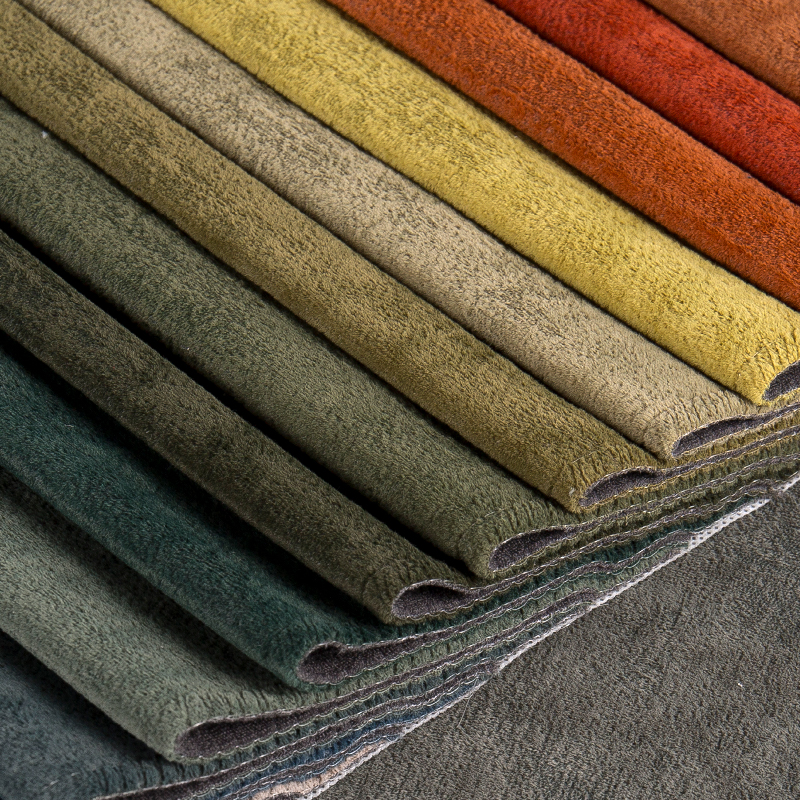
Polyester woven upholstery fabric is produced using continuous filament or staple polyester yarns that are interlaced through defined weave patterns. The woven structure creates dimensional stability, preventing excessive deformation when the fabric is applied to seating surfaces, backrests, or padded panels. Polyester fibers contribute to strength retention and help the fabric maintain its original form during extended use.
Polyester fibers are known for their tensile strength and resistance to stretching. In upholstery fabrics, yarn thickness and twist levels are adjusted to balance surface texture with structural integrity. This controlled construction supports uniform fabric tension during cutting, sewing, and installation.
The weaving method plays a significant role in the appearance and performance of polyester upholstery fabric. Different weave structures influence surface feel, visual depth, and abrasion resistance, allowing the fabric to be adapted for various furniture styles.
Polyester woven upholstery fabric offers practical performance advantages for furniture exposed to frequent use. The fiber composition resists abrasion and surface wear, while the woven construction supports consistent load distribution across seating areas.
This fabric type is commonly used across a wide range of upholstered furniture products. Its adaptability allows it to perform reliably in both private living spaces and high-traffic commercial environments.
Typical applications include sofas, armchairs, dining chairs, headboards, and upholstered wall panels. In commercial settings, polyester woven upholstery fabric is often selected for office seating, hospitality furniture, and public waiting areas where durability and appearance consistency are required.
| Fabric Type | Durability | Maintenance Level | Structural Stability |
| Polyester Woven | Consistent | Low | Strong |
| Cotton Woven | Moderate | Higher | Moderate |
| Blended Fabric | Variable | Moderate | Balanced |
Polyester woven upholstery fabric is generally easy to maintain due to its low absorbency and surface resilience. Routine cleaning helps preserve texture and appearance, while the fabric’s resistance to wrinkling and sagging supports long-term visual consistency on upholstered furniture.
When selecting polyester woven upholstery fabric, considerations should include weave density, surface texture, intended usage intensity, and compatibility with furniture design. Aligning fabric structure with functional requirements helps ensure reliable performance and stable appearance throughout the furniture’s service life.
Related Products

Contact us
Address
Hangfu Road 106#, Chongfu Town, Tongxiang City, Zhejiang, China
Phone
+86-15067379939
linachen@climbingtex.com / zac@climbingtex.com
lianniu@climbingtex.com
Fax/Tel
+86-573-88385698
products
QR CODE
 Home Textile Manufacturers
Sofa Fabric Factory
Home Textile Manufacturers
Sofa Fabric Factory
 English
 Español
 عربى
عربى