Sep 07, 2026
A sofa labeled “bonded leather” sits in the showroom at a tempting price. It has the color of a leather hide and a smooth surface, but the material underneath is not the same as genuine leather. Bonded leather is a composite sheet made from shredded leather fibers, adhesive, and a polyurethane coating. Understanding that difference can save you from buying a piece that starts peeling and cracking within a few seasons.
Core conclusion: Bonded leather typically contains only 10-20% actual leather fiber by weight. The rest is binder and synthetic coating. In daily-use seating, this coating breaks down, and the material flakes, peels, or cracks far earlier than full-grain leather or a well-constructed polyester upholstery fabric.
Content
Bonded leather, also sold as reconstituted leather or composition leather, is manufactured from post-industrial leather scraps. The scraps are ground into fine fibers, mixed with a latex or polyurethane binder, and formed into sheets. A fabric or paper backing is laminated underneath, and a pigmented polyurethane topcoat is applied on top to create a leather-like grain. This process makes the material economical, but it also explains why performance differs so much from a natural hide.
1. Leather fiber base
Ground hide fibers usually make up 10-20% of the sheet. Higher fiber percentages improve durability and feel.
2. Binder
Latex or polyurethane glue holds the loose fibers together. More binder means a firmer sheet but less breathability.
3. Backing layer
A nonwoven fabric or paper backing adds tensile strength. Weak backing is a common cause of early tearing.
4. Polyurethane topcoat
This coating creates the color, gloss, and grain pattern. Its quality decides how soon peeling starts.
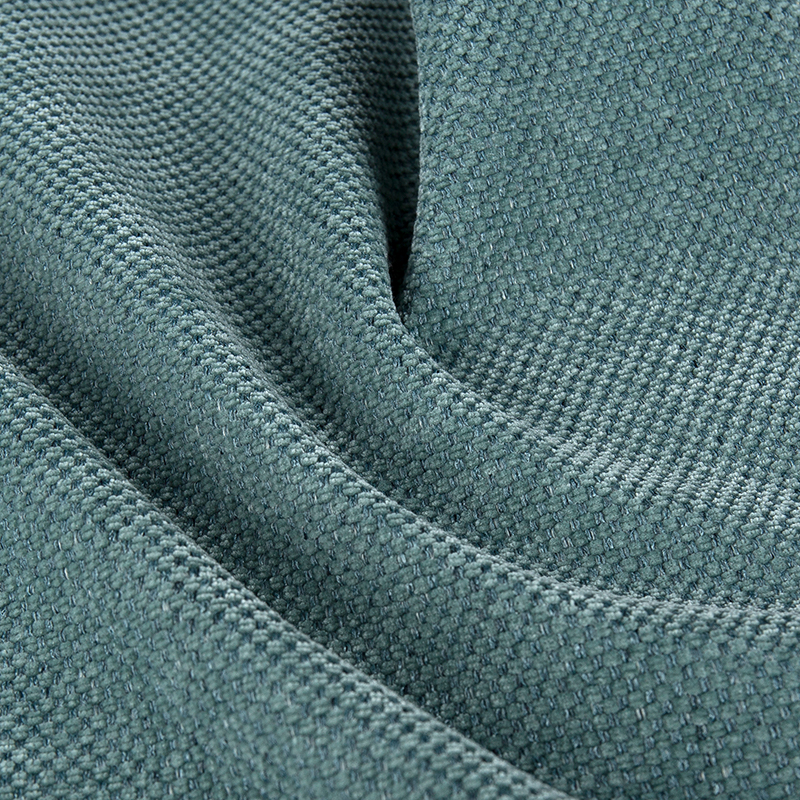
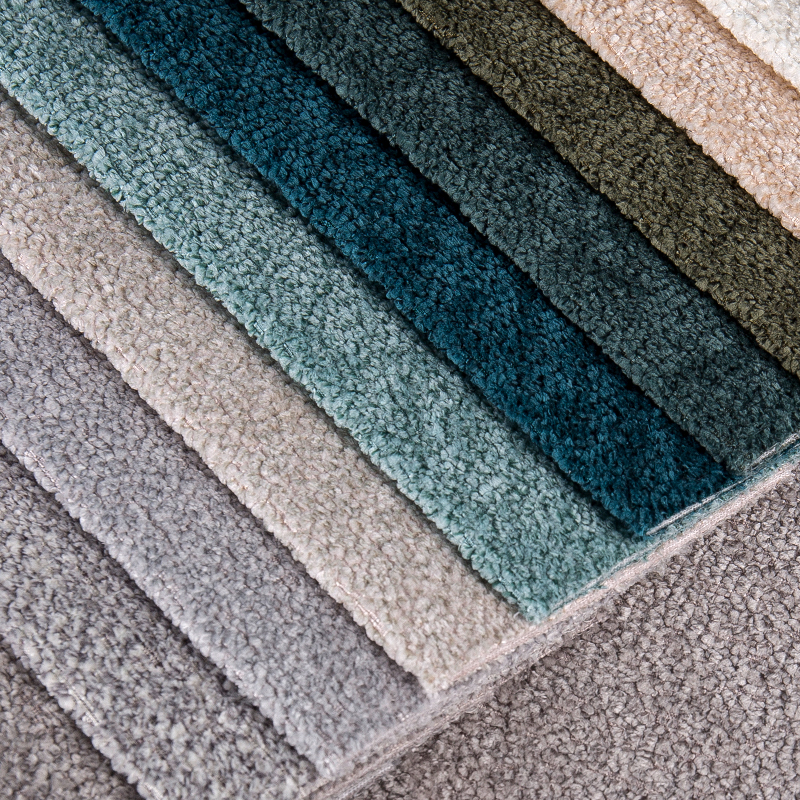
If you cut through a bonded leather sample, you can see that the leather fibers are only filler. The visual and tactile properties come from a plastic film. That is why many upholstery designers now prefer a textile construction with a leather-like touch. For instance, a leather-hand-feeling chenille mimics the supple feel of leather without the same surface-film failure mode.
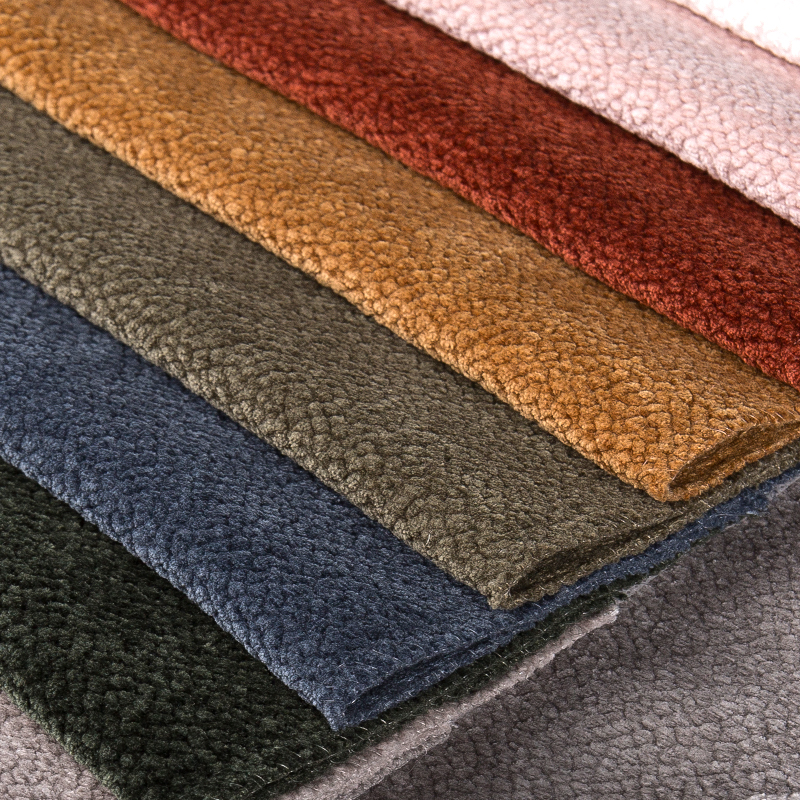 Leather Hand Feeling Chenille Sofa Fabric with Grainy TextureThis chenille fabric mimics supple leather through a grainy, slightly leathery touch while keeping comfort. It offers natural shrinkage and an attractive texture, making it a practical alternative to bonded leather that avoids surface-film peeling.View Product →
A definition is only useful when you can compare performance. The table below summarizes how bonded leather stacks up against common alternatives in sofa upholstery.
The most important number for a sofa is the “peeling risk.” Bonded leather scores poorly because the thin polyurethane surface is mechanically bonded to a weak fibrous substrate, not chemically bonded to a durable hide.
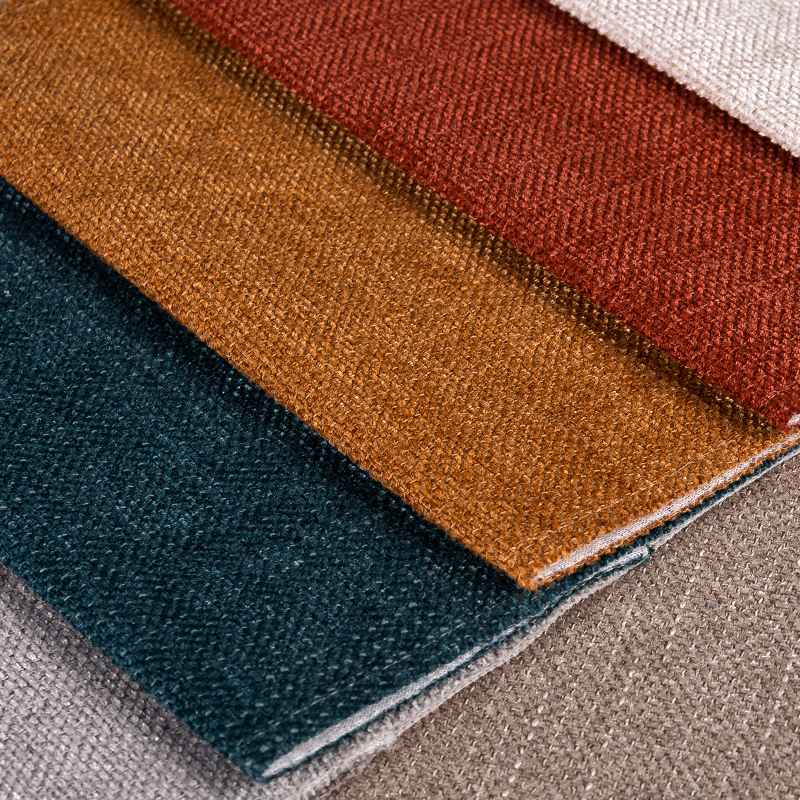
At our facility, we test polyester fabrics against abrasion and flex cycles to avoid the peeling failure mode entirely. A durability-special embossing can give a leather-like grain on a woven textile that does not delaminate in the same way.
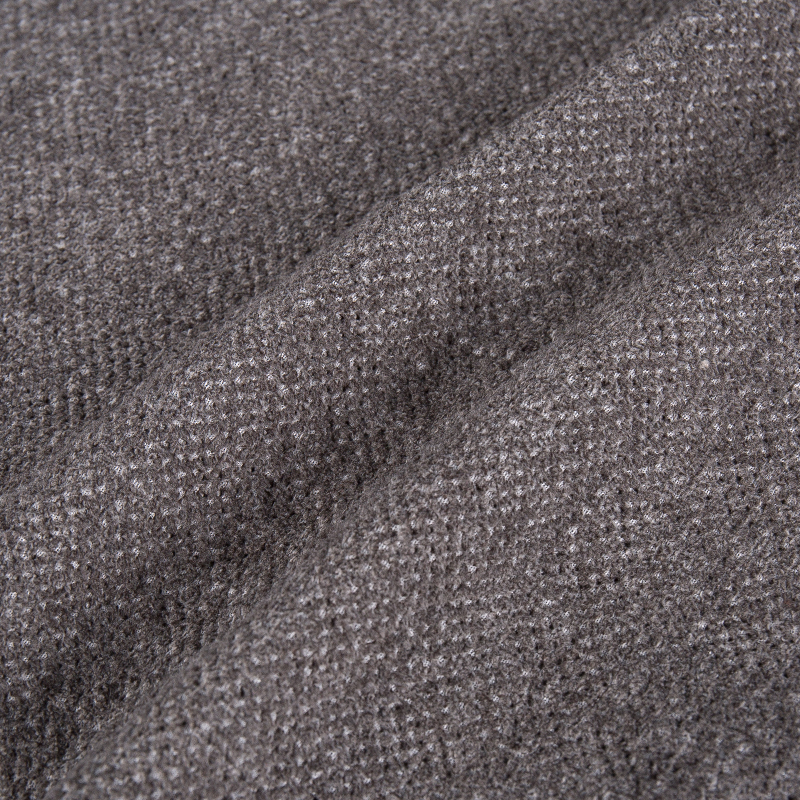 Durability Special Embossing Sofa Fabric for Leather-Like GrainA warp-knitted fabric with a special embossing process that yields a durable, leather-like grain without the delamination risk of bonded leather. Its pattern resists wear, and the soft touch suits upholstery applications requiring long-lasting appearance.View Product →
The “bonded leather” label can hide a wide variation in quality. The two things you should ask about are the leather fiber percentage and the coating weight. A quality version might have 20% fibers and a 0.8 mm polyurethane coating; a cheap version may contain 10% fibers and a very thin coating. The abrasion test result, usually measured in Martindale cycles, is more useful than the words on the hang tag.
The chart below shows approximate time before visible peeling or cracking starts in a regularly used sofa.
A bonded leather sofa may have a low ticket price, but the annual cost is often higher than a polyester textile sofa when you divide the price by years of service. This is a key point for procurement teams, not just consumers.
Bonded leather is a cost-driven material, so it appears in products where the buyer wants a leather look without paying for a real hide. Typical applications include sofas, recliners, car seat covers, book covers, and promotional goods. The chart below shows an approximate market distribution based on typical production segments.
The largest share is household upholstery, which is also the application that experiences the most daily stress. That mismatch explains why bonded leather receives more user complaints than any other “leather” category.
Use this four-step check when you are choosing a sofa or sofa fabric. It applies to purchasing for a home, a hotel lobby, or a furniture production line.
Step 1: Define lifespan.
If the furniture is intended for less than three years, bonded leather can be an acceptable low-cost surface. For longer use, choose another material.
Step 2: Verify the label.
Labels that only say “leather” without specifying bonded, split, or genuine are a red flag. Ask for the percentage of leather fibers and the coating type.
Step 3: Assess the environment.
Homes with pets, small children, or direct sunlight increase the risk of peeling. A woven polyester fabric absorbs the wear better and is easier to replace.
Step 4: Compare cost per year.
A $400 bonded leather sofa lasting three years costs $133 per year. A $600 polyester fabric sofa lasting eight years costs $75 per year. Total cost of ownership matters more than the sticker price.
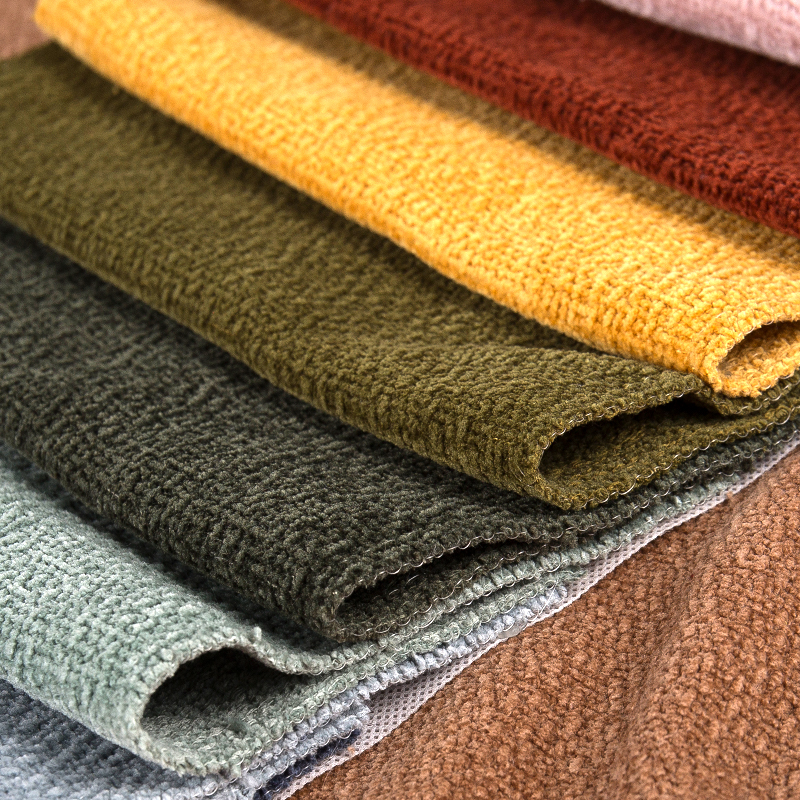
If you need the tactile feel of leather but want a surface that will not peel, a solid-color grain embossing on polyester is a practical option. It adds a subtle, leather-like texture while keeping the durability of a woven textile.
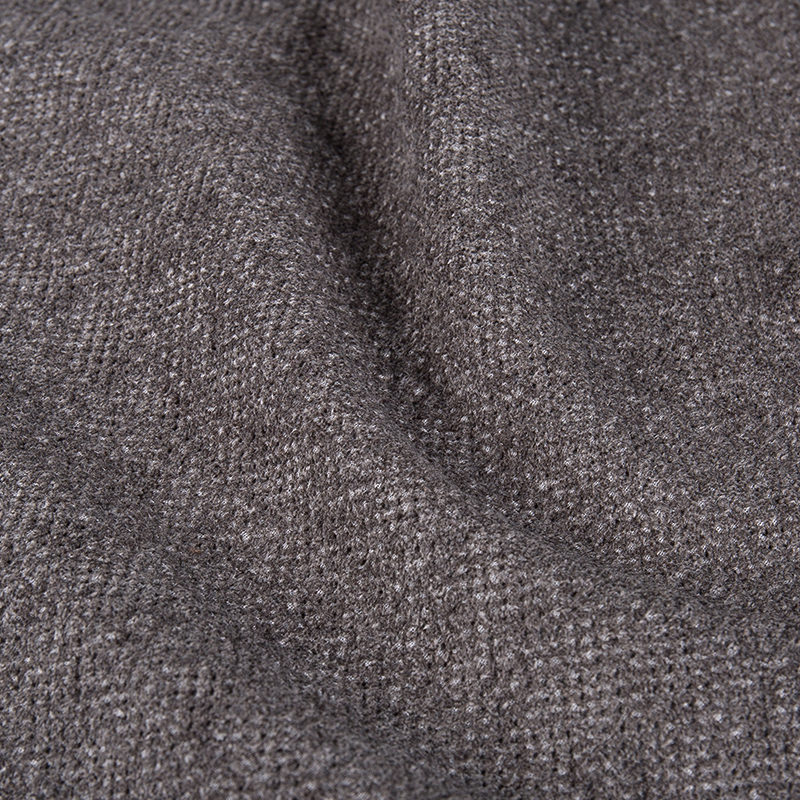 Solid Color Grain Embossing Sofa Fabric with Two-Tone EffectThis embossed polyester fabric features a unique particle finish that adds subtle leather-like texture while retaining woven durability. Cationic yarn creates a pleasant two-color effect, offering a practical option for consumers seeking a non-peeling leather feel.View Product →
Different countries treat bonded leather differently. In the European Union, a material called “leather” must have a clear declaration of the leather fiber content and production method. In the United States, the Federal Trade Commission has warned that unqualified “leather” claims on a material made from shredded leather fibers can mislead consumers.
For furniture manufacturers, the safest route is to ask suppliers for a technical data sheet that includes abrasion resistance, coating thickness, and fiber percentage. If the supplier cannot provide these numbers, the material is unlikely to meet a serious specification.
Bonded leather is a low-cost material with a leather-like surface, but its definition reveals a fundamental weakness: the leather content is only a small fraction of the sheet, and the top coating does the work. When the coating fails, peeling starts. For anyone buying a sofa, or for a furniture factory selecting materials, the more dependable route for the same budget is often a high-quality polyester upholstery fabric.
We make a range of polyester sofa fabrics from chenille, boucle, velvet, and embossed designs, and our factory tests each material for abrasion and color consistency. If you want to learn more about how fabrics compare with leather in a sofa build, our fabric vs. leather upholstery comparison is a practical place to start.
Related Products

Contact us
Address
Hangfu Road 106#, Chongfu Town, Tongxiang City, Zhejiang, China
Phone
+86-15067379939
linachen@climbingtex.com / zac@climbingtex.com
lianniu@climbingtex.com
Fax/Tel
+86-573-88385698
products
QR CODE
 Home Textile Manufacturers
Sofa Fabric Factory
Home Textile Manufacturers
Sofa Fabric Factory
 English
 Español
 عربى
عربى